French Bullweiler
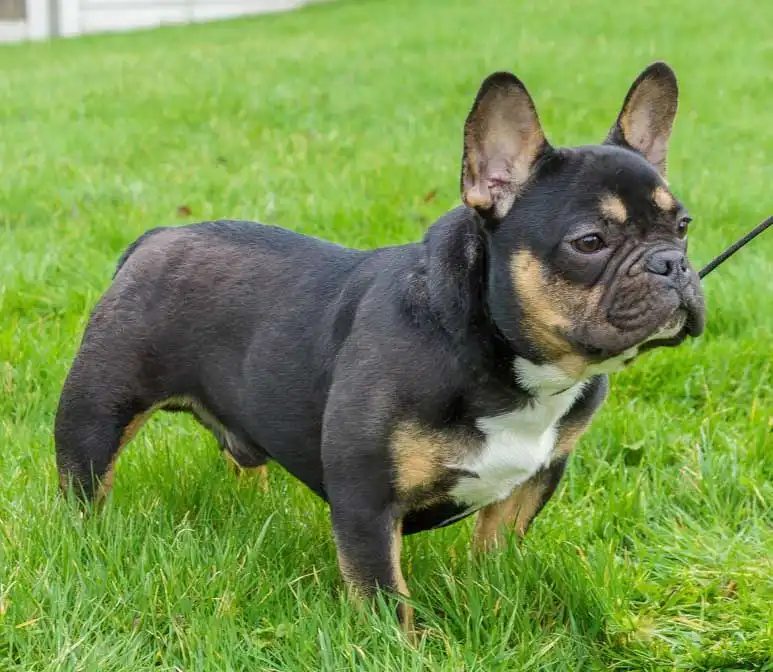
The French Bullweiler is a mixed breed that emerges from the combination of a French Bulldog and a Rottweiler. Typically, this breed boasts a short, thick coat that requires little maintenance, although it's important to remember that the Rottweiler parent can shed quite a bit. Given the size differences between the two breeds, French Bullweilers can vary from medium to large in stature. This designer dog often displays characteristics such as a generally calm temperament, a strong need for early socialization, and a willingness to engage in obedience training. Additionally, the Rottweiler heritage may lead to territorial instincts and possible aggression towards dogs of the same sex. French Bullweilers are versatile companions, thriving in both city and country settings.
Breed Origin
The English Industrial Revolution brought about a significant shift as machines began to replace many workers, leading to a decrease in job opportunities for lace makers during the 1850s and 1860s. In search of new employment, numerous English lace makers relocated to France, taking their small Bulldogs with them. These dogs eventually interbred with the local French Terrier Boule, resulting in the creation of the French Bulldog. In 1885, a breeding initiative for French Bulldogs was launched in the United States, where the breed quickly became a favorite among the social elite. The breed made its first appearance at the Westminster Kennel Club Dog Show in 1896, but only those with “rose ears” received accolades, while those sporting “erect bat ears” were largely ignored, much to the disappointment of the society women. In response to this bias, they formed the French Bulldog Club of America, which established the breed standard that ultimately favored the “erect bat ear” as the preferred characteristic. By the early 20th century, the breed had found its way into the homes of notable families, including the Rockefellers and Morgans. The American Kennel Club recognized the French Bulldog in 1898, and by 1906, it had risen to become the fifth most popular dog breed in the United States. The Rottweiler is thought to have descended from the ancient Drover dogs that the Romans used for herding and safeguarding livestock. These dogs traveled with the Roman army, accompanying them as they moved their herds. After the Romans were defeated in Germany around 200 A.D., many of these dogs were abandoned and subsequently mixed with local breeds. The name Rottweiler is derived from the town of Rottweil in southern Germany, which was established by the Romans in 73 A.D. The American Kennel Club recognized the Rottweiler in its Stud Book in 1931, and in 1948, the first Rottweiler achieved an American Kennel Club championship title. The American Rottweiler Club was established in 1971.
Breed Appearance
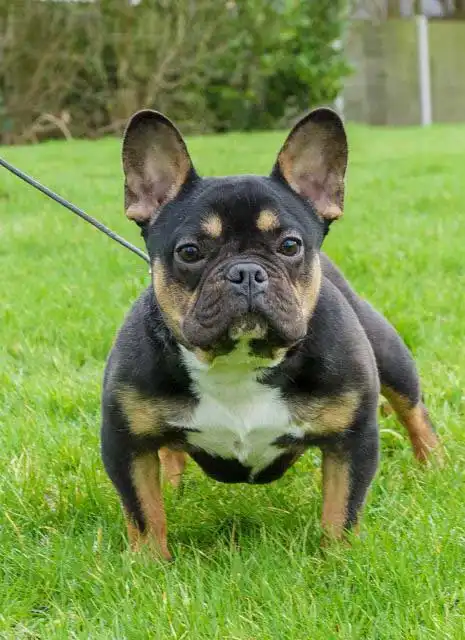
When two purebred dog breeds are crossed, the resulting puppies often inherit physical features from both parents. In certain instances, particular traits may be more pronounced from one breed. For example, many French Bullweiler puppies showcase the unique facial markings characteristic of Rottweilers, typically located above the eyes, on the cheeks, and along the sides of the muzzle. These puppies may also exhibit tan markings on their chests, lower legs, and under their tails. The French Bullweiler generally has a short, dense coat and varies in size from medium to large, usually being shorter than a Rottweiler. They possess a sturdy, muscular build with a broad, boxy head. Depending on the individual dog, the ears may either hang down or stand upright. The tail length can differ as well, resembling either the longer tail of a Rottweiler or the shorter tail of a French Bulldog. It’s important to note that while most Rottweilers have their tails docked, they naturally have long tails.

Care Routine
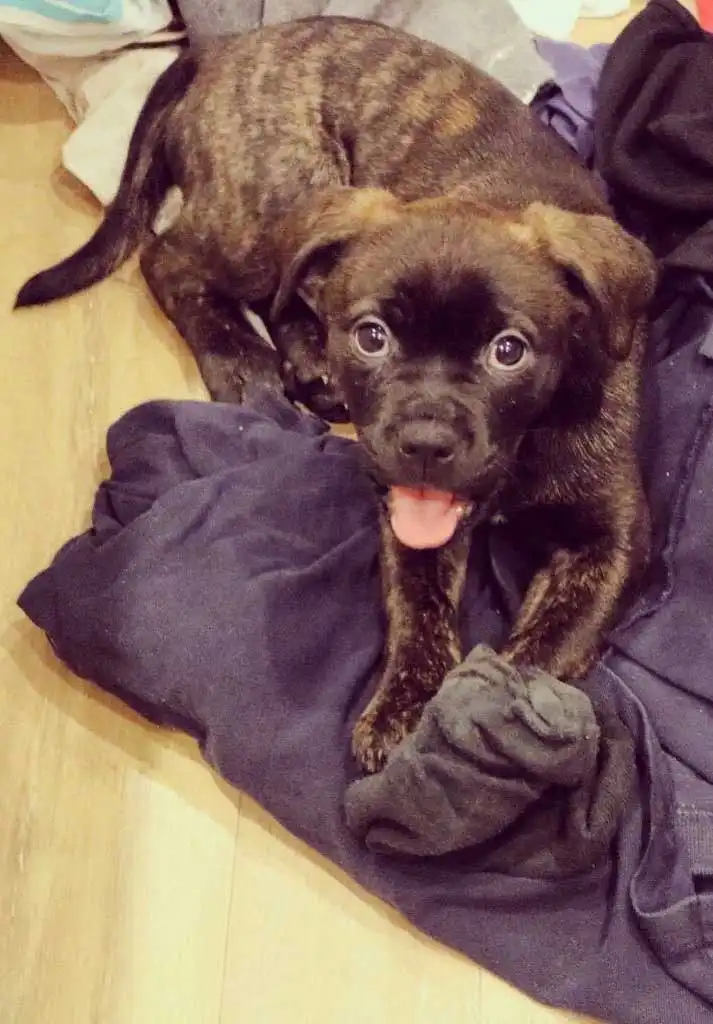
The French Bullweiler boasts a dense, short coat that only needs to be combed and brushed weekly to keep loose hair in check. Bathing should be done as needed, using a gentle dog shampoo. Given its Rottweiler heritage, this breed is prone to considerable shedding. If your French Bullweiler has floppy ears, it's essential to clean them weekly to prevent dirt accumulation. Additionally, ensure that the ears stay completely dry to avoid moisture issues. For dental hygiene, brush your hybrid's teeth several times a week and arrange for an annual veterinary visit to ensure your dental care routine is effective. Don't forget to check the nails for any breaks or tears after exercise and trim them as necessary.
Behavior & Temperament
The French Bullweiler is a unique hybrid that combines characteristics from both of its parent breeds. Even among puppies from the same litter, you may notice differences in their looks and behaviors. This breed is celebrated for its intelligence and loyalty. To raise a well-adjusted companion, it’s vital to begin socializing your French Bullweiler puppy early. Additionally, starting obedience training at a young age is recommended. Since this breed can exhibit a degree of stubbornness, it’s important to approach training with consistency and patience. By establishing yourself as a leader, you can help your French Bullweiler excel in obedience classes. While the Rottweiler heritage may introduce some territorial instincts and potential aggression towards other dogs, the influence of the French Bulldog often brings a playful and humorous personality. Your French Bullweiler will thrive on love and attention, so it’s crucial to avoid leaving them alone for long periods, as this can lead to anxiety-related issues such as chewing furniture or excessive barking.


Play & Exercise
Your French Bullweiler is likely to possess a moderate to high energy level, which makes daily walks crucial for his overall health and happiness. These excursions should provide him the opportunity to explore and sniff around at his leisure, so take your time and savor these shared experiences. He will enjoy playing fetch and running in a secure yard. Additionally, taking him to a dog park can be an excellent way for your French Bullweiler to engage and socialize with other dogs. It's essential to remember that both the French Bulldog and Rottweiler are sensitive to heat, so it's best to keep your French Bullweiler away from extreme temperatures. In the summer months, try to walk him in shaded areas and during the cooler times of the day.
Things to Know
Cups Per Day
3.0 Cups
Daily Activity
60 Minutes
Average Lifespan
10 Years
Origin
Unknown
Type
Crossbreeds
Size
Medium
Origin Country
United States
Brush Frequency
Weekly
Coat Texture
Straight
Register
Your kids have been begging for a pet forever, and you've recently decided that it's time for your family to get a new addition -- a dog! While everyone is excited for the new arrival, you're wondering if you need to have a dog license. How much does it cost? Is it required? Where do you get one?
Member Clubs

PETINNATE
Other
Height & Weight
Weight
55 lbs (25 kg)Male: 55 lbs (25 kg) , Female: 55 lbs (25 kg)
Height
19 inches (48 sm)Male: 19 inches (48 sm) , Female: 19 inches (48 sm)
Eye Colors
Brown

Nose Colors
Black
Coat Colors
Black
Brindle