Frenchie Pug
Frug
Frenchie Pugs, affectionately known as “Frugs,” are small dogs that require minimal exercise yet boast lively and engaging personalities. These spirited companions are confident and thrive on human interaction. On average, Frenchie Pugs have a lifespan of 9 to 15 years, typically weigh between 15 and 23 pounds, and stand around 10 to 12 inches tall. Their coats are short, smooth, and fine, showcasing a variety of colors including black, cream, white, and fawn, often adorned with brindle patterns and ticked markings. This hybrid breed likely originated in the early 1900s and has since become one of the most cherished mixed breeds. However, it’s essential to recognize that Frenchie Pugs are not a fully established breed, resulting in significant diversity in their appearance and temperament. Despite these variations, most owners find that Frenchie Pugs are affectionate and proud members of their households.
Breed Origin
The Frenchie Pug gets its name from its parent breeds: the French Bulldog and the Pug. The American Kennel Club recognized the French Bulldog for the first time in 1898, and it has since gained immense popularity in the United States, the United Kingdom, and France. This breed evolved from its origins in England, where breeders initially developed a toy version, before making its way to France with individuals seeking better prospects during the Industrial Revolution. The French middle class quickly embraced the breed, and soon, tourists began to bring this delightful dog back to North America. In contrast, the Pug has its roots in China, dating back to the Han dynasty, which spanned from 200 B.C. to 200 A.D. It was a favored companion of the elite and royal families across Asia. During the 16th and 17th centuries, Pugs were introduced to Europe via Dutch trade routes, where they were similarly adopted by the wealthy. Prior to the 1800s, they were known by various names, including Carlin in France, Doguillo in Spain, Mops in Germany, and Caganlino in Italy. However, their popularity soared in the United Kingdom, leading to the adoption of the name Pug in the late 1700s. After the Civil War in the 1860s, Pugs began to be imported into North America, and by 1885, the breed received official recognition from the AKC. Since then, they have remained a beloved pet in the United States. The Frenchie Pug boasts a rich breeding history and is recognized as one of the most popular hybrid breeds, likely emerging in the early 1900s when the Pug's popularity was on the rise in the United States.
Breed Appearance
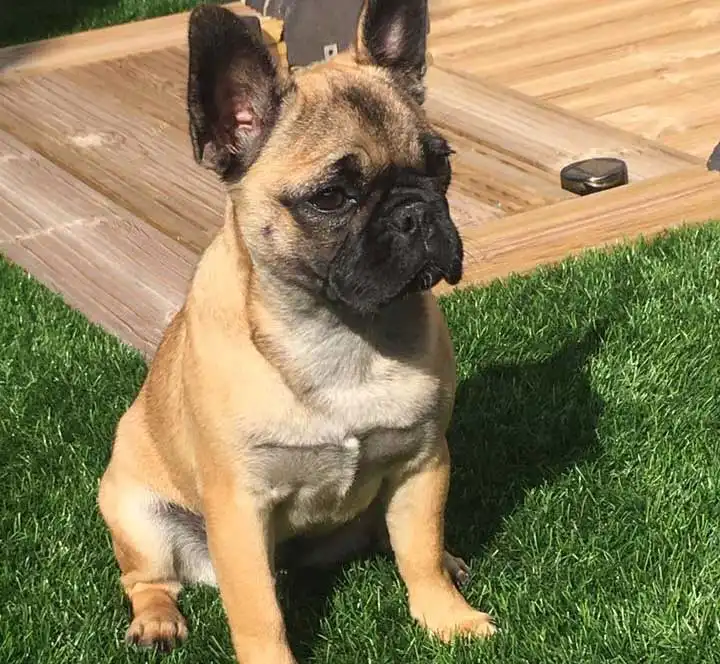
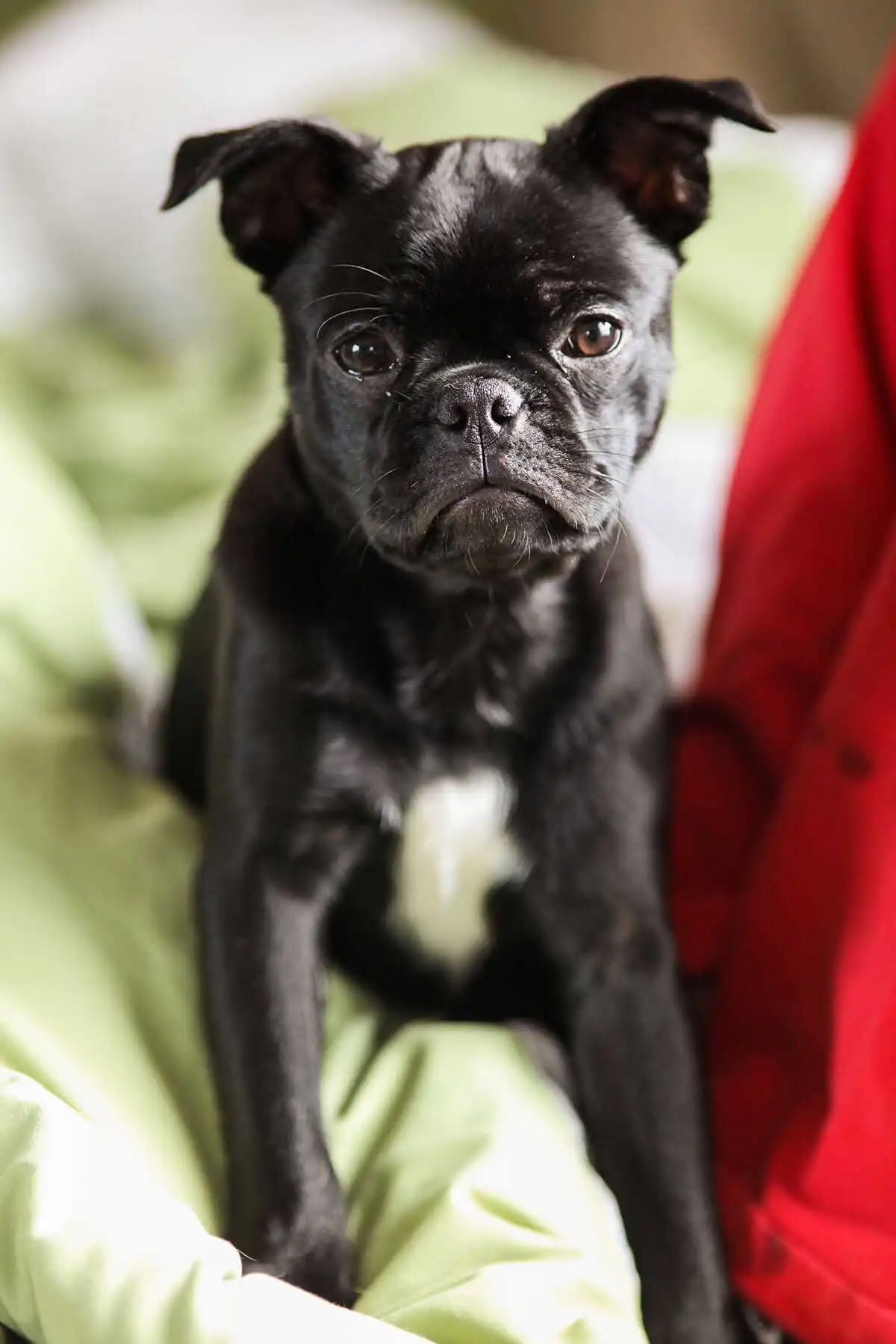
Frenchie Pugs are delightful little dogs that bear a resemblance to their stocky Pug relatives, easily identified by their unique “bat” ears, though some may have ears that stand upright. These compact pups generally weigh between 15 and 23 pounds and stand about 10 to 12 inches tall. Their coats are short, fine, and smooth, coming in a variety of colors such as black, cream, white, and fawn, often adorned with brindle patterns and ticked markings. Many Frenchie Pugs showcase the distinctive black “mask” around their faces. They have strong, straight legs and moderately sized, robust feet. Their alert expression is accentuated by large, dark eyes and the characteristic wrinkles on their short muzzles, which also feature an undershot bite.


Care Routine
Frenchie Pugs are not classified as hypoallergenic, which makes them a poor choice for those with allergies. Although their short coats require minimal grooming, they do shed significantly, so it's wise to keep a lint roller nearby. Monthly baths are recommended, with special care taken to clean their ears to prevent the accumulation of wax and debris that could result in infections. It's also crucial for owners to routinely clean the facial and body folds of their Frenchie Pug to prevent irritation and skin problems. Additionally, to ensure their overall well-being, daily brushing of their teeth and monthly nail trimming are advisable.
Behavior & Temperament
This energetic and observant puppy makes a fantastic companion for children, adults, and other dogs alike. Frenchie Pugs are celebrated for their lively characters and a long history of being doted on, which means they need consistent and devoted care. In return for this attention, they provide an abundance of sweetness, loyalty, and affection, often shadowing their owners throughout the house. However, training a Frenchie Pug can be quite a challenge, requiring significant patience. Thus, it’s essential to begin obedience training early and to be consistent to help them develop into well-behaved pets. Despite the hurdles in training, Frenchie Pugs are eager to please and love interacting with their owners. They can be quite amusing, quickly learning commands and tricks. Their small size makes them well-suited for apartment living, but without enough social engagement, they might engage in destructive behaviors. The key to keeping a Frenchie Pug content is to shower them with love and attention.


Play & Exercise
Frenchie Pugs are moderately energetic dogs that typically need around 20 to 40 minutes of exercise daily. They enjoy a short walk, some indoor playtime, or a trip to the dog park, but they usually prefer to lounge at home, keeping a watchful eye on their owners. Nevertheless, these playful companions are eager to join in on fun activities when prompted. They have a fondness for chew toys and balls, although they aren't particularly skilled at retrieving. It's crucial to note that Frenchie Pugs are very sensitive to heat, so owners should monitor their pets' temperature closely, especially during warm weather. Consequently, this breed is best suited for cooler or temperate environments.
Things to Know
Cups Per Day
1.0 Cups
Daily Activity
40 Minutes
Average Lifespan
12 Years
Origin
1900s
Type
Crossbreeds
Size
Small
Origin Country
United States, United Kingdom, France
Brush Frequency
Weekly
Coat Texture
Straight
Register
Your kids have been begging for a pet forever, and you've recently decided that it's time for your family to get a new addition -- a dog! While everyone is excited for the new arrival, you're wondering if you need to have a dog license. How much does it cost? Is it required? Where do you get one?
Member Clubs

PETINNATE
Other
Height & Weight
Weight
19 lbs (9 kg)Male: 21 lbs (10 kg) , Female: 18 lbs (8 kg)
Height
12 inches (30 sm)Male: 12 inches (30 sm) , Female: 12 inches (30 sm)
Eye Colors
Brown

Nose Colors
Black
Coat Colors
Black

Cream

White
Fawn

Brindle