German Malinois
Malinois X
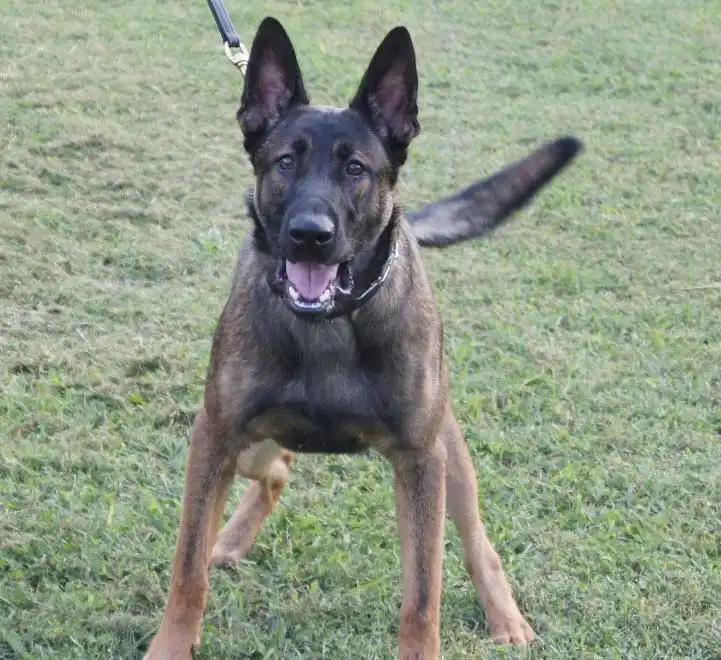
The German Malinois is a meticulously developed designer breed, created through the deliberate crossbreeding of two well-known shepherd breeds that originated in the late 1800s: the German Shepherd from Germany and the Belgian Malinois from Belgium, which is geographically close to the German Shepherd's roots. Renowned for their intelligence and ease of training, these dogs may also possess a pronounced prey drive inherited from the Belgian Malinois, prompting them to pursue smaller animals, other dogs, and sometimes even children. Being large and active, they need plenty of space to move around and generally do not thrive in apartment settings.
Breed Origin
The German Malinois is a deliberate hybrid that merges two breeds with comparable characteristics and roles: the German Shepherd and the Belgian Malinois. The German Shepherd was originally developed in the late 1800s as a sizable herding dog, intended to gently guide sheep back to their pens without causing distress and to aid in the movement of livestock between farms and towns. This breed was cultivated with an emphasis on structural efficiency, temperament, and intelligence—traits that are still prominent in many modern German Shepherds. However, contemporary German Shepherds have evolved from their late 19th and early 20th-century predecessors due to selective breeding practices, resulting in dogs that are generally more streamlined and lighter in bone structure. Since its recognition by the American Kennel Club (AKC) in 1908, the German Shepherd has become the second most popular breed in the United States. The Belgian Malinois shares a similar historical trajectory with the German Shepherd, emerging around the same time. It was initially one of four varieties of the Belgian Shepherd, which were primarily differentiated by coat color and length. All four types could frequently appear in the same litter. The AKC recognized the Belgian Shepherd in 1911, but in 1959, it restructured the breed into three distinct categories. The long-coated black variety was designated as the Belgian Sheepdog, recognized in 1912, while the long-coated fawn was named the Belgian Tervuren. The short-coated fawn became known as the Belgian Malinois, with both officially recognized in 1959, while the rough-coated fawn variety was entirely removed from the registry.
Breed Appearance
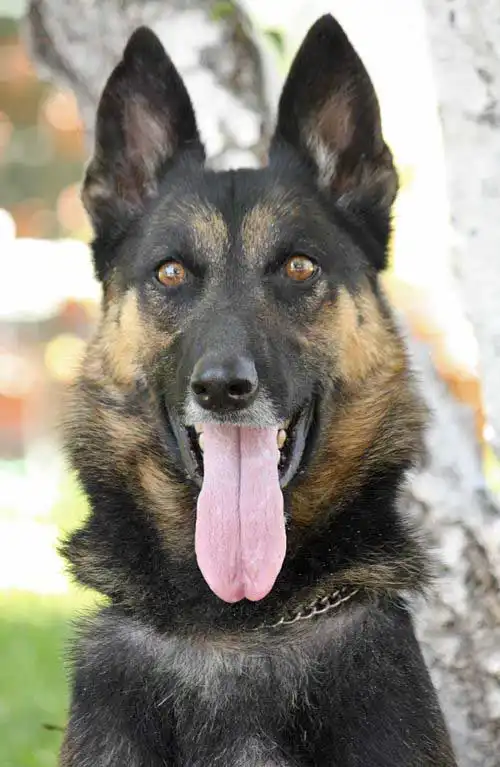
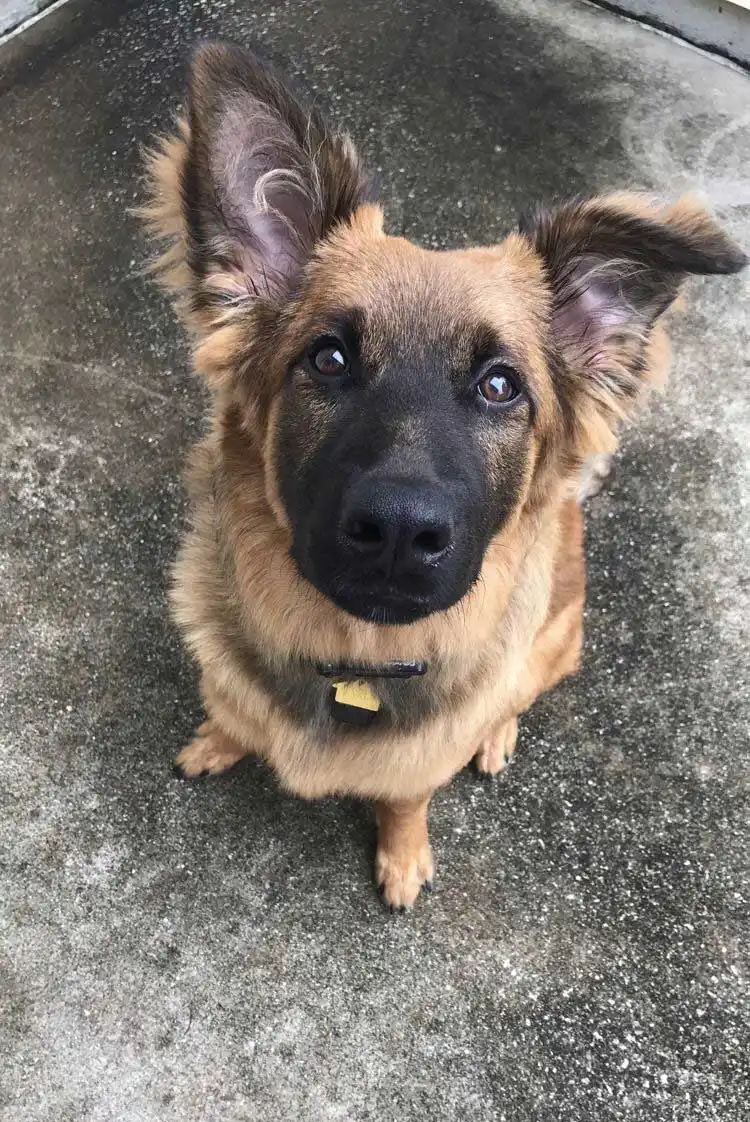
The German Malinois is a hybrid breed that merges two dogs with similar physical characteristics, yet there are significant differences between them. This breed is known for its large, well-balanced body, which may exhibit either the Malinois's square, muscular back or the German Shepherd's straight, sloping back, or a combination of both. They have a refined and dignified head that exudes strength and elegance, featuring a strong, tapered muzzle. Their almond-shaped, dark brown eyes reflect intelligence, while their relatively large, triangular ears stand upright and face forward. The tail can either extend straight out from the body or be held high with a gentle curve. Their legs are generally long and robust, characterized by oval-shaped bones instead of round ones. The coat is double-layered, consisting of a thick, dense undercoat covered by a short, straight, weather-resistant outer layer, although some individuals may have a rough coat that measures up to four inches in length.

Care Routine
The grooming requirements for a German Malinois are generally uncomplicated, yet they can demand a significant investment of time. To avoid issues like dry, flaky, and irritated skin, it's best to limit baths to just a few times each year. On the other hand, regular brushing is vital—aim for several times a week during typical shedding seasons and daily when the dog is experiencing heavy shedding due to seasonal changes. While maintaining a glossy and healthy coat requires ongoing attention, the effort is certainly rewarding as it helps eliminate dead hair and prevents tangles and matting. Furthermore, it's important to routinely inspect the dog's ears, as this breed is susceptible to wax accumulation if not adequately maintained.
Behavior & Temperament
This hybrid breed is recognized for its lively and intelligent disposition, along with a strong desire to please, although it often appears serious and somewhat reserved. Training can occasionally pose challenges due to their stubbornness or high energy levels; however, their sharp intellect and eagerness to comply generally make them relatively trainable. They often thrive in advanced training pursuits, including agility, Schutzhund, tracking, and even competitive obedience and freestyle dance. Regarding temperament, German Shepherds are usually friendly with children, while the Belgian Malinois may exhibit less patience. This breed often has a strong prey drive, which can lead them to chase or nip at younger children who are unpredictable and quick-moving. The German Malinois typically shows a reserved demeanor towards other dogs and may display territorial or aggressive tendencies, particularly in interactions among males. Their robust herding instincts and prey drive can also lead them to pursue smaller animals.
Play & Exercise
The Belgian Malinois and the German Shepherd are both breeds known for their high energy levels and strong motivation, necessitating plenty of exercise to ensure their energy is directed positively rather than destructively. To support their physical and mental health, they need at least two hours of vigorous activity each day. Beyond regular brisk walks or jogs, these dogs can expend their considerable energy through a variety of activities, including Schutzhund, competitive obedience, herding, and even freestyle dance. Although they can adapt to apartment living with adequate exercise, they generally flourish in larger homes that offer ample space for running and playing.
Things to Know
Cups Per Day
3.0 Cups
Daily Activity
120 Minutes
Average Lifespan
11 Years
Origin
Unknown
Type
Crossbreeds
Size
Large
Origin Country
Unknown
Brush Frequency
Weekly
Coat Texture
Straight
Register
Your kids have been begging for a pet forever, and you've recently decided that it's time for your family to get a new addition -- a dog! While everyone is excited for the new arrival, you're wondering if you need to have a dog license. How much does it cost? Is it required? Where do you get one?
Member Clubs

PETINNATE
Other
Height & Weight
Weight
63 lbs (29 kg)Male: 73 lbs (33 kg) , Female: 53 lbs (24 kg)
Height
24 inches (61 sm)Male: 25 inches (64 sm) , Female: 23 inches (58 sm)
Eye Colors
Brown
Nose Colors
Black
Coat Colors
Black
Cream
Red
Silver
Blue
Fawn
Sable
Gray