German Shorthair Toller
The German Shorthair Toller is a mixed breed resulting from the combination of the German Shorthaired Pointer and the Nova Scotia Duck Tolling Retriever. This robust dog inherits a strong hunting instinct from its parent breeds, which originate from Germany and Nova Scotia, Canada. Both breeds are celebrated for their remarkable abilities in both field and water activities. The German Shorthaired Pointer is a skilled tracker, proficient in finding game on land and in water, while the Nova Scotia Duck Tolling Retriever, the smallest of the retriever breeds, is particularly talented at luring and retrieving waterfowl. With its high energy levels, the German Shorthair Toller needs regular physical activity. This breed represents a superb fusion of its ancestry, making it a fantastic option for hunting aficionados or anyone in search of a devoted companion.
Breed Origin
Information regarding the German Shorthair Toller breed is somewhat scarce, but by exploring its parent breeds, we can better understand what to expect from this hybrid. The German Shorthaired Pointer has origins dating back to the seventeenth century, although the contemporary version of the breed did not appear until two centuries later. It is thought that the German Bird Dog was crossed with Spanish Pointers and Bloodhounds, which contributed to the breed's notable sense of smell and physical stature. The breed was first introduced to the United States in 1925 with the importation of the initial German Shorthaired Pointer. Shortly after, Dr. Charles Thornton from Montana began a breeding program, resulting in the American Kennel Club registering its first German Shorthaired Pointer five years later. Unfortunately, during World War II, the breed faced a significant decline in Europe, as individuals were forced to hide their German Shorthaired Pointers along with other valuables. Even after the war, breeding efforts were hindered by the division of Europe, with those on one side of the Iron Curtain unable to access breeding resources on the other. In contrast, the breed thrived in the United States, gaining popularity through its appearances in literature, including Robert B. Parker's mystery novels and Rick Bass's *Colter: The True Story of the Best Dog I Ever Had*. Conversely, the Nova Scotia Duck Tolling Retriever originates from Canada. It is believed that the breed's forebears arrived in Nova Scotia with British settlers and were later interbred with retrievers and working spaniels. This selective breeding led to the creation of the Nova Scotia Duck Tolling Retriever, aptly named for its distinctive hunting method—“tolling,” which involves luring. This breed not only retrieves waterfowl but also plays a vital role in the hunting process. Typically, the hunter throws a stick (or historically, fox hides) to create a disturbance, drawing ducks in out of curiosity. Once the ducks are within range, the hunter can startle them into flight for a shot. After the hunt, the Toller retrieves the downed ducks. This breed is relatively rare and only received recognition from the American Kennel Club in 2003.
Breed Appearance
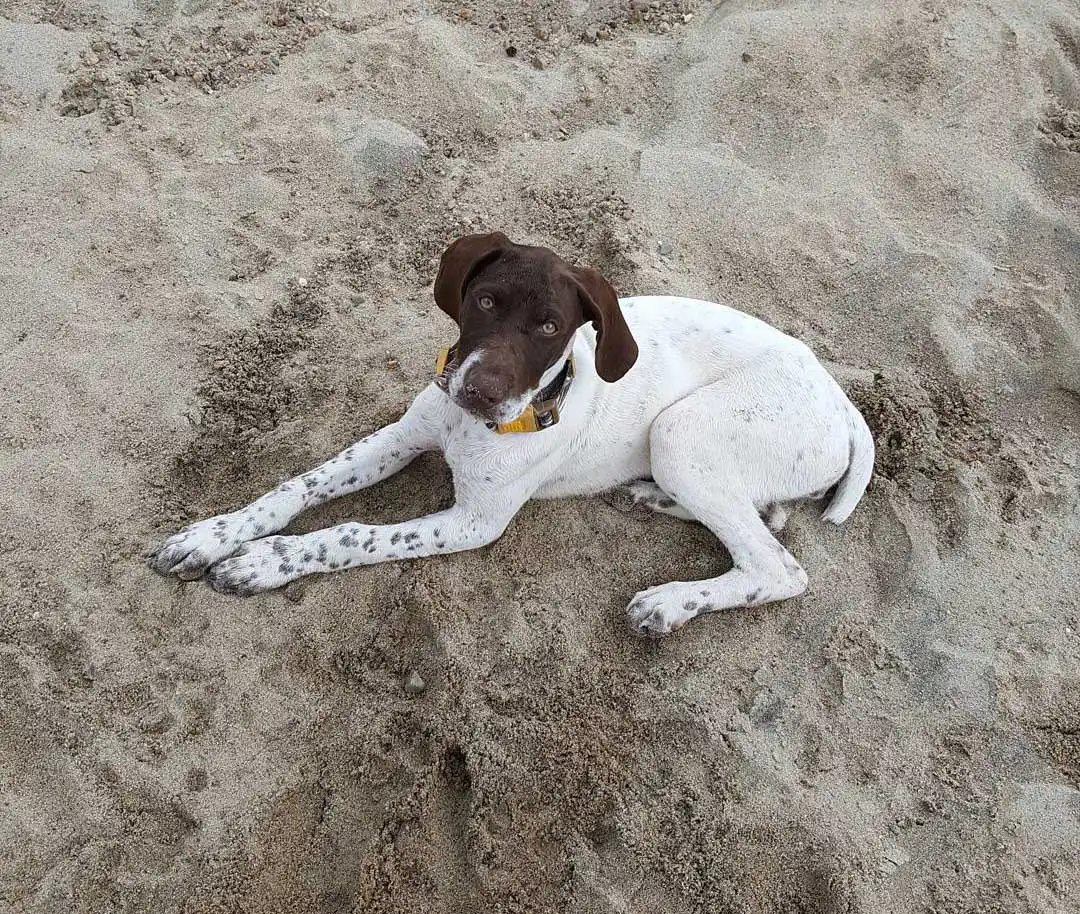
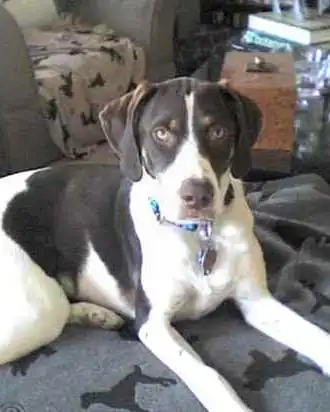
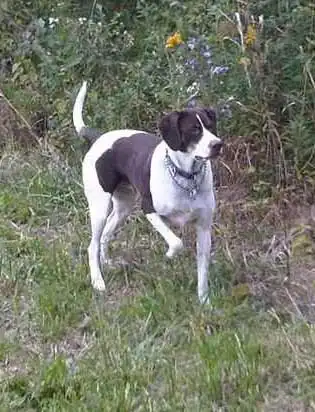
The German Shorthair Toller is a delightful mix of its parent breeds: the graceful German Shorthaired Pointer and the eye-catching Nova Scotia Duck Tolling Retriever. This appealing hybrid can display a range of coat colors, including liver shades and combinations of liver and white that reflect its Pointer ancestry. The Toller parent usually showcases red or orange tones, and since the Pointer can also have red, it’s likely that this color will appear in the offspring. The coat may exhibit roaning or ticking, along with unique white markings on the feet, chest, tail tip, and face, which are typical of the Toller. In terms of size, the German Shorthair Toller is medium-sized, featuring a strong bone structure, a deep chest, and sturdy legs. Its ears can be either high-set and triangular or hang down beside the face. The dog is characterized by well-defined teeth, brown eyes, and a nose that often matches the coat color.

Care Routine
The German Shorthair Toller is characterized by a short, dense coat that effectively repels water, usually featuring a thick undercoat. The fur may be slightly longer on the underside of the tail and thighs, while the hair on the head is generally softer and shorter. This breed's coat is relatively easy to care for, as it does not shed excessively. A weekly grooming session with a pin brush is adequate. Only bathe your dog when absolutely necessary to preserve the natural oils that keep the coat soft and shiny. After hunting trips, it’s important to check his paws for any injuries or cracks and to keep his nails trimmed to a suitable length. If your dog enjoys swimming, be sure to regularly check his ears for excess moisture, which can lead to yeast or bacterial infections. Additionally, maintain his dental health by brushing his teeth several times a week.
Behavior & Temperament
The German Shorthair Toller is a clever breed that aims to satisfy its owner. Typically laid-back, this dog may sometimes come across as somewhat reserved. If left alone for long stretches, he might develop separation anxiety. Despite being a larger breed, he flourishes as a household pet and demonstrates strong loyalty to his family. Keeping him confined outdoors in a yard or kennel can lead to feelings of discontent. As a dedicated hunter, he balances a strong work ethic with a playful nature when not on the hunt. The tolling instinct, inherited from the Toller lineage, makes him an exceptional companion for hunting enthusiasts. This breed is especially good with children, often showing more patience than many other mixed breeds. While he isn’t ideal as a guard dog, he will bark to notify his owners of any unusual happenings. It’s crucial for owners to assert themselves as pack leaders and to exercise their authority effectively.


Play & Exercise
The German Shorthair Toller is a lively breed that needs ample physical activity to maintain its health and fitness. Without consistent exercise, this dog may easily gain weight. Ideally, it thrives in a home with a large yard where it can run and play freely. However, for those living in apartments, it’s essential to ensure the dog gets enough exercise. Taking him on leisurely walks would likely be appreciated, and visiting a dog park would provide a great opportunity for socialization and play with other dogs. Regular physical activity is vital not just for his well-being but also to prevent destructive behaviors like excessive chewing. Experts recommend about two hours of exercise each day to help manage the German Shorthair Toller’s energy levels and reduce any mischievous behavior. Ultimately, this breed does best in environments that offer plenty of space for both outdoor and indoor play.
Things to Know
Cups Per Day
3.0 Cups
Daily Activity
90 Minutes
Average Lifespan
11 Years
Origin
Unknown
Type
Crossbreeds
Size
Medium
Origin Country
United States
Brush Frequency
Weekly
Coat Texture
Straight
Register
Your kids have been begging for a pet forever, and you've recently decided that it's time for your family to get a new addition -- a dog! While everyone is excited for the new arrival, you're wondering if you need to have a dog license. How much does it cost? Is it required? Where do you get one?
Member Clubs

PETINNATE
Other
Height & Weight
Weight
43 lbs (20 kg)Male: 45 lbs (20 kg) , Female: 40 lbs (18 kg)
Height
17 inches (43 sm)Male: 18 inches (46 sm) , Female: 16 inches (41 sm)
Eye Colors
Brown

Nose Colors
Black
Brown
Isabella
Coat Colors
White
Red
Brown