
German Shorthaired Weimaraner
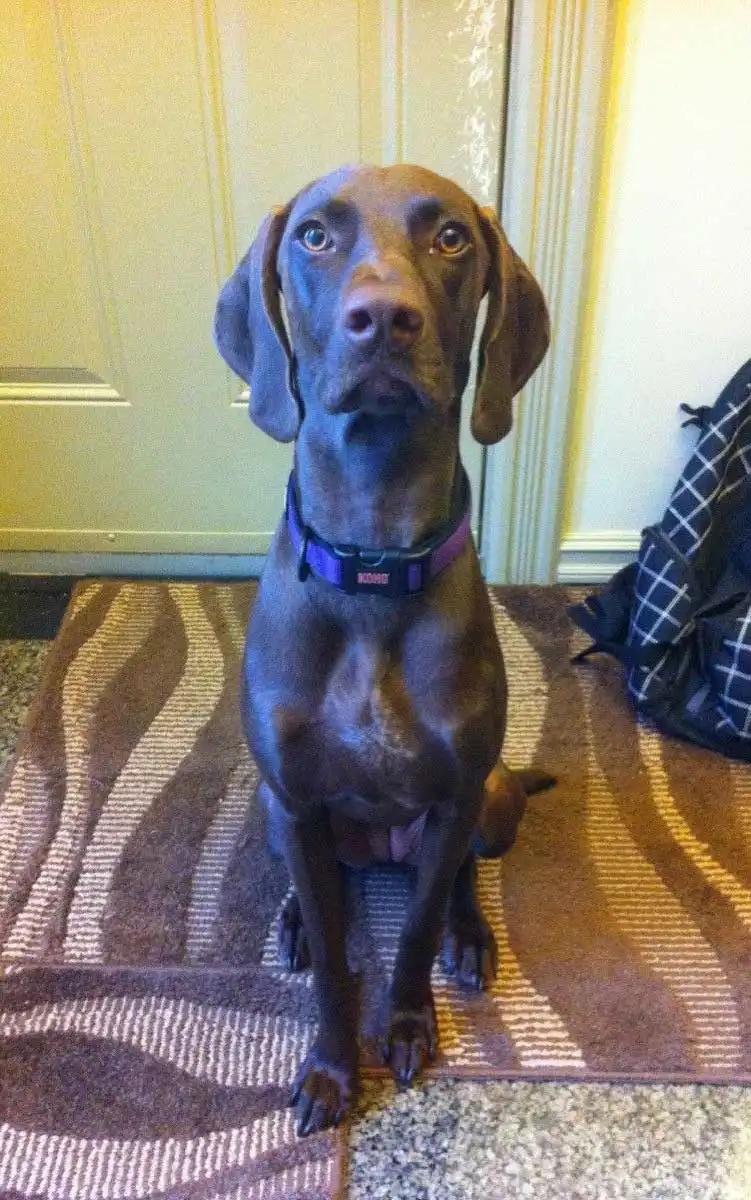
The German Shorthaired Weimaraner is a dynamic and spirited breed, recognized for its athleticism, playfulness, and keen alertness. This medium to large hybrid emerges from the combination of the German Shorthaired Pointer and the Weimaraner, both of which have a strong heritage in hunting and sporting activities. Renowned for their loyalty, these dogs are generally straightforward to train and flourish in active environments, especially with owners who have previous dog-handling experience. Their short, sleek coat is resistant to dirt, contributing to their low-maintenance nature, and they undoubtedly add a vibrant and delightful energy to any household.
Breed Origin
The Weimaraner has long been considered a "luxury dog." This elegant and refined breed was originally developed for hunting and tracking large game such as deer, bears, and wolves. It is thought to have originated in Germany, specifically at the Weimar court, during the 1800s. Its ancestry includes breeds like the Bloodhound (possibly the St. Hubert Hound), Pointers, and the German Hound. Known as the "grey ghost," this breed even made its home in the White House during President Eisenhower's time in office. Celebrated for its courage and impressive stamina, the Weimaraner was recognized by the American Kennel Club in 1943. In contrast, the German Shorthaired Pointer is a sturdy breed known for its keen sense of smell, remarkable athletic ability, and high intelligence. Primarily bred for hunting, tracking, and retrieving game, this agile dog is believed to have emerged in Germany in the 1800s through the crossbreeding of the Bloodhound, Spanish Pointer, and German Bird Dog. Once lauded for its skills in the field, it has also gained fame in dog shows, often clinching the title of Best in Show. The American Kennel Club officially recognized this breed in 1930, and it currently holds the 11th position in popularity among dog breeds.
Breed Appearance
A hybrid may take on more physical traits from one parent than the other; however, it generally features a short, sleek coat and broad, floppy ears with rounded tips. While the coat colors can vary, it is improbable that the hybrid will retain the solid grey color typical of the Weimaraner parent. Instead, the coat is more likely to exhibit patterns similar to those of the German Shorthaired Pointer, including roan, patched, or ticked designs. This hybrid will have a long, slender build, potentially reflecting the Weimaraner’s characteristic deep chest and tucked abdomen. Its legs will be long and sturdy. A notable characteristic will be the widely spaced eyes, which may come in shades such as light amber, blue-grey, or grey. The head will be elongated, and the muzzle will taper gently without being sharp.

Care Routine
Both parent breeds are recognized for their low-maintenance nature. The Weimaraner, in particular, boasts a coat that inherently repels dirt, allowing your hybrid to require just a weekly brushing with a slicker brush and an occasional wipe with a damp cloth. Baths should be reserved for when he gets especially dirty or rolls in something unpleasant outdoors. Given his floppy ears, it's crucial to regularly inspect them for dirt and moisture accumulation, as this can lead to infections; keeping them dry is vital. If he is active, his nails may not need frequent trimming since they will naturally wear down. However, it's essential to brush his teeth several times a week to prevent periodontal disease and ensure healthy gums.
Behavior & Temperament
The German Shorthaired Weimaraner is a mixed breed known for its trainability and affectionate nature, especially towards children and other animals. In outdoor settings, this dog demonstrates remarkable focus, alertness, and obedience. When at home, it becomes a loving companion, often curling up with family members like a large lap dog. This insightful breed is typically non-aggressive, barking primarily to notify you of unfamiliar faces. However, if left alone for long periods, it may resort to destructive behaviors due to boredom or separation anxiety. This lively and playful hybrid is best suited for active families who enjoy outdoor pursuits. Given their strength on a leash, they may not be the best choice for inexperienced owners. Additionally, the German Shorthaired Weimaraner thrives with consistent and strong leadership.


Play & Exercise
These hybrids are full of energy that needs to be channeled. They are not ideal for those who lead a sedentary lifestyle. This active breed requires at least 75 to 120 minutes of exercise daily. You can meet this need through activities such as long runs, hiking, and plenty of playtime with both their owners and other pets. If your hybrid exhibits more characteristics of a German Shorthaired Pointer, they will likely enjoy water and may seek out opportunities to swim in a pool or lake. Both parent breeds are recognized for their hunting and tracking skills, so your dog will love playing fetch with a stick or chasing a ball. Introducing them to agility or flyball can also be beneficial, as these activities are fantastic for expending excess energy. This breed is not well-suited for apartment living; a home with a secure yard is the most suitable environment for them.
Things to Know
Cups Per Day
3.0 Cups
Daily Activity
120 Minutes
Average Lifespan
14 Years
Origin
2000's
Type
Crossbreeds
Size
Large
Origin Country
Unknown
Brush Frequency
Weekly
Coat Texture
Straight
Register
Your kids have been begging for a pet forever, and you've recently decided that it's time for your family to get a new addition -- a dog! While everyone is excited for the new arrival, you're wondering if you need to have a dog license. How much does it cost? Is it required? Where do you get one?
Member Clubs

PETINNATE
Other
Height & Weight
Weight
78 lbs (35 kg)Male: 78 lbs (35 kg) , Female: 78 lbs (35 kg)
Height
24 inches (61 sm)Male: 25 inches (64 sm) , Female: 23 inches (58 sm)
Eye Colors
Blue

Hazel
Amber
Nose Colors
Black
Brown
Coat Colors
White
Black

Silver

Gray

Blue