Germanees
Shepnese, Shep Py
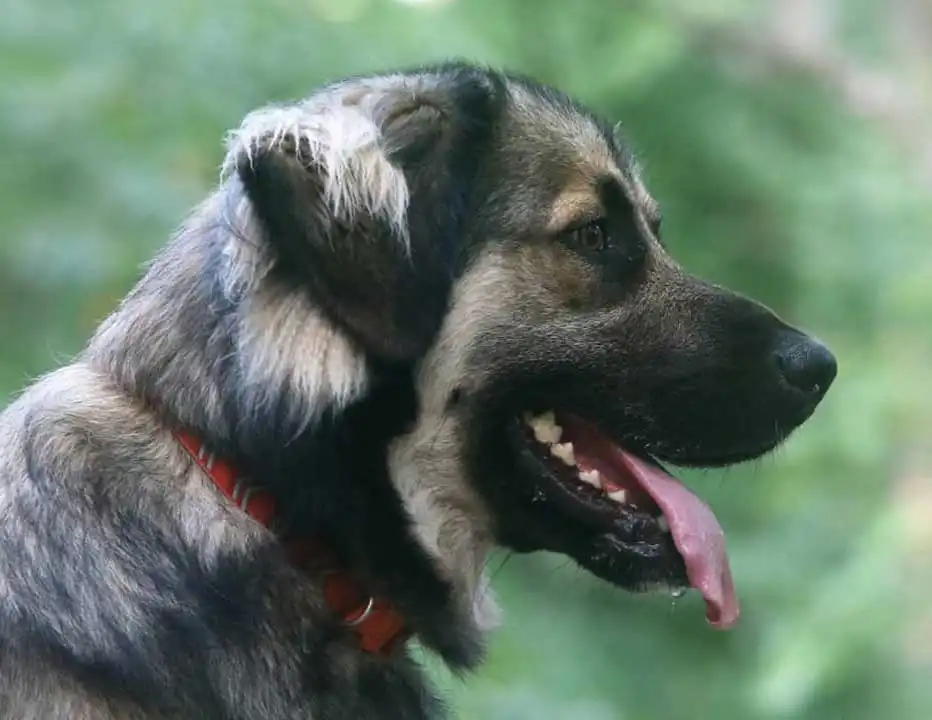
The Germanees is a designer dog breed that emerges from the combination of a German Shepherd and a Great Pyrenees. Given that both parent breeds are purebreds, the Germanees is recognized as a hybrid. Anticipate a large to giant-sized dog with a dense coat that ranges from medium to long in length. With a strong herding background, this breed is inherently curious, intelligent, and enthusiastic about being active. Renowned for their agility and effectiveness as guardians, these dogs possess a natural protective instinct. Their gentle nature and independent character make them wonderful companions.
Breed Origin
The German Shepherd Dog has its origins in 19th-century Germany, where it was initially bred for herding purposes. Renowned for their protective nature and sharp awareness, these dogs not only helped locate lost sheep but also safeguarded the flock from threats. In 1891, the Phylax Society was formed to establish breed standards; however, it faced challenges in deciding whether to prioritize the dog's working abilities or its physical traits, ultimately leading to its dissolution after just three years. In 1899, Captain Max von Stephanitz, a former member of the Phylax Society, attended a dog show and was taken by a dog named Hektor Linksrhein. Believing that the German Shepherd should emphasize working qualities, he saw Hektor as an exceptionally intelligent and strong dog, the result of meticulous breeding. Captain von Stephanitz acquired Hektor and renamed him Horand von Grafrath. He then established the Society for the German Shepherd Dog, with Horand becoming the first dog recorded in the society's registry. Horand was later bred with other German Shepherds that displayed desirable traits. The first German Shepherd Dog registered in the United States was Queen of Switzerland. By 1993, this breed had become the third most popular in the nation, and by 2017, it had climbed to the second most favored dog breed in the U.S. During World War I, a male German Shepherd named Etzel von Oeringen served as a police dog for the German Red Cross before being sold in the United States. He was bought by screenwriter Jane Murfin and renamed Strongheart, who went on to become the first major canine film star, appearing in movies like The Silent Call, Brawn of the North, and White Fang. The Great Pyrenees is thought to be an ancient breed that traces back to Central Asia or Siberia, migrating with shepherds and their flocks into the Pyrenees Mountains around 3000 B.C. Named after this mountain range, the breed is referred to in France as Le Chien des Pyrenees, which translates to "dog of the Pyrenees." These diligent and brave dogs played a crucial role in protecting sheep from predators, using their barking to alert shepherds to potential dangers. The breed arrived in North America in 1824, entering a kennel in Massachusetts where further breeding refined its noble characteristics. The American Kennel Club officially recognized the Great Pyrenees in 1933 as part of the Working Group.
Breed Appearance
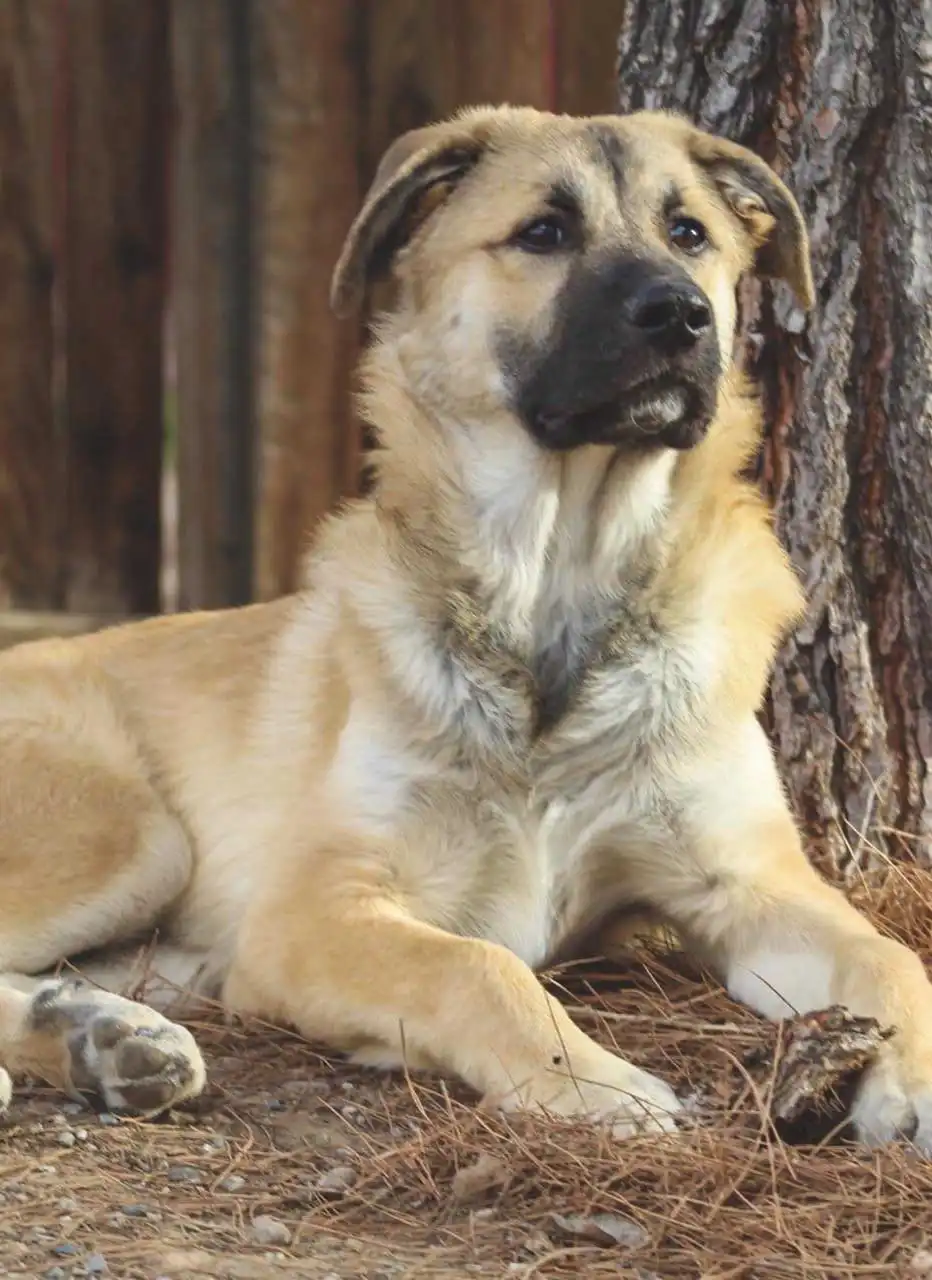
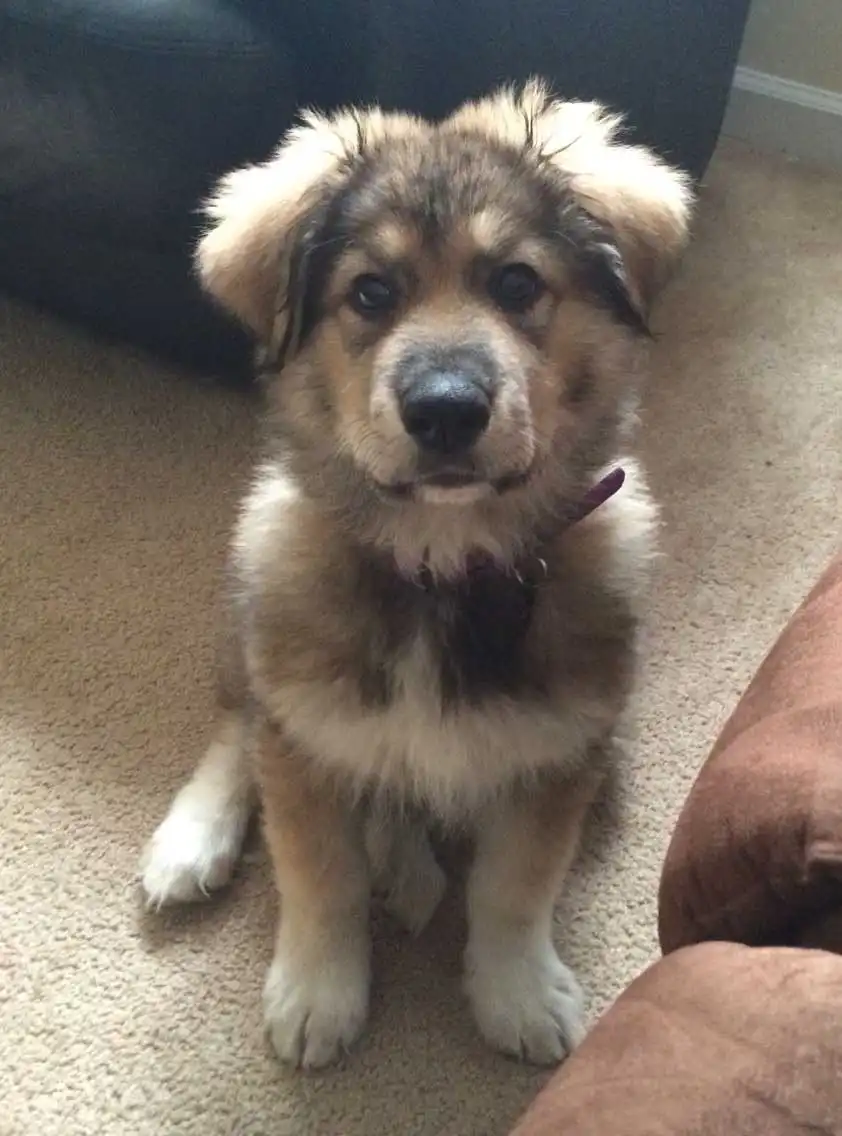
The Germanees is a distinctive breed known for its elongated form and thick coat, which can vary from medium to long and may provide some water resistance, reminiscent of its Great Pyrenees ancestry. This breed often showcases a mane-like ruff around its neck, with coat textures that can be wavy or curly, typically appearing in shades of black, white, or tan. With a strong and muscular physique, the Germanees inherits a long body from both of its parent breeds. Its ears may either stand upright or hang down, while its head is wedge-shaped and well-proportioned to its body, featuring a long, robust muzzle and dark brown, almond-shaped eyes. The rims of the eyes, along with the nose and lips, are generally black. The tail is bushy and plumed, usually held low. This breed conveys an expression of intelligence and a strong eagerness to learn.

Care Routine
If your Germanees has a thick coat, it's crucial to frequently check his ears, as the fur can hinder proper airflow. Accumulation of moisture or dirt can lead to infections. Given that Germanees shed quite a bit, daily brushing with a pin brush is advisable to prevent tangles and eliminate loose hair. During peak shedding seasons, using a deshedding tool can be especially beneficial. To improve your hybrid's comfort, consider trimming the excess fur around the eyes, ears, legs, and paws. While occasional baths may be needed, it's important to be mindful of his skin, as the German Shepherd lineage can be susceptible to skin problems. The nails of a Germanees are generally strong and resilient, but they should be regularly monitored for length and any signs of damage, particularly due to his active lifestyle. Additionally, brushing his teeth several times a week is recommended to support good dental health.
Behavior & Temperament
German Shepherds are recognized for their energetic demeanor, playful spirit, and remarkable intelligence. They often display protective instincts, courage, and a cautious attitude towards unfamiliar people, which can result in territorial tendencies with other dogs. This breed is highly motivated to please its owners and typically responds well to training. However, without proper guidance, they may become vocal and exhibit aggressive behavior. In general, German Shepherds are good companions for children, but early training and socialization are crucial for their growth. In contrast, the Great Pyrenees is known for its gentle nature, intelligence, loyalty, and kindness. This breed usually does not exhibit aggression towards other dogs and is recognized for its nurturing behavior towards other animals. Although they can be somewhat headstrong and may not be as easy to train, Great Pyrenees are generally good with children as well. They possess a protective instinct towards their families and are known to bark. Both breeds tend to mature at a slower pace, requiring consistent training and a patient approach. Your Germanees will flourish when given responsibilities, whether it involves guarding, protecting, or even herding the family cat.


Play & Exercise
Your Germanees is a strong contender for obedience and agility competitions. Although he can be a bit stubborn at times, his eagerness to try new activities usually overshadows this characteristic. Signing him up for classes or involving him in various pursuits will fulfill his need for engagement. Additionally, socializing at the dog park is advantageous for his development. Consistent training and active interaction with your dog are vital for helping him achieve his full potential. Daily walks are important, especially in cooler weather, while on hotter days, it's best to walk him during the cooler hours. A backyard is an excellent area for play, but make sure there’s plenty of shade and keep him company while he enjoys the outdoors.
Things to Know
Cups Per Day
3.0 Cups
Daily Activity
60 Minutes
Average Lifespan
12 Years
Origin
Unknown
Type
Crossbreeds
Size
Large
Origin Country
United States
Brush Frequency
Daily
Coat Texture
Straight
Register
Your kids have been begging for a pet forever, and you've recently decided that it's time for your family to get a new addition -- a dog! While everyone is excited for the new arrival, you're wondering if you need to have a dog license. How much does it cost? Is it required? Where do you get one?
Member Clubs
PETINNATE
Other
Height & Weight
Weight
98 lbs (44 kg)Male: 98 lbs (44 kg) , Female: 98 lbs (44 kg)
Height
27 inches (69 sm)Male: 28 inches (71 sm) , Female: 27 inches (69 sm)
Eye Colors
Brown
Nose Colors
Black
Coat Colors
Black
White
Fawn