Gran Mastin de Borinquen
Puerto Rican Mastiff, Mastín Borincano, Becerillo de Borinquen and Perro Barsino de Hacienda
The Gran Mastin de Borinquen, a breed native to Puerto Rico, has traditionally been used as a guard dog and has participated in blood sports. Believed to have originated in the 16th century, this ancient breed is a descendant of the Spanish Mastiff and various local canines. While their primary role has been protection, they have also been involved in dog fighting and hunting wild boar. Their tenacious character has made them a favored choice in Puerto Rico, but their sometimes unpredictable behavior may not be ideal for families with young children. Known for their loyalty, the Gran Mastin de Borinquen requires a strong and assertive owner to ensure they are properly managed.
Breed Origin
The Gran Mastin de Borinquen, commonly known as the Puerto Rican Mastiff, is the only dog breed native to Puerto Rico. Its origins are believed to date back to the 16th century, when Spanish Mastiffs were brought to the island by Spanish military forces. These Mastiffs were then crossbred with Latin American Molossers and later mixed with local Perros Jibaros, whose ancestry remains unclear. The result of these breeding practices was a large and imposing dog, often described as aggressive. Historically, this breed was used to intimidate Spanish colonists during the Spanish Encomendado period, with guards unleashing them on those who opposed the government. For many years, the Gran Mastin de Borinquen was a guardian for the Spanish elite, prized for its size and fierce nature. During the era of slavery in Puerto Rico, plantation owners employed these dogs to maintain control over enslaved people, leading to tragic events where many escaped slaves were tracked down and killed by them. This breed is notably versatile, thriving in both the cool, moist conditions of the rainforest and the hot, humid climates of the plains and valleys. While it was once easy to obtain a Gran Mastin de Borinquen, today the breed has become quite rare and is increasingly difficult to find. Although their turbulent history has led to a decline in numbers, enthusiasts of the breed understand that their fierce and aggressive behavior stems from a profound loyalty to their owners. In 1979, the Gran Mastin de Borinquen was officially recognized as a rare breed by the Sociedad Cynologica Caribena (SCC).
Breed Appearance
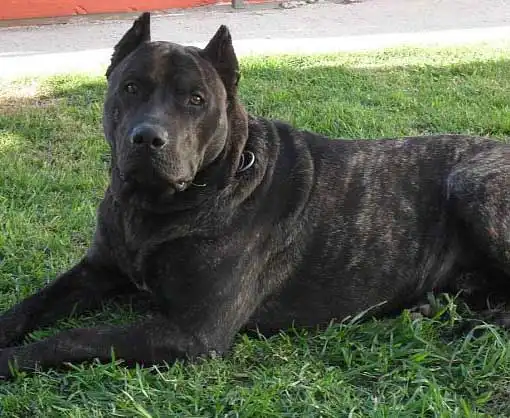
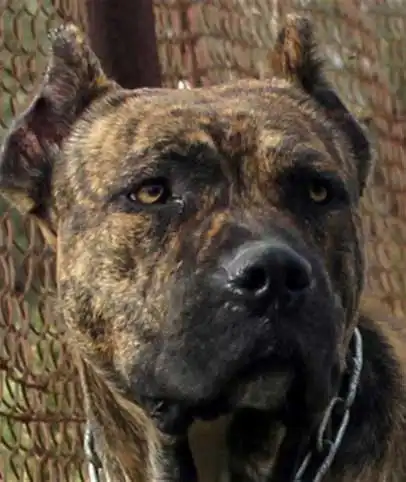
The Gran Mastin de Borinquen is a robust breed known for its solid build and distinctive head. While their physique is muscular and well-defined, it should not be excessively bulky, as they require agility to traverse various terrains. Typically, their ears hang down, although some owners opt to have them cropped. The head is broad and square, featuring a scissors bite. The muzzle is wider than the skull yet retains a certain narrowness, highlighted by a large black nose with open nostrils. Their dark brown eyes are relatively small, conveying a sense of intelligence and alertness. The coat of the Gran Mastin de Borinquen varies from short to medium length, characterized by a dense and coarse texture. They can be found in a range of colors, including fawn, black, brindle, or bone white, often adorned with small white markings on the head, legs, tail, or chest, though these markings should not be overly large.


Care Routine
The Gran Mastin de Borinquen is a breed that is relatively low-maintenance. To keep their coat in good condition, it’s essential to brush them at least once a week using a natural bristle brush, a soft slicker brush, or a hound glove. Initiating this grooming routine early on helps them become accustomed to being handled. Thankfully, this breed does not have a strong doggy odor, and they should not be bathed too often. Overbathing can cause skin issues, as harsh shampoos may strip away the natural oils from their coat and skin. When baths are necessary, choose a gentle shampoo or one formulated for sensitive skin. Additionally, it’s important to clean their ears weekly with alcohol wipes or cotton balls moistened with hydrogen peroxide, ensuring they are completely dried afterward. Regularly inspect their nails every few weeks and trim them as needed. As a mastiff-type breed, the Gran Mastin de Borinquen tends to drool, especially after eating or drinking, so it’s advisable to keep a drool rag handy for any spills.
Behavior & Temperament
The Gran Mastin de Borinquen is a loyal breed that forms a profound bond with its owner. This intense loyalty can sometimes manifest as overprotectiveness and aggression towards perceived threats. Historically, this breed has been associated with dog fighting and has served as a military companion, which makes them less suitable for just any household. They require ongoing training and a strong handler to ensure proper management. Typically, this breed does not get along well with other pets or even fellow dogs, and they should never be left unsupervised with other animals. Their temperament can be unpredictable, rendering them inappropriate for families with children or vulnerable adults. Furthermore, a sturdy, secure fence is crucial for keeping them safely contained outdoors, as they are not ideal for homes without such protections. These dogs may attack without warning if they feel their owner is threatened.


Play & Exercise
The Gran Mastin de Borinquen is a breed characterized by a moderate energy level; they are not overly energetic, but they are far from sluggish. To maintain their health, these dogs need several brisk walks each day. When walking a Gran Mastin de Borinquen, it’s crucial to use a sturdy leash and collar to ensure they remain under control. They generally do not socialize well with other dogs, so trips to dog parks are not recommended. Playing games in the backyard between walks is a great way to keep them active and happy. Furthermore, incorporating daily training sessions can enhance your relationship with them while also providing essential exercise.
Things to Know
Cups Per Day
3.0 Cups
Daily Activity
30 Minutes
Average Lifespan
11 Years
Origin
16th Century
Type
Pure Breeds
Size
Giant
Origin Country
Puerto Rico
Brush Frequency
Weekly
Coat Texture
Straight
Register
Your kids have been begging for a pet forever, and you've recently decided that it's time for your family to get a new addition -- a dog! While everyone is excited for the new arrival, you're wondering if you need to have a dog license. How much does it cost? Is it required? Where do you get one?
Member Clubs
PETINNATE
Other
Height & Weight
Weight
117 lbs (53 kg)Male: 125 lbs (57 kg) , Female: 110 lbs (50 kg)
Height
25 inches (64 sm)Male: 26 inches (66 sm) , Female: 24 inches (61 sm)
6 Months
52 lbs ( m 52 lbs, f 52 lbs )
17 inches ( m 17 inches, f 17 inches )
12 Months
85 lbs ( m 85 lbs, f 85 lbs )
21 inches ( m 21 inches, f 21 inches )
18 Months
100 lbs ( m 100 lbs, f 100 lbs )
23 inches ( m 23 inches, f 23 inches )
Eye Colors
Brown

Nose Colors
Black
Coat Colors
White
Brindle
Fawn
Black