Greater Swiss Rottweiler
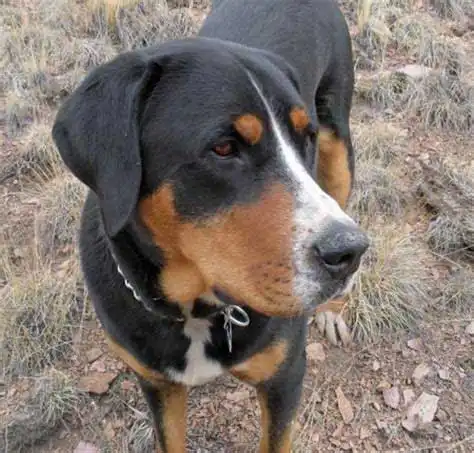
The Greater Swiss Rottweiler is recognized for its impressive size and lively disposition, showing a strong affection for its family members. This breed is both gentle and loyal, making it suitable for families with children, as long as clear boundaries are set for both the dog and the kids. Given its Rottweiler heritage, this hybrid may display territorial tendencies and can be somewhat stubborn at times. As an exceptional guard dog and devoted companion, it thrives when led by an owner who values consistent and effective leadership.
Breed Origin
The Greater Swiss Rottweiler is a relatively recent hybrid breed that lacks a detailed historical narrative. Nevertheless, the two breeds that form its ancestry each have rich and intriguing backgrounds. The Greater Swiss Mountain Dog is considered one of Switzerland's oldest breeds, with roots that can be traced back around 2,000 years. Several theories exist regarding the evolution of this affectionate and loyal breed, with the most widely accepted notion suggesting that it descends from Mastiff-like dogs brought to the Alps by Roman legions as companions. Known for their herding, guarding, and draft abilities, these dogs were once highly valued on Swiss farms. However, their practical use declined with the introduction of machinery that replaced traditional farming methods. In modern times, these diligent dogs have reclaimed their roles as guardians, watchdogs, and participants in agility and obedience competitions. The Rottweiler's lineage is often traced back to around 74 AD, when Roman soldiers from the 11th Legion settled in the Wurttemberg area of Germany. There, they crossbred German Shepherds with the Roman drover dogs or Mastiffs they had brought with them, aiming to produce a strong and large dog capable of safeguarding their camp and herding large bulls. The region became known as “das Rote Wil,” named after the red roof tiles of local villas, which eventually transformed into Rottweil, the source of the breed's name. By the mid-19th century, the rise of railways led to the end of cattle driving, resulting in donkeys becoming the primary draft animals and a decline in the Rottweiler's popularity. However, butchers began to employ these dogs to pull meat carts, earning them the nickname “Rottweiler metzgerhund,” or Rottweiler butcher dog. In the 1900s, Rottweilers took on roles as police dogs and served during World War I. The breed received official recognition from the American Kennel Club in 1931.
Breed Appearance
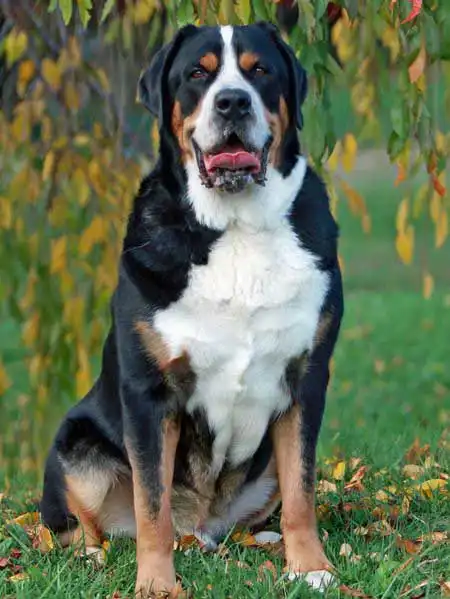
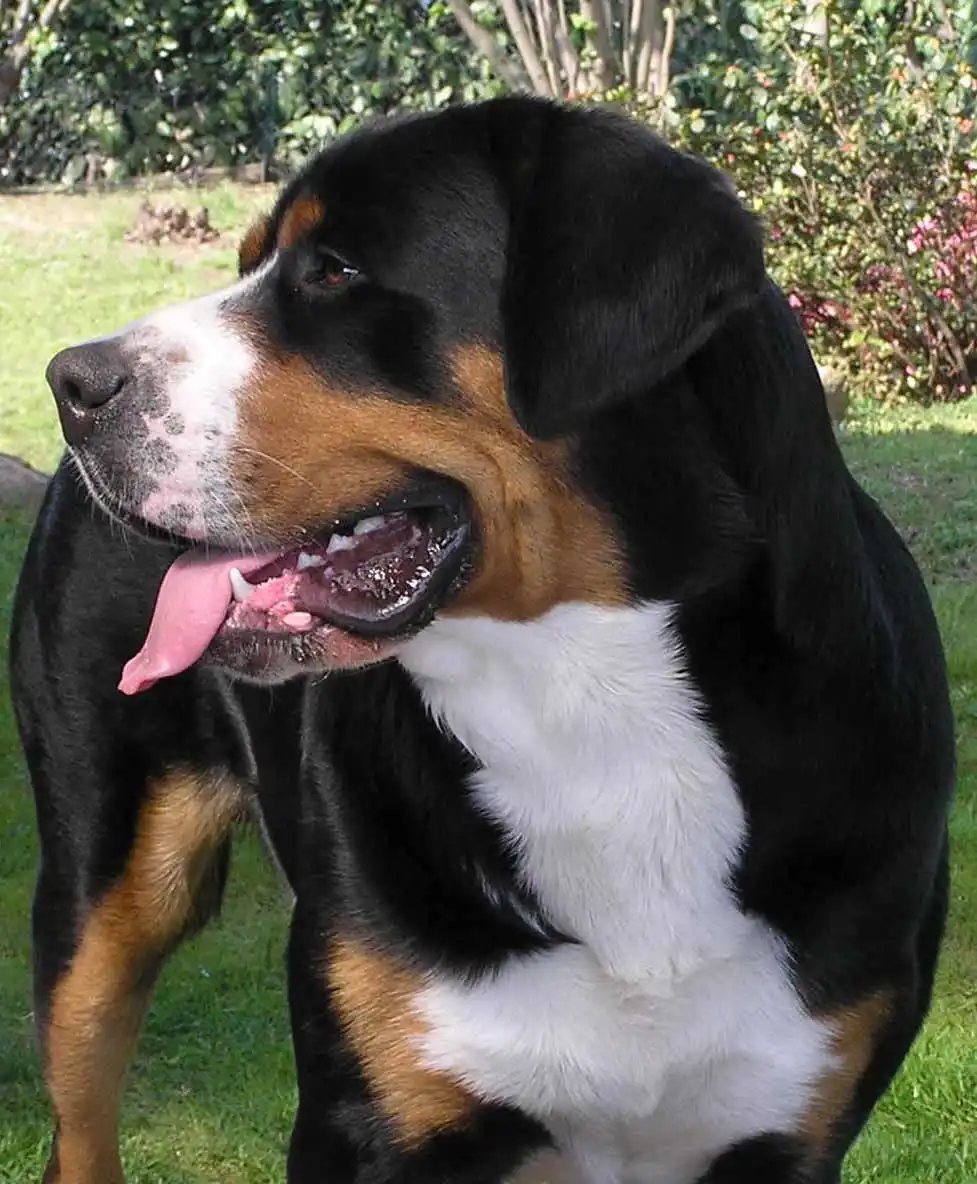
The Greater Swiss Mountain Dog and the Rottweiler both have impressively large heads, marked by short muzzles and broad skulls, which lend a sturdy look to their hybrid offspring. These hybrids boast expressive, round eyes that can range in color from brown to hazel or amber. Their ears, which droop on either side of the face, are situated around the midsection, although the ears inherited from the Greater Swiss Mountain Dog parent are generally a bit longer. The nose is black with flared nostrils, enhancing the dog's unique appearance. Typically, this hybrid has a thick neck and a strong, muscular build. While their legs are not overly long, they are undeniably powerful, and the large, round paws come with black nails.
Care Routine
Caring for your Greater Swiss Rottweiler is a relatively simple endeavor, primarily requiring weekly brushing with a pin brush to keep his coat shiny and free of tangles. Regular baths are usually not needed unless his curious nature leads him to explore and roll in something unpleasant. Since his nails grow quickly and are quite robust, it's recommended to trim them every two to three weeks to make the task easier. Furthermore, maintaining dental health is an essential aspect of his grooming; brushing his teeth three times a week can help avert unexpected and expensive dental problems. By instilling these grooming habits early, your hybrid will become familiar with the process, resulting in a more pleasant experience for both of you.
Behavior & Temperament
The Greater Swiss Rottweiler is known for its delightful temperament, marked by a playful, relaxed, and loving disposition. This breed exhibits both bravery and confidence, naturally stepping into the role of a guardian for its home. While he may bark occasionally, it is usually just to notify you of visitors or any unusual activity around the property. It is vital for him to have a strong leader—ideally, that should be you—because without proper guidance, he may hesitate to follow commands. Nevertheless, he is extremely affectionate and tends to stay close to you wherever you go. To help him feel comfortable in different environments, early and consistent socialization is essential, especially with other dogs and children. Thankfully, he is quite intelligent and responds positively to training.
Play & Exercise
The Greater Swiss Rottweiler needs a minimum of one hour of daily exercise. This breed is exceptionally athletic and has a lot of stamina, so engaging him with various tasks is essential to keep him mentally stimulated. He particularly enjoys activities such as pulling a wagon loaded with groceries, which not only helps him burn off energy but also allows him to relax in the evenings. This dog flourishes when both his physical and mental faculties are exercised; consider signing him up for obedience classes, flyball, or agility training to maintain his enthusiasm. Living in an apartment is not ideal for him; he requires a large, open yard where he can run and play frequently. Ideally, this yard should be enclosed with a fence, and all walks should be on a leash. Although he is generally well-behaved, his bold and adventurous nature may lead him to explore on his own.
Things to Know
Cups Per Day
3.0 Cups
Daily Activity
60 Minutes
Average Lifespan
9 Years
Origin
Unknown
Type
Crossbreeds
Size
Giant
Origin Country
Unknown
Brush Frequency
Weekly
Coat Texture
Straight
Register
Your kids have been begging for a pet forever, and you've recently decided that it's time for your family to get a new addition -- a dog! While everyone is excited for the new arrival, you're wondering if you need to have a dog license. How much does it cost? Is it required? Where do you get one?
Member Clubs
PETINNATE
Other
Height & Weight
Weight
110 lbs (50 kg)Male: 110 lbs (50 kg) , Female: 110 lbs (50 kg)
Height
26 inches (66 sm)Male: 26 inches (66 sm) , Female: 26 inches (66 sm)
Eye Colors
Hazel
Brown
Amber
Nose Colors
Black
Coat Colors
Black
White
Brown