Hava-Apso
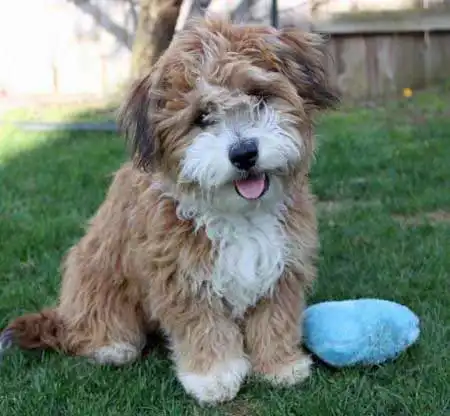
The Hava-Apso is an endearing small breed created by crossing the Havanese with the Lhasa Apso. Although they are a relatively new breed, they have swiftly earned a reputation as joyful, friendly, and playful companions, thriving in households with children and other pets, including cats. Typically, these dogs weigh around 12 pounds and stand approximately 10 inches tall, boasting long, silky fur that comes in a range of colors. Developed in the United States in the 2000s primarily as a lap dog, Hava-Apsos are recognized for their intelligence and quick learning abilities. However, their occasional stubbornness may necessitate professional training for owners who may not have the time or patience for extensive guidance.
Breed Origin
The Havanese breed has its origins in Cuba during the 1700s, where it was intentionally bred as a companion lap dog. This toy breed is believed to be related to the Bichon Frise, Bolognese, and Coton de Tulear. Named after Havana, the capital city of Cuba, the breed quickly became popular in the region. Historical accounts suggest that Spanish settlers introduced these dogs to Cuba after discovering them in the Mediterranean, hinting at a possible lineage to the now-extinct Blanquito de le Habana and Bichon Tererife, both of which appeared on shipping records from Spain in the 18th century. In 1959, some Havanese dogs arrived in the United States, likely brought by Cuban refugees fleeing the Cuban Revolution. The Havanese Club of America was founded in 1979 and currently has around 400 members. The breed received recognition from the American Kennel Club in 1996 and is now ranked as the 23rd most popular dog breed in the nation. Conversely, the Lhasa Apso originates from Tibet, where it was bred by Buddhist monks to act as guardians in monasteries and temples in ancient times. Some theories propose that this breed descends from Tibetan Terriers, and DNA studies suggest a connection to wolf-like ancestors. In 1933, the Dalai Lama presented several Lhasa Apsos to the Cutting family in New Jersey, which helped boost the breed's popularity. The American Kennel Club officially recognized the breed in 1935, and it currently ranks as the 71st most popular dog breed in the United States.
Breed Appearance
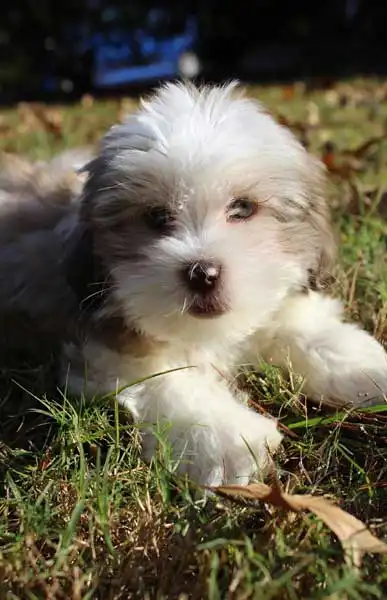
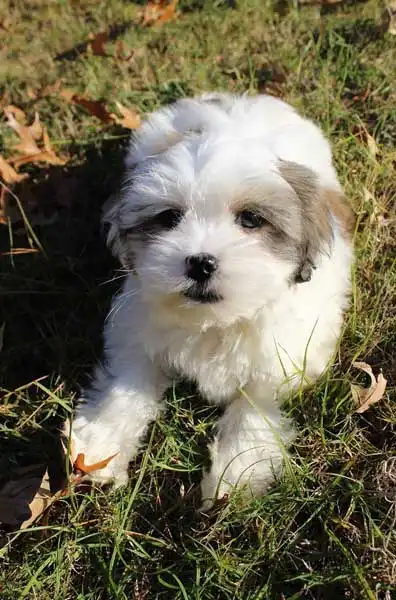
This breed is a small dog, generally measuring between 9 and 12 inches in height and weighing approximately 10 to 15 pounds. Their striking dark brown eyes convey a sense of intelligence and a playful spirit, contributing to a youthful look that endures throughout their lives. They feature a small black nose and a short, broad muzzle, which can sometimes result in brachycephalic syndrome. Their long, straight, and silky coat is dense and comes in a variety of colors, such as black, gray, brown, red, cream, fawn, blue, white, pied, and brindle. With a sturdy and compact build, their tail is gracefully arched over their back, resembling a plume.

Care Routine
Your Hava-Apso has a grooming requirement that is moderate in nature. It is recommended to brush their coat three to four times weekly with a pin brush and a metal comb. Unlike many other breeds, they have minimal shedding, which makes them a suitable hypoallergenic choice; however, during shedding season, daily brushing is advisable to keep loose hair under control. Only bathe your dog when absolutely necessary, and choose a gentle dog shampoo and conditioner recommended by your veterinarian, as frequent baths can result in dry skin. Additionally, trim their nails as needed, clean their ears weekly using a soft cloth or cotton ball, and brush their teeth once a week.
Behavior & Temperament
The Hava-Apso is an exuberant breed known for its playful nature, maintaining a youthful spirit well into adulthood. Although training them can be a bit of a challenge, using patience and positive reinforcement techniques can effectively promote desirable behaviors. Housebreaking may also present some obstacles, prompting some owners to consider professional training or the use of indoor puppy pads. These lively little dogs are quite fearless, often standing up to much larger animals if they sense a threat to their family. On a positive note, they generally enjoy the company of children and other pets, and they tend to interact well with other dogs at the park, assuming they have received adequate socialization.


Play & Exercise
This breed can be quite sluggish, so you may need to encourage her to participate in physical activities. As a small dog, they are susceptible to weight gain without sufficient exercise, necessitating at least 30 to 45 minutes of vigorous activity daily. To keep boredom at bay and prevent obesity, it's advantageous to take your Hava Apso for brisk walks or jogs twice a day, or to engage in a longer game of fetch. Furthermore, your dog might appreciate trips to a dog park for socialization with other dogs or exploring local hiking trails.
Things to Know
Cups Per Day
2.0 Cups
Daily Activity
45 Minutes
Average Lifespan
13 Years
Origin
2000s
Type
Crossbreeds
Size
Small
Origin Country
United States
Brush Frequency
Daily
Coat Texture
Straight
Register
Your kids have been begging for a pet forever, and you've recently decided that it's time for your family to get a new addition -- a dog! While everyone is excited for the new arrival, you're wondering if you need to have a dog license. How much does it cost? Is it required? Where do you get one?
Member Clubs

PETINNATE
Other
Height & Weight
Weight
12 lbs (5 kg)Male: 13 lbs (6 kg) , Female: 12 lbs (5 kg)
Height
11 inches (28 sm)Male: 11 inches (28 sm) , Female: 10 inches (25 sm)
Eye Colors
Brown

Nose Colors
Black
Coat Colors
Brindle
Pied

White

Blue

Black

Gray

Brown
Red
Cream

Fawn