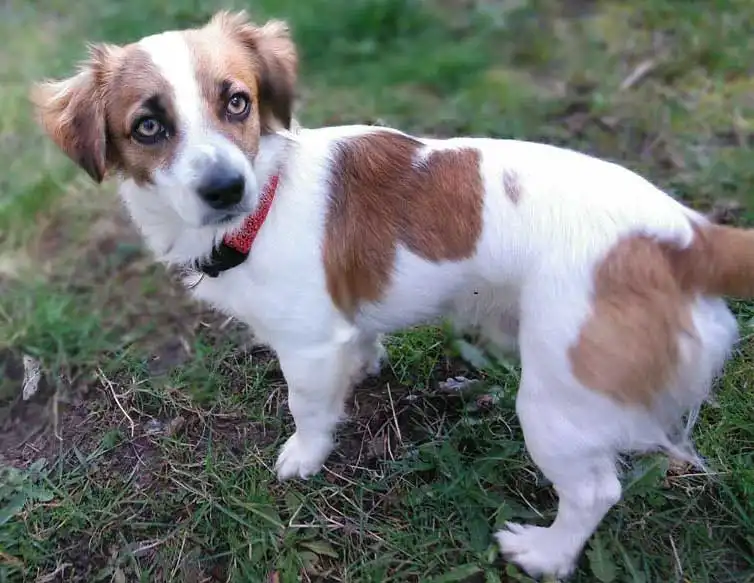
Hava-Jack
The Hava-Jack is a hybrid dog breed that results from crossing a Havanese with a Jack Russell Terrier. These small dogs usually weigh up to 17 pounds and reach a height of about 14 inches. Their physical appearance often showcases a blend of characteristics and colors from both parent breeds, which can include hues like white, black, black and tan, sable, and grey. Jack Russells are commonly found in combinations of tan and white, black and white, or a tricolor mix of black, tan, and white. Their fur can vary in texture, being smooth, rough, or a combination known as broken. On the other hand, Havanese dogs are recognized for their long, thick, and silky coats, which can be straight or curly. While both breeds tend to be friendly with children, training them can demand a fair amount of patience, especially given the energetic disposition of the Jack Russell.
Breed Origin
The Hava-Jack is a hybrid breed that emerges from the combination of a Havanese and a Jack Russell Terrier. The Havanese, celebrated as the national dog of Cuba, was initially bred to be a companion, admired for its beautiful long coat and delightful demeanor. It is believed that these dogs made their way to Cuba aboard ships from Tenerife, quickly endearing themselves to early settlers who adopted them as family pets. European travelers who encountered the breed also took a liking to them, bringing some back to England, Spain, and France as the breed gained popularity in the mid-1800s. Even royalty was captivated by the Havanese; Queen Victoria reportedly had two, and Charles Dickens owned a Havanese named Tim. Sadly, the breed faced a severe decline during the Cuban Revolution in 1959, as many people fled the country, leaving their pets behind. Only a handful of these dogs reached the United States. Fortunately, the Havanese has since regained its popularity and was officially recognized by the American Kennel Club in 1996. In contrast, the Jack Russell Terrier is named after Reverend John Russell, who developed this energetic breed for fox hunting in the mid-to-late 1800s. His breeding efforts began with a female terrier named Trump, acquired from a local milkman, with the aim of producing a dog capable of enduring the rigors of hunting. In England, the longer-legged variant is known as the Parson Jack Russell Terrier, while the shorter-legged type is simply referred to as the Jack Russell Terrier. These dogs are recognized for their intelligence and fearless disposition, brimming with energy. They are highly sought after by horse owners and animal trainers, although their training can be quite challenging due to their propensity to become easily distracted. The American Kennel Club officially recognized the Parson Russell Terrier in 1997.
Breed Appearance
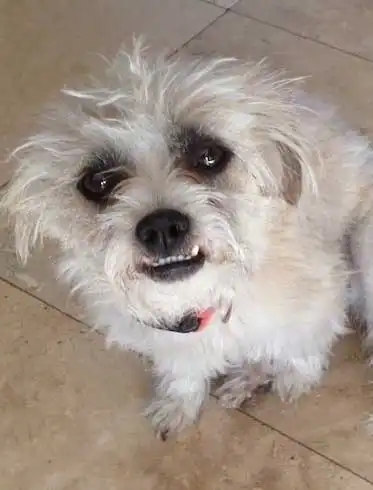
Hava-Jack dogs are small canines, and their appearance can vary significantly depending on which parent breed they take after more. Their coat colors generally range from white, black, and grey to combinations like black and tan or sable. Jack Russells may display a tri-color pattern and are available in three coat types: smooth, rough, and broken, the latter being a blend of the first two. On the other hand, Havanese dogs are known for their long, luxurious coats, which can be either straight or curly. Jack Russells are sturdy and well-proportioned, characterized by their bright, dark almond-shaped eyes and small, triangular ears that lean forward. In contrast, Havanese dogs have dark brown, almond-shaped eyes that often appear moist, resulting in noticeable tear stains. They are also robust, with tails that curve over their backs and ears that droop and fold gracefully. A Hava-Jack is sure to have an endearing face, complete with a charming smile.

Care Routine
The Havanese breed is often regarded as hypoallergenic, in contrast to the Jack Russell, meaning that the degree of allergy-friendliness will primarily depend on which parent breed your dog takes after. While Jack Russells are typically easy to care for, they do need consistent brushing due to their significant shedding, which helps remove dead hair. Conversely, if your dog leans more towards the Havanese traits, you will need to dedicate more time to grooming, as their coat requires daily brushing and occasional trimming. It’s also important to brush your dog’s teeth regularly to prevent dental issues. Make it a habit to check their ears for dirt and clean them gently with a damp cotton ball. Lastly, remember to assess their nails to see if they require trimming.
Behavior & Temperament
Hava-Jacks are known for their affectionate and loving nature, making them wonderful companions for families, much like their parent breeds. They typically get along well with children and most dogs, although Jack Russell Terriers may show some aggression towards other canines; however, this behavior can often be reduced through early socialization. The Havanese, despite its small size, is quite lively and tends to stay close to its owner. They do not enjoy being left alone for long periods and may suffer from separation anxiety, so having someone around most of the time is advantageous. Similarly, Jack Russells are energetic dogs that love to dig, requiring ample exercise and mental engagement. Their vibrant personalities can make training a bit of a challenge, but their intelligence and playful demeanor are evident. Both parent breeds possess a strong prey drive, which means they should be walked on a leash. While they are generally friendly with strangers, the Havanese is more suited for apartment living than the Jack Russell. Your Hava-Jack will thrive under your guidance, eagerly following you wherever you venture.
Play & Exercise
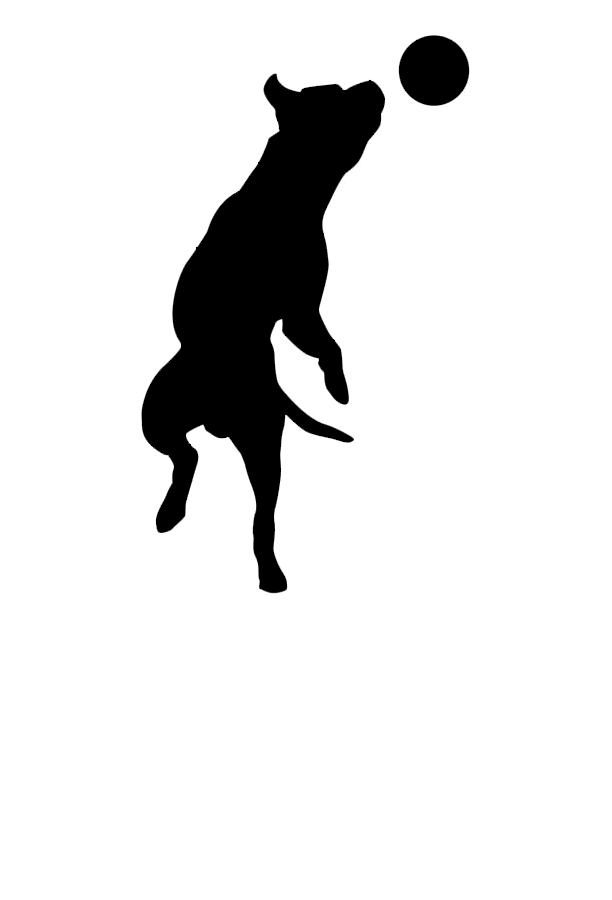
The exercise requirements for your Hava-Jack will primarily hinge on which parent breed it takes after more closely, especially considering that Jack Russell Terriers have a high need for physical activity. These dogs flourish with interactive pursuits like performing tricks, playing ball, and engaging in frisbee, showcasing their high energy levels. A lack of adequate exercise may result in your Hava-Jack developing negative behaviors, such as digging or excessive barking. Likewise, the Havanese also requires plenty of exercise and enjoys participating in canine sports, including agility, flyball, and obedience training. Ideally, your Hava-Jack should reside indoors and have access to a securely fenced yard for safe play, ensuring it cannot escape by jumping over or digging under the fence. Furthermore, both parent breeds are sensitive to cold temperatures, so it’s crucial not to leave your hybrid outside when the weather turns chilly.
Things to Know
Cups Per Day
1.0 Cups
Daily Activity
45 Minutes
Average Lifespan
14 Years
Origin
Unknown
Type
Crossbreeds
Size
Small
Origin Country
United States
Brush Frequency
Daily
Coat Texture
Straight
Register
Your kids have been begging for a pet forever, and you've recently decided that it's time for your family to get a new addition -- a dog! While everyone is excited for the new arrival, you're wondering if you need to have a dog license. How much does it cost? Is it required? Where do you get one?
Member Clubs

PETINNATE
Other
Height & Weight
Weight
13 lbs (6 kg)Male: 13 lbs (6 kg) , Female: 12 lbs (5 kg)
Height
11 inches (28 sm)Male: 12 inches (30 sm) , Female: 11 inches (28 sm)
Eye Colors
Brown

Nose Colors
Black
Coat Colors
White
Black

Sable

Gray