Havachin
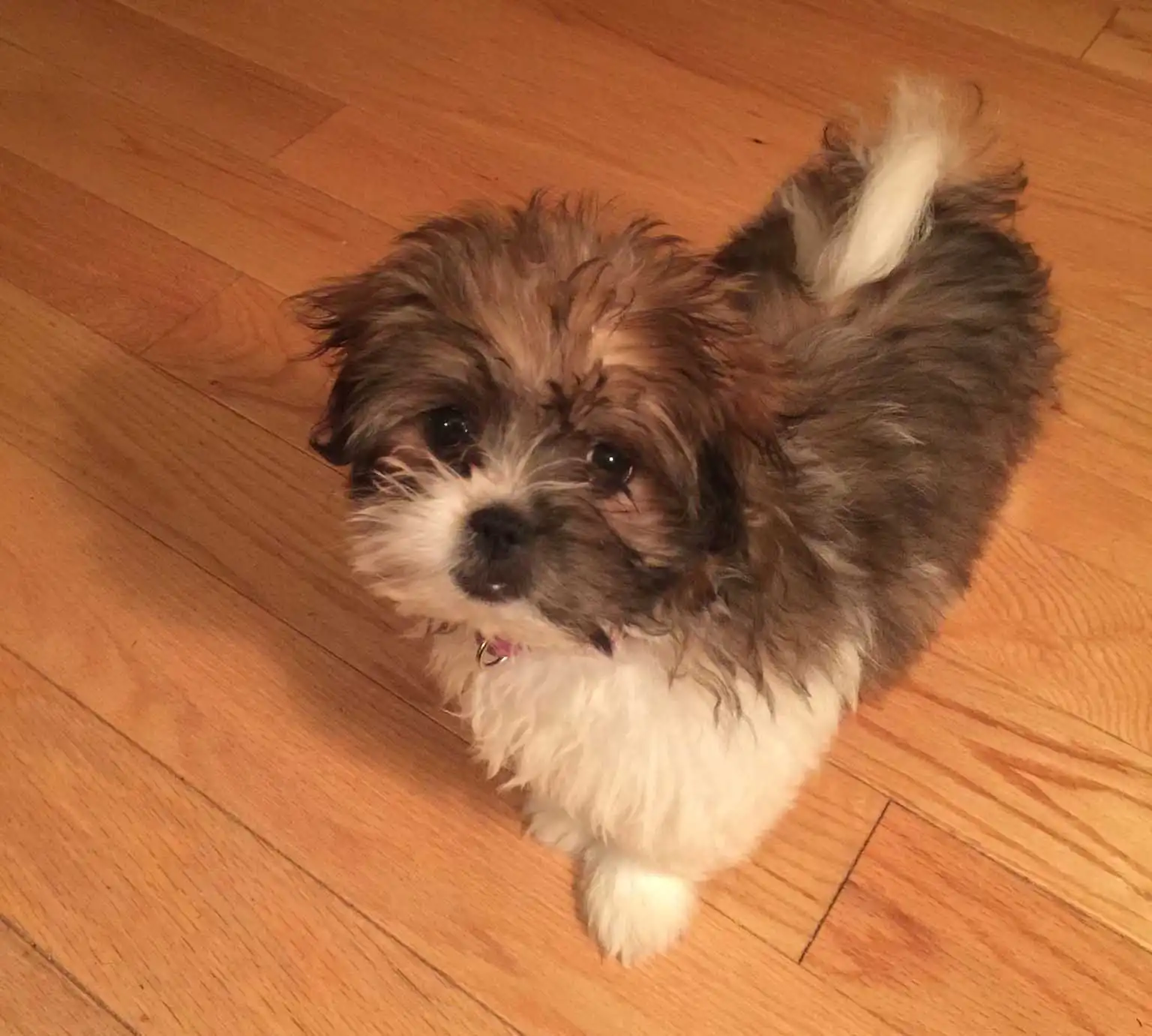
The Havachin is a mixed breed that emerges from the combination of a Japanese Chin and a Havanese, showcasing characteristics and appearances from both parent breeds. Common color variations include black, white, black and tan, sable, grey, and red. Both breeds possess silky coats that tend to be relatively long, necessitating regular grooming. The Japanese Chin is distinguished by the feathering on its ears and legs, while the Havanese can have either straight or curly fur, which requires daily brushing if kept long to prevent tangles. Japanese Chins are friendly little companions that flourish with family engagement, but their small stature may make them less suitable for homes with very young children. On the other hand, Havanese dogs are celebrated for their loving disposition, getting along well with kids and other pets. They are not fond of being left alone and can experience separation anxiety, making them a great choice for those who spend considerable time at home.
Breed Origin
The Havachin is a hybrid breed created by crossing a Havanese with a Japanese Chin. The Havanese, while relatively new to the American Kennel Club, boasts a rich heritage that traces back to the Spanish Empire. It is believed that this breed evolved from the now-extinct Blanquito de la Habana, or "little white dog of Havana," which arrived in Cuba with early colonists on ships. As part of the Bichon family, the Havanese shares its ancestry with breeds like the Bichon Frise, Coton de Tulear, Bolognese, and Maltese. These small, sturdy dogs were beloved companions of Spanish colonists in Cuba and later gained favor in Europe, especially among the aristocracy. Queen Victoria was particularly fond of the breed, owning two herself. Sadly, the Havanese came close to extinction in Cuba during the late 1950s due to the Revolution, but it has since been recognized as Cuba's national dog and has found a devoted following in the United States. The Japanese Chin, also known as the Japanese Spaniel, Japanese Pug, or simply Chin, was originally bred to be a companion for royalty. This breed remained relatively obscure until 1853, when the Emperor of Japan presented one to American naval officer Commodore Matthew Perry during his visit to Uraga Harbor, near modern-day Tokyo, which marked Japan's entry into international trade. Following this introduction, the Japanese Chin quickly gained popularity in both Britain and the United States, receiving official recognition from the American Kennel Club in 1888.
Breed Appearance
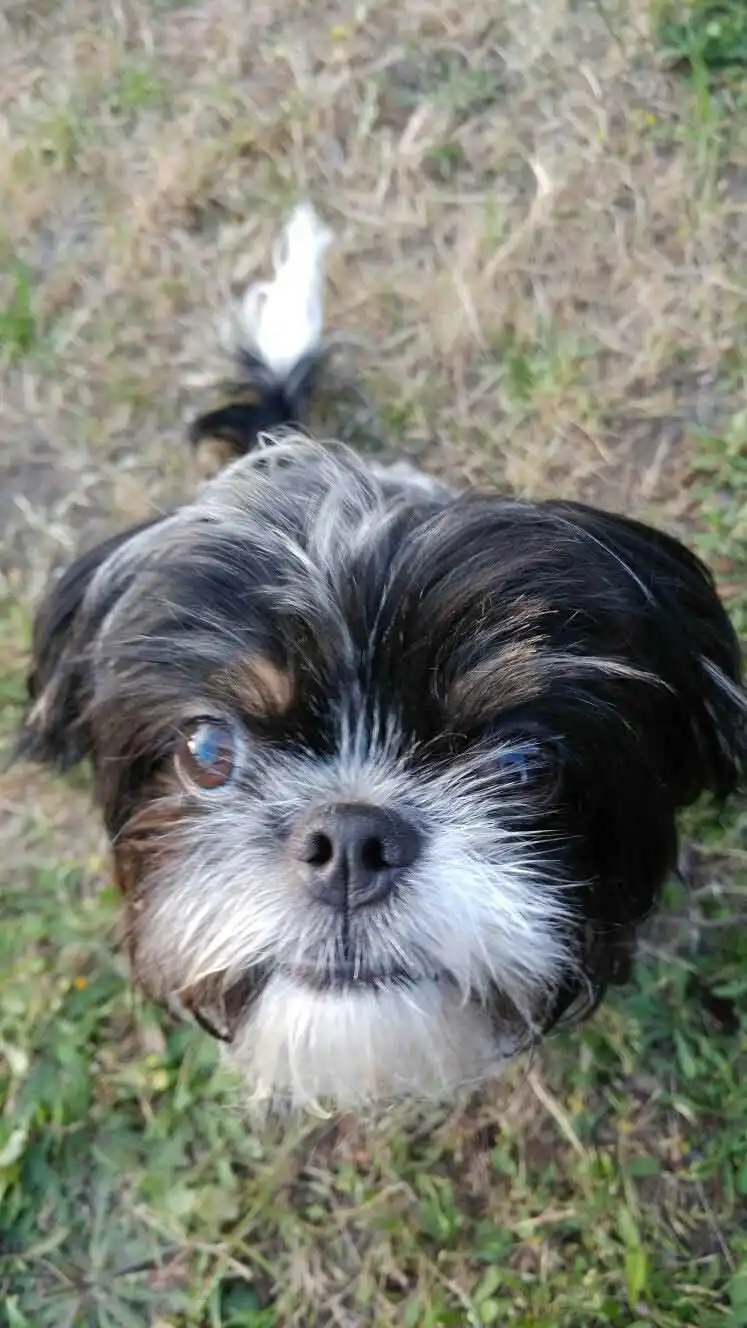
The Havachin is a delightful blend of the Japanese Chin and the Havanese, both recognized as toy breeds. This enchanting hybrid often displays a range of colors, such as black, white, black and tan, sable, grey, and red. Both parent breeds are celebrated for their silky, often long coats that typically need regular grooming, though some may have a slight wave. In a litter, you may encounter puppies with feathered ears and legs, distinguished by their flat faces and large, widely spaced eyes. Their tails elegantly curl over their backs. With their playful nature and charming expressions, Havachins are sure to bring happiness and warmth to any home.

Care Routine
The Havanese breed is known for being hypoallergenic, unlike the Japanese Chin, so the traits your Havachin inherits will depend on which parent it takes after more. The Japanese Chin is fairly easy to care for; a weekly brushing is usually enough, and they don’t need regular haircuts. They also keep themselves clean by grooming like cats, which means they don’t require frequent baths. Conversely, if your pet resembles the Havanese more, you’ll need to put in extra effort for grooming, as their coat requires daily brushing and occasional trims. It’s also recommended to brush your dog’s teeth every day to prevent dental issues and to routinely check their ears for dirt. If you notice any buildup, gently clean them with a damp cotton ball. Lastly, monitor their nails to see if they need trimming; neglecting this can lead to painful breaks, so it’s crucial to stay proactive in this area of pet care.
Behavior & Temperament
Both parent breeds are known for their cheerful and sociable nature, making them wonderful companions for families, especially those with older children. You can anticipate that your pet will be affectionate and intelligent, and training should be fairly easy, particularly when employing positive reinforcement and generous praise. However, both breeds may suffer from separation anxiety if left alone for long periods, so it’s best if someone is around to keep them company most of the time. The Havanese tends to be friendly with strangers and other dogs, while the Japanese Chin might show some shyness in the presence of new people. These breeds are quite sensitive and can adapt easily to their surroundings. They also exhibit some behaviors reminiscent of cats, such as climbing and self-grooming. Your Havachin is likely to be quite energetic for a small dog, often following you closely like a little shadow. Be prepared for a pet that is both entertaining and eager to please you.


Play & Exercise
Your Havachin doesn't need a lot of exercise to be happy and healthy, but the specific amount can differ based on which parent breed it takes after. Both parent breeds are lively but don’t require excessive physical activity to stay satisfied and in shape. They enjoy daily walks and playtime, whether inside or outside. This breed is perfect for those who lead a more relaxed lifestyle and spend considerable time at home for companionship. Although the Havachin can thrive in an apartment setting, it's crucial to ensure they get daily exercise. Always remember to dress your Havachin suitably for cold weather and provide ample water and shade during hotter days.
Things to Know
Cups Per Day
1.0 Cups
Daily Activity
30 Minutes
Average Lifespan
13 Years
Origin
Unknown
Type
Crossbreeds
Size
Small
Origin Country
United States
Brush Frequency
Weekly
Coat Texture
Curly
Register
Your kids have been begging for a pet forever, and you've recently decided that it's time for your family to get a new addition -- a dog! While everyone is excited for the new arrival, you're wondering if you need to have a dog license. How much does it cost? Is it required? Where do you get one?
Member Clubs

PETINNATE
Other
Height & Weight
Weight
9 lbs (4 kg)Male: 10 lbs (5 kg) , Female: 9 lbs (4 kg)
Height
9 inches (23 sm)Male: 10 inches (25 sm) , Female: 9 inches (23 sm)
Eye Colors
Brown

Nose Colors
Black
Coat Colors
Black
White
Sable
Gray
Red