Havashire
Yorkenese Terrier
The Havashire is a lively and delightful small breed known for its protective nature. At first, she may appear aloof around strangers, but she quickly becomes affectionate once she feels her family is safe. This breed is full of love and joy, yet her strong-willed character can pose challenges during training. In such instances, maintaining patience and consistency is crucial, and employing praise and rewards can ease any training hurdles. The Havashire thrives on companionship and can become unhappy if left out of family activities or isolated. If you cannot commit to a dog that craves your presence, this breed might not be suitable for you. They seek your attention and enjoy being spoiled, and in exchange, they provide steadfast loyalty and devotion.
Breed Origin
The Havashire breed currently lacks a detailed performance history, but we can glean valuable information by looking at its parent breeds: the Yorkshire Terrier and the Havanese. The Havanese was introduced to Cuba in 1492 by Spanish settlers who brought their small dogs along. These dogs intermingled with local breeds, gradually evolving into the Havanese we know today. By the early 1800s, the breed had become highly sought after among Cuba's elite, serving as a status symbol. Its appeal soon spread to the European aristocracy, resulting in its widespread popularity across the continent. However, by the late 1800s, the breed faced a dramatic decline, nearly disappearing from both Cuba and Europe. After the 1952 Revolution, many Cubans emigrated to the United States, bringing some of the remaining Havanese with them, which has allowed the breed to gradually recover over the years. Conversely, the Yorkshire Terrier is characterized by its noble and confident presence, with origins rooted in its role as a rodent control dog in English mills. True to its terrier heritage, it is agile, determined, and exceptionally adept at its job. The breed was developed through selective breeding in the mid-19th century by Scottish workers who had moved to Yorkshire with their Paisley Terriers, also known as Clydesdale Terriers. The Yorkshire Terrier was first officially recognized at a dog show in 1861, taking its name from the region where it was bred. These intelligent and adventurous dogs are known for their playful nature and mischievous tendencies. Affectionate and cuddly, they make for delightful companions, providing endless amusement.
Breed Appearance
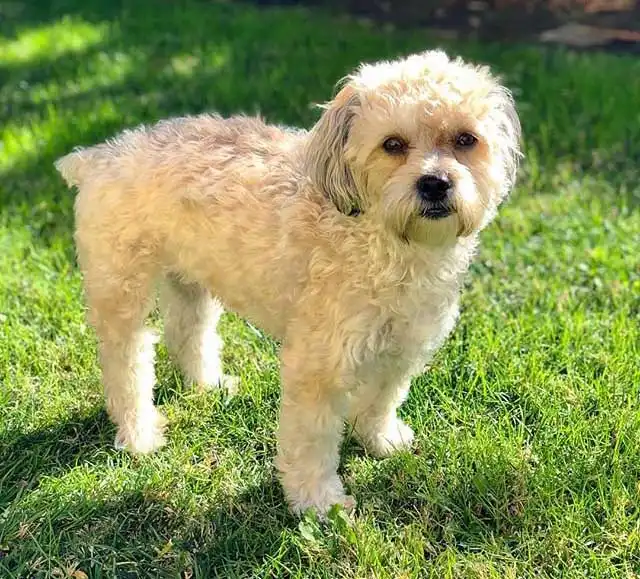
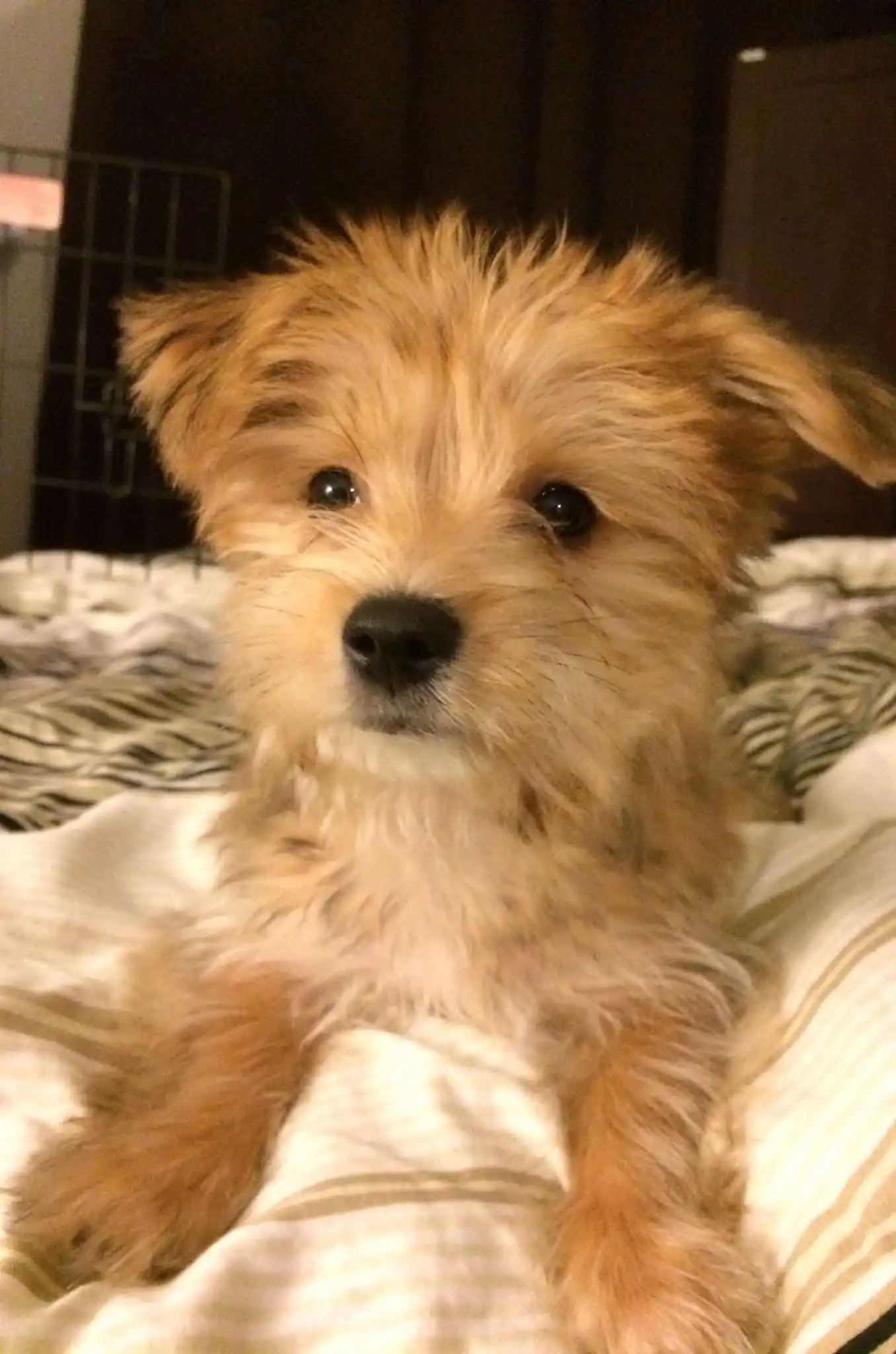
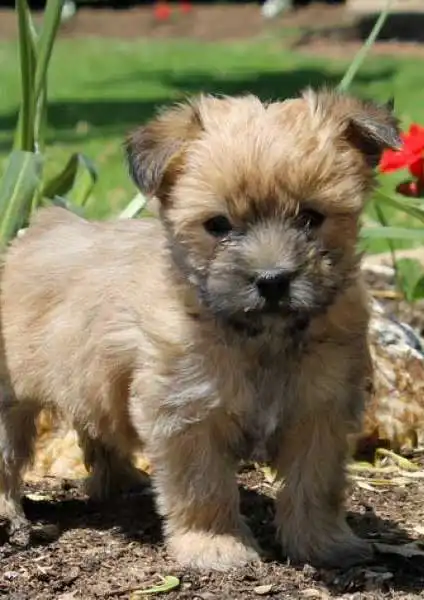
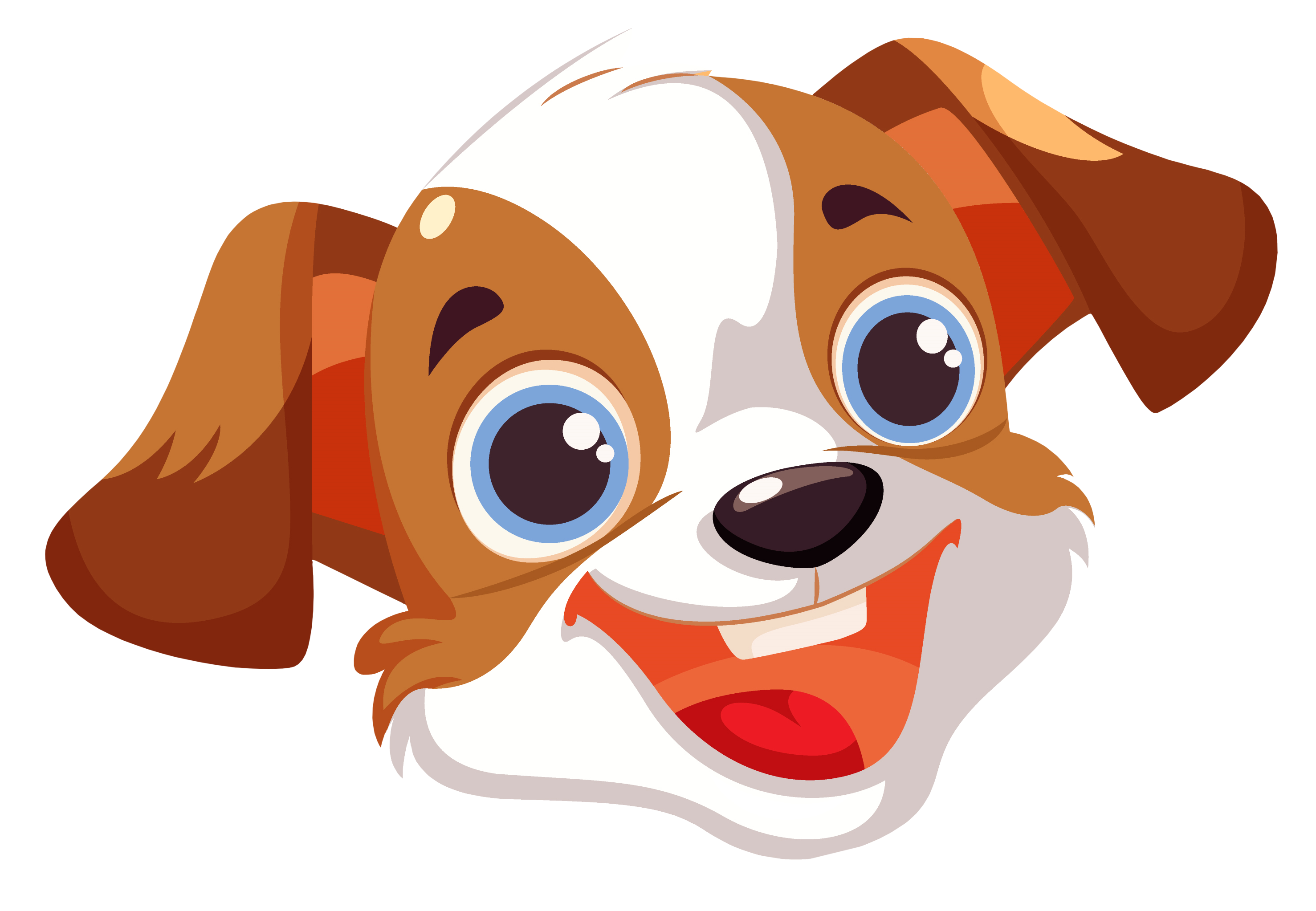
The Havashire is a small dog breed, usually standing at a height of up to 12 inches. Their looks can vary widely, shaped by the genetic characteristics passed down from their parent breeds, but they are generally regarded as delightful little furballs. Their bodies are typically longer than they are tall, supported by short, robust legs and paws that appear like fluffy slippers due to the longer fur surrounding them. The head has a softly rounded top and features a medium-length muzzle where the teeth meet in a scissors bite. With a lively expression, their face is highlighted by dark, round eyes, a small black nose, and floppy ears, all framed by whiskers around the muzzle. This spirited and compact breed is undeniably appealing to many potential owners.

Care Routine
The grooming needs of Havashire dogs can vary depending on the coat type they inherit from their parents. For those with longer fur, daily brushing is crucial to avoid matting and tangling. In some areas, particularly rural ones, you may find it beneficial to hire a professional groomer for regular trims, as outdoor exposure can necessitate more frequent grooming. Baths should be administered only when absolutely necessary, as excessive bathing can lead to dry skin. It’s vital to choose a mild dog shampoo that maintains the natural oils in their coat. Furthermore, their fluffy ears are prone to collecting dirt and debris, so it’s wise to clean them gently with a damp cloth and ensure they are thoroughly dried afterward. Lastly, don’t overlook the importance of trimming their nails and brushing their teeth to keep them healthy and looking their best.
Behavior & Temperament
The Havashire dog is an exceptional companion, flourishing on human interaction and affection around the clock. When left alone for long stretches, they may feel lonely and display destructive behaviors. With their playful nature and lively spirit, they possess a remarkable talent for lifting the mood of those around them. Training can prove to be a challenge due to their stubbornness, requiring a patient and gentle approach, as they are sensitive to vocal tones. They are ideally suited for experienced owners who can handle their inclination to assert dominance. These spirited little dogs need regular exercise, making daily walks crucial for burning off their energy. Visits to the dog park can also enhance their social skills, providing a safe space for them to run and play. Although they are generally quiet and seldom bark, they remain alert and will alert you to any nearby activity, though they are not aggressive. The Havashire dog is particularly well-adapted to apartment living, thanks to their compact size and calm temperament. They are wonderful family pets, getting along well with both dogs and cats, and they absolutely adore the attention from children.


Play & Exercise
The Havashire dog is a lively little companion—full of curiosity, alertness, and an unending desire to be active. To help her channel this energy, daily walks are essential, although she often gets sufficient exercise simply by zipping around the house and bonding with her family. She loves to explore the neighborhood and thrives on the attention she garners from those she encounters. The local pet park serves as an ideal venue for her to run freely and engage in play with larger dogs, ensuring she’s pleasantly tired by the time bedtime rolls around. Participating in family games that involve chasing a ball or hunting for hidden treasures can keep her entertained for hours, making a small, secure yard a valuable asset. After a day packed with fun, she will happily curl up on your lap for a well-earned rest.
Things to Know
Cups Per Day
1.0 Cups
Daily Activity
90 Minutes
Average Lifespan
13 Years
Origin
2006
Type
Crossbreeds
Size
Small
Origin Country
United States
Brush Frequency
Daily
Coat Texture
Straight
Register
Your kids have been begging for a pet forever, and you've recently decided that it's time for your family to get a new addition -- a dog! While everyone is excited for the new arrival, you're wondering if you need to have a dog license. How much does it cost? Is it required? Where do you get one?
Member Clubs

PETINNATE
Other
Height & Weight
Weight
9 lbs (4 kg)Male: 10 lbs (5 kg) , Female: 9 lbs (4 kg)
Height
10 inches (25 sm)Male: 11 inches (28 sm) , Female: 10 inches (25 sm)
6 Months
4 lbs ( m 4 lbs, f 4 lbs )
4 inches ( m 4 inches, f 4 inches )
12 Months
8 lbs ( m 8 lbs, f 8 lbs )
9 inches ( m 9 inches, f 9 inches )
18 Months
8 lbs ( m 8 lbs, f 8 lbs )
9 inches ( m 9 inches, f 9 inches )
Eye Colors
Brown
Amber
Nose Colors
Black
Coat Colors
Black
Sable
Cream
White
Fawn
Brown