Himalayan Sheepdog
Bhotia, Gaddi, Himachal Pradesh, Himalayan Guard Dog, Himalayan Mastiff Guard Dog
The Himalayan Sheepdog, an ancient breed originating from Nepal and India, has long been essential in protecting livestock from predators. These dogs flourish in outdoor settings and are relatively rare outside their home territories. Their high energy levels make them unsuitable for apartment living; they need plenty of space to roam and explore. As pets, Himalayan Sheepdogs are celebrated for their loyalty, protectiveness, and affectionate nature. While they often form a deep bond with one primary owner, they also enjoy the company of other family members. Their instinctual traits make them formidable guard dogs, marked by their fearless bravery. However, their commitment to protection can sometimes result in aggressive behavior if not properly managed. To ensure a well-adjusted Himalayan Sheepdog, it is essential to socialize them extensively during their puppy years and to initiate training early to instill appropriate behaviors. This strong-willed breed requires a confident owner, as they can be quite stubborn. Despite these challenges, they are exceptional companions, devoted to safeguarding their families throughout their lives.
Breed Origin
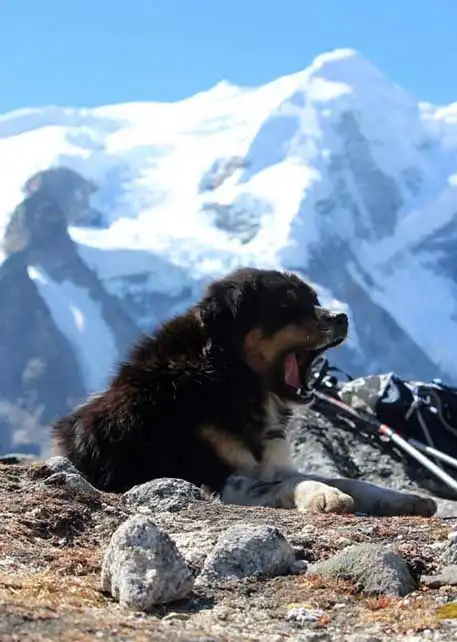
The Himalayan Sheepdog, commonly known as the Bhote Kukur or Bhotia, hails from Nepal. Although they share some similarities with the Tibetan Mastiff, they are distinctly smaller in size. This resilient breed was specifically bred for livestock protection, excelling in this role due to their courage, assertiveness, and determination. Naturally suited for outdoor living, they relish long walks and the excitement of discovering new surroundings. Renowned for their strength and overall health, Himalayan Sheepdogs are valued as companions in their home regions. However, they are rarely seen beyond India and Nepal. The exact origins and age of the breed are somewhat ambiguous, yet it is acknowledged as an ancient lineage. Local tribes have depended on these agile and confident dogs to safeguard their herds from predators. With their fearless and tenacious nature, they serve as excellent partners for farmers. Moreover, Himalayan Sheepdogs have been employed in hunting large game, with their robust physique and dense fur offering protection against harsh environments and chilly nights. Despite their remarkable attributes, the breed has not yet received formal recognition from any prominent kennel club. While they can display toughness and aggression in certain situations, these dogs are incredibly loyal and devoted to their families. They can adapt well to domestic life, but they require significant training and socialization to ensure they are friendly towards newcomers. Given their protective instincts, this behavior is quite understandable. However, with early and consistent training, they can evolve into affectionate companions eager to please their owners.
Breed Appearance
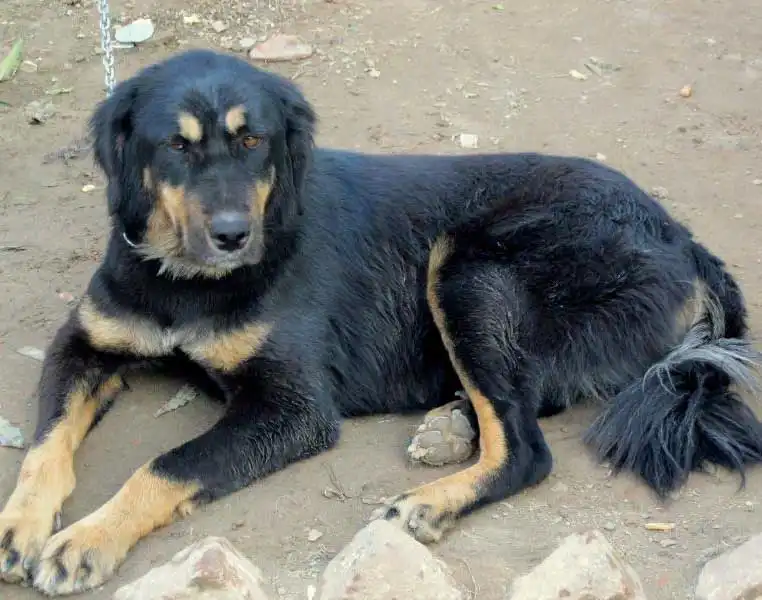
The Himalayan Sheepdog is a large and sturdy breed, often perceived as somewhat formidable. Known for their natural instinct to protect both people and livestock, these dogs can weigh up to 90 pounds and stand as tall as 28 inches. Despite their impressive size, they exhibit surprising agility, moving quickly on their well-cushioned paws as they patrol their surroundings. With a deep chest and strong neck, they are well-equipped to face significant threats, and their bravery and loyalty are widely recognized. Their head is robust, characterized by a tapered muzzle and a strong jaw that features a scissor bite. A prominent ruff of fur typically encircles their neck, while their bushy tail is carried high, often curling over their back. Their folded ears hang beside their face, and their round, expressive eyes remain vigilant. The Himalayan Sheepdog's coat is dense, comprising a longer outer layer and a short, thick undercoat, which makes them particularly well-adapted to endure harsh weather conditions. In summary, they are not only resilient but also remarkably striking in appearance.

Care Routine
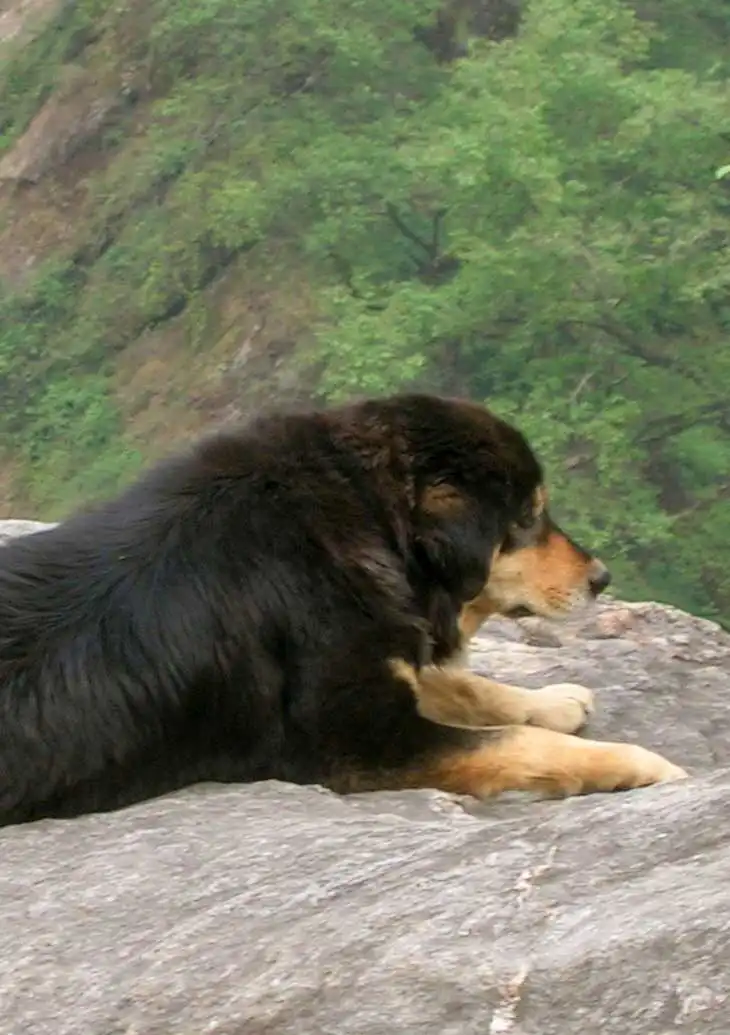
The luxurious coat of the Himalayan Sheepdog demands consistent care, but the investment of time and effort is undoubtedly rewarding. Regular brushing is essential to remove loose fur, and utilizing a specialized comb during the warmer months can help eliminate any parasites that may have latched on during their outdoor escapades. Generally, this breed requires a bath only about three times a year to keep their coat looking its best. When it comes to bathing, opt for a shampoo specifically formulated for dogs, as it helps maintain the natural oils in their coat, keeping it shiny and tangle-free. Bath time can be quite the endeavor, and you may find yourself just as soaked as your furry friend. After the bath, ensure they are thoroughly dried, particularly in colder weather. Training your dog from an early age to enjoy a gentle blow-dry on a low setting can save you a lot of time later on. Due to their folded ears, it's important to regularly inspect them for any signs of infection. Gently clean the ears to remove dirt and wax buildup. Additionally, maintaining dental health is crucial, so aim to brush your dog's teeth twice a week. A quick and gentle nail trim will round off the grooming routine, leaving your clean and fluffy Himalayan Sheepdog ready for any adventure that comes their way.
Behavior & Temperament
The Himalayan Sheepdog radiates an undeniable sense of pride and confidence, making it a striking presence. Renowned for their territorial instincts, these dogs are fiercely protective of their home and family, displaying both courage and assertiveness. To cultivate appropriate behavior in this robust breed, effective training is vital. Early socialization plays a key role, helping them adjust to the presence of other people and pets, which in turn fosters a sense of comfort around them. These dogs are exceptionally loyal, primarily to their owner, but their affection extends to the entire family unit. With a natural drive to be active, they are anything but couch potatoes; instead, they prefer to patrol their environment, ensuring everything is in order. Their herding instincts may prompt them to gently guide or nudge family members, but they do so with a gentle touch. Although they possess a strong-willed and independent nature—traits that enhance their effectiveness in various roles—they thrive under the guidance of a firm leader (you) to help them hone their social skills. As puppies, they are irresistibly cute, with fluffy bodies and oversized paws that make them utterly endearing. Eager to please and always ready to assist, these dogs are fundamentally working animals. After a day filled with activity, they relish the opportunity to relax and cuddle with their loved ones.


Play & Exercise
The Himalayan Sheepdog is a lively breed that flourishes in outdoor settings, having been bred for vigilance and protection. This breed has considerable exercise requirements, needing at least two long walks daily to stay content. While they are best suited for rural farm environments, they can also adapt to homes with large yards. However, they are not ideal for apartment living due to their high energy levels, which can result in behavioral problems if they become bored or inactive. These dogs are wonderful companions on walks, offering a sense of security thanks to their protective instincts. In urban areas, it’s wise to keep them leashed, as they may be wary of strangers and other dogs. Their surprising agility and affectionate nature make them delightful family members, and they love to engage in family activities. Primarily functioning as working dogs, they are an excellent choice if you’re looking for a loyal companion who can help on the farm and responds well to training.
Things to Know
Cups Per Day
3.0 Cups
Daily Activity
120 Minutes
Average Lifespan
11 Years
Origin
Ancient Times
Type
Pure Breeds
Size
Large
Origin Country
Nepal and India
Brush Frequency
Weekly
Coat Texture
Straight
Register
Your kids have been begging for a pet forever, and you've recently decided that it's time for your family to get a new addition -- a dog! While everyone is excited for the new arrival, you're wondering if you need to have a dog license. How much does it cost? Is it required? Where do you get one?
Member Clubs

PETINNATE
Other
Height & Weight
Weight
73 lbs (33 kg)Male: 73 lbs (33 kg) , Female: 73 lbs (33 kg)
Height
29 inches (74 sm)Male: 29 inches (74 sm) , Female: 29 inches (74 sm)
6 Months
21 lbs ( m 21 lbs, f 21 lbs )
13 inches ( m 13 inches, f 13 inches )
12 Months
41 lbs ( m 41 lbs, f 41 lbs )
17 inches ( m 17 inches, f 17 inches )
18 Months
74 lbs ( m 74 lbs, f 74 lbs )
29 inches ( m 29 inches, f 29 inches )
Eye Colors
Brown

Amber
Nose Colors
Black
Coat Colors
Fawn
Brown
Black