Hungarian Wire-Haired Vizsla
Hungarian Vizsla, Magyar Vizsla, Hungarian Pointer, Drotszoru Magyar Vizsla
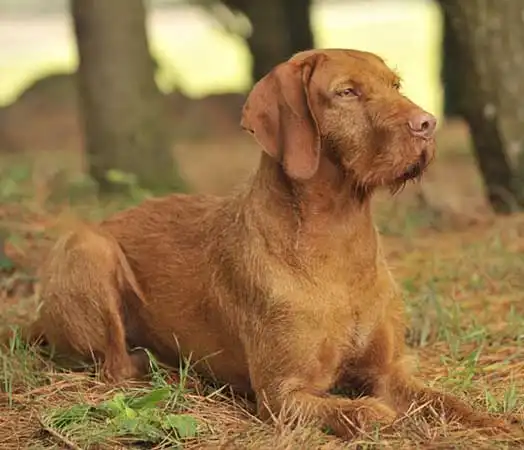
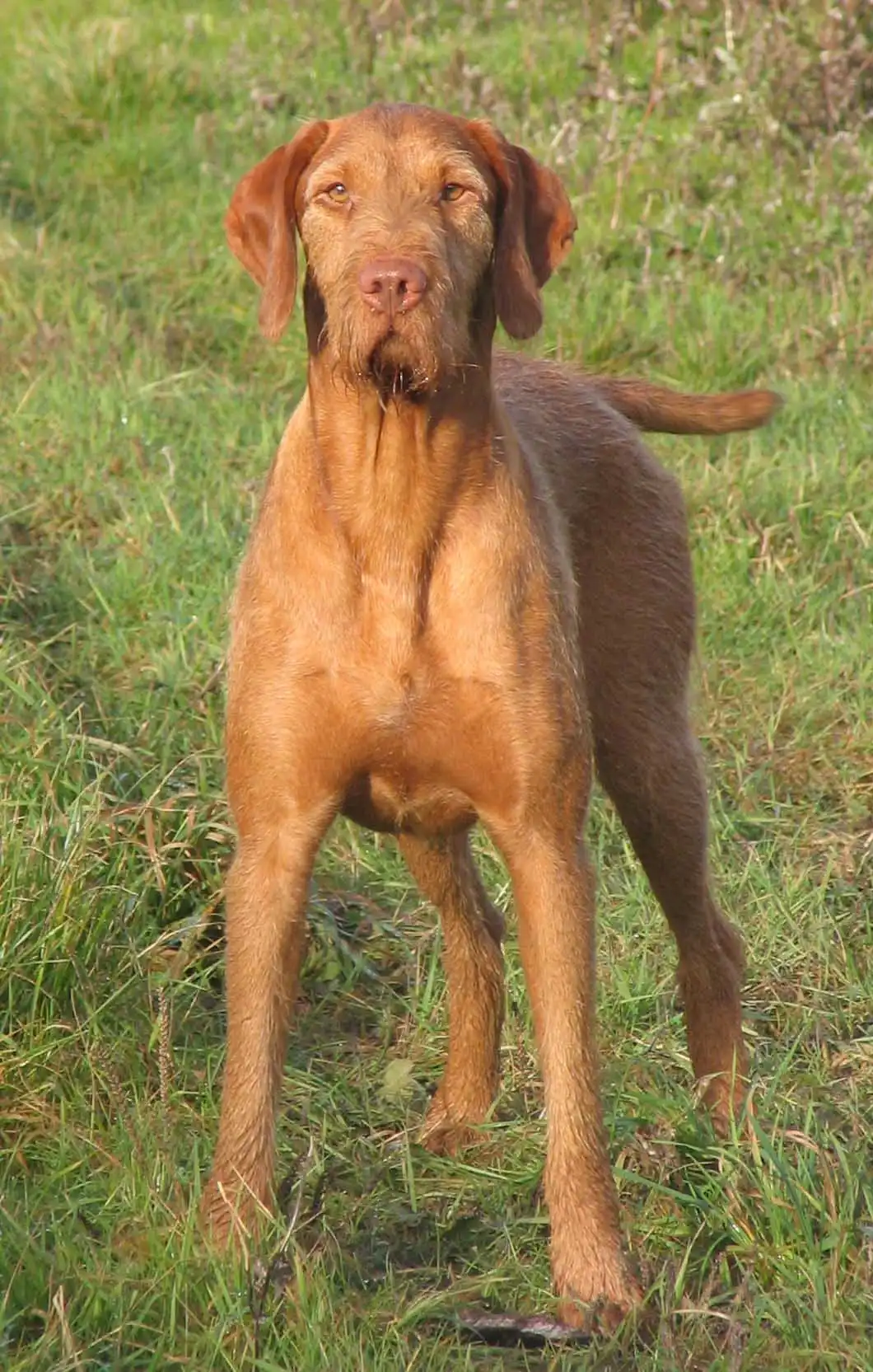
The Wirehaired Vizsla, a breed originating from Hungary, has a noble heritage. This medium-sized dog is celebrated for its friendly nature, which allows it to get along well with other animals when adequately socialized. It is also a beloved family pet. Initially bred for hunting—particularly for pointing and tracking game, as well as aiding in falconry—this breed has a fascinating history. Its lineage includes the Turkish Yellow Dog, Weimaraner, and Transylvania Hound, which are thought to have been brought to Hungary by the Magyars. Typically, the Wirehaired Vizsla showcases a golden coat with small white markings on its chest, combining a sturdy physique with impressive agility.
Breed Origin
The Wirehaired Vizsla has a history that dates back to the Middle Ages, but the breed as we know it today is a more recent development. In Hungary, hunters and falconers aimed to breed a sturdy dog with a tough, wiry coat capable of enduring the severe weather conditions typical of Eastern Europe. In the 1930s, they came together to create a breeding strategy, which was later submitted to the Hungarian Vizsla Club. Although there was some initial doubt, the club ultimately approved the plan, stipulating that the breed's distinctive golden-rust coloration must be preserved. To achieve the desired longer, wiry coat, smooth Vizslas were crossbred with various breeds, including the German Wirehaired Pointer, Pudelpointer, Wirehaired Pointing Griffon, and Irish Setter. It is also possible that Bloodhounds were part of the breeding mix to help develop the modern Wirehaired Vizsla. This breed arrived in the United States in the early 1970s and remains relatively rare in the country. It received recognition from the Canadian Kennel Club in 1978 and from the North American Versatile Hunting Dog Association in 1986. The Wirehaired Vizsla Club of America was founded in 2003, and the breed was officially acknowledged by the United Kennel Club in 2006, although it is referred to as the Hungarian Wire-Haired Vizsla. The term "Wirehaired Vizsla" indicates its lineage from the Smooth Vizsla, with "wirehaired" added to distinguish between the two types.
Breed Appearance
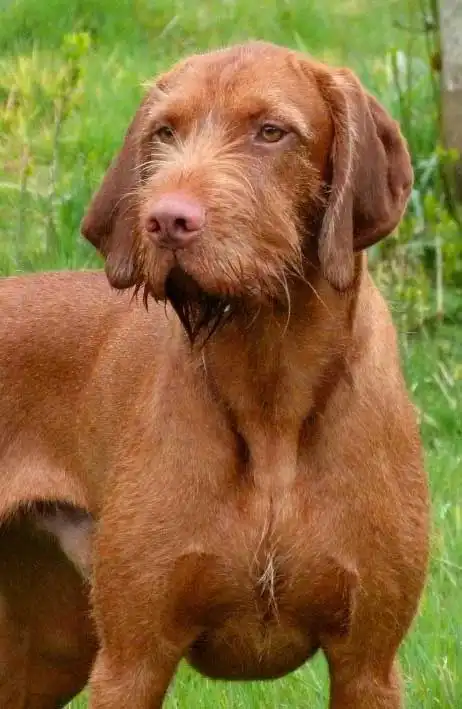
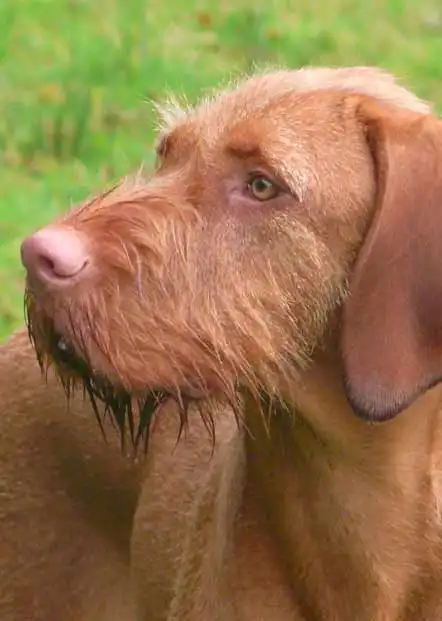
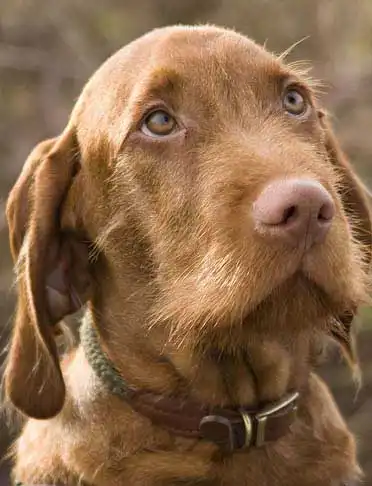
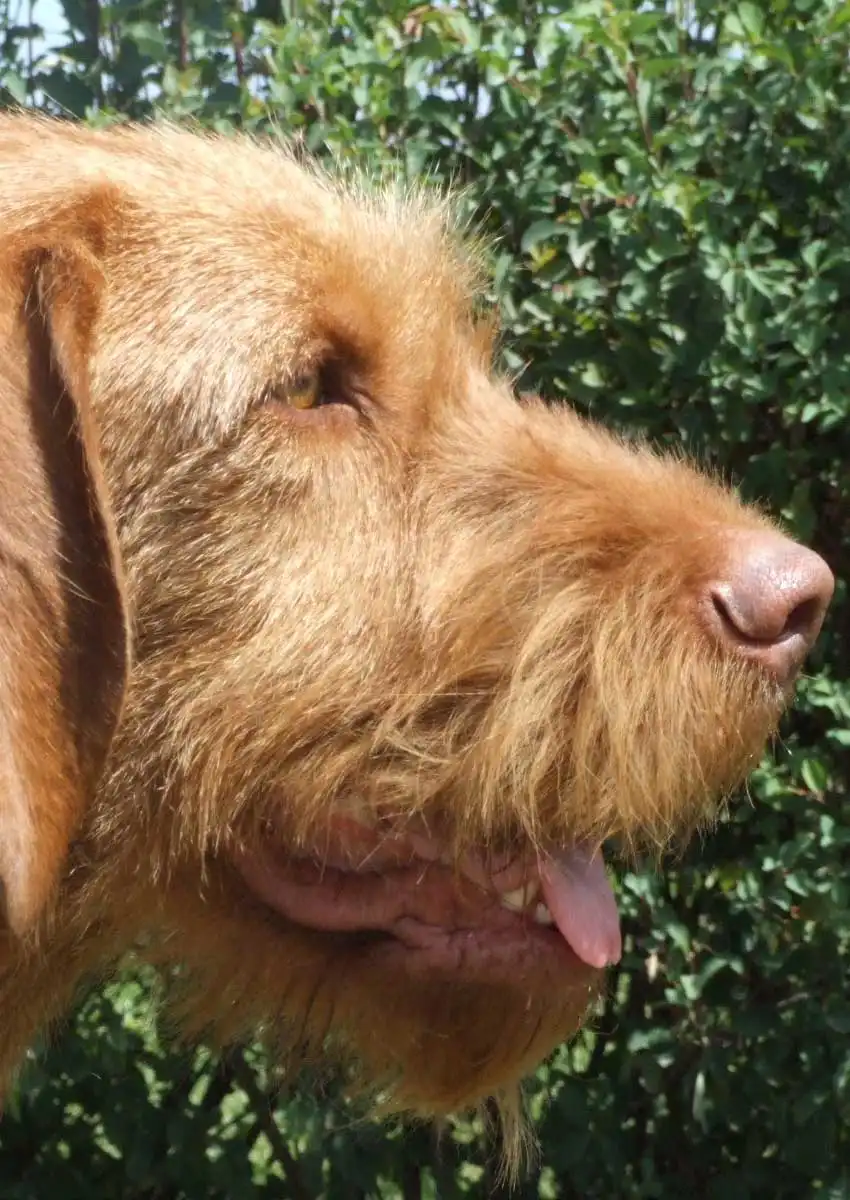
The Wirehaired Vizsla is characterized by a slender head and a moderately broad skull. Its muzzle tapers to a squared tip, and the strong jaws are framed by lips that are neither droopy nor loose, with teeth that meet in a scissors bite. This breed has medium-sized, oval eyes that are slightly darker than its rust-colored coat. The ears are set low, relatively long, and hang close to the cheeks. The tail is thick and also positioned low, usually docked to about one-third of its original length, and is carried horizontally. The hair on the head is short and coarse, while the muzzle features longer hair that gives it a bearded look. The eyebrows are prominent, and the hair on the ears is longer and finer. The body is covered in long, closely fitting hair.
Care Routine
The Wirehaired Vizsla is a lively breed that needs plenty of exercise to remain happy and healthy. This dog has a strong inclination to chew, making toys a vital part of its well-being. Renowned for their intelligence and desire to please, Vizslas benefit greatly from early training as soon as they settle into their new environment. They respond best to consistent, gentle commands and thrive on positive reinforcement rather than criticism. Grooming this breed is relatively simple; a weekly brushing is typically enough to keep their coarse coat in good condition, with a rubber curry brush being the most effective tool for the job. It’s recommended to begin brushing your Wirehaired Vizsla puppy shortly after bringing them home to help them adapt to a grooming routine. Additionally, nail trimming should be done every two weeks, and while brushing their teeth two to three times a week is helpful, daily brushing is the most effective way to prevent gum disease and bad breath.
Behavior & Temperament
The Vizsla is a lively, gentle, and loving breed recognized for its keen intelligence and strong inclination to bond with humans. While they typically strive to make their owners happy, they can sometimes show a bit of stubbornness. A Vizsla that hasn’t received proper socialization may become overly excited or shy. This breed needs at least an hour of exercise daily; without enough physical activity, they might engage in destructive behaviors when left alone indoors. It's crucial for them to have interactions with diverse people, animals, and experiences. Although they are wonderful with children, they tend to do better with older kids, as younger ones may find their high energy a bit too much to handle.
Play & Exercise
Things to Know
Cups Per Day
0.0 Cups
Daily Activity
0 Minutes
Average Lifespan
12 Years
Origin
middle ages
Type
Pure Breeds
Size
Not Set
Origin Country
Hungary
Brush Frequency
Daily
Coat Texture
Straight
Register
Your kids have been begging for a pet forever, and you've recently decided that it's time for your family to get a new addition -- a dog! While everyone is excited for the new arrival, you're wondering if you need to have a dog license. How much does it cost? Is it required? Where do you get one?
Member Clubs

PETINNATE
Gun Dog

AKC
Sporting Group

UKC
Gun Dog
Height & Weight
Weight
50 lbs (23 kg)Male: 53 lbs (24 kg) , Female: 48 lbs (22 kg)
Height
24 inches (61 sm)Male: 24 inches (61 sm) , Female: 24 inches (61 sm)