Hush Basset
Cocker Basset
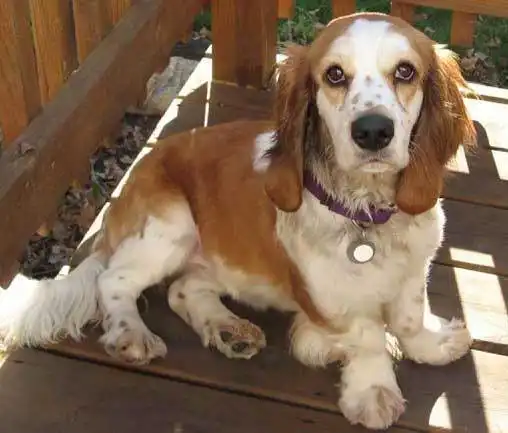
The Hush Basset is a relatively new designer breed, resulting from the crossbreeding of the Cocker Spaniel and the Basset Hound. Despite their somewhat droopy and melancholic appearance, Hush Bassets are generally joyful and loving dogs, well-regarded for their friendly disposition towards both people and other dogs. This makes them ideal companions for larger families or individuals with active lifestyles. Both parent breeds have roots in hunting—one classified as a scent hound and the other as a sporting dog—so with the right training, Hush Bassets can still perform well in hunting roles. However, their attractive looks and designer appeal often lead them to be kept primarily as pets. Their delightful heritage also endows them with a strong scent-following instinct, which can sometimes result in stubborn behavior and training difficulties if not managed early on. Nonetheless, their sociable nature and eagerness for companionship typically outweigh these challenges.
Breed Origin
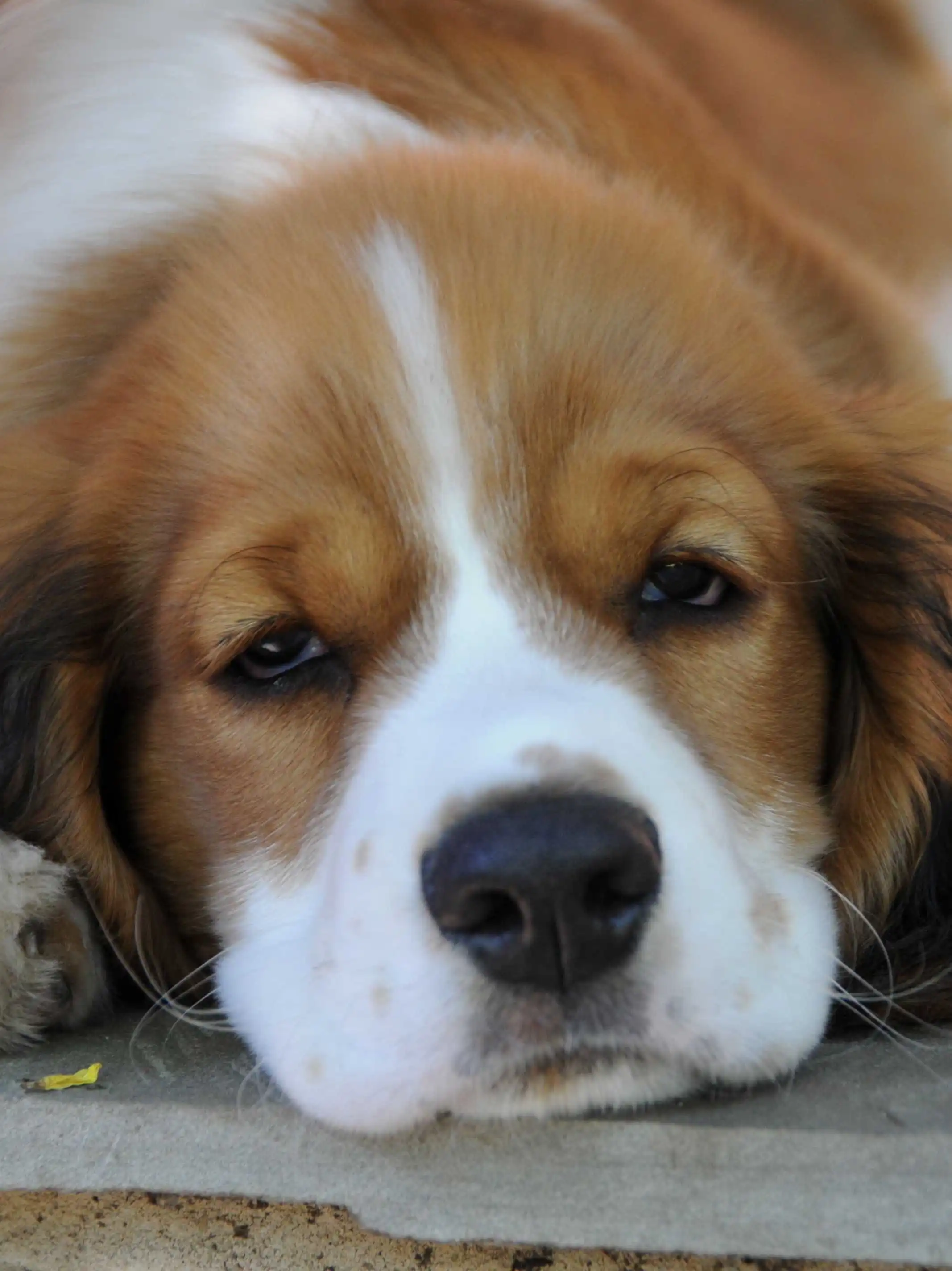
The Hush Basset is a relatively recent designer breed with a concise history, yet its ancestral breeds have deep-rooted traditions both locally and internationally. The Basset Hound, named after the French term "bas," which translates to "low thing," is believed to have originated in France during the Middle Ages. This breed was developed through the crossbreeding of various Basset types, including the d'Artois and Normand. The refinement of the Basset Hound is often attributed to the monks at the Monastery of St. Hubert in Belgium, who sought to create a low-bodied, heavy-nosed dog that could keep up during hunts. Over the years, these hounds gained popularity, particularly among the aristocracy in the 7th and 8th centuries. As they spread to different regions, they underwent further changes, especially in England during the late 1800s under the influence of breeder Everett Millais, who is recognized as the father of the modern Basset Hound. When they made their way to America, their droopy faces quickly charmed the public, appearing in popular culture as early as the 1950s and 1960s, most notably through the character Droopy. The Spaniel's history traces back to 1620, when it was first documented on the Mayflower, although it didn't gain official recognition until the late 1800s. The Cocker Spaniel emerged in the 19th century, introduced by hunting enthusiasts who appreciated its skill in bird hunting, particularly the gamecock, which inspired its name. American breeders, however, preferred a smaller version of the breed, making them easier to handle as hunters, show dogs, and companions. This shift in preference led to a significant rise in popularity, which unfortunately resulted in the emergence of problematic puppy mills and substandard breeding practices to meet the growing demand, although many of these issues have since been addressed through legislation. Today, Cocker Spaniels are among the top 30 most popular breeds according to the American Kennel Club, renowned for their gentle temperament, intelligence, and attractive looks.
Breed Appearance
The Hush Basset showcases a blend of distinctive characteristics inherited from the Basset Hound, including its short stature, elongated body, barrel-like chest, and droopy facial features. In addition, it incorporates the longer fur and somewhat more athletic build of the Cocker Spaniel. This breed typically features a boxy nose of short to medium length, accompanied by sagging cheeks and brows, and is adorned with long, floppy ears that hang down. With an average height of around 14 inches, the Hush Basset tends to be heavier and longer in proportion to its height, exhibiting a straight to gently sloping back, a deep chest, and well-defined musculature. Their coat, which ranges from short to medium in length, reflects their Spaniel heritage and is available in a wide variety of colors.

Care Routine
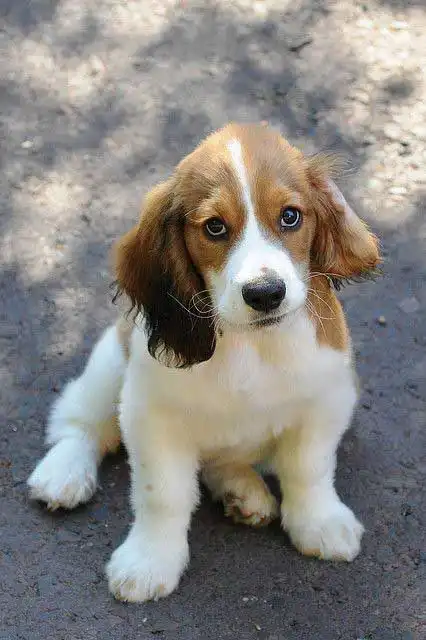
It’s undeniable that Hush Bassets, staying true to their lineage, demand considerable care. Both of their parent breeds are notorious for shedding, making it crucial to brush them several times a week to manage loose fur and prevent their coats from becoming tangled or matted. Their faces also require regular cleaning to tackle tear stains and drooling, which they are prone to. Furthermore, their large, floppy ears need consistent care to avoid moisture accumulation that can result in bacterial infections, as do their many skin folds. Like all dog breeds, they require regular nail trims every few weeks, weekly tooth brushing, and baths as necessary—typically around once a month—to keep their coats clean and reduce odor, as Bassets are often recognized for their somewhat strong scent due to oily skin.
Behavior & Temperament
Hush Bassets are generally joyful, friendly, and affectionate dogs that thrive on attention and have a remarkable ability to attract it—just take a look at those expressive puppy eyes. Their laid-back disposition enables them to thrive in social settings, where they interact comfortably with both humans and other dogs. Even in hectic situations, they usually maintain a serene presence. However, this easy-going nature can pose challenges regarding obedience; they may show a degree of stubbornness, which can complicate training, especially as they grow older. Furthermore, since they are a vocal breed, potential owners should carefully evaluate their living situation and their willingness to invest time in training to help manage any excessive barking.


Play & Exercise
While Cocker Spaniels are recognized for their moderate to high energy levels, Basset Hounds have a much lower exercise requirement to stay content, placing the Hush Basset in a middle ground. Like all dogs, they do need physical activity to maintain their happiness and health, but their compact size and short legs mean their exercise needs are considerably less than those of other dogs of similar weight. Regular walks serve as an excellent outlet for their energy, and you may observe signs of tiredness in their walking speed. They generally adjust well to different living situations, as long as there is sufficient space for them to move, play, and stretch. A weekly walking total of around 6 miles, combined with 30 to 45 minutes of play each day, should be enough to keep this robust breed content.
Things to Know
Cups Per Day
2.5 Cups
Daily Activity
45 Minutes
Average Lifespan
12 Years
Origin
Unknown
Type
Crossbreeds
Size
Medium
Origin Country
Unknown
Brush Frequency
Daily
Coat Texture
Wavy
Ancestors
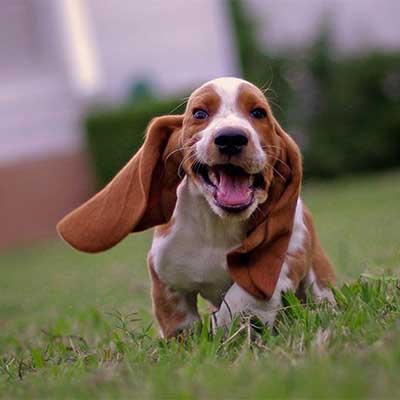
Basset Hound
The Basset Hound is easily recognized by its distinctive short legs, droopy eyes, and long ears. The name "basset" is derived from the French word "bas," meaning "low thing." Often affectionately called a Basset or even a hush puppy, this breed is treasured for its gentle and non-aggressive demeanor, making it a favorite among dog lovers. Renowned for its exceptional sense of smell and strong hunting instincts, the Basset Hound possesses a charming personality that brings immense joy. Initially bred for hunting rabbits and hares, this adaptable breed excels in various pursuits, including obedience, tracking, and conformation. Its friendly nature allows it to flourish both in groups and as an independent hunter. With a short, fine coat that suits various weather conditions, the Basset Hound is equally happy spending time with family or exploring the outdoors in search of small game.
Read more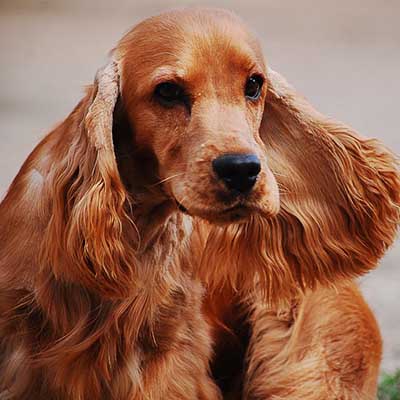
Cocker Spaniel
The American Cocker Spaniel traces its roots back to the English Cocker Spaniel but was intentionally bred with various other breeds to develop a smaller hunting dog that appealed to American hunters interested in game birds. These dogs are medium-sized, have a moderate level of energy, and are generally known for their joyful personalities. Renowned for their intelligence, American Cocker Spaniels are fairly easy to train for hunting activities and are loyal companions to their families. The breed received official recognition from the American Kennel Club (AKC) in 1878. They come in 13 unique colors and display two distinct styles of markings. According to the AKC, they are currently the 29th most popular dog breed in the United States.
Read moreRegister
Your kids have been begging for a pet forever, and you've recently decided that it's time for your family to get a new addition -- a dog! While everyone is excited for the new arrival, you're wondering if you need to have a dog license. How much does it cost? Is it required? Where do you get one?
Member Clubs

PETINNATE
Other
Height & Weight
Weight
43 lbs (20 kg)Male: 45 lbs (20 kg) , Female: 40 lbs (18 kg)
Height
13 inches (33 sm)Male: 14 inches (36 sm) , Female: 13 inches (33 sm)
6 Months
29 lbs ( m 29 lbs, f 29 lbs )
8 inches ( m 8 inches, f 8 inches )
12 Months
33 lbs ( m 33 lbs, f 33 lbs )
10 inches ( m 10 inches, f 10 inches )
18 Months
40 lbs ( m 40 lbs, f 40 lbs )
12 inches ( m 12 inches, f 12 inches )
Eye Colors
Brown

Nose Colors
Black
Brown
Coat Colors
Brindle
Sable
Silver

Blue
Pied
Cream
Brown
Red
White
Black