Istrian Short-Haired Hound
Istarski Kratkodlaki Gonič
The Istrian Shorthaired Hound might not seem like a breed with a deep historical background, but it is actually one of the oldest hound breeds in the Balkans, boasting a rich legacy that dates back centuries. Although they are not particularly large, these dogs are celebrated for their remarkable hunting skills, excelling in tracking hares, foxes, and rabbits due to their speed, acute sense of smell, and remarkable endurance. In a domestic setting, they generally exhibit a calm and relaxed demeanor; however, this temperament does not necessarily make them ideal pets. Bred primarily for hunting, they tend to be wary around children, have a moderate tolerance for other dogs, and may bark when they feel threatened, anxious, or encounter strangers, which can restrict their adaptability to various living environments. While they are usually affectionate towards their owners or trainers, they do not possess the playful spirit found in many other breeds and still require ample exercise. Given these traits, the Istrian Shorthaired Hound is more suited for hunting enthusiasts than as a primary companion animal.
Breed Origin
The Istrian Shorthaired Hound's history is not thoroughly chronicled, but artwork from the late 15th century depicts a dog that bears a striking resemblance to this breed. Furthermore, documentation from the 18th and 19th centuries implies that the breed may have ancient roots. If this is indeed the case, it could mean that the Istrian Shorthaired Hound is among the oldest hound breeds in its region, a claim that is widely accepted. There is speculation that its unique physical traits and temperament stem from a combination of European scent hounds, possibly introduced through trade by the Phoenicians, an ancient civilization that flourished along the Mediterranean. These dogs have historically been esteemed for their remarkable hunting abilities, which remain their primary association. Despite their long-standing presence, the breed's first studbook was not created until 1924, 25 years prior to their official recognition by the Fédération Cynologique Internationale (FCI) in 1949. It took an additional 25 years for the first breed standard to be established in 1973, and the United Kennel Club (UKC) recognized the breed in 2006. While they are still employed as hunting dogs in their homeland, they have yet to transition into the role of companion animals, primarily due to their reserved and selective nature, which may not align well with the typical household environment.
Breed Appearance
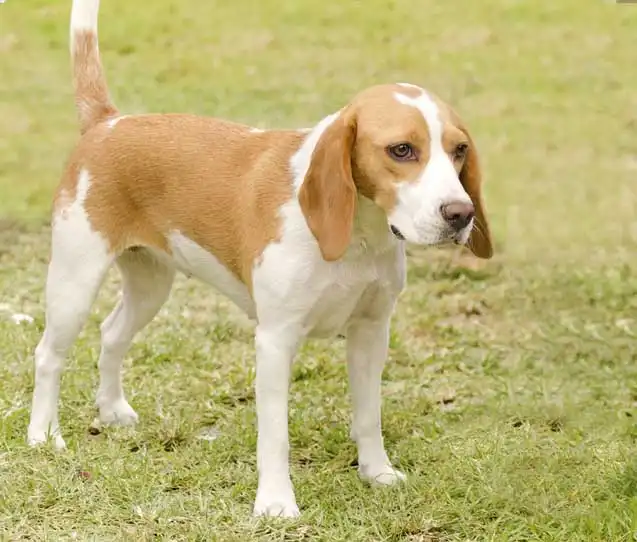
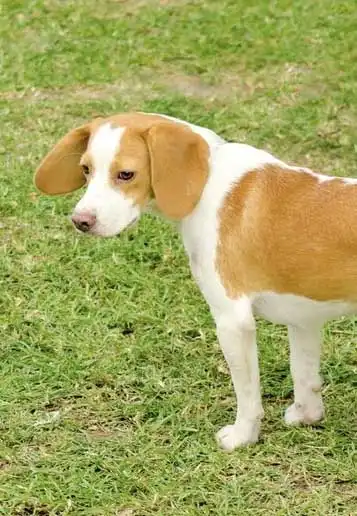
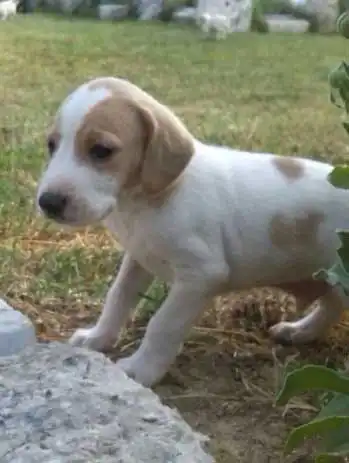
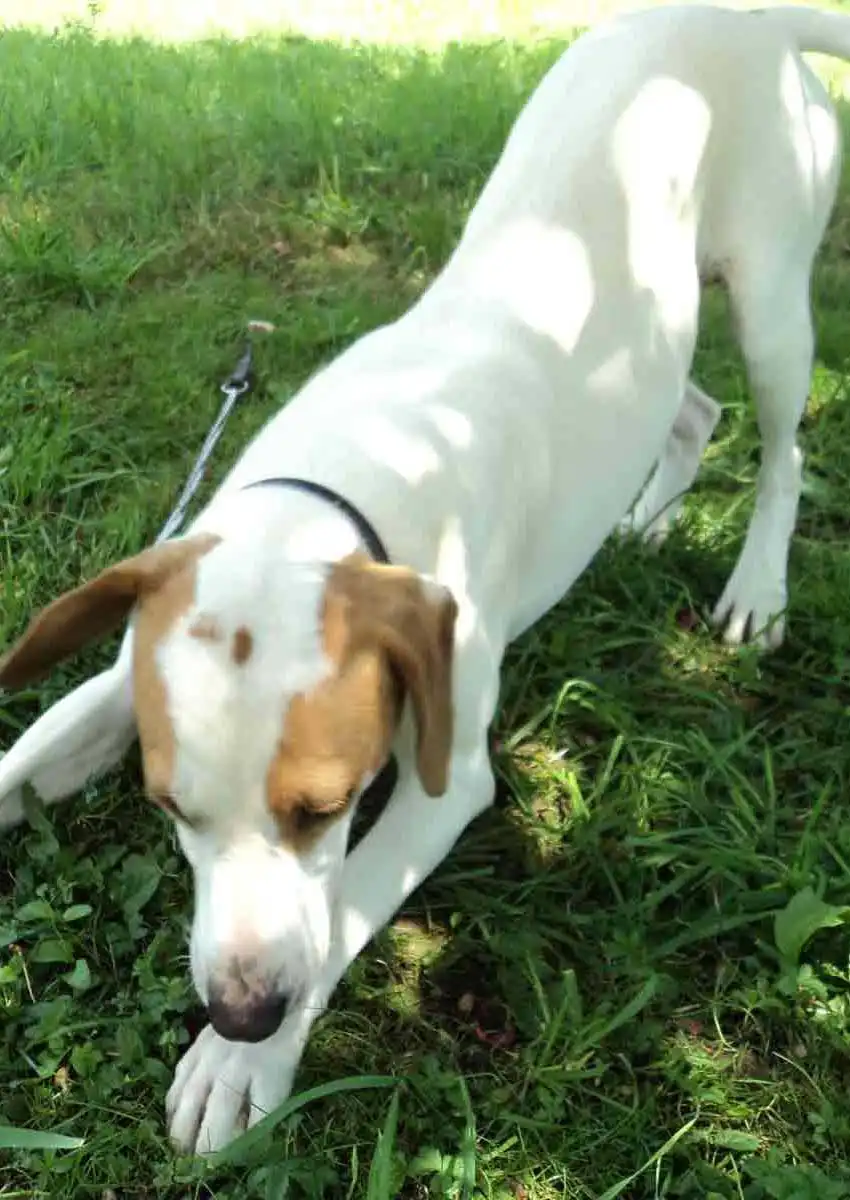
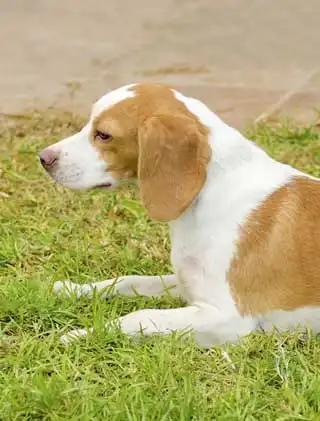
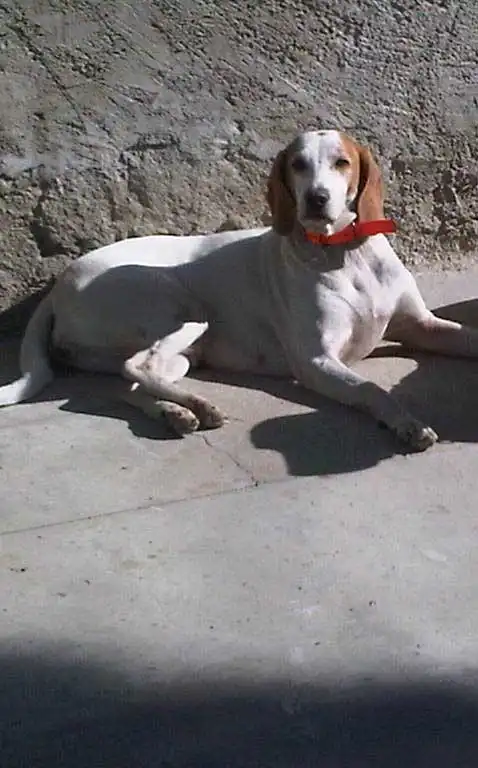
The Istrian Shorthaired Hound is a medium-sized dog, generally standing around 18 inches tall and weighing close to 40 pounds. This breed is notable for its short, fine, and striking white coat, adorned with unique patches of tan or lemon. They have a long, slender head with a rounded skull and an elongated muzzle, featuring a black or dark brown nose. Their dark, oval eyes and medium-sized ears, which are broad at the base and taper in a reverse bell shape, contribute to their distinctive look. The neck has a gentle arch that flows into a softly sloping back and a tapering tail. The front legs are perfectly straight, aligning with the chest's depth at the elbows, while the back legs show a subtle angle.
Care Routine
Istrian Shorthaired Hounds are known for their low-maintenance grooming needs. Their short, dense coat requires only a few brushings each week, preferably with a firm bristle brush, to keep it clean and to help distribute their natural oils. Generally, they don’t need frequent baths unless they get into something particularly odorous, as they are quite adept at self-cleaning. Their small, folded ears are not particularly prone to moisture buildup or infections, but it’s wise to check them regularly, especially in humid weather. While their nails typically wear down naturally with sufficient exercise, it’s essential to inspect them weekly to avoid overgrowth and associated issues. Additionally, regular brushing of their teeth is advisable to maintain good oral health.
Behavior & Temperament
While many European scent hounds are known for their well-rounded temperaments, the Istrian Shorthaired Hound stands out for its more cautious and reserved nature compared to its regional counterparts. These dogs often find it challenging to engage with children, unfamiliar people, and other dogs. Although they are not inherently aggressive, they may resort to excessive barking when they feel threatened, anxious, or uneasy, especially if they haven't received adequate training and socialization from a young age. Even with proper guidance, this behavior can linger. When with their owners, Istrian Shorthaired Hounds display a more positive attitude; they are loyal, generally calm, and responsive to commands, though they may not be particularly playful or affectionate. In hunting scenarios, however, they reveal their impressive tracking abilities, determination, and agility, making them outstanding hunters, even if they are not the best choice for companionship.
Play & Exercise
This breed is considered to have a moderate energy level, needing a fair amount of exercise, but considerably less than numerous other hunting breeds. It flourishes in settings with energetic owners or spacious yards that allow for free running and energy release. Although it doesn't require an overwhelming amount of daily activity, it is advisable to provide at least 30 to 45 minutes of exercise each day, which translates to around 14 miles of walking or running.
Things to Know
Cups Per Day
2.5 Cups
Daily Activity
40 Minutes
Average Lifespan
13 Years
Origin
Ancient Times
Type
Pure Breeds
Size
Medium
Origin Country
Croatia
Brush Frequency
Weekly
Coat Texture
Straight
Register
Your kids have been begging for a pet forever, and you've recently decided that it's time for your family to get a new addition -- a dog! While everyone is excited for the new arrival, you're wondering if you need to have a dog license. How much does it cost? Is it required? Where do you get one?
Member Clubs

PETINNATE
Scenthound

UKC
Scenthound
Height & Weight
Weight
38 lbs (17 kg)Male: 38 lbs (17 kg) , Female: 38 lbs (17 kg)
Height
19 inches (48 sm)Male: 19 inches (48 sm) , Female: 18 inches (46 sm)
6 Months
26 lbs ( m 26 lbs, f 26 lbs )
12 inches ( m 12 inches, f 12 inches )
12 Months
32 lbs ( m 32 lbs, f 32 lbs )
15 inches ( m 15 inches, f 15 inches )
18 Months
37 lbs ( m 37 lbs, f 37 lbs )
18 inches ( m 18 inches, f 18 inches )
Eye Colors
Brown

Nose Colors
Black
Brown
Coat Colors
Fawn

White