Japanese Terrier
Nippon Terrier, Nihon Teria, Nihon Terrier, Kobe Terrier, Mikado Terrier, Oyuki (Snowy) Terrier
The Japanese Terrier is a lively, clever, and joyful breed. Although he may initially appear a bit shy, he truly delights in playing games and chasing after squirrels. This loving dog enjoys snuggling and often prefers to curl up on your lap while you unwind with a film or work on your laptop. He tends to develop strong bonds with his family and may exhibit possessive behavior if he feels his owner is giving too much attention to other pets or even other people. In moments of jealousy, you can expect him to bark loudly to regain your attention. Generally, he gets along well with other dogs, as long as each one receives equal affection.

Breed Origin
The Japanese Terrier is thought to have emerged in the 1600s, likely introduced to Japan by Dutch and British sailors who brought breeds such as the Smooth Fox Terrier and German Pinscher to the port city of Nagasaki. These imported terriers mingled with local dog breeds, leading to the development of small terrier-like dogs that quickly became popular in the Nagasaki area, with their charm eventually spreading across Japan. It is still uncertain whether these small terriers were mainly kept as pets or if they also played a role in hunting small pests. For many years, the Japanese Terrier has primarily been viewed as a companion animal. In the 1920s, breeders initiated efforts to create a standardized breed, incorporating the Kobe Terrier into their breeding programs. Through careful and consistent breeding, they succeeded in establishing a breed with a consistent appearance and temperament. The breed standard was officially recognized by the Japanese Kennel Club in 1930. However, the outbreak of World War II had a devastating impact on dog breeding, resulting in a significant drop in the Japanese Terrier population. Following the war, the breed saw a modest resurgence, but it remains quite rare in Japan and is largely unknown outside the country. A few Japanese Terriers have been recorded in the United Kingdom and other European nations, with some reports of a small number residing in the United States and Canada. The United Kennel Club granted official recognition to the Japanese Terrier in 2006.
Breed Appearance
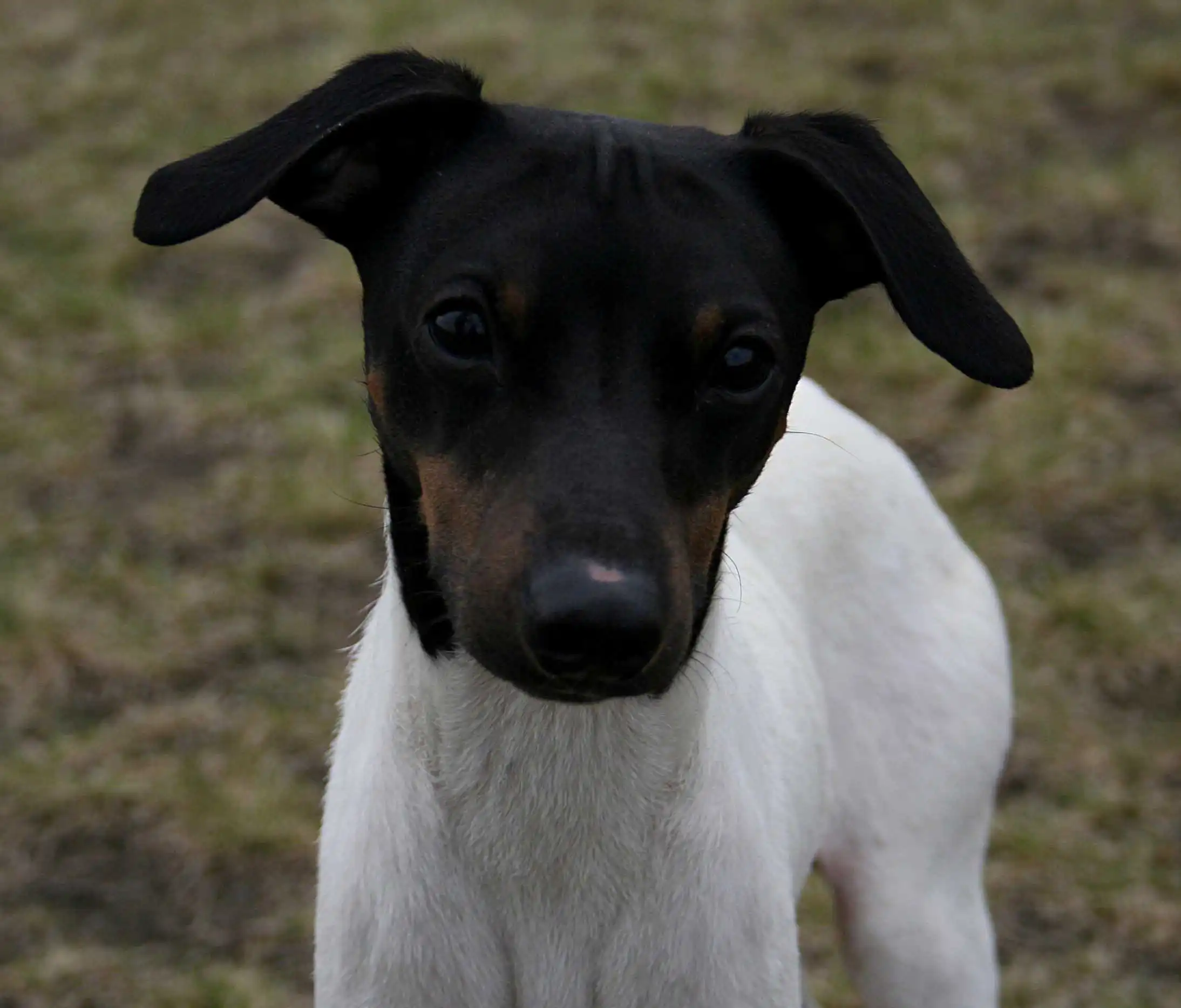
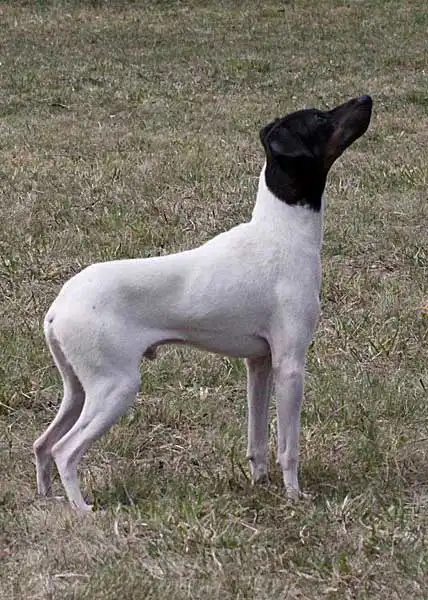
The Japanese Terrier is a compact toy breed, usually weighing between 5 and 9 pounds. This breed is noted for its balanced, square physique, which gives it a robust appearance rather than a fragile one. Its chest is deep but not excessively wide or heavy. Depending on local laws, the tail may be docked; if left intact, it is slender and of moderate length. The ears are set high on the head and should stand upright when the dog is alert, folding forward in a relaxed state. The coat is short, smooth, and silky, fitting closely to the body. Typically, the Japanese Terrier has a predominantly white coat accented by a black or tan head, with possible speckling of these colors on its body. It features a small black nose and medium-sized, oval dark brown eyes that convey a lively and inquisitive personality.


Care Routine
The Japanese Terrier is a low-maintenance breed when it comes to grooming, requiring only a quick brush once a week. Although he sheds moderately throughout the year, you might notice some hair around your home unless you brush him daily. For grooming, a soft slicker brush or one with gentle bristles is ideal. Additionally, wiping his coat with a damp cloth each day can help remove dirt and loose hairs, keeping him looking neat. Regular ear inspections are crucial; check them weekly and clean them as needed to prevent infections. To maintain the natural shine and smoothness of his coat, avoid excessive bathing, as this can strip away the essential oils from his skin and fur. He generally only needs a bath a few times a year, and when you do bathe him, use a mild shampoo that is approved by a veterinarian. Finally, remember to check his nails every few weeks to ensure they don’t become too long, which could cause foot problems.
Behavior & Temperament
The Japanese Terrier is a lively and intelligent breed, celebrated for its strong loyalty and affection towards its family. Although he may be wary of strangers, he will promptly notify his loved ones if an unfamiliar person approaches their home. His greatest wish is to be a beloved lapdog, thriving on the attention and cuddles he receives from his family. Be prepared to spend considerable time holding him throughout the day. This breed can exhibit possessive tendencies, often voicing his displeasure through barking if he feels neglected in favor of another pet or person. Additionally, he is quite sensitive and may experience anxiety or fear when sensing tension in his surroundings. As a terrier, he is inherently active and needs regular opportunities to run and play to burn off energy. Thankfully, his compact size makes him ideal for apartment living, as long as his family commits to engaging him in play and taking him for daily walks in the neighborhood.

Play & Exercise
Although the Japanese Terrier is categorized as a toy breed, he is notably lively and full of energy. His small size means he doesn't require a large yard or extensive space for exercise. He adapts well to apartment living and smaller outdoor areas, as long as he gets daily walks and has stimulating toys that promote both mental engagement and physical activity. This breed can be sensitive to new surroundings, so it's advisable to keep his exercise routine simple and avoid overwhelming him with too many unfamiliar experiences. Furthermore, he may find dog parks difficult, as his petite stature and need for focused attention from his owners can make these environments less than ideal.
Things to Know
Cups Per Day
1.0 Cups
Daily Activity
30 Minutes
Average Lifespan
14 Years
Origin
1600s
Type
Pure Breeds
Size
Small
Origin Country
Japan
Brush Frequency
Weekly
Coat Texture
Straight
Register
Your kids have been begging for a pet forever, and you've recently decided that it's time for your family to get a new addition -- a dog! While everyone is excited for the new arrival, you're wondering if you need to have a dog license. How much does it cost? Is it required? Where do you get one?
Member Clubs

PETINNATE
Terrier

UKC
Terrier
Height & Weight
Weight
7 lbs (3 kg)Male: 7 lbs (3 kg) , Female: 7 lbs (3 kg)
Height
11 inches (28 sm)Male: 11 inches (28 sm) , Female: 11 inches (28 sm)
6 Months
4 lbs ( m 4 lbs, f 4 lbs )
8 inches ( m 8 inches, f 8 inches )
12 Months
6 lbs ( m 6 lbs, f 6 lbs )
9 inches ( m 9 inches, f 9 inches )
18 Months
7 lbs ( m 7 lbs, f 7 lbs )
10 inches ( m 10 inches, f 10 inches )
Eye Colors
Brown

Nose Colors
Black
Coat Colors
Pied
Black

White