July Hound
July Foxhound
The July Hound is a unique variety of American Foxhound, developed by integrating Irish Foxhounds recognized for their exceptional hunting skills, particularly in tracking the Red Fox, a robust and common species. Previous foxhound breeds in the United States were mainly designed for hunting the Grey Fox, which escapes danger by climbing trees. Colonel Miles G. Harris, a Georgian hunter, established the July Hound lineage to create a dog better suited for tracking the ground-dwelling Red Fox, in contrast to the tree-climbing Grey Fox that his earlier dogs had been trained to chase.
Breed Origin
Up until the 1800s, the Grey Fox was the predominant species in Georgia. This small, dark-furred creature had uniquely curved claws that allowed it to climb trees. During this period, foxhounds and coonhounds would chase these foxes, forcing them to seek safety in the treetops, where hunters would then be called in to capture them. However, the arrival of the Red Fox from the northeastern United States altered the landscape. This quicker species preferred to retreat to its den or burrow instead of climbing, leaving local hunters at a disadvantage since their current dogs were not suited to track these newcomers. One prominent hunter, Colonel Miles G. Harris, set out on a mission to find appropriate dogs for this new challenge. His journey took him to a breeder in Maryland named Nimrod Gosnell, who owned a pair of Irish foxhounds called Red Tickler and Leda. Mr. Gosnell kindly gifted Colonel Harris two puppies from this pair, which he named July and Mary. These pups had shorter ears than the typical hounds in the area, making them targets of mockery from local breeders. Nevertheless, July and Mary quickly distinguished themselves as outstanding hunters, surprising their contemporaries and becoming highly desirable for breeding. Unfortunately, Mary passed away before she could have any offspring, while July's reputation flourished as he mated with various female hounds throughout Georgia, imparting his exceptional stamina and drive to his progeny.
Breed Appearance
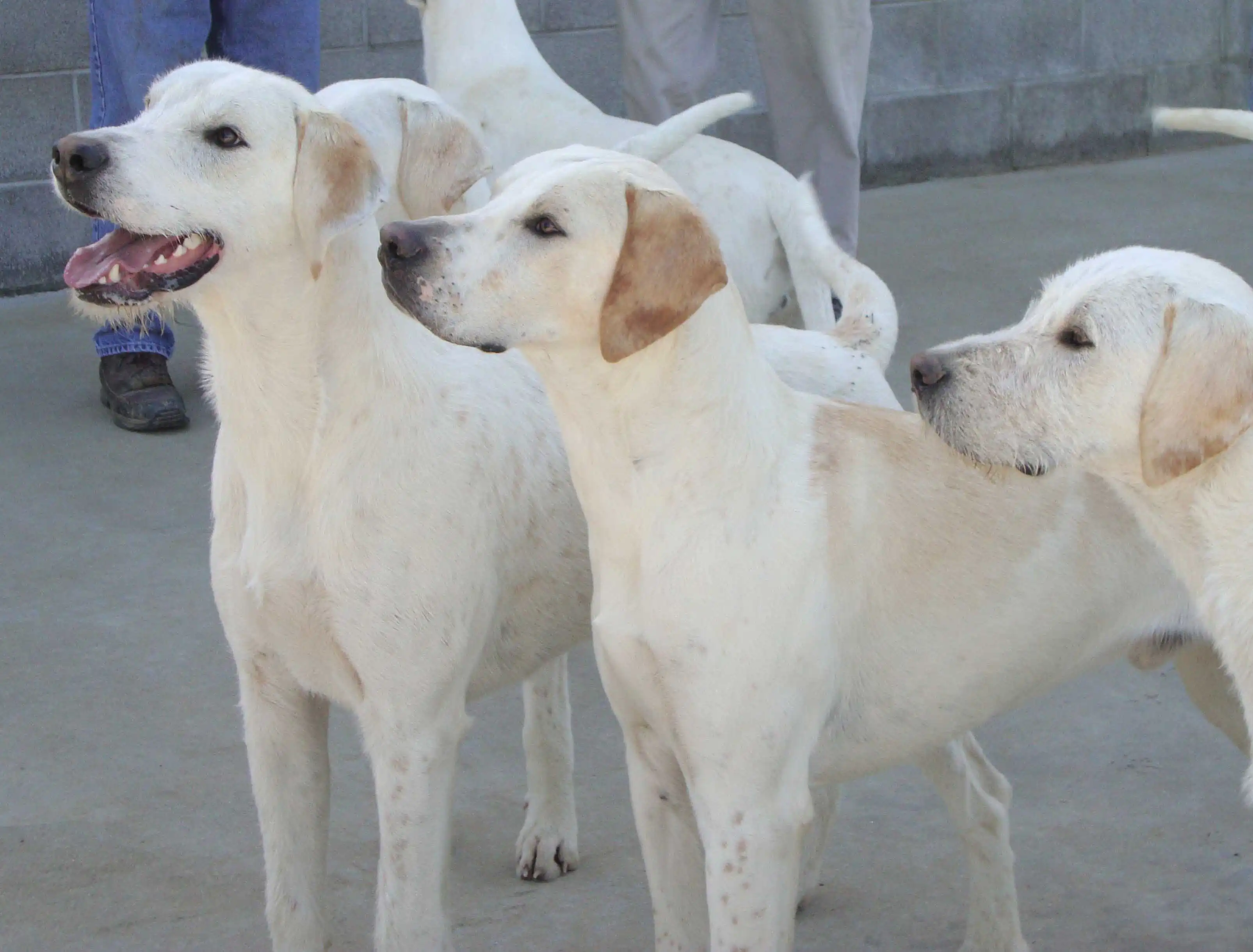
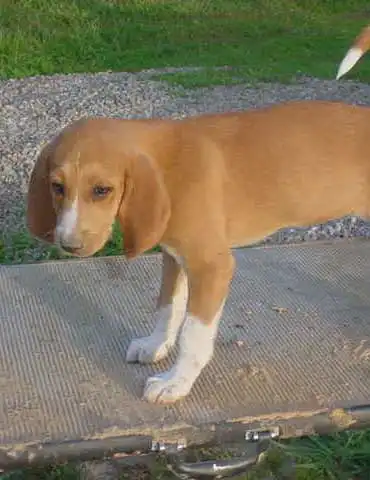
American Foxhounds, including the July Hound, are characterized by a body that is somewhat longer than their height, featuring strong, straight legs and powerful hindquarters built for speed, allowing them to pursue and outpace the long-legged red fox. Their heads are broad, with a gently rounded skull and a straight muzzle that matches the skull's length, complemented by wide, square noses that can be either black or brown. The July Hound possesses large, round eyes, available in brown or hazel, which express a gentle, almost pleading demeanor. Their long, drooping ears taper to rounded tips and hang just below the jawline. Notably, the July Hound's ears are shorter and set slightly higher than those of other American Foxhound varieties. This breed showcases a variety of colors; while the traditional tricolor of black, tan, and white is common, many July Hounds also appear in lighter hues, such as blonde and white or orange and white, often featuring a slightly fluffier coat than other hound breeds.


Care Routine
The July Hound boasts a sleek, weather-resistant coat that is relatively low-maintenance. It's important to bathe them sparingly, as frequent washing can strip away the natural oils that are vital for keeping their coat healthy, which in turn can make them more susceptible to cold weather. Their moderate shedding can usually be controlled with weekly grooming sessions using a slicker brush, a damp cloth, or a grooming glove. Furthermore, regular ear inspections are essential to check for moisture and debris, since breeds with long, floppy ears are more prone to ear infections than others.
Behavior & Temperament
The July hound exhibits a temperament similar to that of other American Foxhounds. With sufficient exercise, they tend to be playful and friendly, making them great family companions. They usually get along well with people of all ages, but it's wise to supervise them around young children due to their high energy levels, and they may show some wariness towards strangers. While they are intelligent and eager to please, their brief attention span can pose challenges during training, particularly with housetraining. The best strategy involves short, positive training sessions that include a mix of activities. In hunting scenarios, these hounds are tenacious and relentless, often chasing their quarry long after other dogs have given up. However, they are not known for treeing their prey and may lose track of animals that escape by climbing.


Play & Exercise
These dogs are intentionally bred for their exceptional endurance and stamina, necessitating significant daily exercise to maintain their mental and physical well-being. Initially created for hunting purposes, they possess a natural instinct to pursue foxes and other canids, regardless of whether they have received formal training. If hunting isn't your chosen activity, there are numerous other options to consider, including scent tracking, swimming, and rally sports. It's worth mentioning that the July hound is not well-suited for apartment living, as their high energy levels and vocal tendencies can be challenging in smaller spaces.
Things to Know
Cups Per Day
3.0 Cups
Daily Activity
60 Minutes
Average Lifespan
13 Years
Origin
1800s
Type
Pure Breeds
Size
Large
Origin Country
Georgia, United States
Brush Frequency
Weekly
Coat Texture
Straight
Register
Your kids have been begging for a pet forever, and you've recently decided that it's time for your family to get a new addition -- a dog! While everyone is excited for the new arrival, you're wondering if you need to have a dog license. How much does it cost? Is it required? Where do you get one?
Member Clubs

PETINNATE
Other
Height & Weight
Weight
62 lbs (28 kg)Male: 70 lbs (32 kg) , Female: 54 lbs (24 kg)
Height
23 inches (58 sm)Male: 24 inches (61 sm) , Female: 23 inches (58 sm)
6 Months
38 lbs ( m 38 lbs, f 38 lbs )
19 inches ( m 19 inches, f 19 inches )
12 Months
49 lbs ( m 49 lbs, f 49 lbs )
21 inches ( m 21 inches, f 21 inches )
18 Months
54 lbs ( m 54 lbs, f 54 lbs )
22 inches ( m 22 inches, f 22 inches )
Eye Colors
Hazel

Brown
Nose Colors
Black
Brown
Coat Colors
Blue
Brown
Black
White
Pied