Kangal Dog
Karabash, Turkish Kangal Dog
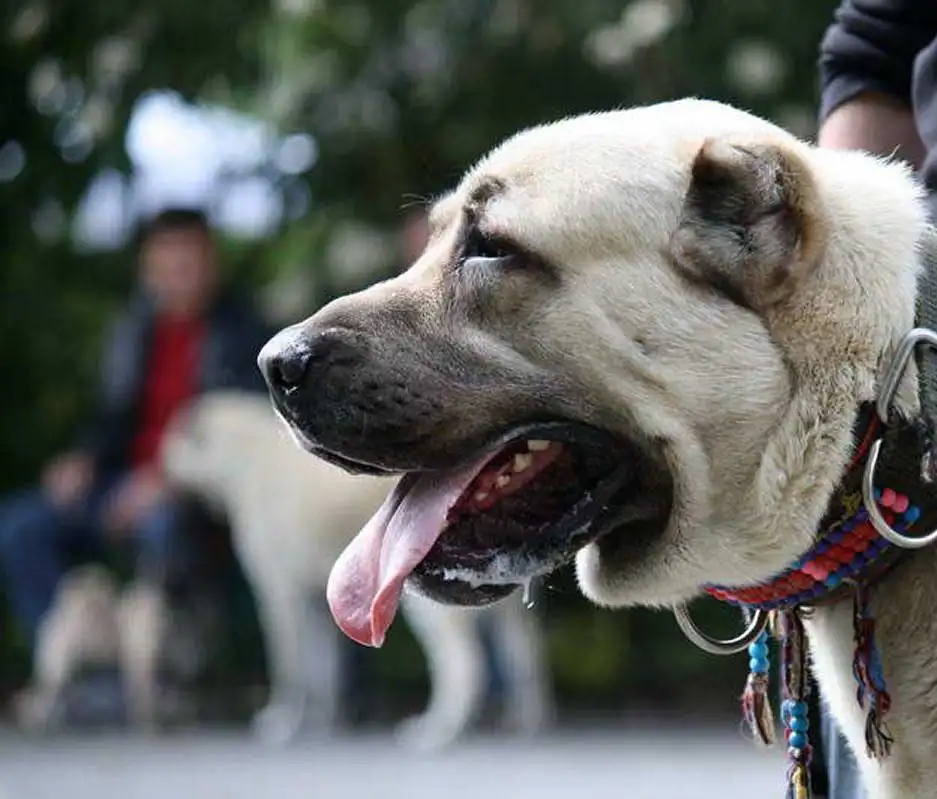
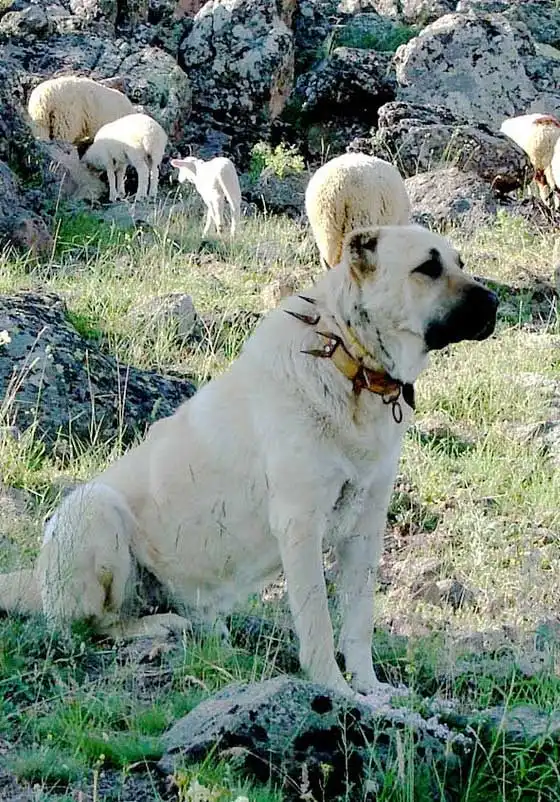
The Kangal Dog, a large breed that resembles a Mastiff, originates from Turkey. This breed has traditionally served as a protector of livestock, safeguarding them from various predators. As a true livestock guardian, the Kangal is equipped with a natural protective instinct and thrives with early socialization. Unlike many other breeds in this category, Kangals are generally more friendly towards people and particularly enjoy being around children. It is crucial to have a strong fence, as these dogs do not recognize property boundaries and can cause considerable disruptions in the neighborhood if not properly contained. Furthermore, the Kangal may show aggression towards other dogs and can be defensive when unfamiliar individuals approach their territory.
Breed Origin
The Kangal Dog is thought to be an ancient breed associated with Mastiff-type dogs illustrated in Assyrian art. Its roots are likely found in the Kangal District of Sivas Province, located in central Turkey. Researchers believe that local villagers selectively bred the Kangal Dog to safeguard their communities and livestock from threats like bears, wolves, and jackals. The breed has maintained its purity due to the seclusion of its native area, resulting in minimal crossbreeding and a stable appearance and temperament. Furthermore, the Kangal Dog seems to be largely free from genetic health problems. Today, many Turks take pride in the Kangal Dog as a symbol of national identity, with its image appearing on postage stamps and coins. In recent years, various academic institutions and the Turkish government have launched research initiatives and established breeding facilities for Kangal Dogs, focusing on careful documentation of lineage and health records. David and Judith Nelson from the United States began their exploration of different dog breeds in Turkey, bringing attention to the Kangal Dog and introducing this exceptional livestock guardian to North America and Europe. In 1985, they are believed to have imported the first Kangal Dog to the United States. Following this initial import, the Nelsons continued to bring in more Kangal Dogs and developed a breeding program that has become the foundation for most Kangal Dogs in North America today. The United Kennel Club is the only organization in North America that officially recognizes the Kangal Dog.
Breed Appearance
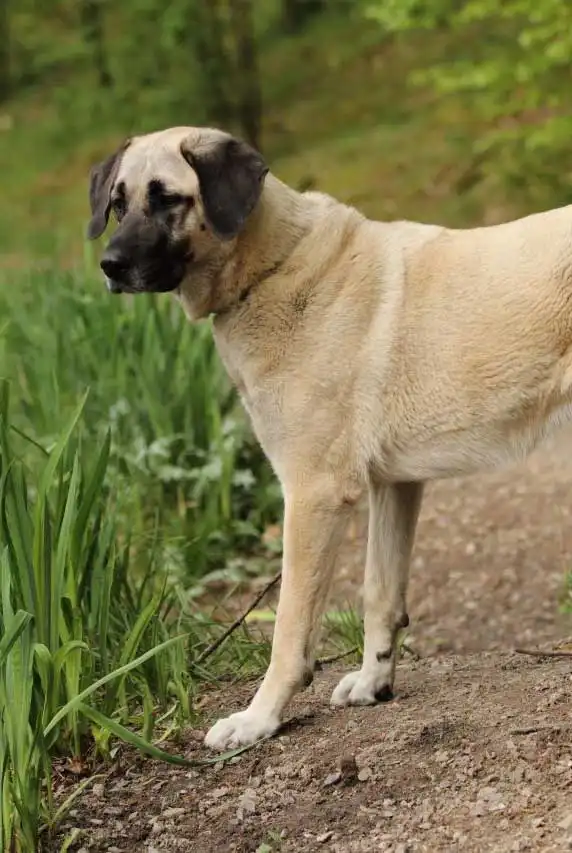
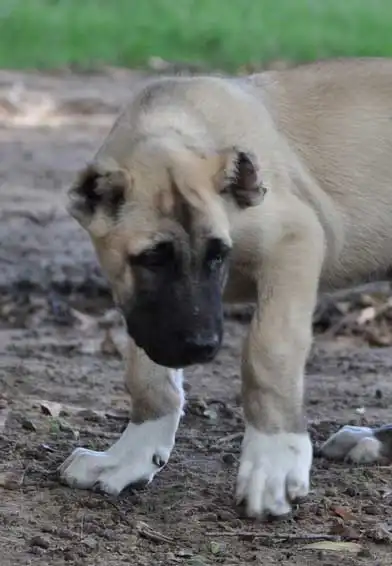
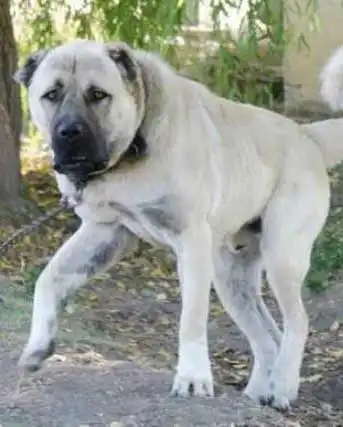
The Kangal Dog is characterized by a short, dense double coat that should never appear fluffy, lengthy, or wavy. In winter, his coat thickens, while he sheds any excess fur during the spring and summer months. The outer layer of the coat has a coarse texture, contrasting with the soft undercoat, which typically displays various shades of gray. A striking aspect of the Kangal Dog is his solid coloration. He may be fawn sable, light golden, dun, or gray, with the gray ranging from a soft dove gray to a more pronounced steel gray. A prominent feature is his black mask, which fully covers his muzzle and may extend up his face and over his head. His ears are also uniformly black. The only acceptable white markings on a Kangal Dog are located on his feet, chest, and chin. Additionally, he possesses a black nose, and his eyes can range from deep brown to amber, framed by distinctive black eye rims.
Care Routine
The Kangal Dog is characterized by a short, robust coat that requires minimal upkeep. For those who work with livestock, these dogs generally need grooming only a few times a year. However, Kangal Dogs that live indoors will necessitate more regular grooming to manage loose hair that can accumulate on floors and furniture. Their thick coat sheds throughout the year, with a notable increase in shedding during spring and summer as they shed their heavier winter fur. During these peak shedding times, daily brushing is advisable. Using a slicker brush and a metal comb is recommended, and a deshedder can be particularly effective for removing loose undercoat. Furthermore, it’s essential to inspect their nails on a weekly basis; while trimming may only be required every few weeks, regular checks help maintain their foot health and prevent cuts or abrasions.
Behavior & Temperament
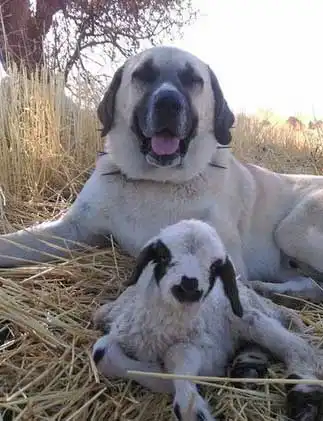
The Kangal Dog distinguishes itself from other livestock guardian breeds through its remarkable connection with humans. While it is alert and protective of its household and loved ones, this breed develops profound relationships with its human family, which can complicate the process of re-homing an adult Kangal. Generally reserved around unfamiliar faces, the Kangal is typically gentle with children but may show defensiveness towards those outside its immediate family. To ensure a well-adjusted pet, it is vital to prioritize early socialization and training. Furthermore, a sturdy fence is crucial, as this breed has a propensity to wander. Its territorial instincts can result in aggressive behavior towards other animals and people if not adequately contained. Continuous training is essential, and incorporating it into regular exercise routines often proves to be the most effective strategy.
Play & Exercise
The Kangal Dog is characterized by a moderate energy level, but it is crucial for him to partake in daily physical activities that engage both his body and mind. As an instinctive guardian of livestock, he naturally patrols his surroundings, showcasing protective instincts towards his home and family. When given ample space, he can meet his exercise needs by walking or trotting around the property. However, to effectively stimulate his mind, he should also engage in interactive games, obedience training, and socialization. Integrating training into his exercise regimen is a productive way to channel his energy while offering him meaningful tasks. With enough time dedicated to running and play, he will grow into a loyal and well-behaved companion.
Things to Know
Cups Per Day
4.0 Cups
Daily Activity
45 Minutes
Average Lifespan
14 Years
Origin
Ancient Times
Type
Pure Breeds
Size
Giant
Origin Country
Turkey
Brush Frequency
Weekly
Coat Texture
Straight
Register
Your kids have been begging for a pet forever, and you've recently decided that it's time for your family to get a new addition -- a dog! While everyone is excited for the new arrival, you're wondering if you need to have a dog license. How much does it cost? Is it required? Where do you get one?
Member Clubs

PETINNATE
Guardian Dog

UKC
Guardian Dog
Height & Weight
Weight
118 lbs (54 kg)Male: 130 lbs (59 kg) , Female: 105 lbs (48 kg)
Height
31 inches (79 sm)Male: 32 inches (81 sm) , Female: 29 inches (74 sm)
6 Months
50 lbs ( m 50 lbs, f 50 lbs )
21 inches ( m 21 inches, f 21 inches )
12 Months
87 lbs ( m 87 lbs, f 87 lbs )
26 inches ( m 26 inches, f 26 inches )
18 Months
105 lbs ( m 105 lbs, f 105 lbs )
29 inches ( m 29 inches, f 29 inches )
Eye Colors
Brown

Amber
Nose Colors
Black
Coat Colors
Gray
Fawn
Sable