Karst Shepherd Dog
Karst Sheepdog, Istrian Sheepdog, Krasky Ovcar, Krasevec, Krazski Ovcar
The Karst Shepherd shares similarities with the Caucasian Shepherd but is notably smaller. This medium-sized sheepdog features a long, luxurious coat. Renowned for his cautious nature around unfamiliar faces, the Karst Shepherd takes time to warm up to new individuals, which enhances his effectiveness as a guard dog. As a primarily working breed, he requires thorough training and socialization to integrate well into family life. For him to flourish as a family pet, it is essential that he has a defined role or task. Furthermore, he should not be left alone with other household pets without supervision.
Breed Origin
The Karst Shepherd is considered Slovenia's oldest native breed. While its precise origins are somewhat ambiguous, it is thought to be an ancient breed utilized for herding sheep and protecting livestock in the Karst region of Slovenia, particularly around Pivka. Notably, Professor Strebel, a prominent explorer, highlighted that the breed's ancestors link the German Shepherd to the Greek Molos. He also suggests a possible connection to a Latin lineage associated with the Pompeii Dog. Conversely, some researchers argue that the breed's predecessors were brought to the Slovenian Karst by the Illyrians, who migrated from the Dalmatian Islands and Istra. A widely accepted theory indicates that the Greek Molos was interbred with several sheepdog breeds, such as the Romanian Sheepdog, Caucasian Shepherd, Sarplaninec, and Macedonian Sheepdog. In 1939, the Karst Shepherd was internationally recognized as the Illyrian Shepherd and categorized alongside the Shepherd of the Sarplaninia Massif. It was subsequently renamed Krasevec in 1968. That same year, the Central Society of Yugoslavia officially recognized the Sarplaninia Massif Shepherd and the Krasevec as distinct breeds, designating them as the Sarplaninac and the Karst Shepherd Dog, respectively. The timeline regarding the Karst Shepherd's arrival in the United States is unclear. Although there is no documented evidence, it is believed that the breed may have first entered Canada or Mexico before making its way into the U.S. While the American Kennel Club does not officially recognize the breed, it has been acknowledged by the United Kennel Club since July 1, 2006.
Breed Appearance
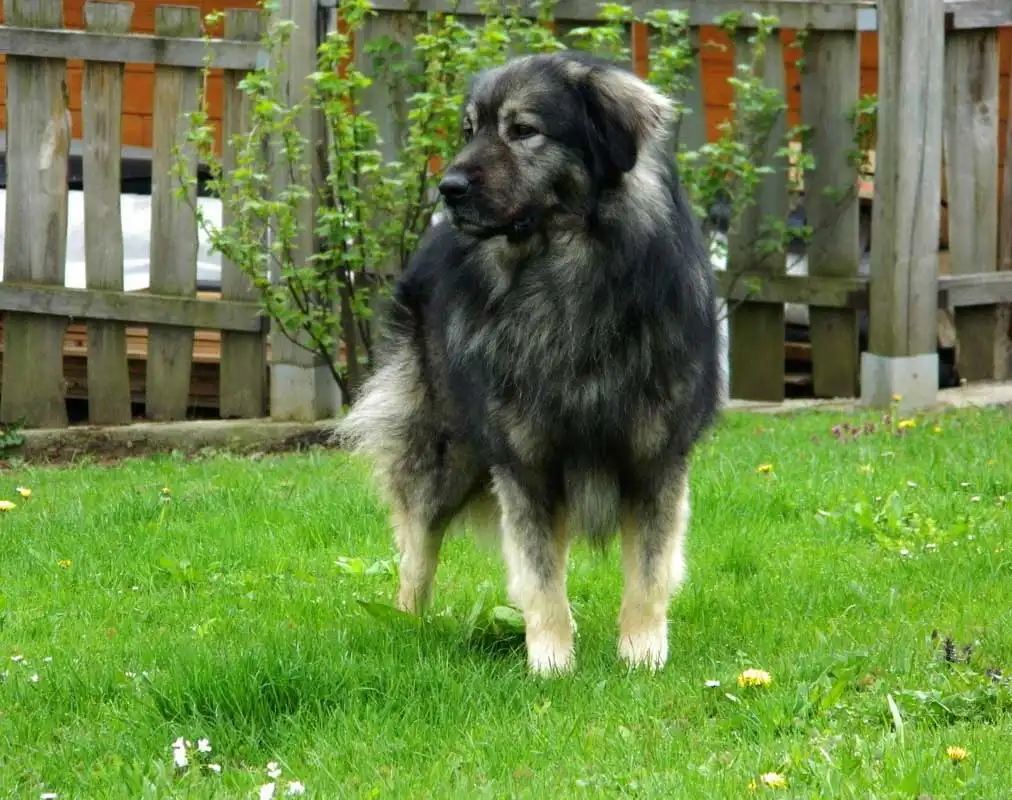
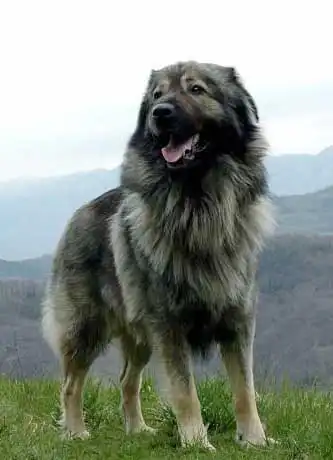
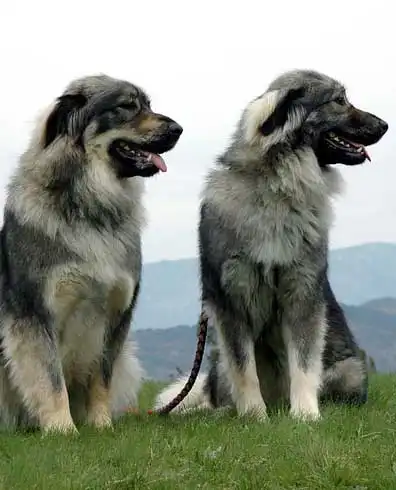
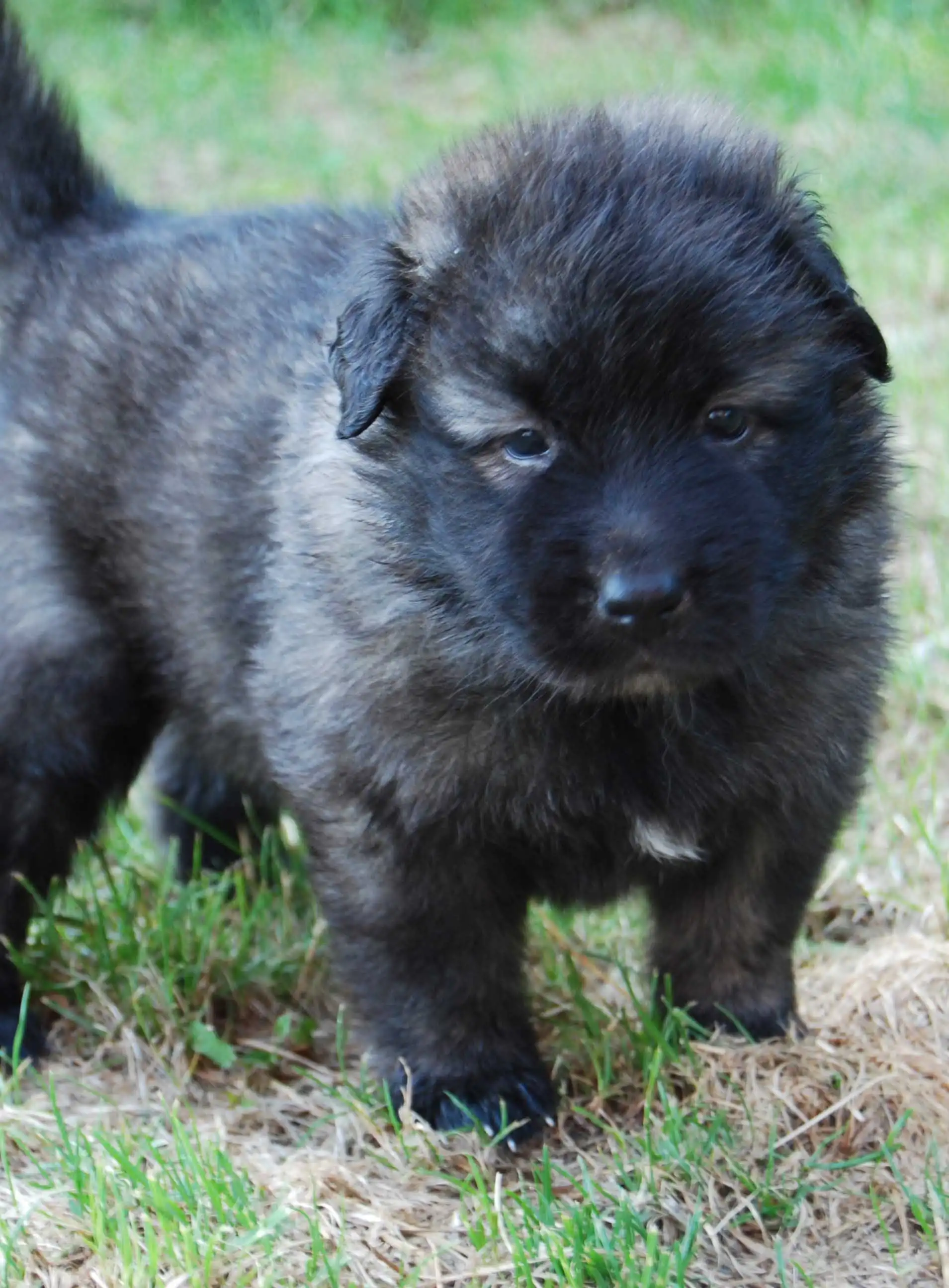
The Karst Shepherd is a medium-sized sheepdog recognized for its sturdy physique and eye-catching look. This breed is characterized by a long, dense coat that varies in shades of gray, from rich charcoal to lighter silver tones. Typically, those with darker gray fur exhibit a paler hue on their legs and underbelly. The double coat lies flat against the body, with the exception of the feathering on the tail and legs. The fur on the body should be at least 10 cm in length, while the feathering is expected to be longer and more abundant. The outer layer of the coat has a moderately coarse feel, while the undercoat is soft and flexible. The dog has almond-shaped, dark brown eyes bordered by black rims, which contribute to its curious expression. Additionally, a dark mask covers the muzzle, extending to the top of the skull, and the nose is large, black, and features open nostrils.
Care Routine
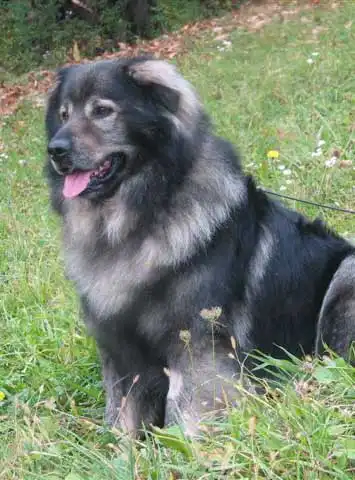
The Karst Shepherd is characterized by a dense, double-layered coat, making him an unsuitable choice for those looking for a hypoallergenic breed. To maintain the health of his fur, he requires weekly grooming with a pin brush and a metal comb. His double coat leads to considerable seasonal shedding, especially during the spring and summer, necessitating daily grooming during these times to manage the excess hair. Proper coat care is crucial to prevent tangles, particularly in the feathered areas around his legs, tail, and ears. Using a detangling spray can help alleviate any knots that may form between grooming sessions. Generally, the Karst Shepherd only needs a bath twice a year: once at the beginning of shedding season and again in the fall when he is growing a new undercoat. It’s advisable to consult your veterinarian for recommendations on the best shampoo for his coat. Additionally, remember to trim his nails every few weeks and check his ears weekly, cleaning them as needed to prevent odors or infections.
Behavior & Temperament
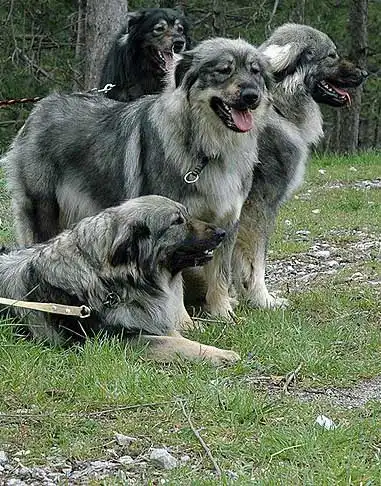
The Karst Shepherd is a unique breed that functions both as a sheepdog and a livestock guardian, making him an outstanding protector and a devoted family companion. However, his protective instincts often lead to dominant behaviors, which means he is best suited for experienced dog owners familiar with assertive breeds. Novice handlers should avoid this breed. For the Karst Shepherd to flourish, he needs a confident owner who can provide consistent training and socialization. Be ready to invest ample time in these areas. Naturally cautious around strangers, this breed requires a secure fence to keep him safely contained in your yard. Allowing him to roam freely in the neighborhood is not recommended, as he may show aggression towards unfamiliar people or animals. While he can become a loyal friend, building this relationship requires significant dedication, effort, and training.
Play & Exercise
The Karst Shepherd is a medium-sized dog that requires a moderate level of daily exercise. Regular walks or hikes not only fulfill his physical activity needs but also strengthen the relationship between you and your pet. To ensure his safety during these outings, it’s essential to keep him on a leash. Incorporate training and socialization into your exercise sessions by using familiar commands like "heel," "sit," and "down" while you walk or hike. This approach not only reinforces his training but also aids in his learning process. Moreover, enhance his social skills by introducing him to various people and other dogs during these activities. The Karst Shepherd excels in specific dog sports, such as herding trials and agility competitions, which can further enrich the bond with his owner.
Things to Know
Cups Per Day
2.5 Cups
Daily Activity
45 Minutes
Average Lifespan
12 Years
Origin
Ancient Times
Type
Pure Breeds
Size
Large
Origin Country
Slovenia
Brush Frequency
Weekly
Coat Texture
Straight
Register
Your kids have been begging for a pet forever, and you've recently decided that it's time for your family to get a new addition -- a dog! While everyone is excited for the new arrival, you're wondering if you need to have a dog license. How much does it cost? Is it required? Where do you get one?
Member Clubs

PETINNATE
Guardian Dog

UKC
Guardian Dog
Height & Weight
Weight
73 lbs (33 kg)Male: 73 lbs (33 kg) , Female: 73 lbs (33 kg)
Height
23 inches (58 sm)Male: 24 inches (61 sm) , Female: 23 inches (58 sm)
6 Months
30 lbs ( m 30 lbs, f 30 lbs )
17 inches ( m 17 inches, f 17 inches )
12 Months
57 lbs ( m 57 lbs, f 57 lbs )
20 inches ( m 20 inches, f 20 inches )
18 Months
73 lbs ( m 73 lbs, f 73 lbs )
22 inches ( m 22 inches, f 22 inches )
Eye Colors
Brown

Nose Colors
Black
Coat Colors
Gray