Kerry Beagle
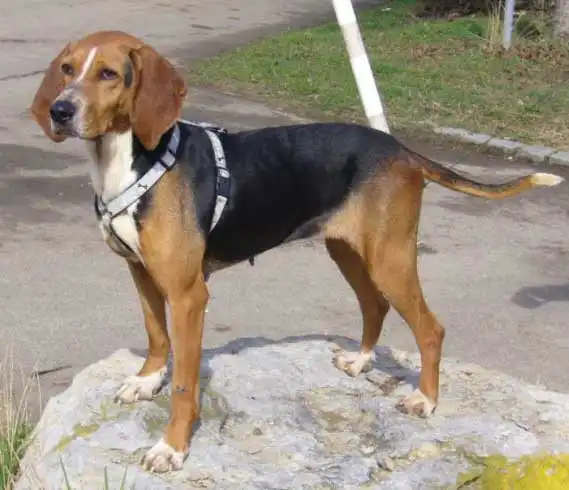
The Kerry Beagle ranks as one of Ireland's oldest dog breeds, with its ancestry dating back to the late 1700s. However, it is not generally recognized as a true Beagle. Rather, this breed is more closely linked to the hound category and is thought to have played a significant role in the development of Coonhound breeds in the United States. While they excel as tenacious hunters in the field, Kerry Beagles are also cherished for their loving and gentle demeanor at home, making them excellent companions for families. They can serve effectively as watchdogs, but their energetic nature and tendency to be vocal may not be ideal for smaller living environments, such as apartments.
Breed Origin
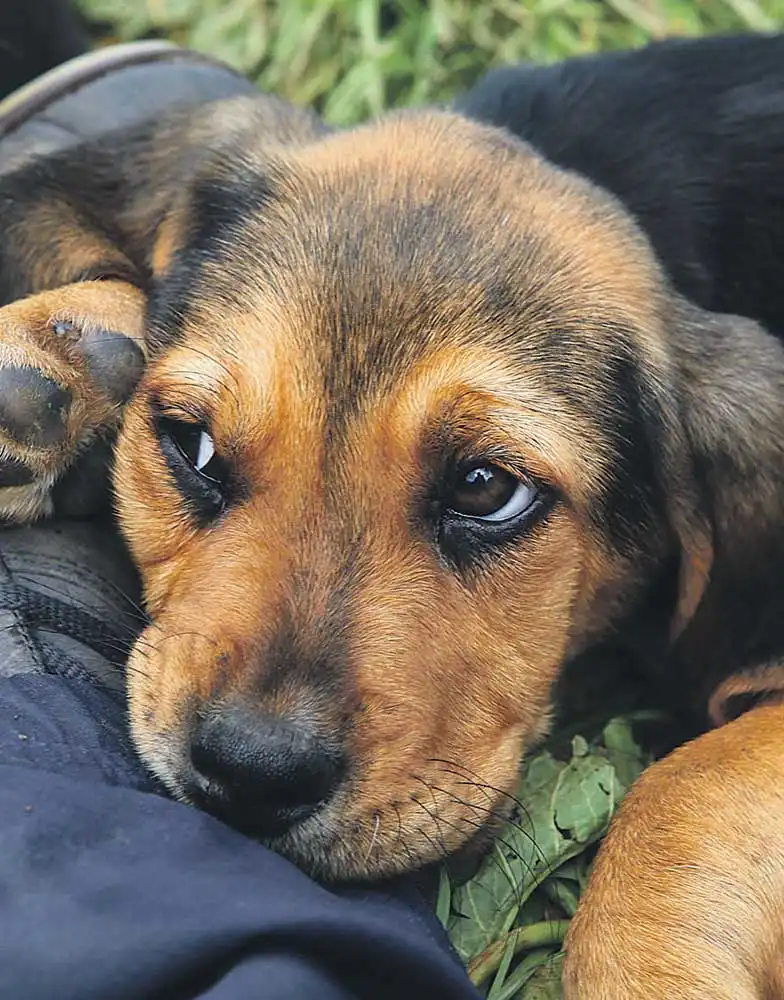
The name "Kerry Beagle" can be somewhat deceptive, as this breed is classified within the Hound category rather than the Beagle group. Celebrated for their athletic prowess, these dogs are among the oldest breeds that trace their roots back to Ireland. While detailed records of their ancestry date back to 1794, the specific breeds that contributed to their formation before that time remain unclear. Local legends suggest that when Noah’s Ark came to rest on the highest peak in Tipperary, two black and tan hounds disappeared while pursuing a fox, allegedly laying the groundwork for this breed. However, most experts and enthusiasts agree that the Kerry Beagle likely descends from the Old Southern Hound and various Celtic Hounds indigenous to the region. The Great Famine of 1845-49 had a devastating effect on all breeds and species in the area, and the Kerry Beagle was no exception. Fortunately, Scarteen House, a well-known equestrian and dog training establishment in County Limerick, succeeded in preserving and breeding several of these dogs. As a result, most modern Kerry Beagles can trace their ancestry back to the breeding stock at Scarteen House, which is also believed to have played a significant role in the development of today’s Coonhound. Despite a renewed interest in Kerry Beagles in Ireland and their official recognition by the Irish Kennel Club in 1991, they remain extremely rare outside their homeland and have yet to receive acknowledgment from major kennel organizations.
Breed Appearance
The Kerry Beagle is a hound of medium to large size, known for its agile yet muscular build, which gives it a nearly square shape. This breed features a robust, slightly arched neck and sturdy, short legs ending in compact, round paws. Its head is long and broad, characterized by a low forehead, an elongated muzzle that gently arches, and loose upper lips that hang down. One of the breed's defining traits is its large, oval eyes, which can range in color from yellow or amber to a rich brown that nearly appears black. The ears are long and droop down, positioned low on the sides of the head, while the tail is lengthy and well-feathered, typically held with a slight upward curve. The Kerry Beagle's coat is short and single-layered, most commonly seen in a black and tan pattern, although variations such as tan and white, blue and tan, and tricolor are also quite common.

Care Routine
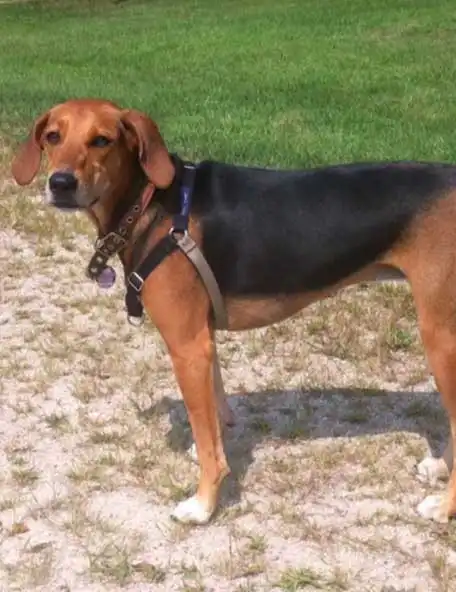
Caring for a Kerry Beagle is typically quite simple. These dogs need to be bathed only a few times a year to maintain the natural oils in their short, thick coats. They don’t shed much, so brushing them a couple of times each month is adequate for those that live indoors. However, for Beagles that are more active outdoors, it’s best to brush them once or twice a week to remove dirt, dust, and pollen from their fur. Regular ear inspections are crucial to keep them clean, dry, and free from wax buildup or infections. It’s also important to check their feet regularly, as their energetic lifestyle can result in nail tears and snags. Finally, brushing their teeth several times a week is advisable to ensure good dental health.
Behavior & Temperament
These dogs are formidable hunters with a strong instinct to pursue prey, a drive that becomes even more pronounced when they hunt in packs. Despite their hunting prowess, they typically direct their aggression solely at their quarry and are generally sociable and playful with both other dogs and people, regardless of age. When introduced to cats and other animals early on, they can often learn to coexist peacefully, although some may still have a tendency to chase, particularly when surrounded by other hounds. It's important to supervise their interactions with small children, but this breed is known for its remarkable gentleness towards them. While they are generally alert and not overly vocal, they will bark to notify their owners of any potential dangers, making them effective natural watchdogs. Their intelligence and willingness to learn also facilitate their training process.


Play & Exercise
The Kerry Beagle is a lively and active breed that needs a significant amount of exercise—generally, about an hour of vigorous activity each day is adequate. However, many of these dogs are more than willing to participate in physical activities for extended periods if the opportunity arises. While they enjoy walks and runs, their sharp intellect means they also flourish when faced with mental challenges. Engaging in activities that stimulate their minds, such as tracking, trailing, agility training, and rally sports, tends to be especially rewarding for them. Moreover, they often find puzzle toys, particularly those that provide food rewards, to be highly captivating.
Things to Know
Cups Per Day
2.5 Cups
Daily Activity
60 Minutes
Average Lifespan
12 Years
Origin
16th century
Type
Pure Breeds
Size
Medium
Origin Country
Ireland
Brush Frequency
Monthly
Coat Texture
Straight
Register
Your kids have been begging for a pet forever, and you've recently decided that it's time for your family to get a new addition -- a dog! While everyone is excited for the new arrival, you're wondering if you need to have a dog license. How much does it cost? Is it required? Where do you get one?
Member Clubs

PETINNATE
Other
Height & Weight
Weight
55 lbs (25 kg)Male: 55 lbs (25 kg) , Female: 55 lbs (25 kg)
Height
23 inches (58 sm)Male: 23 inches (58 sm) , Female: 23 inches (58 sm)
6 Months
38 lbs ( m 38 lbs, f 38 lbs )
20 inches ( m 20 inches, f 20 inches )
12 Months
49 lbs ( m 49 lbs, f 49 lbs )
22 inches ( m 22 inches, f 22 inches )
18 Months
55 lbs ( m 55 lbs, f 55 lbs )
23 inches ( m 23 inches, f 23 inches )
Eye Colors
Hazel

Brown
Amber
Nose Colors
Black
Coat Colors
Blue

Brown

Black