King Shepherd
American King Shepherd
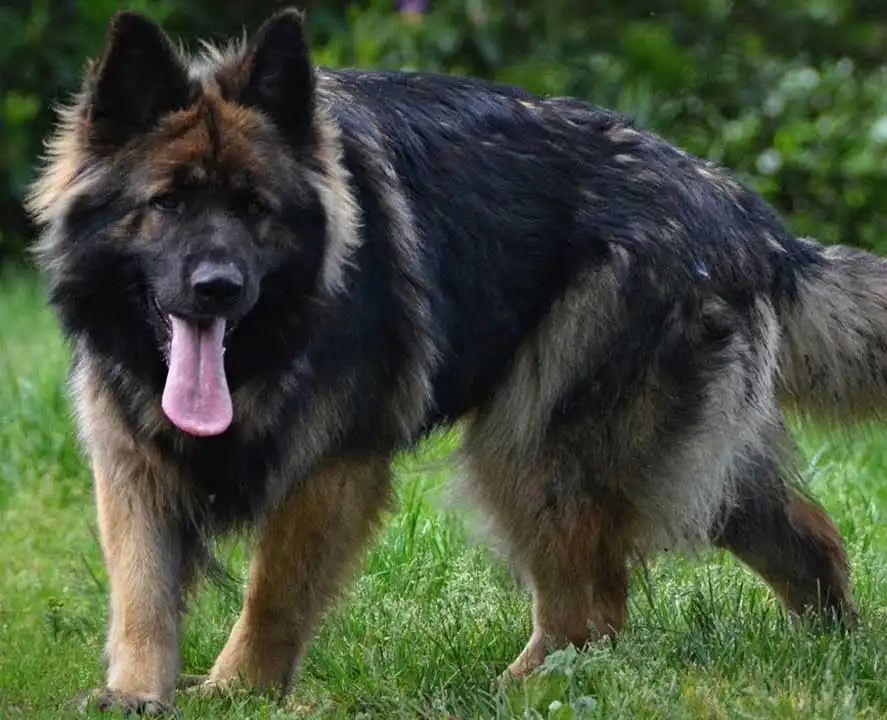
The King Shepherd is a relatively recent breed, developed since the early 1990s in the United States. Breeders Shelley Watts-Cross and David Turkheimer set out to create a dog that not only shares the German Shepherd's temperament and appearance but is also larger in size. These dogs display the confidence characteristic of German Shepherds, yet they tend to be more easygoing and affectionate, making them ideal for various roles, including livestock guarding, personal protection, and therapy work. Generally, King Shepherds are sociable, although they may be a bit reserved around strangers. They typically get along well with other animals, but ensuring proper socialization is crucial to maintain their calm demeanor.
Breed Origin
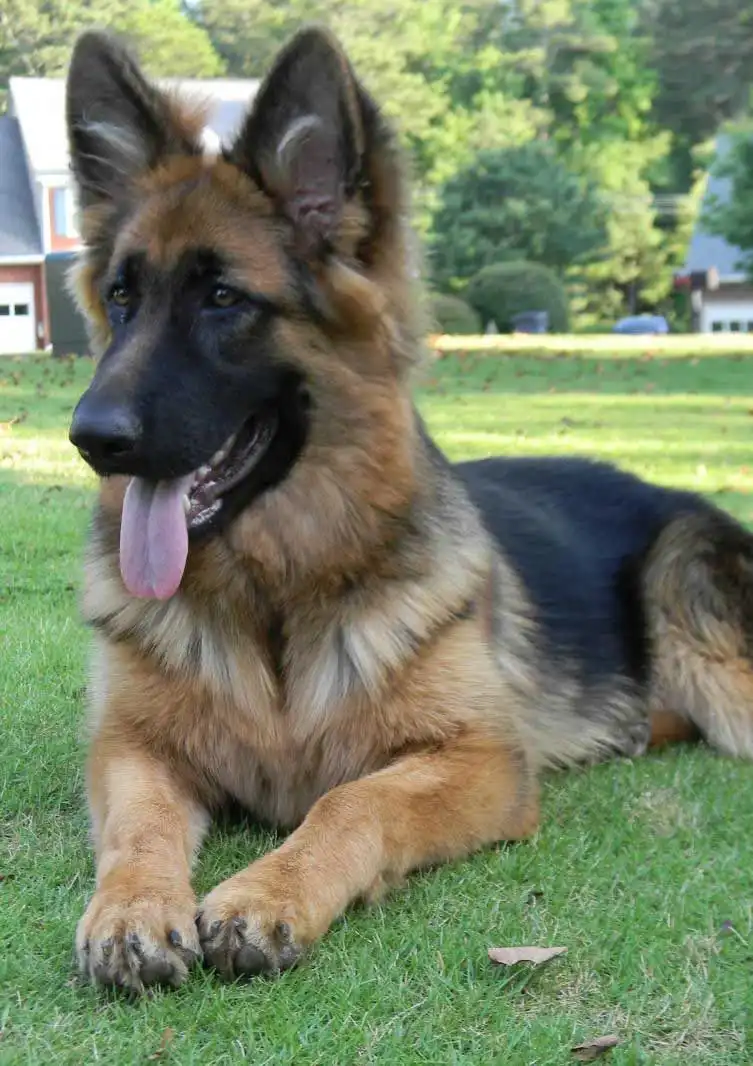
The King Shepherd is a relatively recent dog breed that emerged in the United States and is still in the process of being refined. The breed was developed in the early 1990s by breeders Shelley Watts-Cross and David Turkheimer, who combined German Shepherds from both American and European lines with Shiloh Shepherds—another breed in development—while also incorporating traits from Alaska Malamutes and Great Pyrenees. Their aim was to create a dog that not only preserved the working abilities and protective nature of the German Shepherd but also boasted a larger size, improved health, and a more sociable temperament. Significant strides have been made since then, including the establishment of the official King Shepherd club in 1995. As a rare breed still evolving, the King Shepherd has not yet gained recognition from major kennel clubs. However, it can be registered with the American Rare Breed Association and the American King Shepherd Club. The breed's popularity has surged, leading responsible breeders to prioritize careful breeding practices to improve the dogs' overall health. This growing interest has resulted in a wide price range for well-bred puppies, typically falling between $1,500 and $3,000. Unfortunately, the breed's rising appeal has also attracted some unethical breeders who may neglect essential genetic and physical testing. Therefore, if you are considering bringing a King Shepherd puppy into your home, it is vital to ensure that the puppy's parents are registered with the American King Shepherd Club.
Breed Appearance
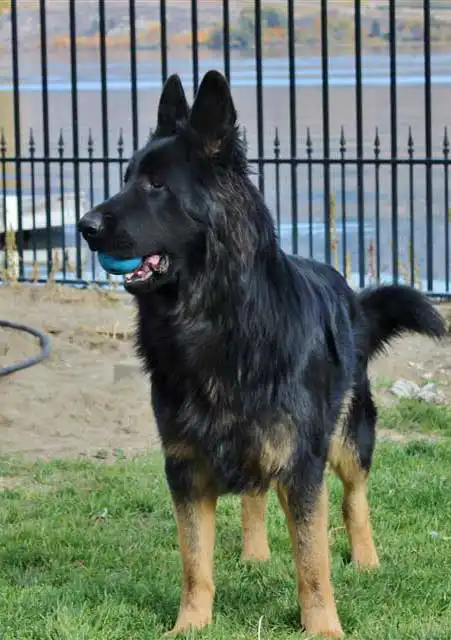
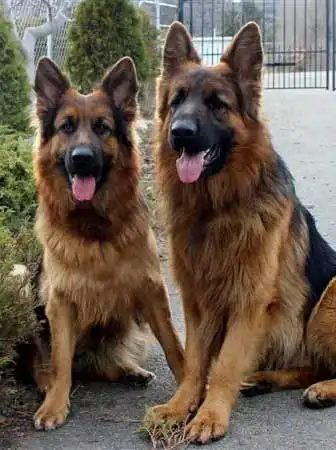
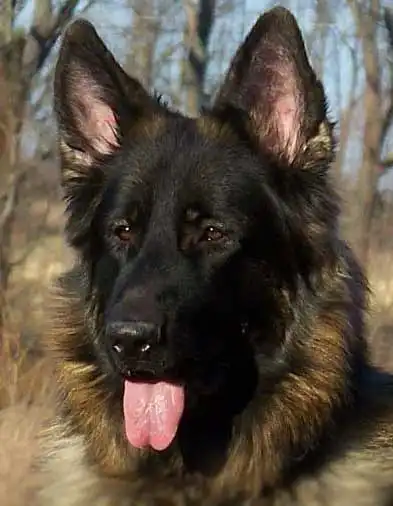
These remarkable dogs are known for their sturdy builds, featuring strong bones and deep chests, typically reaching heights of over two feet at the shoulder and often weighing more than one hundred pounds. Their muscular physique gives them a slightly elongated look, resulting in a rectangular shape that is enhanced by a long, straight or gently curved tail usually held low. The King Shepherd breed is distinguished by a prominent, well-defined skull that tapers towards the eyes, along with a balanced square muzzle and a powerful underjaw. Their dark brown, almond-shaped eyes reflect a sharp yet calm expression, while their large, triangular ears stand upright and face forward, often fringed with thick fur along the edges. Additionally, the breed features a notably large black nose. According to breed standards, there is no penalty for dogs that display “snow nose,” a condition where lighter spots or streaks appear on the nose, particularly during the winter months.
Care Routine
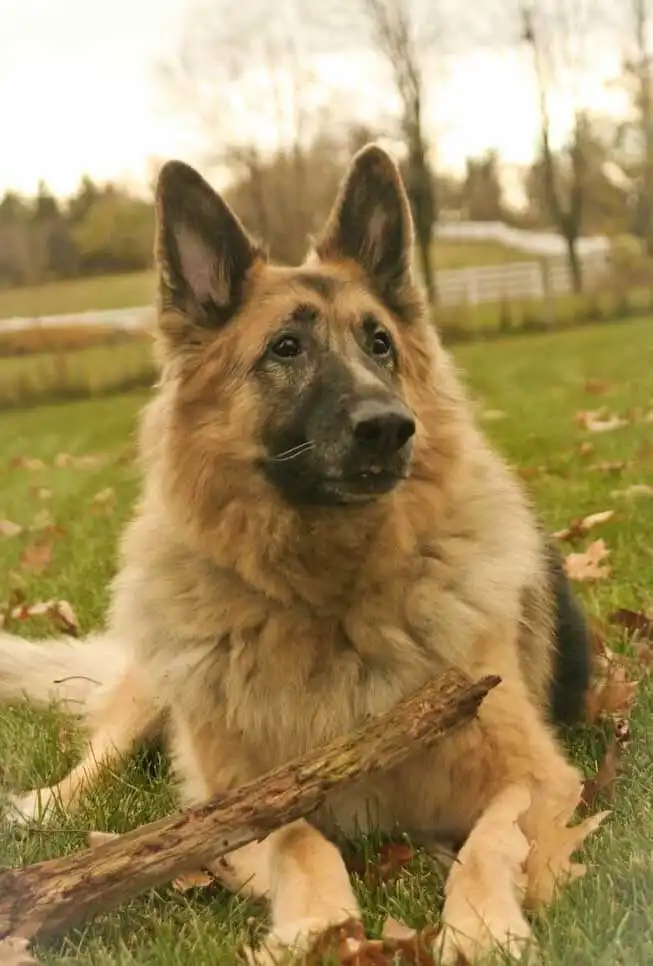
The King Shepherd features a thick, weather-resistant coat that should not be washed frequently; however, it requires consistent and thorough brushing. Grooming your dog several times a week helps eliminate dead hair, control moderate shedding year-round, improve blood circulation, and prevent uncomfortable or potentially harmful tangles and mats in the undercoat near the skin. This breed typically experiences increased shedding during seasonal changes, making daily brushing necessary during those times to manage the heavier loss of fur. Furthermore, it’s important to regularly inspect their ears for dirt, debris, or any signs of injury to avert the risk of infections.
Behavior & Temperament
King Shepherds are generally confident dogs. While they may exhibit some wariness around strangers, they are rarely shy or aggressive. These dogs are incredibly loyal and affectionate with their families. It’s crucial to supervise their interactions with young children, but they usually display a calm temperament and can be trusted around kids. With a natural protective instinct, they can be effectively trained for guarding and protection duties. Their friendly nature and stable personalities also make them outstanding therapy dogs. Although they are not as hyperactive as certain breeds, they possess significant stamina, strength, and agility, which makes them ideal for herding and protecting livestock. They typically get along well with other dogs, but proper socialization is vital to ensure they maintain their confidence and amiable nature. While they are generally friendly towards other animals, including cats, some individual dogs may have a tendency to chase them.
Play & Exercise
This breed is widely recognized for its calm demeanor; while they possess athleticism, they do not exhibit hyperactive tendencies. The King Shepherd was developed by blending several working breeds known for their power and endurance. Being large dogs, they need consistent exercise to maintain their fitness, ideally engaging in at least one to one and a half hours of walking or jogging daily. Furthermore, their high intelligence necessitates daily mental challenges and training to prevent boredom-related negative behaviors.
Things to Know
Cups Per Day
4.0 Cups
Daily Activity
60 Minutes
Average Lifespan
11 Years
Origin
1990s
Type
Pure Breeds
Size
Giant
Origin Country
United States
Brush Frequency
Daily
Coat Texture
Straight
Register
Your kids have been begging for a pet forever, and you've recently decided that it's time for your family to get a new addition -- a dog! While everyone is excited for the new arrival, you're wondering if you need to have a dog license. How much does it cost? Is it required? Where do you get one?
Member Clubs

PETINNATE
Other
Height & Weight
Weight
106 lbs (48 kg)Male: 120 lbs (54 kg) , Female: 93 lbs (42 kg)
Height
27 inches (69 sm)Male: 28 inches (71 sm) , Female: 26 inches (66 sm)
6 Months
55 lbs ( m 55 lbs, f 55 lbs )
21 inches ( m 21 inches, f 21 inches )
12 Months
79 lbs ( m 79 lbs, f 79 lbs )
24 inches ( m 24 inches, f 24 inches )
18 Months
83 lbs ( m 83 lbs, f 83 lbs )
25 inches ( m 25 inches, f 25 inches )
Eye Colors
Brown

Nose Colors
Black
Coat Colors
Fawn
Red
Black
Brown
Sable