Kuchi
Sage Kuchi, Sage Koochee, Sage Jangi, De Kochyano Spai, Jangi Spai, Afghan Shepherd
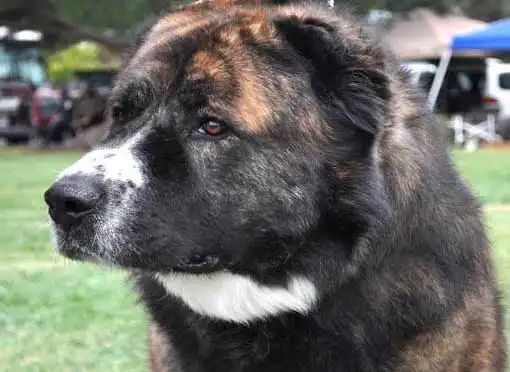
The Kuchi is a rare breed specifically bred for the purpose of guarding and protection. Renowned for their athletic build, speed, and agility, these dogs also exhibit impressive endurance. While the Kuchi is not officially acknowledged by any kennel clubs in the Western world, they are cherished in their native lands of Afghanistan and Pakistan. This breed is typically quite cautious around unfamiliar people, often requiring a significant amount of time to become comfortable with new faces. It’s crucial to understand that they are unlikely to greet strangers with warmth. To prevent the Kuchi from developing aggressive behaviors towards outsiders, early socialization is vital.
Breed Origin
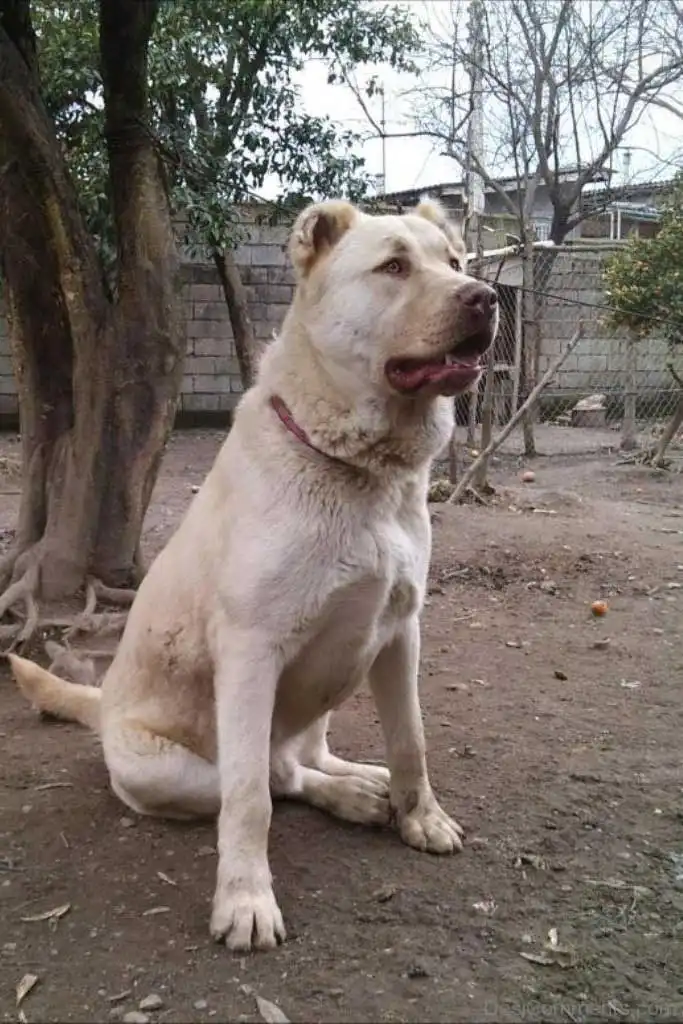
The Kuchi breed takes its name from the Afghan Kochi people, who are believed to be the first to interact with these molosser-type dogs. It is widely thought that nomadic tribes in Afghanistan developed this breed to safeguard caravans and livestock from threats such as predators and thieves. However, due to the limited documentation surrounding the Kuchi, its precise origins remain unclear, and its lineage is somewhat mysterious. This uncertainty has led historians to theorize that the Kuchi is a primitive breed that has largely stayed hidden from the wider world while accompanying their nomadic caretakers across Afghanistan and Pakistan. As molosser-type dogs, Kuchi share a close genetic connection with the Central Asian Ovcharka, with some researchers proposing that the Kuchi may simply be a variation of this breed. Their exceptional adaptability to their native habitats allows them to thrive in various climates throughout the Middle East. The Kuchi is typically classified into three main types: mountain, steppe, and desert, with some enthusiasts further categorizing them into tiger and lion types. Being a large breed, the Kuchi has honed the skills necessary for independent survival, having journeyed with nomadic groups across a range of terrains and climates for centuries. They have become adept at hunting for their own food, as nomads could not always provide for them. Recently, advocates for the breed have begun to stress the importance of responsible breeding practices and the creation of a recognized breed standard. While the Kuchi is more commonly found in Pakistan and Afghanistan, it is considered a rare breed in other regions of the world.
Breed Appearance
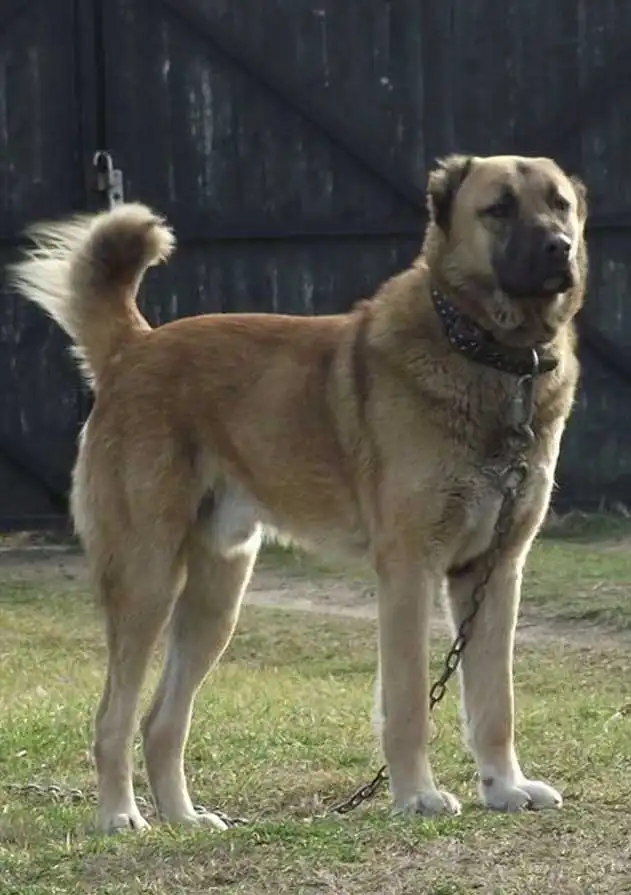
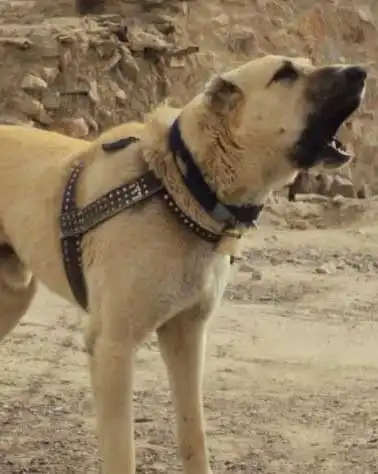
The Kuchi breed is categorized into three distinct types, all of which share a sturdy, large-boned build and a notable head structure. Typically, Kuchi dogs have dark eyes and black noses, although those with lighter fur may exhibit noses that match their coat color. Their ears are generally cropped close to the head, and their tails are docked. The mountain variety of Kuchi is characterized by a more robust bone structure and features a longer, denser coat. This type is particularly adept at traversing rugged landscapes, although it may lack agility on flat ground. In contrast, the steppe variety has a lighter skeletal frame, enabling quick movement across open plains, and is adorned with a medium to long coat that is somewhat dense, yet not as thick as that of the mountain variety. Finally, the desert variety is distinguished by its short coat, which develops a thick, woolly undercoat during the colder months, and it has a heavier bone structure than the steppe type. All three Kuchi varieties come in a variety of colors, including black, red, fawn, and grey.

Care Routine
The Kuchi is a distinct breed known for its independence and self-sufficiency, though it does require more grooming during peak shedding seasons. Each of the three varieties features a dense undercoat that fully sheds in the spring, making daily brushing necessary to control the hair that can spread throughout your home and adhere to your clothing. During less intense shedding times, a weekly grooming session with a pin brush, metal comb, and, if necessary, a de-matter and de-shedder will be adequate. Their ears are usually cropped close to the head, but it’s crucial to clean them regularly to avoid ear infections. Given their substantial seasonal shedding, Kuchi dogs are not hypoallergenic. As a molosser breed, they are prone to drooling and snoring, and they may develop a noticeable odor after physical activity. However, it’s important to avoid frequent baths; instead, a gentle shampoo bath every few months is advisable.
Behavior & Temperament
The Kuchi breed is renowned for its strong sense of independence, having been bred for alertness and resilience. These dogs are not only intelligent but also exhibit remarkable loyalty. Despite their size, Kuchi dogs are surprisingly agile and possess significant stamina. When a predator threatens their flock, they will courageously defend it, often at the risk of their own lives. Highly territorial by nature, Kuchi dogs typically do not get along well with other dogs, making it best for them to be the only canine in a household. They develop deep connections with their families and are fiercely protective of them. It’s crucial to limit their exposure to unfamiliar people or dogs, as they tend to be suspicious of strangers and may take a long time to adjust to new individuals. Furthermore, Kuchi dogs often find it challenging to be re-homed and to adapt to a new family environment. They are not simply suited to being family pets; their temperament demands more than just companionship.
Play & Exercise
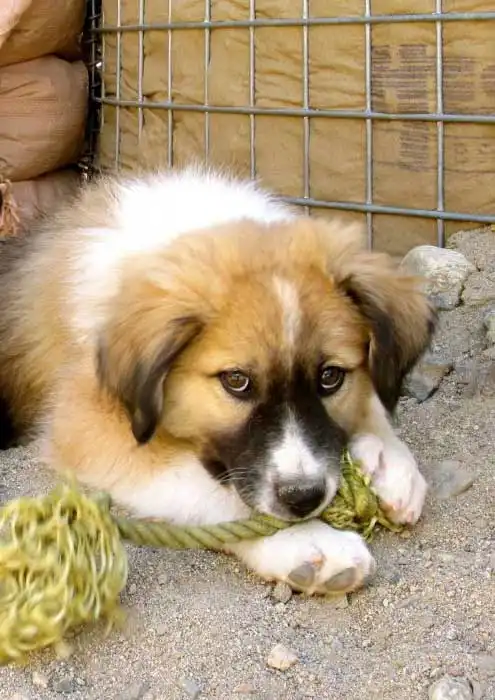
The Kuchi is a dog characterized by a moderate energy level that requires regular exercise. With roots in a nomadic lifestyle, these dogs excel during long hikes through varied terrains. When in public areas with other people and dogs, it is crucial to use a sturdy leash, as they may display aggressive tendencies if they feel threatened or sense danger to themselves or their owner. While it’s advisable to prevent them from roaming freely in dog parks, they do need plenty of space to run in a securely fenced yard. Additionally, providing them with robust toys that can endure their powerful jaws is essential. Kuchi dogs thrive when given a purpose; without a specific role, they can become quite discontented.
Things to Know
Cups Per Day
3.4 Cups
Daily Activity
45 Minutes
Average Lifespan
13 Years
Origin
Unknown
Type
Pure Breeds
Size
Giant
Origin Country
Afghanistan, Pakistan
Brush Frequency
Weekly
Coat Texture
Straight
Register
Your kids have been begging for a pet forever, and you've recently decided that it's time for your family to get a new addition -- a dog! While everyone is excited for the new arrival, you're wondering if you need to have a dog license. How much does it cost? Is it required? Where do you get one?
Member Clubs

PETINNATE
Other
Height & Weight
Weight
117 lbs (53 kg)Male: 132 lbs (60 kg) , Female: 102 lbs (46 kg)
Height
31 inches (79 sm)Male: 32 inches (81 sm) , Female: 30 inches (76 sm)
6 Months
50 lbs ( m 50 lbs, f 50 lbs )
20 inches ( m 20 inches, f 20 inches )
12 Months
80 lbs ( m 80 lbs, f 80 lbs )
23 inches ( m 23 inches, f 23 inches )
18 Months
102 lbs ( m 102 lbs, f 102 lbs )
30 inches ( m 30 inches, f 30 inches )
Eye Colors
Brown

Nose Colors
Black
Brown
Coat Colors
Fawn
Red
Gray
Black