Lab-Pointer
Labrador Pointer, Pointerdor
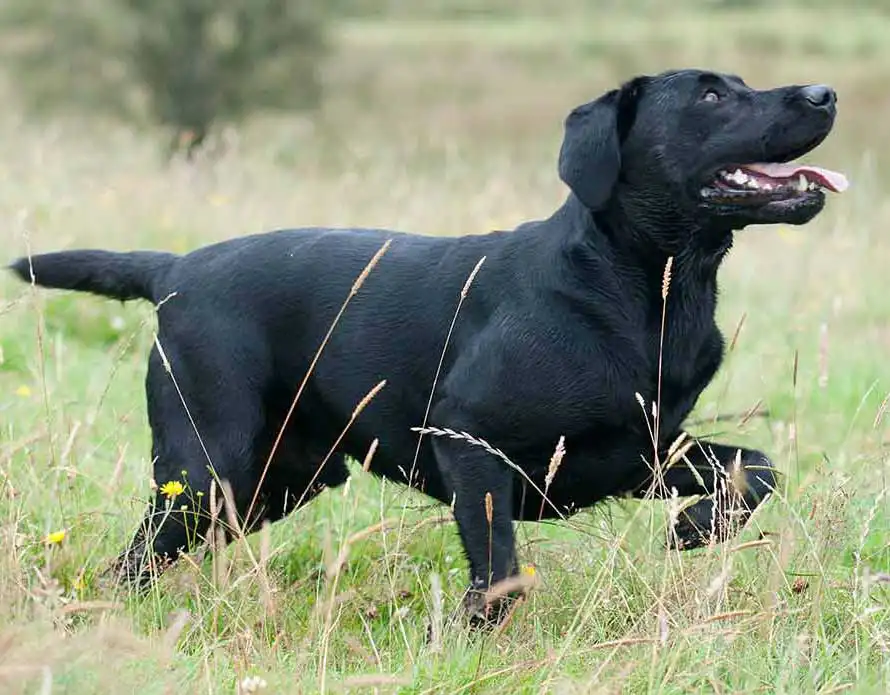
The Lab-Pointer is a hybrid breed that ranges from medium to large in size, created by crossing the English Pointer with the Labrador Retriever. Renowned for their loyalty and affectionate nature, these dogs are energetic and flourish in active households, whether in city or countryside environments. Additionally, they require minimal grooming. Thanks to their intelligence and desire to please, Lab-Pointers make a fantastic option for first-time dog owners who are committed, as they are generally easy to train.
Breed Origin
The Lab-Pointer is a medium-sized hybrid breed of uncertain lineage, emerging as a relatively recent designer breed within the last decade. Although its precise origins and intended purpose are not clearly defined, it is believed that the Lab-Pointer may have developed in North America, as indicated by its recognition from various organizations, including the American Canine Hybrid Club, Dog Registry of America, Designer Dogs Kennel Club, and Designer Breed Registry. Wondering where your Lab-Pointer gets its energetic disposition? This hybrid typically inherits its stamina and hunting skills from the English Pointer, its parent breed. Renowned for its speed, tracking capabilities, and pointing instincts, the Pointer is thought to have originated in England during the 1600s, with ancestral connections to Spain. These versatile hunters are believed to share lineage with several breeds, including the Newfoundland, Setter, Bloodhound, Greyhound, and Foxhound. Conversely, the Labrador Retriever originates from St. John's, Newfoundland, Canada, where it was initially referred to as the St. John's Water Dog in the 1800s. This exceptional breed excelled in swimming through the icy waters of Labrador. Over the last ten years, Labradors have captured the hearts of millions in the United States, becoming the nation's most beloved dog breed. Originally, they aided fishermen by retrieving nets, while in England, they were employed for various hunting tasks. Today, both the Labrador Retriever and the English Pointer are officially recognized by the American Kennel Club and the United Kennel Club.
Breed Appearance
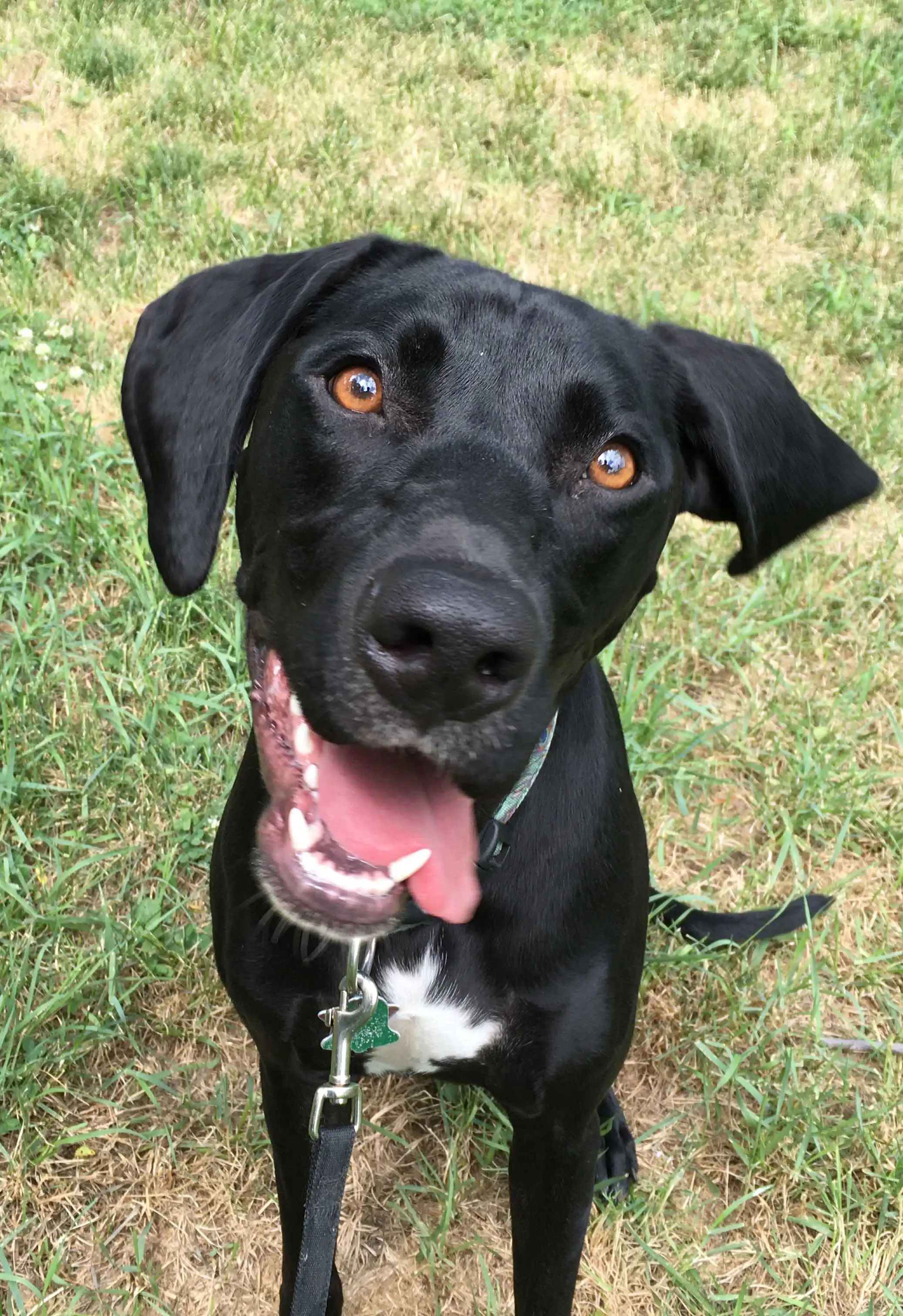
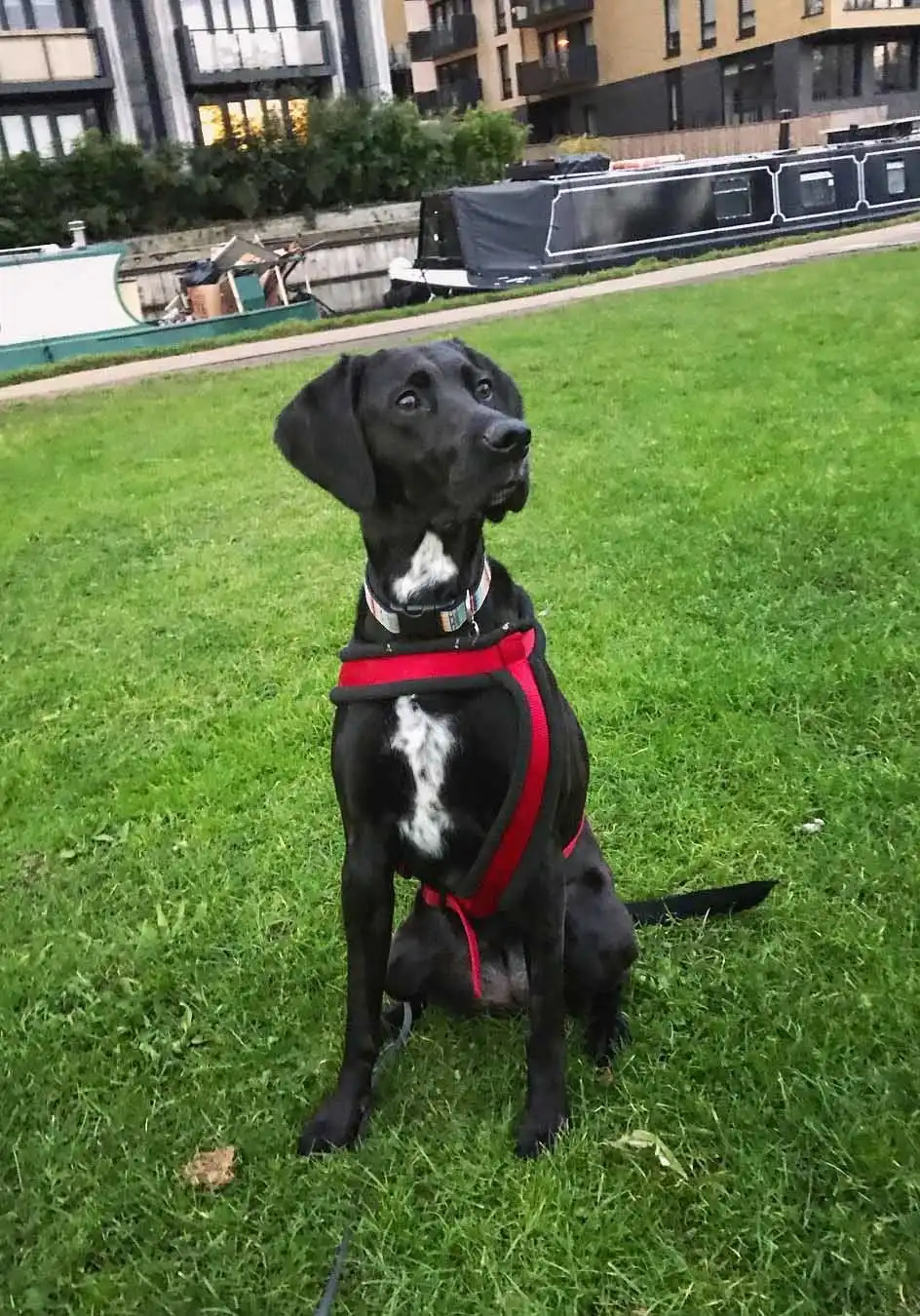
The Lab-Pointer is a breed that varies in size from medium to large and carries itself with a distinct air of confidence. Its long, powerful legs are built for both agility and strength. The head is broad and square, featuring a medium-length, somewhat stout muzzle. The ears are wide, set at eye level, and hang down to the upper jaw. Typically, the eyes are rounded and dark, though some individuals may have lighter shades. This breed boasts a long, compact, and muscular body, with a gentle slope at the shoulders. Their tails are usually long, sturdy, and thick at the base. The coat of the Lab-Pointer is predominantly short, showcasing a glossy finish akin to that of the Pointer, while also possessing the density characteristic of the Labrador.

Care Routine
The Lab-Pointer is known for its low grooming needs. These dogs experience seasonal shedding, so during the warmer months, a deshedder brush is helpful. For the rest of the year, owners can brush their hybrid occasionally to remove loose hair and dirt. Generally, these dogs have water-resistant coats, which means they don’t need frequent baths—only when they are truly dirty. Key maintenance tasks also involve brushing their teeth weekly with pet-safe toothpaste, trimming their nails if they haven't naturally worn down through activity, and performing regular checks and cleanings of their ears.
Behavior & Temperament
The Lab-Pointer is a loyal, hardworking, and quick-learning breed, celebrated for its friendly nature, making it an excellent choice for a variety of households. Unlike breeds that are protective, Lab-Pointers usually do not show aggression towards strangers. However, stemming from their hunting background, they may have a strong prey drive, which can create difficulties in homes with small pets or cats unless they are properly socialized during their puppy stage. Generally, Lab-Pointers are good with children and tend to be gentle, but it’s crucial to supervise them around young kids. This breed is quite energetic and requires plenty of mental and physical stimulation; failing to meet these needs can result in unwanted behaviors like excessive barking, destructive actions, and digging.


Play & Exercise
The Lab-Pointer is a highly active breed that needs a daily exercise routine of 65 to 75 minutes. These dogs thrive in dynamic environments and are not suited for a sedentary lifestyle. Owners should be ready to take them to dog parks, participate in swimming, play fetch, and enjoy activities like running, hiking, and long walks. Due to their strong hunting instincts, it’s important to offer a range of engaging toys, especially squeaky ones, which are often favorites among dogs. Although the Lab-Pointer can adapt to different living conditions, they typically thrive best in rural or suburban areas where they have plenty of space to explore and play, provided their exercise requirements are consistently fulfilled.
Things to Know
Cups Per Day
3.0 Cups
Daily Activity
75 Minutes
Average Lifespan
13 Years
Origin
2000s
Type
Crossbreeds
Size
Large
Origin Country
North America
Brush Frequency
Monthly
Coat Texture
Straight
Register
Your kids have been begging for a pet forever, and you've recently decided that it's time for your family to get a new addition -- a dog! While everyone is excited for the new arrival, you're wondering if you need to have a dog license. How much does it cost? Is it required? Where do you get one?
Member Clubs

PETINNATE
Other
Height & Weight
Weight
64 lbs (29 kg)Male: 68 lbs (31 kg) , Female: 60 lbs (27 kg)
Height
25 inches (64 sm)Male: 26 inches (66 sm) , Female: 23 inches (58 sm)
6 Months
20 lbs ( m 20 lbs, f 20 lbs )
10 inches ( m 10 inches, f 10 inches )
12 Months
40 lbs ( m 40 lbs, f 40 lbs )
17 inches ( m 17 inches, f 17 inches )
18 Months
70 lbs ( m 70 lbs, f 70 lbs )
22 inches ( m 22 inches, f 22 inches )
Eye Colors
Hazel

Brown
Amber
Nose Colors
Black
Brown
Isabella
Coat Colors
Cream
Brown
Black