Labralas
Vizslador, Labla
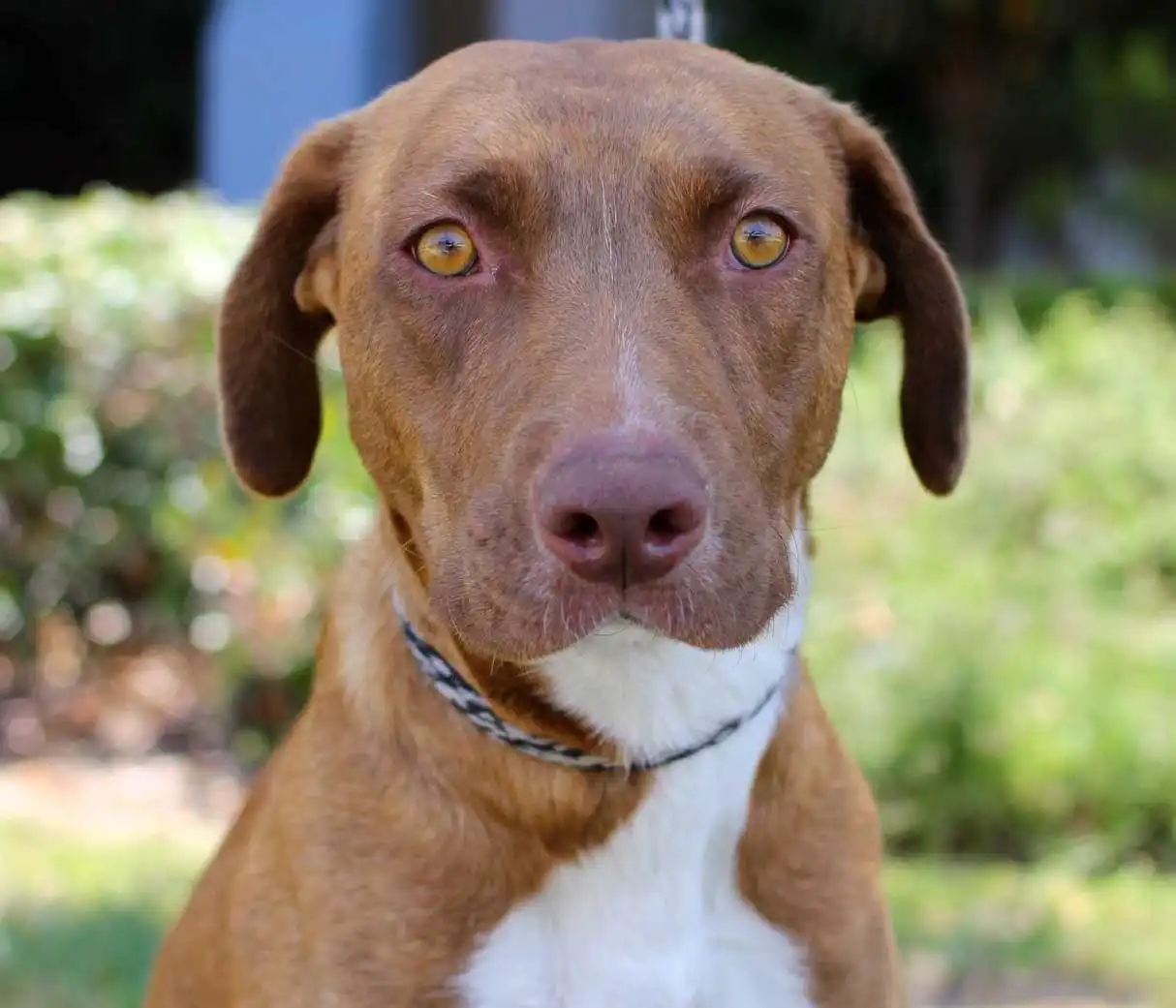
The Labralas is a mixed breed that emerges from the combination of a Labrador Retriever and a Vizsla, both of which are large-sized dogs. Typically, these dogs reach a height of 21 to 25 inches and weigh between 55 and 80 pounds. Their coat is short and thick, coming in colors like black, brown, red, cream, fawn, or various combinations of these hues. Renowned for their affectionate and loyal disposition, Labralas dogs are excellent family pets, enjoying the presence of children and other animals. However, it’s advisable to keep an eye on them around young kids, as they can be quite energetic. This breed is eager to learn and strives to please, which makes training relatively easy.
Breed Origin
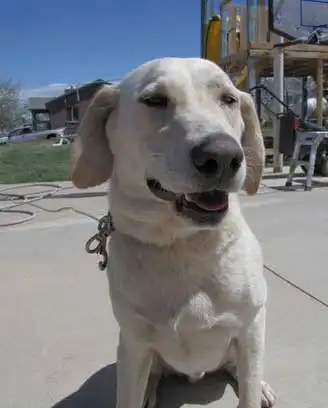
The Labralas is a relatively recent breed, having emerged in the 1980s, which results in a scarcity of historical data. To gain a better understanding of its origins, it is more beneficial to examine the histories of its parent breeds. The Labrador Retriever, originally known as the St. John's Water Dog, was developed in the early 1800s in Newfoundland. These dogs played a crucial role for fishermen, helping to pull in nets and retrieve fish that tried to escape. They were later named after the Labrador Sea, where the breed was further refined. In the early 1800s, Labradors made their way to England, where they became popular among hunters for their remarkable ability to retrieve waterfowl, such as ducks and geese, after they had been shot. However, by the late 1800s, their population nearly faced extinction due to tax laws that limited dog ownership to one per household. Once they arrived in the United States, Labradors gained popularity as family pets and guide dogs, ultimately becoming the most beloved dog breed in the country. The American Kennel Club officially recognized the breed in 1917. Conversely, the Vizsla, also known as the Hungarian Vizsla, has its origins in Hungary during the Middle Ages, where it was renowned for its skills in trailing, falconry, and pointing. This breed is a result of crossbreeding between the Weimaraner, Transylvanian Hound, and Turkish Yellow Dog. According to legend, the Vizsla served as a hunting companion for the Magyar Tribe in the 1100s and later became a favored pet among Hungary's elite and noble classes. After World War II, the breed faced a significant decline, but some were smuggled to other European countries and eventually arrived in the United States in 1950. The American Kennel Club recognized the Vizsla in 1960, and it currently holds the position of the 31st most popular breed in the nation.
Breed Appearance
The Labralas is a remarkable breed, distinguished by its large, expressive eyes that can be brown or amber, and a prominent black nose positioned on a long, square-shaped muzzle. With a hint of a crooked smile, they often seem to be grinning at you. Their coat is short, straight, and of medium density, coming in various shades including black, brown, red, and cream. This breed boasts a rectangular head with floppy, drooping ears, a strong neck, and a deep chest. Their body is long and sturdy, supported by muscular, straight legs. When fully grown, Labralas typically weigh between 75 and 80 pounds, making them quite substantial in size.

Care Routine
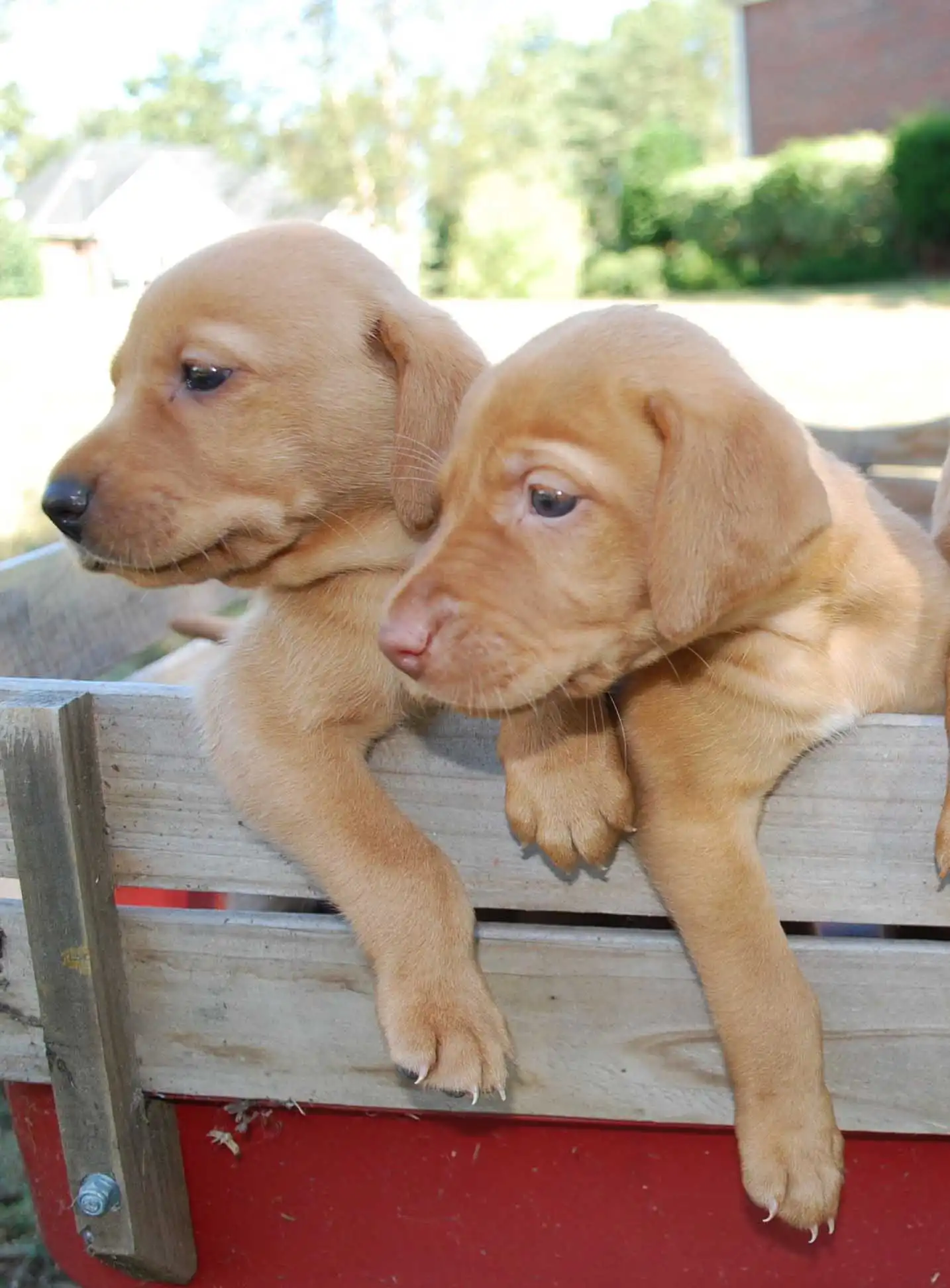
To care for your Labralas, it is advisable to brush their coat two to three times weekly with a pin brush or a rubber curry brush. Their short fur demands little grooming, so baths are not often needed. It’s best to consult your veterinarian to determine the right shampoo for them. Furthermore, their ears should be cleaned on a weekly basis, and you should monitor for any signs of redness or irritation, as they are prone to ear infections. Regular dental hygiene is crucial as well; aim to brush their teeth once or twice a week and trim their nails as needed, usually every six to eight weeks.
Behavior & Temperament
This breed is commonly known as the Velcro dog because of its loving disposition and strong desire to remain near its family. They may suffer from separation anxiety, so if you plan to be away for a long time, it's wise to arrange for someone to check on them. Furthermore, they make excellent watchdogs, always prepared to protect their family from any dangers. The Labralas is recognized for its sharp intellect and rapid learning skills, which makes them easy to train and perfect as first pets for families. However, they flourish in environments with large yards and plenty of opportunities for play.


Play & Exercise
The Labralas breed demands a considerable level of physical activity, generally requiring about one to one and a half hours of vigorous exercise each day. They flourish through a variety of activities, including playing at the dog park, taking brisk neighborhood walks, chasing squirrels and birds in the yard, engaging in fetch or frisbee games, participating in agility training, swimming, and hiking. If you have an interest in hunting, your Labralas could serve as a fantastic companion for those adventures. Insufficient daily exercise can lead to anxiety or aggressive behaviors in Labralas. They may also develop negative habits, such as chewing on furniture, causing property damage, and excessive barking.
Things to Know
Cups Per Day
3.5 Cups
Daily Activity
90 Minutes
Average Lifespan
13 Years
Origin
1980s
Type
Crossbreeds
Size
Large
Origin Country
United States
Brush Frequency
Weekly
Coat Texture
Straight
Register
Your kids have been begging for a pet forever, and you've recently decided that it's time for your family to get a new addition -- a dog! While everyone is excited for the new arrival, you're wondering if you need to have a dog license. How much does it cost? Is it required? Where do you get one?
Member Clubs

PETINNATE
Other
Height & Weight
Weight
68 lbs (31 kg)Male: 70 lbs (32 kg) , Female: 65 lbs (29 kg)
Height
24 inches (61 sm)Male: 24 inches (61 sm) , Female: 23 inches (58 sm)
6 Months
47 lbs ( m 47 lbs, f 47 lbs )
20 inches ( m 20 inches, f 20 inches )
12 Months
57 lbs ( m 57 lbs, f 57 lbs )
21 inches ( m 21 inches, f 21 inches )
18 Months
65 lbs ( m 65 lbs, f 65 lbs )
23 inches ( m 23 inches, f 23 inches )
Eye Colors
Brown

Amber
Nose Colors
Black
Coat Colors
Black

Brown
Red
Cream
Fawn