Lacy
Blue Lacy, Lacy Game Dog, Texas Blue Lacy, Lacy Hog Dog
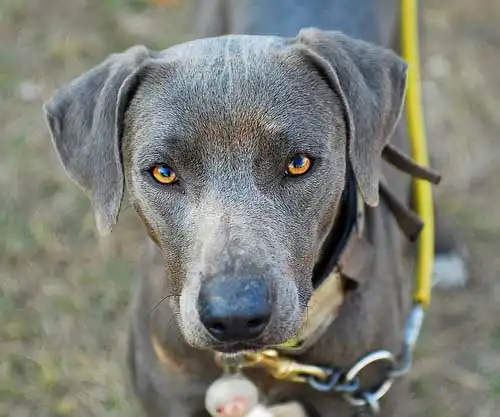
The Lacy, commonly known as the Blue Lacy, is a distinctive American dog breed that originated in Texas. Developed in the mid-1800s by the Lacy family, from whom it takes its name, this breed was initially intended as a versatile working dog. Blue Lacys are adept in various roles, such as hunting, herding, and serving as loyal companions. They are particularly known for their strong loyalty, forming deep bonds with their owners and families, which they demonstrate through attentive behavior once trained and through affectionate interactions, even if their playfulness is moderate. Given their background as diligent workers, Blue Lacys are high-energy dogs that need plenty of daily exercise to channel their energy appropriately. As a result, they thrive in active households that can offer them both tasks and sufficient space to run and play. Interestingly, despite their Texan roots, they show remarkable adaptability to extreme weather, flourishing in both the intense heat of Texas summers and the cold of desert winters. While they do require an experienced owner due to their energetic disposition and only moderate sociability with other dogs and animals, Blue Lacys are beloved companions and were officially recognized as the Texas State Breed in 2005.
Breed Origin
The Lacy breed was entirely developed by the Lacy family, who gave it their name. This family originally came from Kentucky but moved to Burnet County, Texas, in 1858. While the exact details about the dogs involved in creating the breed and the timeline are somewhat vague, it is widely believed that the Lacy breed originated from a combination of English Shepherds, various types of Greyhounds, local scent hounds, and possibly even wolves or coyotes. This unique blend resulted in a dog that showcased the endurance of wild canines and herding breeds, the speed and sleek build of the Greyhound, the natural herding instincts of the Shepherd, and a well-rounded temperament. The breeding process seems to have quickly established a consistent standard, as the puppies displayed uniform traits, including the breed's characteristic red or blue-gray coat, strong work ethic, resilience, intelligence, and overall good health. Thanks to their versatile abilities and friendly disposition, these dogs quickly became favorites among ranchers and hunters, excelling in various tasks such as treeing, tracking, and companionship. Even as technological advancements reduced the need for traditional working breeds, the Lacy continued to flourish as both a functional dog and a cherished companion throughout Texas and neighboring regions. In the 1970s, the breed gained its first formal recognition from the Animal Research Foundation, the same organization that recognized the American Bulldog. By 1976, the first registered Lacy was officially documented. Despite ongoing efforts to secure recognition from larger organizations like the United Kennel Club and the American Kennel Club, the breed has yet to achieve that status. However, it was named the Official Dog Breed of Texas in 2005 and has received acknowledgment from smaller, specialized organizations committed to regulating and preserving the breed.
Breed Appearance
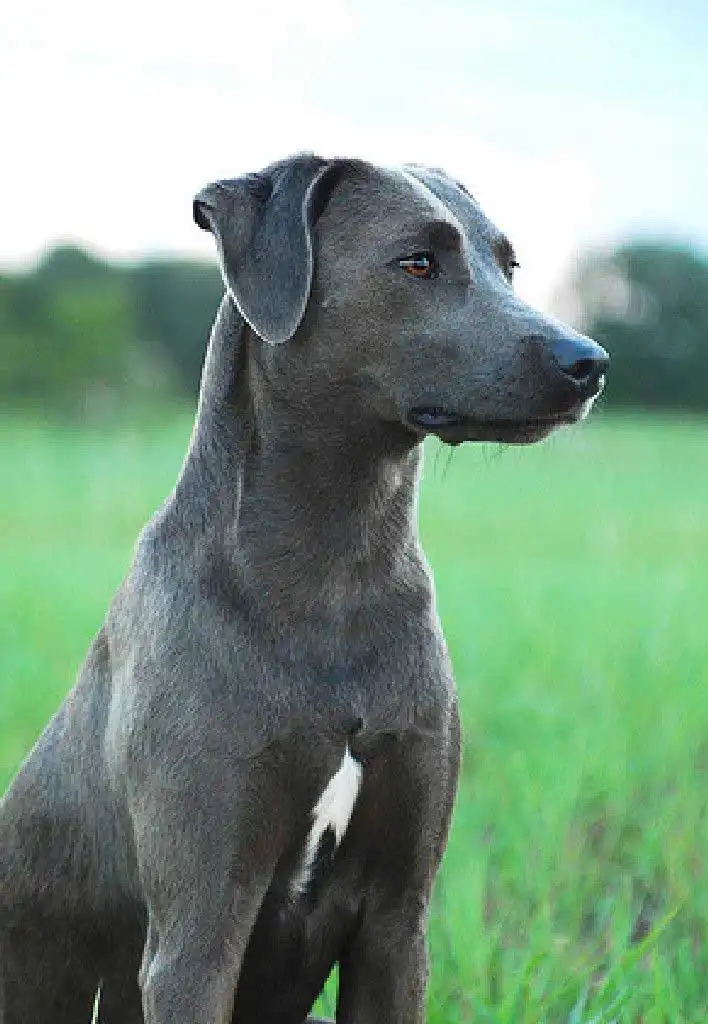
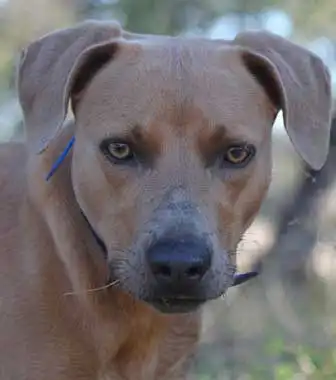
The Lacy is a medium-sized dog breed, generally standing between 18 to 25 inches tall at the shoulder and weighing between 25 to 50 pounds. This breed is known for its sleek and athletic build, which gives it a polished and streamlined look. Its head is predominantly flat, sometimes featuring a slight dome, with a moderate stop and a tapering muzzle that culminates in a nose that can be black, gray, tan, or isabella. The eyes are almond-shaped, set at a gentle angle, and are available in hues of orange, yellow, or amber. The ears are medium-sized, folded, and shaped like triangles, while the neck is both muscular and elegant, though of moderate length. This neck transitions into well-defined shoulders and a straight back. The forelegs are straight and sturdy, yet somewhat slender, positioned close to a chest that has well-sprung ribs extending down to the elbows, leading into a moderately tucked abdomen. The hind legs are powerful, featuring muscular thighs with good angulation when viewed from the side, and they stand parallel when seen from behind. The tail is relatively thick, tapering towards the end, and is typically held straight. The coat is short, dense, and glossy, coming in various colors such as solid blue or gray, reddish, cream, and tricolor, often highlighted with white markings on the chest and feet.

Care Routine
Lacys are recognized for their remarkably low-maintenance nature, a quality that has been purposefully developed through breeding. Their short fur typically requires brushing just once a week, although during shedding periods, they may need more frequent grooming. Due to the length of their coats, they tend to stay relatively clean, necessitating baths only about every two months, unless they get into something particularly messy or smelly. The main concern with Lacys lies in their folded ears, which can retain moisture and potentially lead to ear infections. However, if they are kept in environments that mimic their natural habitat—characterized by consistently low humidity—this problem is rare, especially with regular monitoring and care. In general, Lacys are easy to maintain; their nails should be trimmed regularly, and their teeth should be brushed weekly to ensure good dental hygiene.
Behavior & Temperament
Lacys are often described as intense, and this characterization is certainly justified. When they take on tasks, their focus and dedication are impressive, as they go to great lengths to see things through to completion. At home, they adopt a more relaxed demeanor, yet they remain affectionate and can sometimes express their abundant energy in ways that may appear reckless. This breed is known for its loyalty, which can be strengthened through thorough and early training. However, training can be a challenge; despite their intelligence, they have a strong will and a tendency toward stubbornness, requiring a handler who is firm, consistent, and experienced to help them reach their full potential. Additionally, owners need to approach training with a great deal of awareness and patience, as Lacys typically do not respond well to anger or punitive measures. They flourish with positive reinforcement; otherwise, there is a risk of discouraging the dog, which can impede effective training. Once trained, Lacys are quite responsive, but many owners find that these dogs need a job or a sense of purpose to avoid becoming problematic. Their demand for both physical and mental stimulation is considerable; without a specific task, they require plenty of space to run and engage in activities like agility training. If they do not receive enough attention and exercise, they may develop separation anxiety and exhibit destructive behaviors out of frustration. While they are not pack hunters, Lacys generally get along well with other dogs, although they may try to assert their position in the social hierarchy, which can sometimes lead to minor disputes. They are usually patient and do fairly well with children, but their high energy and playful nature can inadvertently pose a risk to smaller kids, who might get knocked over. Due to their strong prey drive, early socialization is essential for them to coexist peacefully with smaller pets; otherwise, they may develop chasing tendencies or other undesirable behaviors. In conclusion, Lacys are loyal, affectionate, and exceptionally diligent dogs that can make wonderful companions, provided their needs for exercise, attention, training, and socialization are properly met.


Play & Exercise
Lacys are recognized for their incredibly high energy, necessitating significant daily exercise to keep them happy and healthy. Their strong physique and impressive stamina place them among the top dog breeds, making them relentless workers. Consequently, it’s crucial to match them with an active family that can offer daily chances for running, walking, or playing at the dog park. Although they can exhaust themselves through various tasks, many owners recommend involving them in agility training or other activities that stimulate them both physically and mentally. Ideally, they should engage in at least 80 minutes of exercise each day, or until they begin to show signs of tiredness.
Things to Know
Cups Per Day
3.0 Cups
Daily Activity
80 Minutes
Average Lifespan
14 Years
Origin
Mid-19th Century
Type
Pure Breeds
Size
Medium
Origin Country
Texas
Brush Frequency
Weekly
Coat Texture
Straight
Register
Your kids have been begging for a pet forever, and you've recently decided that it's time for your family to get a new addition -- a dog! While everyone is excited for the new arrival, you're wondering if you need to have a dog license. How much does it cost? Is it required? Where do you get one?
Member Clubs

PETINNATE
Other
Height & Weight
Weight
38 lbs (17 kg)Male: 38 lbs (17 kg) , Female: 38 lbs (17 kg)
Height
22 inches (56 sm)Male: 22 inches (56 sm) , Female: 22 inches (56 sm)
6 Months

27 lbs ( m 27 lbs, f 27 lbs )
15 inches ( m 15 inches, f 15 inches )
12 Months
32 lbs ( m 32 lbs, f 32 lbs )
18 inches ( m 18 inches, f 18 inches )
18 Months
37 lbs ( m 37 lbs, f 37 lbs )
21 inches ( m 21 inches, f 21 inches )
Eye Colors
Amber

Nose Colors
Black
Isabella
Coat Colors
White
Cream

Red
Gray
Blue