Lhasa-Coton
Lhasa de Tulear
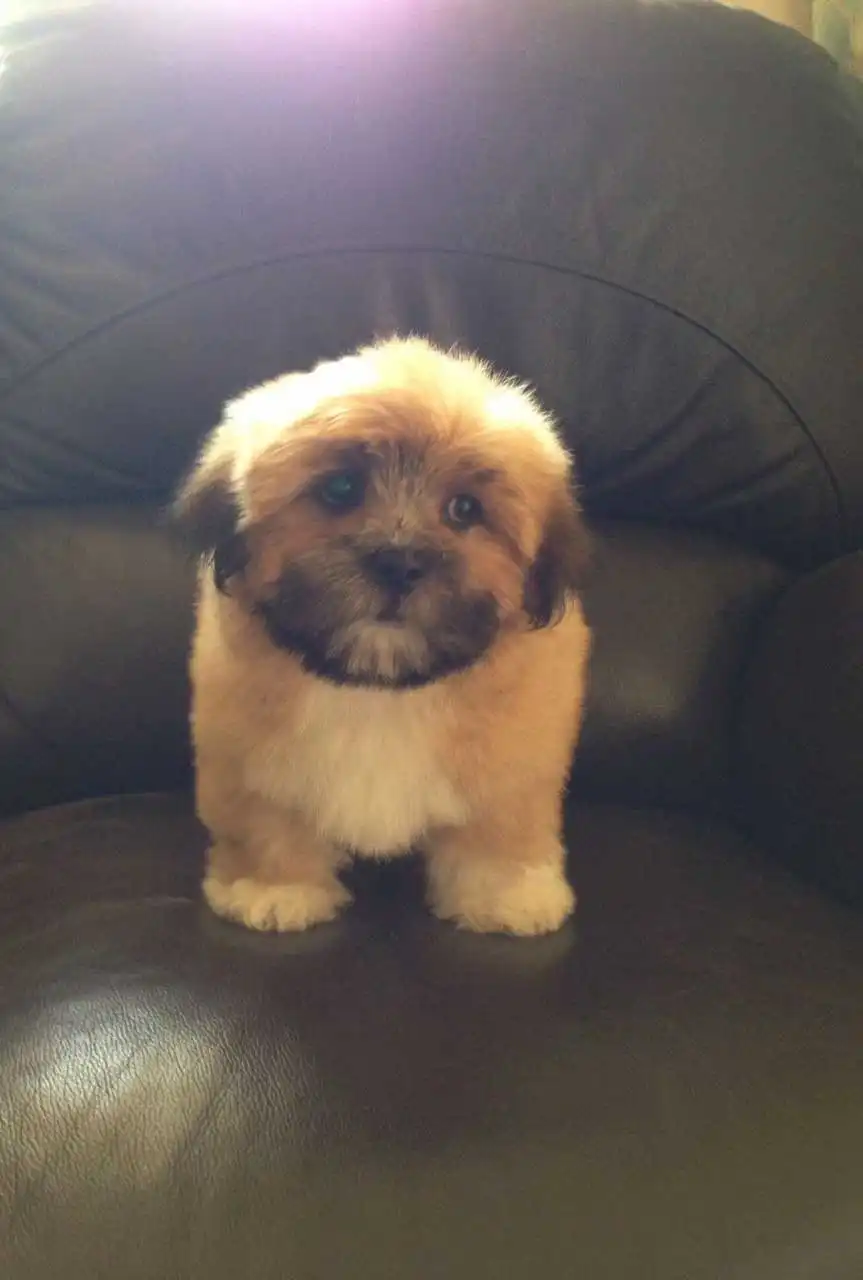
The Lhasa Coton is a charming hybrid created by crossing the Coton de Tulear with the Lhasa Apso. Both parent breeds fall into the toy category, which means this mix usually stays small, weighing about 10 pounds and standing around 11 inches tall. They feature a long, thick coat that is straight and comes in various colors and patterns. Lhasa Cotons are known for their spirited and courageous personalities; they are loving towards humans and generally get along well with other animals. However, it's crucial to keep an eye on them when they are around young children, as they might become defensive if they feel threatened. Training this breed can take some time and patience, so be prepared to dedicate extra effort to their learning process.

Breed Origin
The Coton de Tulear, thought to have emerged in Madagascar in the 1600s, has an enigmatic history that remains largely unclear. This breed is believed to be related to the Havanese, Maltese, and Bichon Frise, and is renowned for its soft, white coat and amiable nature. While they relish being the center of attention, they can also adapt well to solitude at home, especially if they have other pets for companionship. It is said that these dogs accompanied sailors on long sea voyages, serving dual roles as companions and rodent hunters. According to folklore, the breed arrived in Madagascar as the only survivors of a shipwreck, swimming to shore and eventually roaming the streets of Tulear, which is how they got their name. Their endearing qualities caught the attention of a French traveler, who brought one back to France, sparking their popularity. The American Kennel Club recognized the Coton de Tulear in 2014, and it is now the 80th most popular dog breed in the United States. Lhasa Apsos have been protectors in Buddhist monasteries and temples for many centuries. They are believed to be descendants of Tibetan Terriers and a type of mountain wolf dog. This breed was highly esteemed and exclusively cared for by monks due to their remarkable hearing, discerning judgment of character, and ability to withstand the harsh mountain environment. Some Lhasa Apsos were gifted to dignitaries, including several presented by the Dalai Lama to a family in New Jersey, which contributed to the breed's growing popularity in the U.S. The American Kennel Club officially recognized Lhasa Apsos in 1935, and they currently rank as the 71st most popular dog breed in America.
Breed Appearance
These charming little dogs are characterized by their large, round brown eyes and a petite black nose situated on a shortened muzzle. This abbreviated muzzle can sometimes result in brachycephalic syndrome, making it essential to have your pet evaluated by a veterinarian promptly. Both parent breeds are known for their long, floppy ears adorned with fur and a long, feathery tail that elegantly arches over their back. While the Lhasa Apso typically sports longer hair than the Coton de Tulear, the Lhasa Coton also features long, silky fur. Their legs are short but sturdy, and their bodies are compact and well-built.

Care Routine
The Lhasa Coton boasts a long, luxurious coat that necessitates consistent grooming to maintain its pristine appearance. Ideally, you should use a pin brush and a metal comb to brush your dog four to five times a week, or even daily if possible. Neglecting regular brushing can result in their fur becoming matted and tangled. While they don’t require frequent baths, it's important to avoid over-shampooing, as this can cause dry skin. Weekly ear cleaning with a damp cotton ball is also essential, allowing you to check for any signs of redness, ear mites, or irritation from yeast or bacteria. Additionally, make sure to trim their toenails as needed and brush their teeth at least three times a week.
Behavior & Temperament
The Lhasa Coton is known for its generally gentle disposition, although it can become annoyed by small children if they are allowed to tease it. This breed usually gets along well with other pets, but it’s important to socialize them properly to foster good relationships with various animals, including those they meet at dog parks. In terms of training, using positive reinforcement is vital, as physical punishment can trigger aggressive responses. While Lhasa Cotons are intelligent, they can also be somewhat stubborn and prone to laziness, which may require you to repeat commands multiple times for successful learning. Overall, these dogs are loving and delightful, making them excellent companions.


Play & Exercise
Your Lhasa Coton doesn't need as much exercise as many other breeds, but it's essential to provide her with at least 30 minutes of vigorous activity daily. She may delight in various activities, including playing fetch, engaging in flyball or frisbee, hiking, strolling through the neighborhood, socializing with other dogs at the park, or even swimming. Furthermore, she might enjoy participating in agility competitions or obedience training. Without sufficient exercise, your dog could experience anxiety and behavioral problems, and this breed is also susceptible to weight gain if they don't get enough physical activity.
Things to Know
Cups Per Day
1.0 Cups
Daily Activity
30 Minutes
Average Lifespan
14 Years
Origin
2000s
Type
Crossbreeds
Size
Small
Origin Country
United States
Brush Frequency
Daily
Coat Texture
Straight
Register
Your kids have been begging for a pet forever, and you've recently decided that it's time for your family to get a new addition -- a dog! While everyone is excited for the new arrival, you're wondering if you need to have a dog license. How much does it cost? Is it required? Where do you get one?
Member Clubs

PETINNATE
Other
Height & Weight
Weight
12 lbs (5 kg)Male: 13 lbs (6 kg) , Female: 12 lbs (5 kg)
Height
11 inches (28 sm)Male: 11 inches (28 sm) , Female: 10 inches (25 sm)
6 Months
7 lbs ( m 7 lbs, f 7 lbs )
6 inches ( m 6 inches, f 6 inches )
12 Months
10 lbs ( m 10 lbs, f 10 lbs )
9 inches ( m 9 inches, f 9 inches )
18 Months
11 lbs ( m 11 lbs, f 11 lbs )
10 inches ( m 10 inches, f 10 inches )
Eye Colors
Brown

Nose Colors
Black
Coat Colors
Black
Gray
Brown
Red
Cream
Fawn
White
Sable
Brindle