Lhatese
Lhasatese, Lamalese
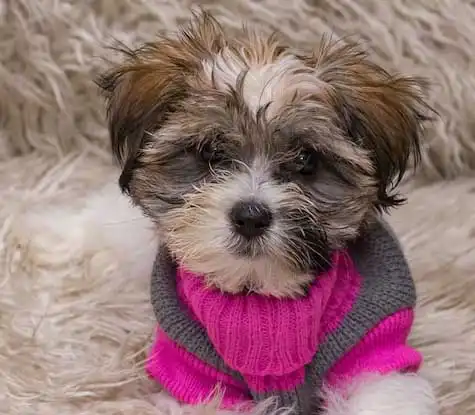
The Lhatese is a charming hybrid breed that results from the combination of the Lhasa Apso and the Maltese. This small dog is known for its affectionate demeanor, though it can pose some training challenges. The Lhatese forms deep connections with its family, including children of all ages, making it a devoted companion. However, it is ideally suited for seasoned dog owners who can offer the necessary guidance. Weighing up to fifteen pounds at full maturity, this compact breed thrives on companionship and enjoys being near its human family. While it generally interacts well with others, including other dogs, the Lhatese has a strong desire to stay close to its loved ones, preferring to be in their presence without experiencing significant separation anxiety.

Breed Origin
The Lhatese breed originates from the United States, yet its historical background is somewhat unclear. To better understand the Lhatese's beginnings, we can look at its parent breeds. The Lhasa Apso comes from Tibet, where it was cherished as a royal companion and guardian of monasteries. For a long time, owning a Lhasa Apso was a privilege granted only to those who received one as a gift from the Dalai Lama. This breed arrived in the U.S. when the Dalai Lama gifted a pair of Lhasas to Mr. Cutting, a dedicated dog breeder from New Jersey. These two dogs laid the groundwork for the Lhasa Apso lineage in America today. Conversely, the Maltese is an ancient breed with roots in Greece, Rome, and Egypt. The Egyptians held the belief that these dogs possessed healing powers, often placing a Maltese beside the sick in their beds. Experts indicate that the modern Maltese was developed on the Isle of Malta, where it was crossbred with Spitz and Spaniel breeds. The breed made its way to Britain during the reign of Henry VIII, and notably, Queen Elizabeth was a proud owner of a Maltese. Later, English settlers introduced the Maltese to the United States.
Breed Appearance

Care Routine
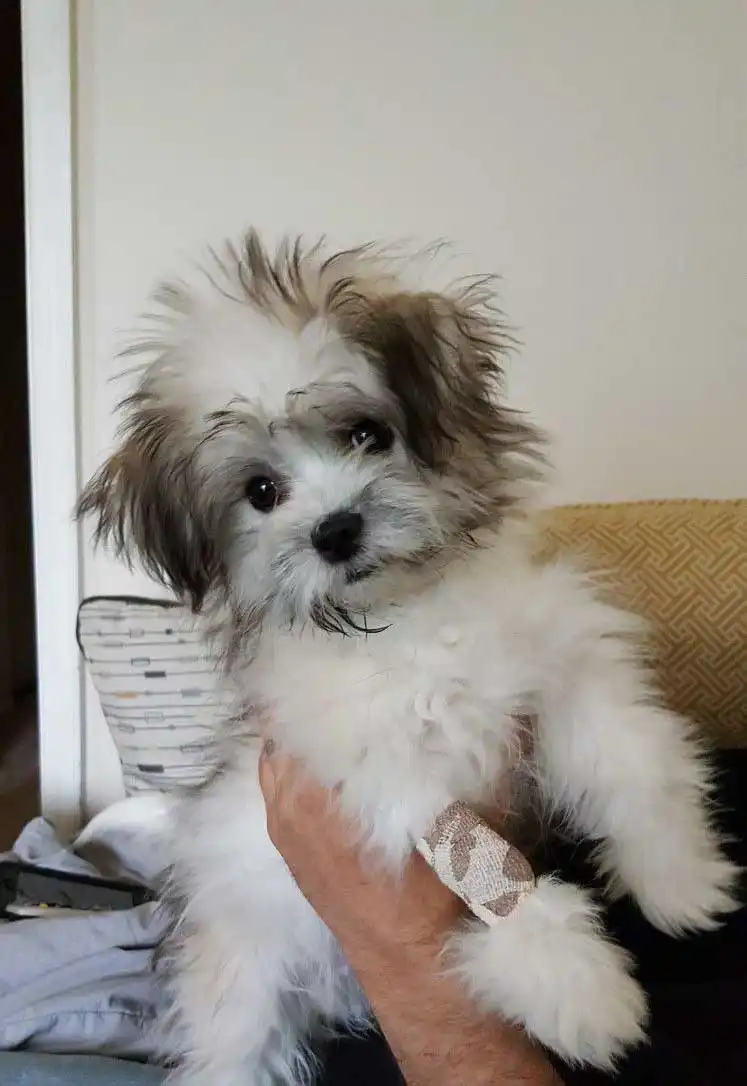
The Lhatese, similar to its parent breeds, features a luxurious coat of long, flowing fur that is soft yet susceptible to tangling. To maintain its condition, daily brushing is crucial. While some pet owners prefer to have their Lhatese professionally groomed every six to eight weeks, incorporating regular brushing into your routine is still important. Another frequent issue for Lhatese owners is the development of tear stains under the eyes, which necessitate daily cleaning to prevent lasting discoloration. Many owners opt to trim the fur around the eyes and ears to help manage these stains. Bathing should be limited to instances when the dog is particularly dirty, or it can be done at a grooming salon. On a positive note, the Lhatese is hypoallergenic and has minimal shedding. Nail trimming should occur every two to three weeks, and to ensure good oral hygiene, it's recommended to brush their teeth two to three times a week to avoid tartar buildup and unpleasant breath. For the best dental care, daily brushing is ideal.
Behavior & Temperament
The Lhatese is a charming and loving companion, celebrated for his playful demeanor. His gentle and sociable nature makes him an excellent fit for families, especially those with children. Experts recommend early socialization to help him grasp appropriate behaviors. This breed generally gets along well with other pets in the home. Although the Lhatese is quite intelligent, training can sometimes be challenging; however, with consistent effort, positive outcomes are achievable. Furthermore, he acts as a reliable watchdog, alerting you to any unusual activity around your home with his barking. Overall, the Lhatese is calm and affectionate, thriving on family engagement, and typically does not experience separation anxiety when left alone.


Play & Exercise
The Lhatese is a lively breed that also relishes the role of a snug companion. To enhance those relaxing moments with your Lhatese, it's important to involve him in brief, stimulating activities throughout the day. His keen intelligence means that adding mental challenges to his exercise regimen will be highly beneficial. You can achieve this by offering a variety of toys and engaging in different games, as simply playing fetch may not sufficiently satisfy his need for mental engagement. If you have a secure backyard, allowing him some outdoor time can help him burn off excess energy. Additionally, a trip to the dog park can provide him with a more varied exercise experience.
Things to Know
Cups Per Day
1.0 Cups
Daily Activity
60 Minutes
Average Lifespan
14 Years
Origin
Unknown
Type
Crossbreeds
Size
Small
Origin Country
United States
Brush Frequency
Daily
Coat Texture
Straight
Register
Your kids have been begging for a pet forever, and you've recently decided that it's time for your family to get a new addition -- a dog! While everyone is excited for the new arrival, you're wondering if you need to have a dog license. How much does it cost? Is it required? Where do you get one?
Member Clubs

PETINNATE
Other
Height & Weight
Weight
13 lbs (6 kg)Male: 13 lbs (6 kg) , Female: 13 lbs (6 kg)
Height
10 inches (25 sm)Male: 11 inches (28 sm) , Female: 9 inches (23 sm)
6 Months
4 lbs ( m 4 lbs, f 4 lbs )
6 inches ( m 6 inches, f 6 inches )
12 Months
8 lbs ( m 8 lbs, f 8 lbs )
8 inches ( m 8 inches, f 8 inches )
18 Months
11 lbs ( m 11 lbs, f 11 lbs )
9 inches ( m 9 inches, f 9 inches )
Eye Colors
Brown

Nose Colors
Black
Coat Colors
Gray
White