Llewellin Setter
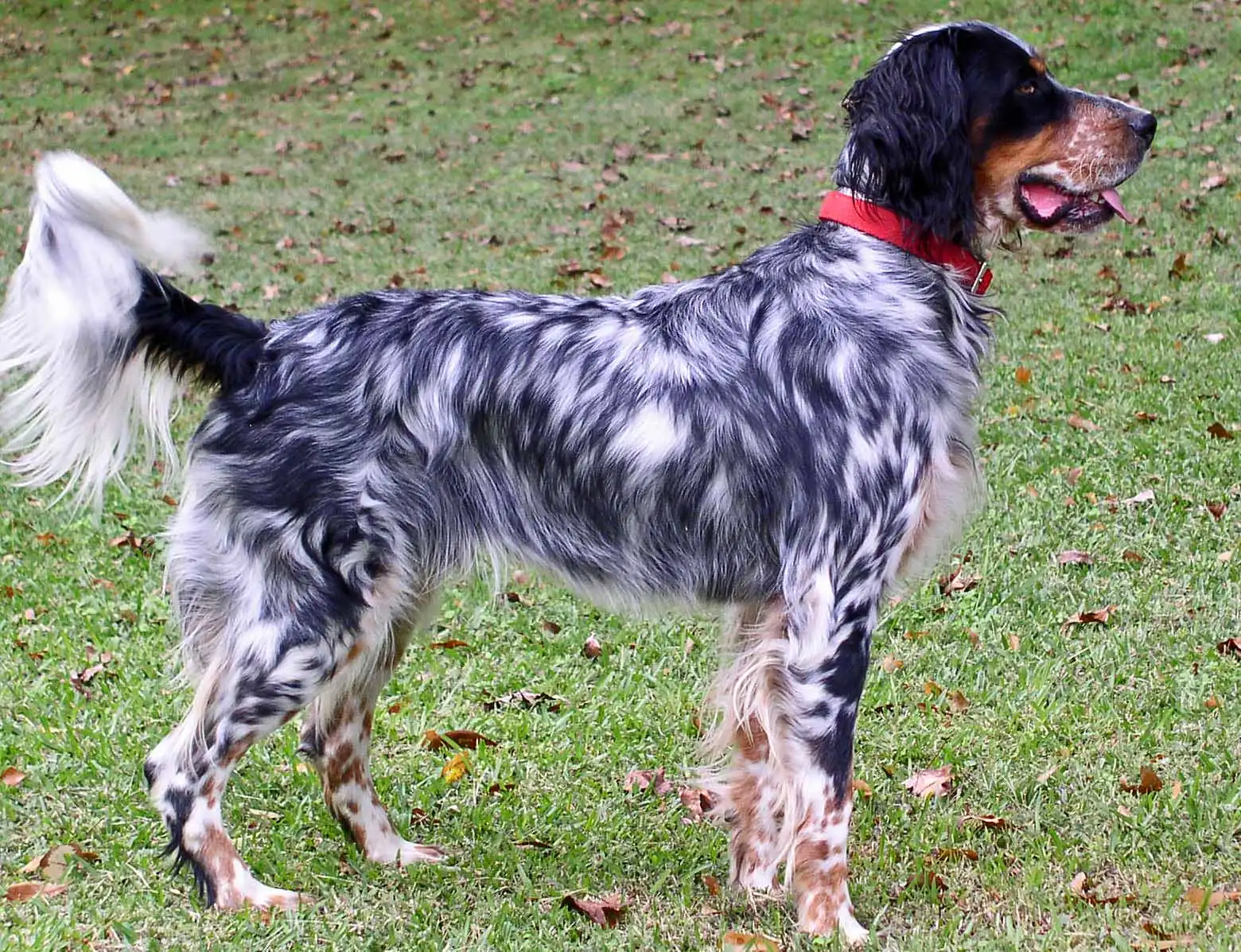
Field-type English Setter
The Llewellin Setter is regarded by some as a separate breed from the English Setter, while others contend that it is simply a particular strain within the broader breed. This variety was initially created by a Welshman named R. Purcell Llewellin, who obtained his breeding stock from Edward Lavarack, a breeder renowned for enhancing the English Setter. Furthermore, the Llewellin Setter includes a small amount of genetic influence from Gordon and other Setter breeds. This slight infusion has led to a Setter that is typically smaller, has shorter ears, and tends to remain closer to the hunter than those bred by Lavarack.
Breed Origin
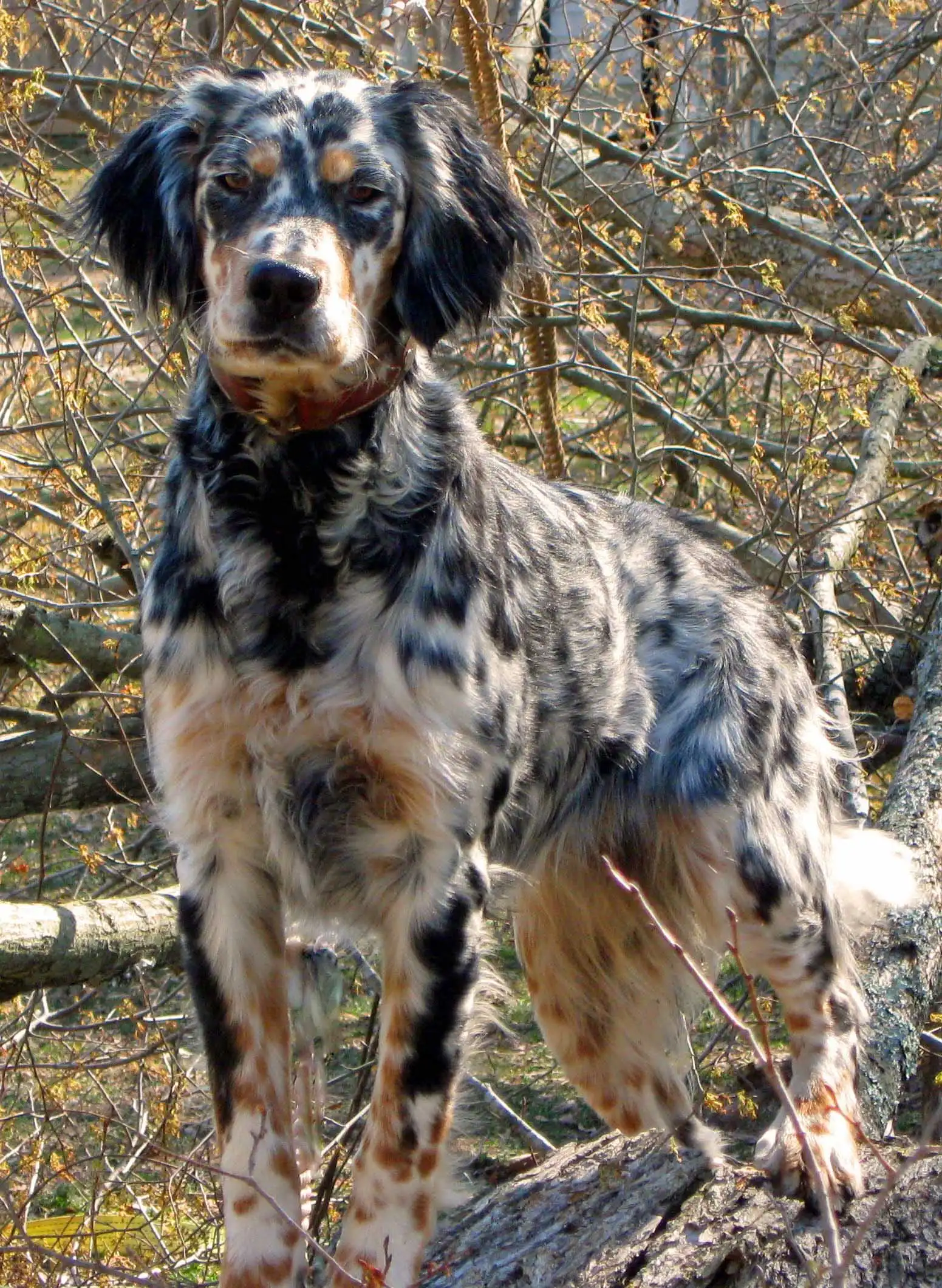
The debate surrounding the classification of the Llewellin Setter as a separate breed, rather than simply a variation of the English Setter, is ongoing. Historical documents and artworks from the 15th and 16th centuries reveal that the English Setter was originally developed over 400 years ago as a versatile hunting partner. However, it wasn't until the 19th century that the breed saw substantial refinement, primarily attributed to Edward Lavarack. In 1872, Lavarack published *The Setter*, which laid the groundwork for the official breed standard of the English Setter. Prior to Lavarack's influential work, a Welsh breeder named R. Purcell Llewellin began his own breeding program in 1861 by acquiring English Setters from Lavarack’s kennels. In 1871, he introduced two stud dogs, Dan and Dick, into his breeding stock. These dogs were descendants of Duke and Rhoebe, both English Spaniels, and their lineage may have included Gordon Spaniels and other spaniel breeds. Llewellin's decision to breed Dan and Dick back to Lavarack's English Setters introduced a slight genetic variation that affected the breed's physical characteristics and temperament. This genetic infusion is central to the ongoing controversy; some enthusiasts argue that the resulting differences are substantial enough to justify recognizing the Llewellin Setter as a distinct breed, often noting that many Llewellin Setters do not meet the established breed standard. On the other hand, some believe that the genetic influence from other breeds was minimal, asserting that the Llewellin Setter should be viewed as a specific lineage within the larger English Setter breed rather than as an entirely separate breed.
Breed Appearance
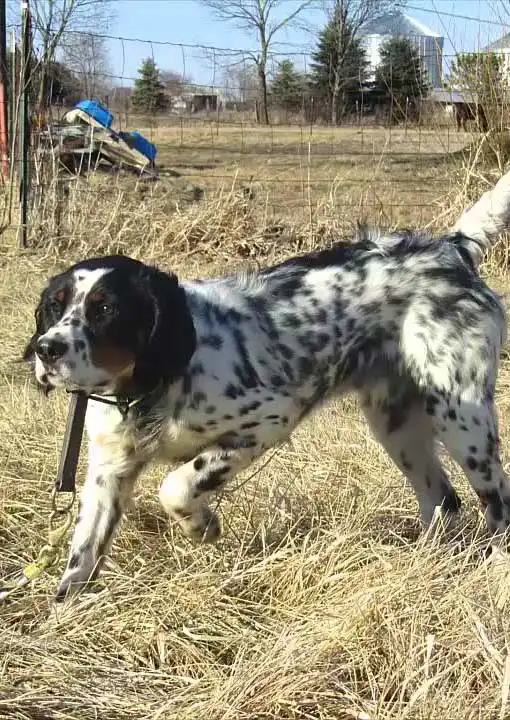
The Llewellin Setter is a medium-sized breed known for its strong and athletic build, featuring a deep chest and a back that is slightly longer than its height. Its head is elongated yet proportionate to its body, with a well-defined muzzle that is both broad and deep. The eyes are typically oval or almond-shaped and come in various colors, including brown, green, and amber. The medium-length ears are positioned further back on the skull and either hang flat or fold down beside the head. Although the Llewellin Setter bears a resemblance to the Lavarack line of English Setters commonly seen in dog shows, breeders and enthusiasts point out that Llewellin Setters tend to be smaller, possess slightly shorter ears, and show a better adaptability to warmer climates.
Care Routine
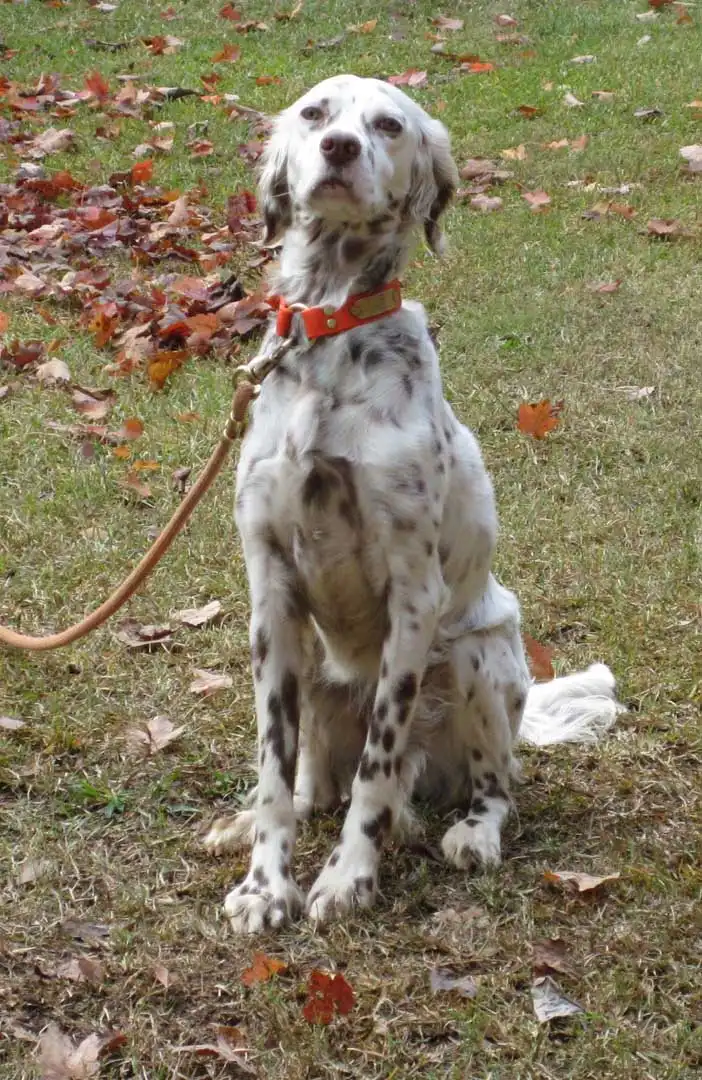
The Llewellin Setter requires more grooming than many other breeds, mainly because of its long, fine coat and a slight tendency to develop a doggy odor. To address this, it is advisable to bathe the dog every six to eight weeks, which also allows pet owners to trim and care for the coat effectively. To reduce moderate shedding and prevent tangles or mats, consistent brushing is crucial—ideally three to four times a week, or even daily if possible. Furthermore, the breed's long ears are prone to infections, so it’s vital to regularly inspect them for moisture, debris, or any signs of injury.
Behavior & Temperament
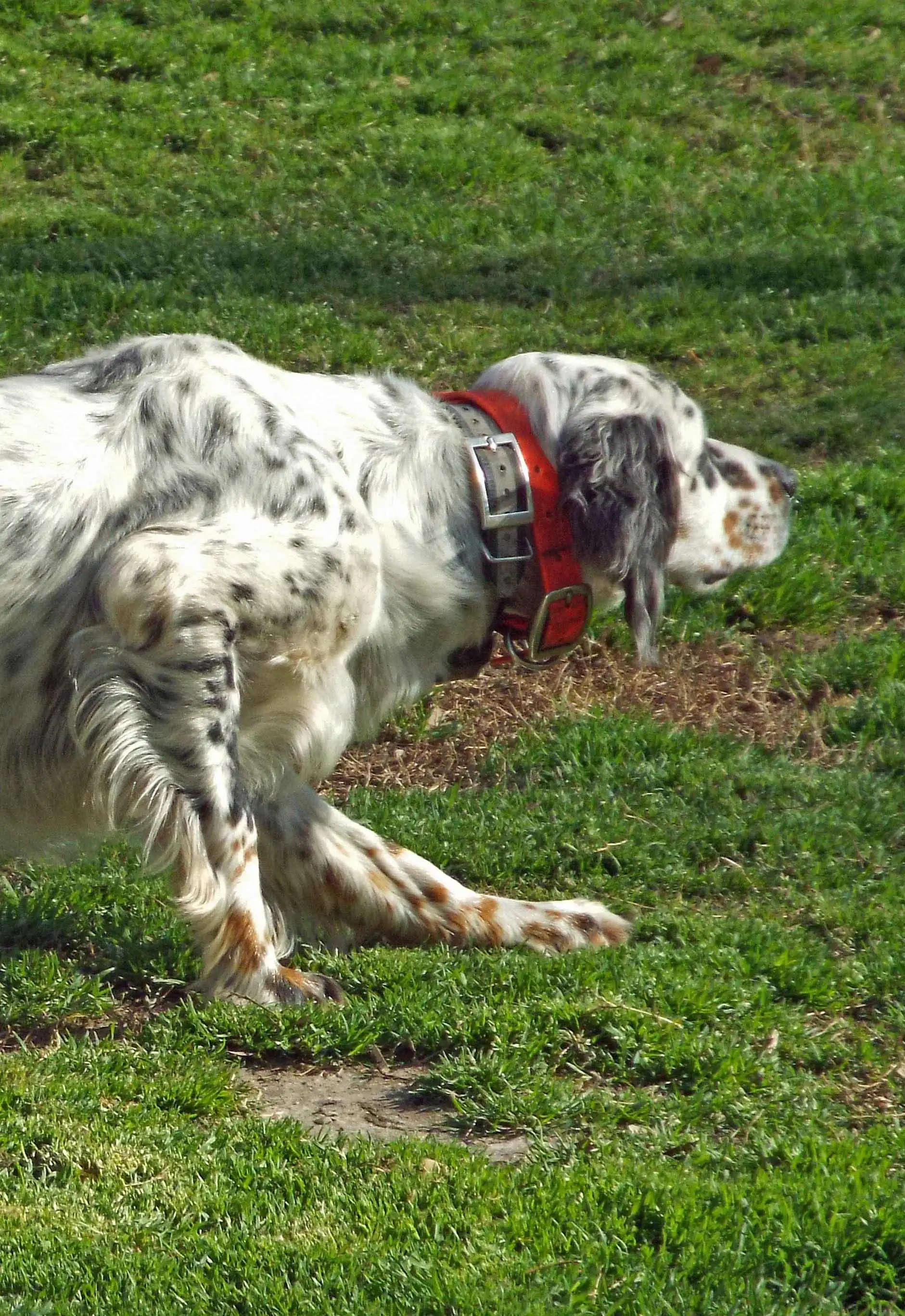
The Llewellin Setter is a robust breed celebrated for its natural talent in locating and retrieving birds during hunts. Enthusiasts of the sport observe that these dogs tend to operate within a closer range than the Lavarack variety and frequently check in with their handlers. In a home environment, Llewellin Setters are loving and gentle companions, always eager to be near people. They have the vitality and playful spirit to engage with even the most active children, while also being careful enough to avoid unintentionally knocking over younger kids. However, housetraining can be a bit tricky; despite their friendly disposition and hunting skills, they often face difficulties with training in non-hunting contexts. Their affectionate nature doesn’t always translate to a desire to please, as they can show signs of stubbornness and manipulative behavior. Thus, it is essential to implement calm and consistent training, particularly when started at a young age.

Play & Exercise
While this breed may not be as active indoors as many other working dogs, they still possess the essential traits of their kind. To promote their mental and physical well-being, they need at least 45 minutes to an hour of vigorous exercise each day, along with some mental stimulation. Besides regular walks and runs, these dogs often excel in activities such as rally sports, flyball, and hunting trials. Generally, they are not excessively vocal, which means they could adjust to apartment living if given enough exercise; however, they are much more suited to a spacious home with a yard.
Things to Know
Cups Per Day
3.2 Cups
Daily Activity
60 Minutes
Average Lifespan
11 Years
Origin
Late 1800s
Type
Pure Breeds
Size
Medium
Origin Country
England
Brush Frequency
Daily
Coat Texture
Wavy
Register
Your kids have been begging for a pet forever, and you've recently decided that it's time for your family to get a new addition -- a dog! While everyone is excited for the new arrival, you're wondering if you need to have a dog license. How much does it cost? Is it required? Where do you get one?
Member Clubs

PETINNATE
Other
Height & Weight
Weight
48 lbs (22 kg)Male: 48 lbs (22 kg) , Female: 48 lbs (22 kg)
Height
23 inches (58 sm)Male: 23 inches (58 sm) , Female: 23 inches (58 sm)
6 Months
33 lbs ( m 33 lbs, f 33 lbs )
20 inches ( m 20 inches, f 20 inches )
12 Months
43 lbs ( m 43 lbs, f 43 lbs )
22 inches ( m 22 inches, f 22 inches )
18 Months
47 lbs ( m 47 lbs, f 47 lbs )
23 inches ( m 23 inches, f 23 inches )
Eye Colors
Hazel

Brown
Amber
Nose Colors
Black
Coat Colors
Gray
Fawn
Brown
Red