Mali-dutchie
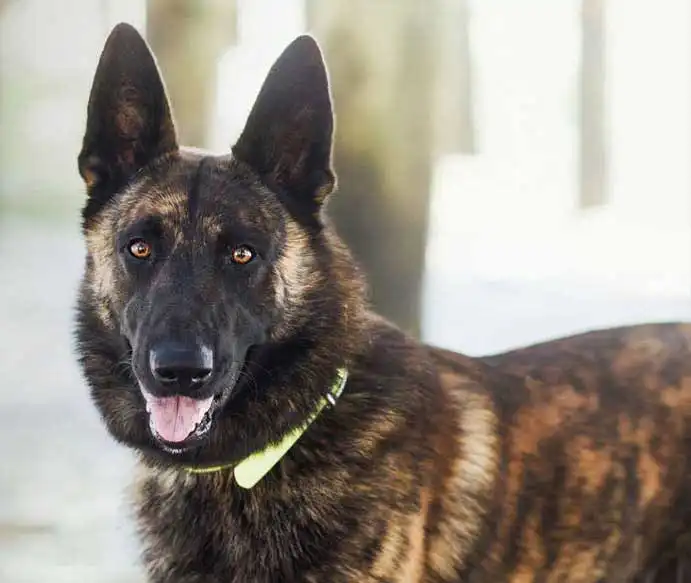
The Mali-dutchie is a hybrid breed that emerges from the combination of the Belgian Malinois and the Dutch Shepherd. This large dog belongs to the herding group, embodying the herding instincts inherited from both parent breeds. While their looks can vary greatly, even among siblings, the Mali-dutchie presents a captivating blend of characteristics from both the Malinois and the Dutch Shepherd. It features a short, weather-resistant coat that comes in a range of colors, making it adaptable to various climates, although it generally thrives in cooler environments. Although this breed sheds regularly and requires consistent grooming, its overall maintenance needs are relatively minimal. With its prominent ears, sharp eyes, and athletic build, the Mali-dutchie is certainly an eye-catching dog. It’s important to recognize that both parent breeds are celebrated for their working abilities and serious nature, often serving as police dogs, search and rescue animals, herders, and guide dogs. As a result, the Mali-dutchie is not typically a relaxed, snuggly pet; rather, it is usually energetic, highly intelligent, loyal, and affectionate, making it an excellent choice for a guard dog or a companion for an active family.
Breed Origin
The Mali-dutchie, a relatively recent hybrid breed, does not have a clearly defined origin. To grasp its background, we need to explore the histories of its parent breeds: the Belgian Malinois and the Dutch Shepherd. These breeds boast a much more extensive history, detailing their functions and modern-day roles, which can provide insight into the Mali-dutchie's development and the characteristics it may inherit from its lineage. Starting with the Belgian Malinois, this breed did not have a specific role until the 19th century. Originating from Belgium, particularly the town of Malines, the Malinois was traditionally used for herding sheep throughout Europe. In contemporary times, it is primarily recognized as a companion to police officers in Europe. Its exceptional tracking skills and herding instincts have made it an invaluable asset in law enforcement, earning it a reputation as a formidable and impressive team member. Historical photographs from a police dog trial in 1903 showcase these dogs effortlessly climbing 10-foot ladders! Despite its agility and herding capabilities, the Malinois disappeared from the U.S. by 1939, likely due to a shift in public preference towards more conventional pets. Fortunately, after World War II, the breed was reintroduced and regained its position within the police force. While it may not be the most popular choice for companionship, those who invite a Malinois into their homes often discover its affectionate nature and keen intelligence to be immensely rewarding. In a similar vein, the Dutch Shepherd is a versatile herding dog with a rich heritage. Originating in the Netherlands, this breed was initially used on farms as a sheepdog, protector, and cart puller, making it an essential asset for farmers over the years. However, by the 1900s, the need for sheep herding in the Netherlands significantly declined, leading to a drop in the breed's popularity. Nevertheless, the adaptable Dutch Shepherd found new roles, working in law enforcement and even serving as a guide dog for the visually impaired. Thanks to its high intelligence and rapid learning abilities, the Dutch Shepherd excelled in these new positions, just as it had in herding. Although its numbers are not what they once were, the Dutch Shepherd continues to thrive today, serving as a dedicated working breed that assists people in various roles.
Breed Appearance
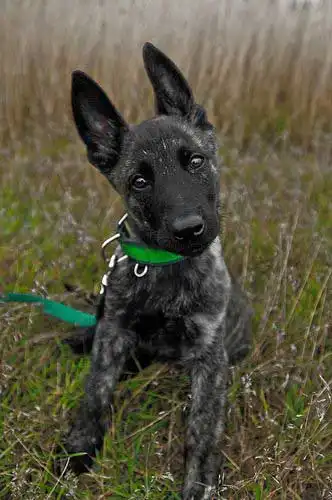
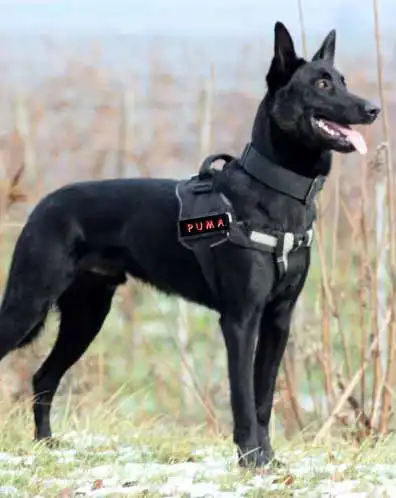
The Mali-dutchie is a strong and vigilant breed, known for its sturdy, square physique. This hybrid dog showcases a mix of characteristics inherited from its parent breeds, with males generally reaching heights of up to 26 inches and weighing around 80 pounds. They are distinguished by their large ears and dark, expressive eyes that reflect their intelligence. Due to their hybrid nature, the Mali's appearance can vary widely, even among siblings. However, they typically exhibit a work-oriented physique, marked by an athletic build and strong lines that convey both power and elegance. Unlike some other working breeds that are bulkier, the Mali is designed for speed, providing it with remarkable agility—making it well-suited for search and rescue or herding tasks. Its coat, adaptable to different weather conditions, showcases traits from both parent breeds, although the Mali tends to thrive in cooler environments. This eye-catching breed can come in a variety of coat colors, ranging from light fawn to rich mahogany, often highlighted with tan, black, or silver markings. With its elongated muzzle, strong jaw, and athletic form, the Mali-dutchie certainly draws attention wherever it appears.

Care Routine
The Mali-dutchie is a low-maintenance breed, primarily requiring brushing to control shedding. Its short coat makes it easy to keep looking tidy without much effort. It’s recommended to brush your dog at least three times a week with a de-shedding tool and a standard pin brush, as this breed tends to shed quite a bit. Regular brushing not only removes loose hair and dirt, enhancing the coat's shine, but also helps reduce the amount of hair that accumulates on your floors and furniture. Bathing is typically needed only every couple of months since the Mali usually doesn’t have a strong odor. However, if your dog gets especially dirty, you may need to bathe them more often, but overall, this task is not overly demanding. Additionally, trimming your dog’s nails every few weeks is important for maintaining healthy paws and minimizing scratching when your dog jumps on people or surfaces.
Behavior & Temperament
The Mali-dutchie is a remarkable companion animal, specifically bred to be both a protector and a loyal friend. This breed, benefiting from the intelligence of its parent breeds, requires more than just a relaxed lifestyle; it thrives on regular physical exercise and mental stimulation, along with a meaningful role to avoid destructive behaviors and the formation of negative habits. While the Mali-dutchie is energetic and demands considerable effort, it is also deeply loyal and affectionate towards its owner. Although aggression is not typical for the Mali-dutchie, its strong protective instincts can pose challenges if the dog is not adequately trained and socialized. Generally, this breed interacts well with other dogs and children, but supervision is essential, particularly during its younger years or if it has not been properly socialized, as its herding instincts may surface. The Mali-dutchie is not known for excessive barking; however, it will alert its owner with a few barks if it detects something unusual. While the Mali-dutchie may not conform to the standard image of a companion dog, it can be an excellent fit for an active family that is willing to dedicate time to training and exercise. With appropriate guidance, it can also become a reliable companion for individuals with disabilities.


Play & Exercise
The Belgian Malinois and the Dutch Shepherd are both breeds known for their high energy levels, originally developed for herding and agricultural tasks. As a result, the Mali-dutchie needs plenty of physical and mental stimulation to flourish and maintain good behavior. A simple walk in the park won’t meet their needs! Be prepared to engage in long walks, energetic runs, intense training sessions, and fun games of fetch. It’s important to understand that due to the Mali's working background, giving them a job is crucial for their well-being. This could be as simple as carrying a backpack or pulling a cart, or it could involve more significant roles, like assisting individuals with disabilities. To keep your Mali happy and well-mannered, whether as a companion or a working dog, consistent training and socialization under a confident handler are vital.
Things to Know
Cups Per Day
3.0 Cups
Daily Activity
120 Minutes
Average Lifespan
14 Years
Origin
2000's
Type
Crossbreeds
Size
Large
Origin Country
United States
Brush Frequency
Daily
Coat Texture
Straight
Ancestors
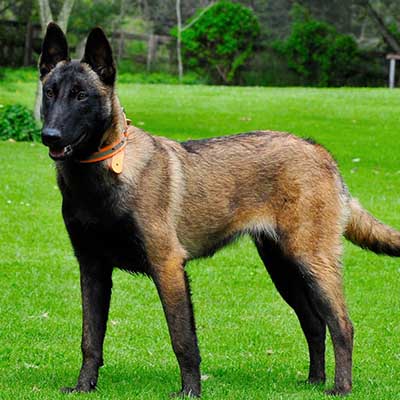
Belgian Malinois
The Belgian Malinois, hailing from the town of Malines in Belgium, was initially bred as a herding dog and has since adapted to a variety of roles, including security, law enforcement, contraband detection, assistance tasks, and herding competitions. This medium-sized breed is distinguished by its short coat and a balanced, square build, with height and length being nearly equal. Renowned for their strength and muscular physique, Malinois dogs embody the hardworking spirit of their sheepdog lineage, displaying high energy and a protective instinct. They are particularly well-suited for active owners who partake in daily physical activities such as running, biking, or hiking, as these dogs thrive on vigorous engagement. Social by nature, Belgian Malinois enjoy spending time with their families and should be allowed indoors while also having access to outdoor areas for exercise. Their intelligence and eagerness to learn make them quick learners, and they greatly benefit from early socialization and training. Each dog possesses its own distinct temperament, which can vary from reserved to highly sociable.
Read more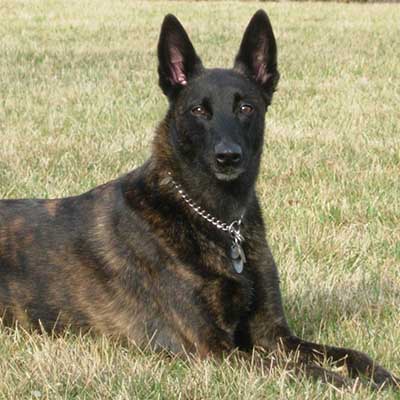
Dutch Shepherd
The Dutch Shepherd is a highly intelligent breed that is still somewhat under the radar. Owners who have had the pleasure of sharing their lives with one often refer to these dogs as true workaholics. This breed flourishes when active, whether it's herding sheep, providing therapy, competing in agility and obedience events, or even working in law enforcement. However, it is not the best choice for inexperienced dog owners. The Dutch Shepherd requires consistent exercise and training to keep both its body and mind engaged; without this, it may become bored and exhibit destructive behaviors. For experienced dog owners, the Dutch Shepherd can be an extraordinary and devoted companion.
Read moreRegister
Your kids have been begging for a pet forever, and you've recently decided that it's time for your family to get a new addition -- a dog! While everyone is excited for the new arrival, you're wondering if you need to have a dog license. How much does it cost? Is it required? Where do you get one?
Member Clubs

PETINNATE
Other
Height & Weight
Weight
63 lbs (29 kg)Male: 70 lbs (32 kg) , Female: 55 lbs (25 kg)
Height
23 inches (58 sm)Male: 24 inches (61 sm) , Female: 23 inches (58 sm)
6 Months
32 lbs ( m 32 lbs, f 32 lbs )
13 inches ( m 13 inches, f 13 inches )
12 Months
47 lbs ( m 47 lbs, f 47 lbs )
17 inches ( m 17 inches, f 17 inches )
18 Months
65 lbs ( m 65 lbs, f 65 lbs )
22 inches ( m 22 inches, f 22 inches )
Eye Colors
Brown

Nose Colors
Black
Coat Colors
Brindle
Silver
Fawn
Brown
Black