Maspyr
The Maspyr is a striking and sizable dog breed that serves as both a devoted companion and a protector of the family. This hybrid is created by crossing the purebred Mastiff, renowned for its impressive size, with the equally formidable purebred Great Pyrenees. Given its substantial build and strength, the Maspyr can appear quite formidable, which means it requires an owner who can effectively manage its needs and encourage proper socialization. As a result, those without experience handling large breeds may find this dog challenging. At present, the Maspyr is officially recognized by just two hybrid registries: the Designer Breed Registry and the International Designer Canine Registry.
Breed Origin
The Mas pyr is a designer breed that emerges from the crossbreeding of two large purebred dogs: the Mastiff and the Great Pyrenees. Although it may not be as well-known as other hybrid breeds, its considerable size and the variability in weight and appearance—due to the lack of established hybrid standards—contribute to its lower popularity. Nonetheless, the Mas pyr is an exceptional guardian for families, and potential owners can benefit from understanding the histories of its parent breeds. The Mastiff's ancestry can be traced back to the Molosser dogs, ancient breeds recognized for their roles in protecting livestock and homes. Celebrated as powerful guardians and war dogs throughout various cultures, the modern Mastiff took shape in England during the 15th century, significantly influenced by the Lyme Hall strain, which was selectively bred from the 15th to the 20th centuries. This breed thrived in England during that time but faced near extinction in the early 20th century due to food shortages resulting from the World Wars. Fortunately, imports to the United States and Canada played a crucial role in preserving the breed. The American Kennel Club officially recognized the Mastiff as part of the Working Group in 1885. Conversely, the Great Pyrenees has a long history as a sheepdog in the Pyrenees Mountains, where it has been developed for over 5,000 years. Initially seen as a peasant's dog for herding flocks, it gained royal recognition in the 17th century when King Louis XIV named it the Royal Dog of France. This change elevated its status from a simple herder to a protector of estates among the nobility. The breed later found its way to Newfoundland, Canada, where it became quite popular. The American Kennel Club recognized the Great Pyrenees in 1933, and it continues to maintain a moderate level of popularity today.
Breed Appearance
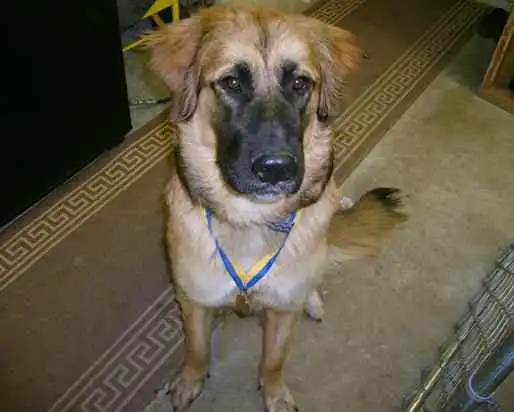
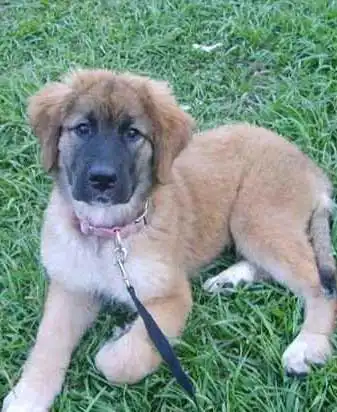
The Maspyr is a large hybrid breed, nearly reaching giant proportions, and is renowned for its exceptional role as a guardian of the home. It often resembles the Great Pyrenees, with its head aligning closely with its shoulders. The coat is typically thick and light in color, though it frequently showcases darker markings on the body and face. This breed is characterized by a strong and muscular physique, complemented by a large, bushy tail that hangs low but curls upward at the end. The Maspyr has a wide head with a medium-length muzzle, often adorned with a friendly expression. Its large, round brown eyes convey a gentle and approachable nature.

Care Routine
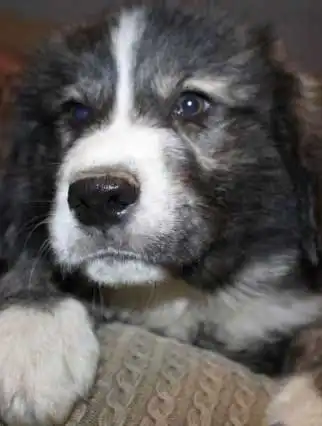
The Maspyr features a thick, luxurious coat that tends to shed significantly. Thankfully, caring for this coat is quite simple, requiring just a weekly grooming session. To manage shedding, a bristle brush is effective for removing dead and loose hair. The coat's smooth and soft texture helps repel dirt, which easily falls away during grooming. Due to the Maspyr's size, these grooming sessions can take up to 30 minutes. It’s best to avoid bathing the Maspyr unless absolutely necessary, as this hybrid has particularly sensitive skin. While grooming, take the time to check the ears for any dirt or debris that may become trapped in their floppy, dense fur. Additionally, regular brushing of the teeth and trimming of the nails will ensure your Maspyr remains in excellent condition.
Behavior & Temperament
The Maspyr is a gentle giant celebrated for its strong protective instincts, especially when it comes to children. While it may bark occasionally, reminiscent of the Great Pyrenees, its sheer size often serves as a natural deterrent to most intruders, even though it tends to be quieter like the Mastiff. As a large guardian breed, the Maspyr requires an owner who can ensure proper socialization. Generally, this breed is not very sociable with other dogs or pets, but with the right socialization efforts, it can learn to live harmoniously with them. Training a Maspyr can be quite challenging due to its stubborn nature, making it crucial for owners to be dedicated and proactive in their training approach. With medium to high energy levels, the Maspyr needs regular daily exercise to maintain its health and happiness.


Play & Exercise
The Maspyr is an energetic breed that requires daily exercise at a moderate to high intensity. In contrast to many larger dog breeds that are often more relaxed, the spirited Maspyr thrives on vigorous activities and needs plenty of space to run. As a result, this breed is not ideal for apartment living; it does best in larger homes with yards. Although the Maspyr prefers cooler climates, it can adjust to warmer conditions. However, it's crucial to keep an eye on your dog's temperature and provide ample water and shade when outdoors, as this hybrid is susceptible to overheating.
Things to Know
Cups Per Day
3.5 Cups
Daily Activity
60 Minutes
Average Lifespan
9 Years
Origin
Unknown
Type
Crossbreeds
Size
Giant
Origin Country
United States
Brush Frequency
Weekly
Coat Texture
Straight
Register
Your kids have been begging for a pet forever, and you've recently decided that it's time for your family to get a new addition -- a dog! While everyone is excited for the new arrival, you're wondering if you need to have a dog license. How much does it cost? Is it required? Where do you get one?
Member Clubs

PETINNATE
Other
Height & Weight
Weight
155 lbs (70 kg)Male: 155 lbs (70 kg) , Female: 155 lbs (70 kg)
Height
28 inches (71 sm)Male: 29 inches (74 sm) , Female: 27 inches (69 sm)
6 Months
97 lbs ( m 97 lbs, f 97 lbs )
24 inches ( m 24 inches, f 24 inches )
12 Months
130 lbs ( m 130 lbs, f 130 lbs )
26 inches ( m 26 inches, f 26 inches )
18 Months
150 lbs ( m 150 lbs, f 150 lbs )
27 inches ( m 27 inches, f 27 inches )
Eye Colors
Brown

Nose Colors
Black
Coat Colors
Brown
Fawn
Black
Gray
White
Cream