McNab
McNab Border Collie, McNab Sheepdog, McNab Herding Dog
The McNab is a friendly and hardworking breed celebrated for its loyalty, protective nature, and impeccable behavior. Full of vitality, these dogs flourish in the presence of children, eagerly participating in energetic play and showing genuine affection. They thrive in spacious environments, making them perfect companions for rural or farm settings. Although they can adjust to city life, their high energy levels make apartment living challenging unless they receive regular exercise through walks or runs. Training a McNab is generally easy; they are quick learners who respond well and require fewer repetitions to master new commands. Their enthusiasm for learning is complemented by a strong desire to showcase their abilities. While the McNab's appearance can vary widely, they consistently have a short coat, which may be sleek and well-kept or slightly fluffier with a thick double layer. These dogs are indefatigable and have been employed in numerous roles, such as search and rescue, cadaver detection, and archaeological tasks. Ultimately, the McNab's potential is only constrained by the energy of their owner.
Breed Origin
The McNab is a relatively recent addition to the canine world, having emerged only in the last few years. When Alexander McNab left his beloved Scotland for California, he was in search of a reliable dog to help him manage his vast 10,000-acre sheep ranch in the Hopland area. He encountered numerous obstacles, including severe weather conditions, unpredictable climates, and the ever-present danger of wild predators seeking an easy meal. To tackle these challenges, McNab set out to breed a herding dog capable of thriving in harsh environments, demonstrating obedience, and possessing the endurance necessary for the rugged terrain. He began this process by crossing the Scottish Collies he had brought with him with hardy dogs from local nomadic sheep herders. This initiative ultimately led to the creation of the McNab Shepherds. As the demanding landscape took its toll on McNab over the years, he passed the ranch to his youngest son, John, in the early 1900s. An attorney and stockman, John was dedicated to preserving and improving the lineage of the dogs his father had developed. He revitalized the breeding practices, introducing new bloodlines from dogs imported from Scotland. As a result, McNab dogs earned a reputation as outstanding herding animals in California, capturing the attention of many ranchers eager to acquire one. This growing popularity facilitated the spread of the McNab breed throughout the United States and Canada, with some even serving as stock dogs in Germany and as sporting dogs in Japan. They are celebrated for their boundless energy, strong work ethic, and affectionate loyalty.
Breed Appearance
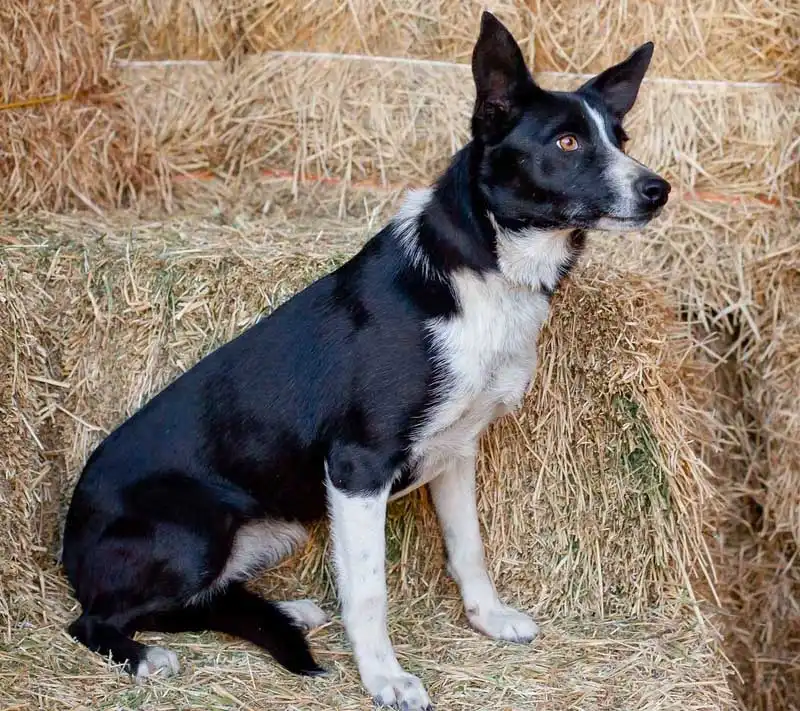
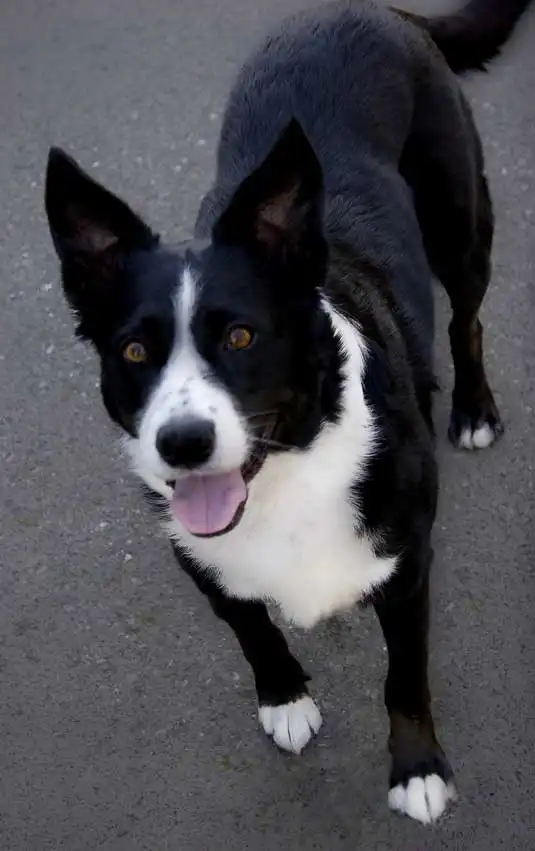
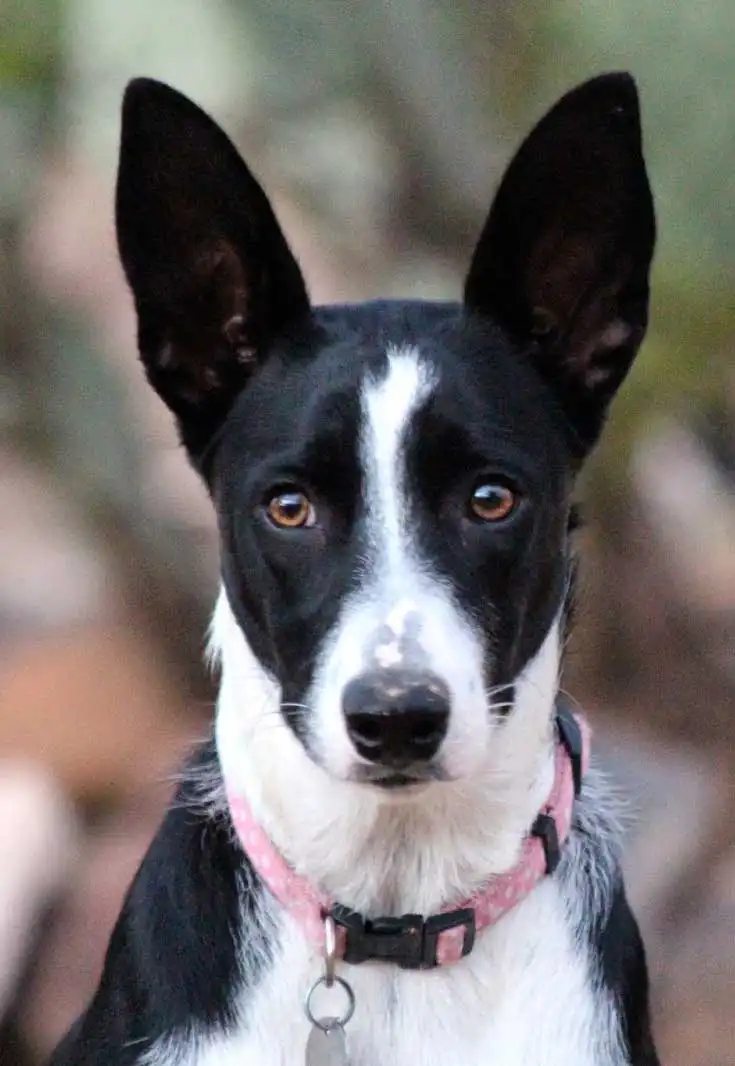
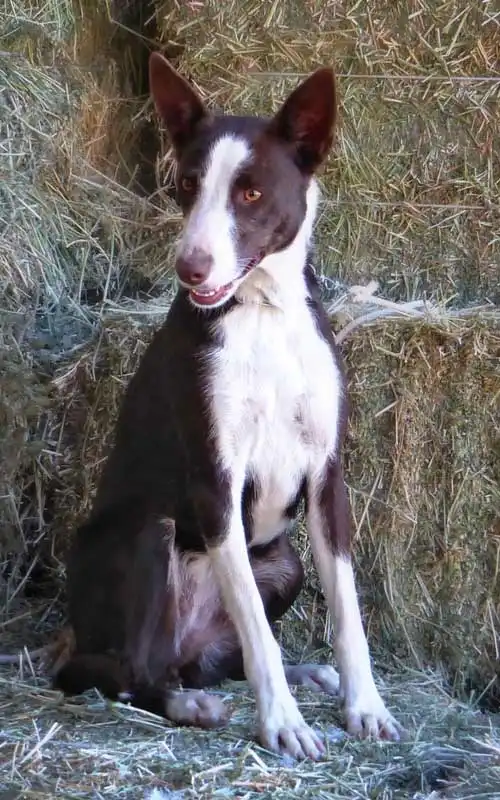
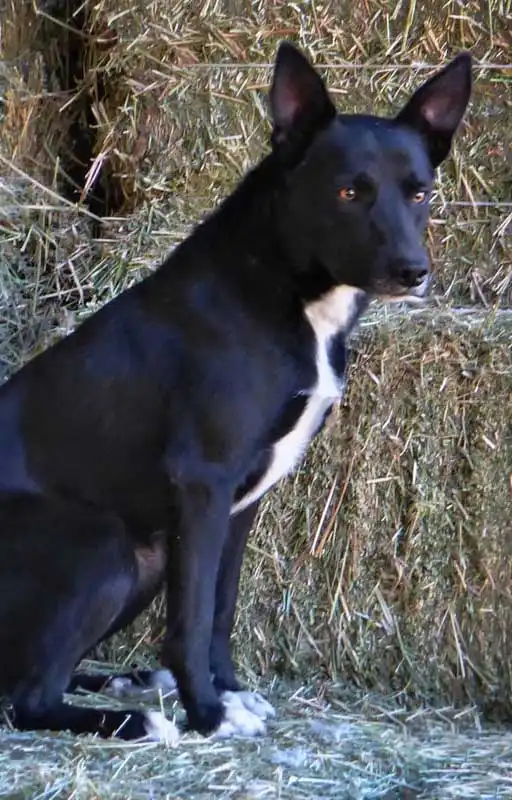
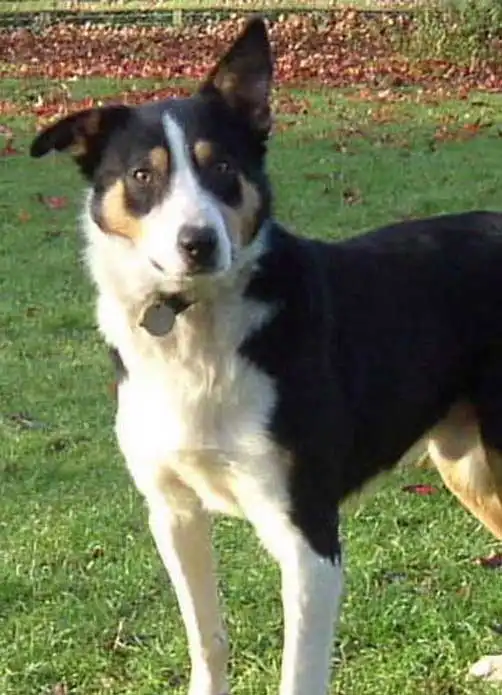
The McNab presents a sleek and athletic profile, highlighted by an alert and curious expression on its friendly face. Generally classified as small to medium-sized, these dogs have a lean, muscular physique, with weights reaching up to 50 pounds. Renowned for their enthusiasm for running and working, they possess a deep chest and long, elegant legs that culminate in cat-like paws, granting them impressive agility. Their bodies are elongated, tapering gently towards the tail, complemented by a subtly tucked abdomen. A graceful, slender neck supports a pointed head that is rounded at the crown. Their ears are set wide apart and held high, often remaining attentive, although some may have tips that droop. The most common coloration for the McNab is black, often featuring random white patches, but they can also appear in shades of red, brown, or tri-color. Their almond-shaped eyes are widely spaced, allowing them to detect movement from afar, no matter how quietly one approaches. The McNab's coat is always short, ranging from sleek and smooth to dense double layers. With their glossy coats fitting snugly against their bodies, these dogs exude an intelligent appearance. While the sophisticated McNab is known for its independence, it also enjoys cuddling and values attention.
Care Routine
The McNab is a breed that requires minimal upkeep, needing only a weekly brushing to keep its elegant appearance. Baths are generally unnecessary unless your dog has played in the mud; a simple wipe with a damp cloth can quickly restore its luster. If you do decide to bathe your McNab, use a gentle dog shampoo that preserves its natural oils, which are vital for protecting against the elements. While grooming, take the chance to check for any injuries or burrs that could be causing discomfort. It's also crucial to brush your dog's teeth two to three times a week to maintain fresh breath and promote dental health. Regular maintenance should include inspecting and gently cleaning their ears, as accumulated dirt and wax can lead to irritation. Lastly, a quick trim of the toenails will prepare your McNab for all sorts of fun and adventures!
Behavior & Temperament
McNabs are celebrated for their outstanding working skills, particularly in the precise movement of livestock. They are proficient in both herding and heeling, allowing them to direct animals from the front or push them forward from behind. While they are commonly linked with sheep, their expertise also encompasses cattle. Moreover, these versatile dogs can effectively manage flocks of geese, herds of goats, and even round up horses from the fields. These hardworking dogs develop strong connections with their families, including other pets, and possess a sharp awareness of their territory, typically remaining close to home as they take on protective roles. However, McNabs can display a dominant temperament; if not properly guided, they may become overly assertive. As such, they need a confident owner who can consistently enforce rules and utilize positive reinforcement training techniques. McNabs flourish in family environments and integrate seamlessly into daily life, thriving on companionship and attention. Those interested in this remarkable breed should be ready to invest significant time in nurturing their loyal canine companion.
Play & Exercise
The McNab dog is a lively breed that excels in activities like running, herding, and play, often for long durations. While they are best suited for rural settings, they can adapt to city life if they receive sufficient exercise. If you’re a runner, this breed would be a fantastic companion. They also need mental challenges and thrive on tasks, making them ideal candidates for agility trials and disc dog competitions that highlight their athletic abilities. Although they have an independent and spirited disposition, they respond well to training when guided by a strong yet fair leader. By nature, they are not aggressive, except when it comes to defending their family, which they do instinctively. This friendly breed enjoys long walks in open areas or along the beach and typically gets along well with other dogs and even cats. However, if left alone for extended periods, they may become bored and resort to destructive behaviors, so regular exercise is crucial to keep them content and out of mischief.
Things to Know
Cups Per Day
3.0 Cups
Daily Activity
90 Minutes
Average Lifespan
14 Years
Origin
19th Century
Type
Pure Breeds
Size
Medium
Origin Country
United States
Brush Frequency
Weekly
Coat Texture
Straight
Register
Your kids have been begging for a pet forever, and you've recently decided that it's time for your family to get a new addition -- a dog! While everyone is excited for the new arrival, you're wondering if you need to have a dog license. How much does it cost? Is it required? Where do you get one?
Member Clubs

PETINNATE
Other
Height & Weight
Weight
45 lbs (20 kg)Male: 50 lbs (23 kg) , Female: 40 lbs (18 kg)
Height
20 inches (51 sm)Male: 22 inches (56 sm) , Female: 19 inches (48 sm)
6 Months
11 lbs ( m 11 lbs, f 11 lbs )
11 inches ( m 11 inches, f 11 inches )
12 Months
34 lbs ( m 34 lbs, f 34 lbs )
16 inches ( m 16 inches, f 16 inches )
18 Months
45 lbs ( m 45 lbs, f 45 lbs )
18 inches ( m 18 inches, f 18 inches )
Eye Colors
Hazel

Brown
Amber
Nose Colors
Black
Brown
Coat Colors
Pied
Red
Black