Miniature Border Schnollie
The Miniature Border Schnollie, a recent hybrid created by crossing the Border Collie with the Miniature Schnauzer, has not yet garnered extensive information. Nevertheless, the parent breeds are celebrated for their intelligence, vigilance, high energy levels, and sociable demeanor, which makes them wonderful family pets. Both breeds shine in a variety of pursuits, such as agility and obedience trials, narcotics detection, search and rescue missions, herding, hunting, earth dog activities, and tracking. With their playful behavior and protective instincts, this hybrid is sure to bring joy and companionship to any household.
Breed Origin
The Miniature Border Schnollie is a hybrid breed resulting from the cross between a Border Collie and a Miniature Schnauzer. As a relatively new hybrid, comprehensive information about it is scarce; however, there is a rich historical background associated with its parent breeds. To gain a deeper understanding of the Miniature Border Schnollie, it is helpful to examine the histories of both the Border Collie and the Miniature Schnauzer. Originating from the United Kingdom and Ireland, the Border Collie has a lineage that dates back to at least the first century B.C. During this period, the Romans invaded Britain, bringing their herding dogs to aid in livestock management. After the fall of the Roman Empire, Viking raiders introduced smaller Spitz-type dogs, which likely influenced the evolution of the Border Collie. This combination of breeds led to the creation of a dog that is not only agile but also exceptionally suited for the rugged highland landscapes of Wales, England, and Scotland. Renowned for their endurance and independent working style, Border Collies remain highly regarded for these qualities. The breed received official recognition from the American Kennel Club in 1995. Conversely, the Miniature Schnauzer originates from Germany, with its history tracing back to at least the 1400s. This smaller version of the Standard Schnauzer is thought to have descended from several breeds, including the Poodle, Affenpinscher, Wire Fox Terrier, Zwerzgspitz, and Miniature Pinscher. The Miniature Schnauzer's petite size is the result of selective breeding, which focused on the smallest individuals in litters to create a miniature form. Initially bred for various agricultural tasks, particularly for catching rats, this lively little dog has demonstrated remarkable skill in its role. In North America, the breeding of Miniature Schnauzers began around 1924, and the breed was officially recognized by the American Kennel Club in 1926. Today, this intelligent and affectionate breed is cherished not only as a family pet but also as a reliable watchdog.
Breed Appearance
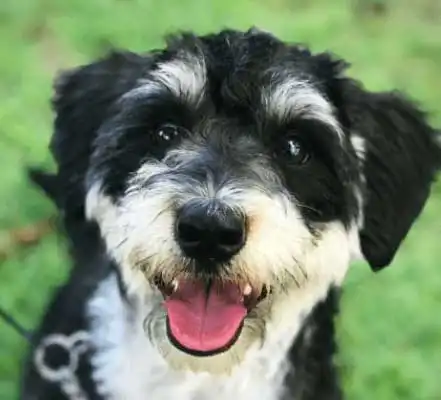
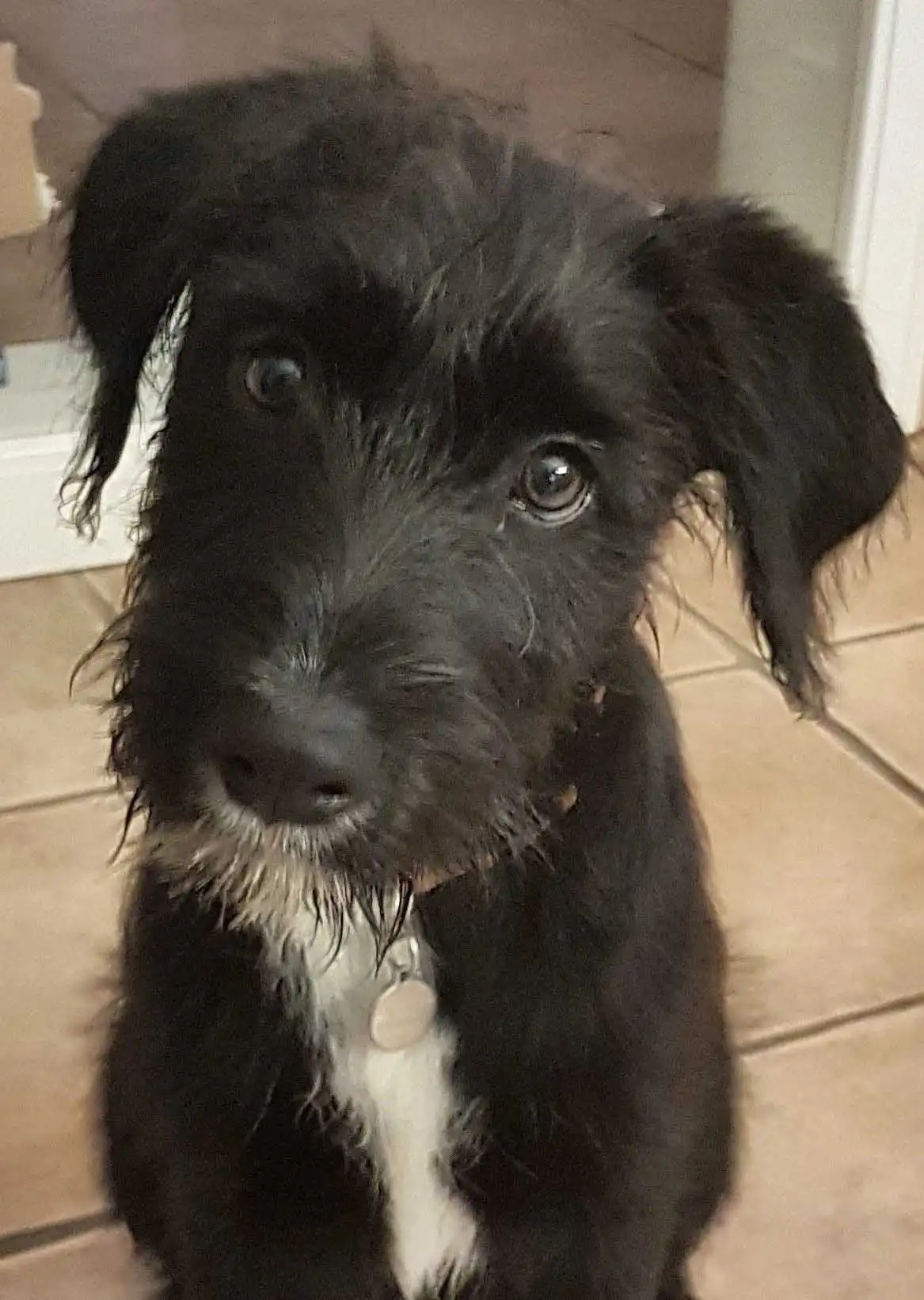
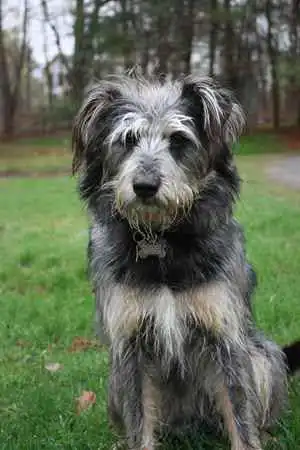
The Miniature Border Schmollie is a relatively recent hybrid breed, created by crossing a Border Collie with a Miniature Schnauzer. As a result, these dogs can display a diverse range of physical characteristics inherited from either or both parent breeds. When fully matured, they typically stand between 12 and 23 inches tall and weigh between 13 and 45 pounds, with males usually being slightly larger and heavier than females. Their body types can differ significantly, appearing either square and robust, small and sturdy, or medium-sized and athletic. The muzzle may be strong and blunt or gently tapered, proportionate to the length of the head. The nose is generally solid black or closely matches the coat color. Ears are set high on the head and can take on a V-shape, standing upright, or may hang down partially or completely. The tail can be positioned low or high and varies in length. Eye features can range from deep-set and dark, which may lend a grumpy look, to a spectrum of colors that align with the coat, including the possibility of heterochromia, where the eyes are different colors. The coat itself can be wiry, rough, or smooth, often accompanied by a dense undercoat and available in nearly any hue. Common colors include solid black, solid white, salt and pepper, black or silver, as well as bi-color, tricolor, or merle patterns that may feature shades of black, brown, red, tan, fawn, or white. Moreover, this hybrid is likely to inherit the scissors bite trait from both parent breeds. The feet may be oval and compact or round and cat-like, with arched toes.

Care Routine
The Miniature Border Schnollie, a crossbreed between the Border Collie and the Miniature Schnauzer, is considered to have moderate grooming needs. Shedding is generally low to moderate, influenced by the characteristics of its parent breeds. While the Miniature Schnauzer is recognized for being hypoallergenic, it remains unclear if this trait will carry over to the hybrid. Both parent breeds have thick double coats, making regular grooming a necessity; it’s advisable to brush your Schnollie at least once a week to remove loose hair and debris. Bathing should be reserved for when it’s truly needed—typically every few months—unless your dog has a penchant for rolling in dirt, in which case more frequent baths may be necessary. Limiting baths helps preserve the natural oils in the coat, which is vital for its overall health. Weekly ear checks are essential for your hybrid; clean the ears gently without inserting anything into the ear canal to avoid infections. Consistent dental care is also important, including professional cleanings and brushing at home at least three times a week to reduce the risk of periodontal disease and tooth loss. Additionally, inspect your dog’s toenails weekly and trim them as needed, unless they naturally wear down through regular activity. This hybrid is known for having a low odor and minimal drooling, traits inherited from its parent breeds.
Behavior & Temperament
The Miniature Border Schnollie, a charming cross between the Border Collie and the Miniature Schnauzer, can inherit a diverse range of personality traits from its parent breeds. This hybrid often displays characteristics such as alertness, intelligence, friendliness, playfulness, high energy, protectiveness, and responsiveness. Typically, he is loyal and protective of his family, getting along well with children, cats, and other pets, especially when socialized early on. Thanks to the high intelligence and energy levels inherited from both breeds, this hybrid is eager to please, which makes training relatively easy. However, it is crucial to establish clear leadership from the outset. A positive approach to both discipline and encouragement will lead to the best outcomes. An important consideration in training is that your Schnollie may exhibit certain traits from both parent breeds. The Border Collie lineage can result in a prolonged sense of playfulness, meaning your Schnollie might not fully mature—physically or emotionally—until he is around 3 to 4 years old. This playful nature does not detract from his intelligence; instead, it enhances it. Furthermore, your pet is likely to be sociable with strangers, although he may initially be a bit vocal until he feels comfortable in their presence.


Play & Exercise
The Miniature Border Schnollie is an enchanting hybrid that merges the characteristics of the Border Collie and the Miniature Schnauzer. This crossbreed is brimming with energy from both parent breeds, which means it requires regular exercise to keep both the dog and its family content, healthy, and active. The combination of vitality and intelligence inherited from its lineage creates a spirited and engaging canine companion. Both parent breeds possess a strong drive to remain active, often exploring their surroundings, hunting, observing, and guarding. As a result, your Miniature Border Schnollie needs ample mental and physical stimulation to flourish. Regular long walks, playtime at the dog park or in a secure backyard, and games like fetch or Frisbee are vital. Furthermore, activities such as earth dog trials, obedience training, and agility exercises can help keep your dog mentally sharp and physically fit. It's essential to prevent boredom, as it can lead to destructive behaviors. The sociable nature of both the Border Collie and Miniature Schnauzer means they thrive on human interaction, especially with their families. Thus, it’s important to be aware that your hybrid may suffer from separation anxiety if left alone for long periods. This breed is versatile and can adapt to various climates, thriving in both urban and rural settings. However, a home with plenty of open space may be more aligned with its Border Collie roots. With some modifications to ensure sufficient exercise, your Miniature Border Schnollie can happily reside in apartments, condos, or family homes, even without a fenced yard.
Things to Know
Cups Per Day
2.0 Cups
Daily Activity
90 Minutes
Average Lifespan
12 Years
Origin
Unknown
Type
Crossbreeds
Size
Medium
Origin Country
Unknown
Brush Frequency
Weekly
Coat Texture
Straight
Ancestors
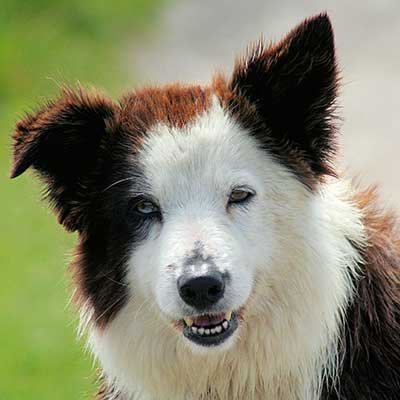
Border Collie
The Border Collie is a highly energetic and alert breed, characterized by an intense need for purpose. Renowned for their exceptional intelligence, they are remarkably trainable. Initially bred for herding sheep, they have a strong herding instinct that may drive them to pursue animals, bicycles, and vehicles. To flourish, this breed requires consistent exercise and daily mental engagement. Border Collies thrive in agility training and other physically and mentally stimulating activities. If they do not receive adequate stimulation, they may develop destructive habits, such as chewing on furniture, scratching doors, or excessive barking and howling. They are also prone to experiencing separation anxiety. Their dense undercoat demands regular grooming to maintain its health. Additionally, Border Collies can be sensitive to noise, often becoming anxious during thunderstorms or fireworks.
Read more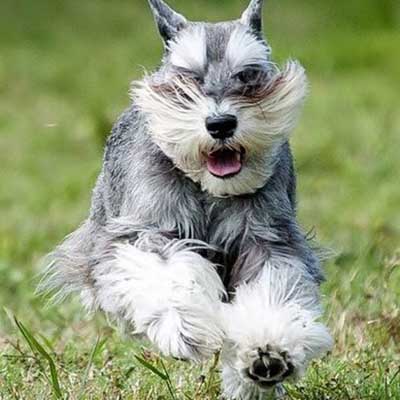
Miniature Schnauzer
The Miniature Schnauzer is recognized as the smallest and most cherished member of the Schnauzer breed. Originating in Germany in the 1800s, this breed was initially developed for catching rats and serving as a small farm dog. Over the years, the Miniature Schnauzer has evolved into a popular companion for many families. It is thought that this breed resulted from the crossbreeding of smaller Standard Schnauzers with Affenpinschers and Poodles, creating a more compact Schnauzer variant. Renowned for their affectionate and vocal personalities, Miniature Schnauzers flourish in lively households. They need regular exercise to maintain their happiness and health, along with adequate socialization. It's also crucial to keep smaller animals away from them due to their inherent hunting instincts. With their inquisitive and energetic nature, Miniature Schnauzers are always eager for new adventures.
Read moreRegister
Your kids have been begging for a pet forever, and you've recently decided that it's time for your family to get a new addition -- a dog! While everyone is excited for the new arrival, you're wondering if you need to have a dog license. How much does it cost? Is it required? Where do you get one?
Member Clubs

PETINNATE
Other
Height & Weight
Weight
29 lbs (13 kg)Male: 29 lbs (13 kg) , Female: 29 lbs (13 kg)
Height
18 inches (46 sm)Male: 18 inches (46 sm) , Female: 18 inches (46 sm)
6 Months
22 lbs ( m 22 lbs, f 22 lbs )
13 inches ( m 13 inches, f 13 inches )
12 Months
29 lbs ( m 29 lbs, f 29 lbs )
17 inches ( m 17 inches, f 17 inches )
18 Months
29 lbs ( m 29 lbs, f 29 lbs )
17 inches ( m 17 inches, f 17 inches )
Eye Colors
Blue

Hazel
Brown
Amber
Nose Colors
Black
Brown
Isabella
Coat Colors
White
Silver

Blue
Cream
Red
Brown
Black
Gray