Miniature Schnaupin
Mini Schnaupin
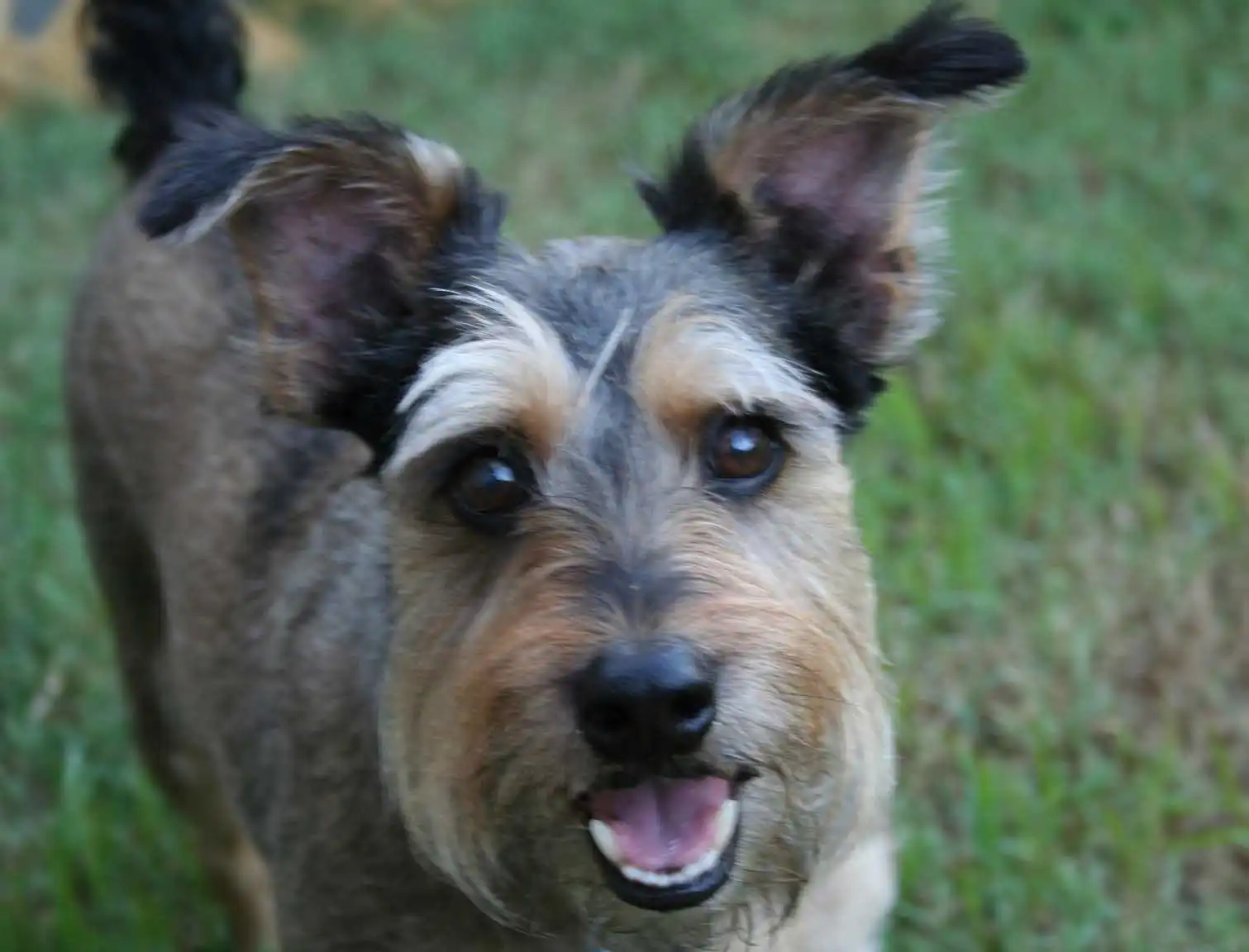
The Miniature Schnaupin is a charming small breed celebrated for its intelligence, playful spirit, and joyful personality, making it an excellent choice for families, particularly those with children. These dogs are naturally curious and analytical, often eager to investigate how things work—especially their toys—sometimes even taking them apart. Their affectionate and playful nature is paired with a strong territorial instinct; they will bark enthusiastically to alert you to any strangers and show bravery when facing perceived threats, no matter their size. While they excel as family pets, they thrive on being part of family activities rather than being left outside. As delightful companions, they bring joy and laughter with their playful behavior and love to curl up in your lap, relishing all the affection you can give.
Breed Origin
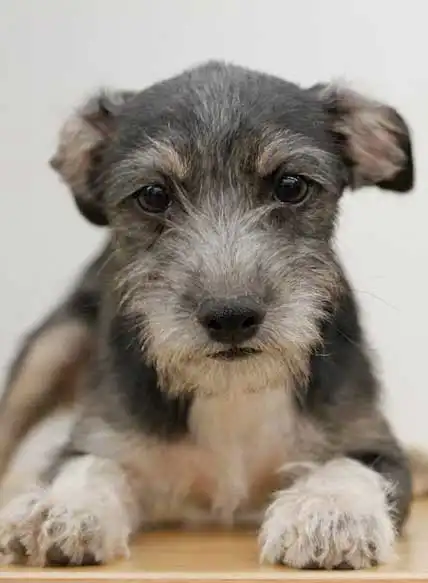
Exploring the ancestry of the Miniature Schnaupin highlights the contributions of its parent breeds: the Miniature Schnauzer and the Miniature Pinscher. The Miniature Pinscher, commonly known as the Min Pin, is thought to have originated in Germany several centuries ago, where it was primarily utilized for pest control in stables and homes. Although it shares a visual similarity with the Doberman—albeit in a more compact size—the Min Pin is a unique breed that actually predates the Doberman. In 1895, German breeders formalized a breed standard, yet the Min Pin remained relatively unknown outside Germany until it gained attention at a dog show in Stuttgart. By 1905, its popularity had skyrocketed, and the first Min Pins arrived in America in 1919. The American Kennel Club recognized the breed in 1929, and since then, these sleek and lively dogs have won the affection of many owners who admire their vibrant personalities and confident demeanor. Conversely, Miniature Schnauzers were initially bred as working dogs, responsible for guarding farms and hunting vermin. Their endearing looks may not immediately convey a history of labor, but their playful behavior—like shredding toys or pursuing birds—reveals their lively spirit. Although detailed historical accounts of the Miniature Schnauzer's development are limited, it is believed that the breed's first representative, a black female named Findel, was born in 1888. The turmoil of World Wars I and II took a toll on many dog breeds in Europe, but committed breeders worked diligently to restore the Miniature Schnauzer, resulting in a lasting revival of its popularity. While the preferred colors have evolved from red, tan, and yellow to various shades of silver and black, the Miniature Schnauzer continues to be a cherished companion. With their tenacity, affection, and undeniable charm, these resilient little dogs have garnered the loyalty and admiration of countless individuals.
Breed Appearance
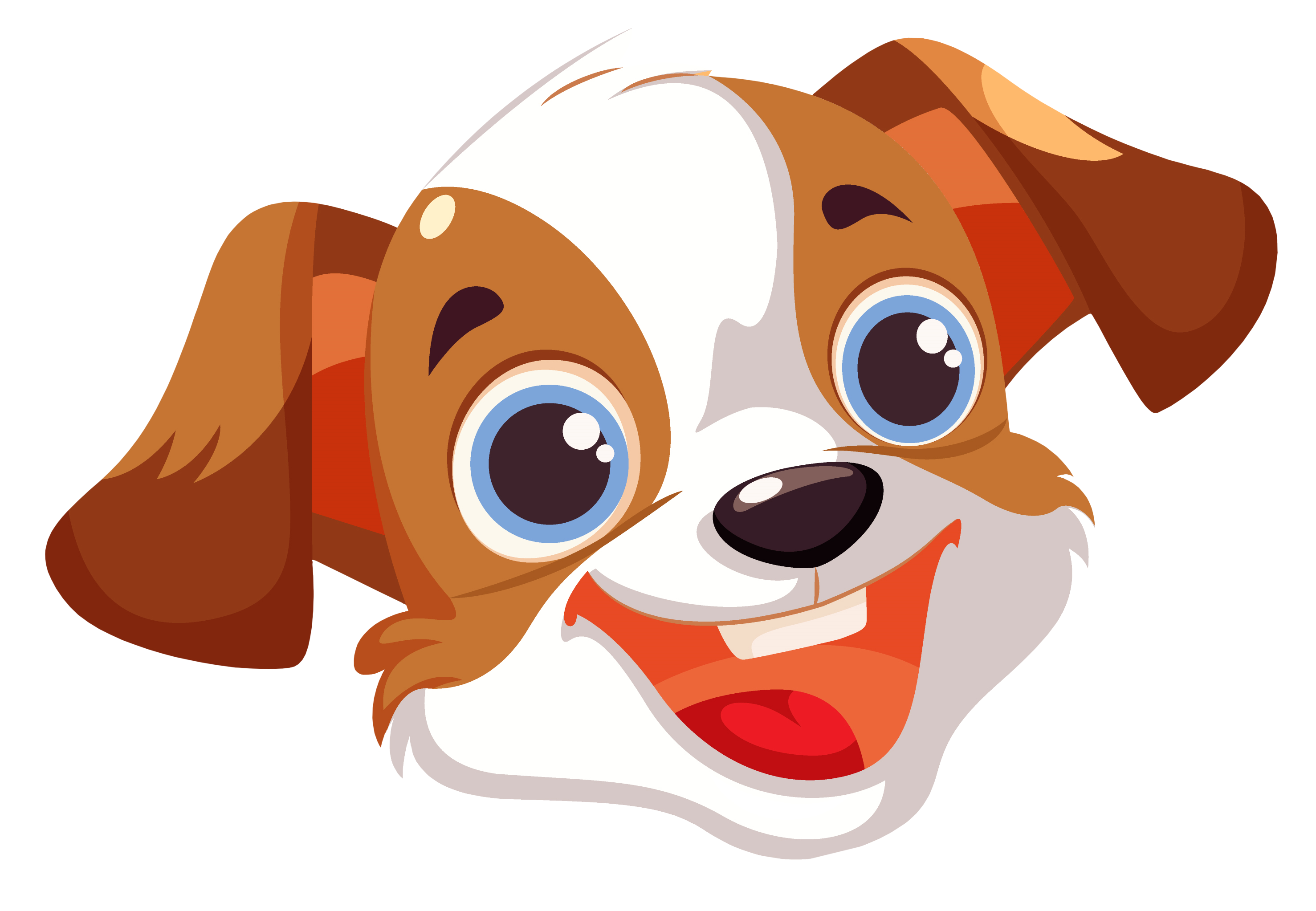
The Miniature Schnaupin presents an endearing and almost whimsical expression. Its distinct, upright ears, which have a slight bend at the tips, frame a black nose and bright, round eyes that sparkle with curiosity. Fluffy eyebrows and a pointed muzzle adorned with whiskers further enhance its charm, painting a vivid picture of this lively little dog. This breed possesses a light, athletic physique, with coats that can be either smooth or wavy and come in a variety of colors. The sturdy, short legs may show feathering, a trait inherited from its lineage. Within a single litter, puppies can exhibit a diverse range of appearances, including variations in height and weight. Their medium-length tails are held high, and these delightful dogs wear a smile that is sure to spread joy to everyone they meet.

Care Routine
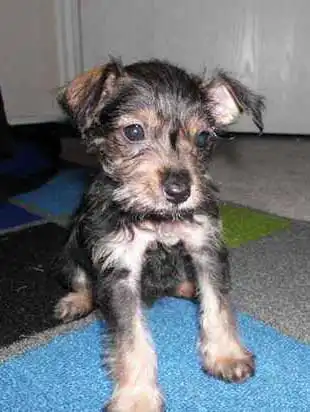
The Miniature Schnaupin is a breed that requires minimal grooming, needing just a brush once or twice a week to maintain its coat. With little shedding, care is quick and easy, although these dogs thrive on your affection. Given their relatively large ears, it's important to regularly check for any debris, like dirt or seeds, that might get stuck and cause irritation. A gentle cleaning routine will help keep their ears in good condition. Furthermore, dental hygiene is simple if the Miniature Schnaupin has been accustomed to having its teeth brushed from a young age. Bathing is only necessary after they’ve had a romp in the mud or rolled in something unpleasant, and using a gentle dog shampoo will help retain the natural oils in their fur. Lastly, remember to monitor their nails and trim them as needed.
Behavior & Temperament
The Miniature Schnaupin is renowned for its playful disposition and cheerful personality. This breed possesses an innate curiosity about how things work, especially toys, which can sometimes result in a few toys being taken apart in their quest for knowledge! These lively dogs make excellent companions for children, making them an ideal choice for families. They thrive on social interaction and prefer to be involved in family activities. Although the Miniature Schnaupin can be spirited and occasionally a bit overconfident, they respond well to engaging training techniques that incorporate rewards and fun. Proper training can help manage their tendency to assert their independence and temper their stubbornness. With a background rooted in working, these dogs are quite active and may chase after small animals, including the neighbor's cat, if not properly socialized during their formative years. Teaching them to control their chasing instincts can take time, so it’s wise to keep them on a leash during walks. Additionally, they are quite clever and can find ways to escape, so be mindful of their ability to climb over fences. They enjoy having a yard to explore but can also adapt well to apartment living, as long as they receive daily walks or have the chance to run in a dog park for about half an hour each day. With their affectionate and energetic nature, a Miniature Schnaupin ensures that your home will always be filled with excitement.


Play & Exercise
The Miniature Schnaupin is a small yet energetic breed, characterized by its medium to high activity levels. While energy can vary among individual dogs, they typically display a keen curiosity, often following you around to observe your activities and offer their assistance. Regular walks are crucial for maintaining their physical health and overall happiness, as these excursions also allow for social interaction. Despite their diminutive size, these dogs have a spirited personality. Their strong hunting instincts are notable, making it advisable to keep them leashed; they might disregard your commands if they spot potential prey. They are enthusiastic partners for runs or hikes, approaching life as an exciting adventure to share. After a day filled with activity, they will gladly settle down on your lap for a warm cuddle and a well-earned rest.
Things to Know
Cups Per Day
1.0 Cups
Daily Activity
60 Minutes
Average Lifespan
12 Years
Origin
Unknown
Type
Crossbreeds
Size
Small
Origin Country
United States
Brush Frequency
Weekly
Coat Texture
Straight
Register
Your kids have been begging for a pet forever, and you've recently decided that it's time for your family to get a new addition -- a dog! While everyone is excited for the new arrival, you're wondering if you need to have a dog license. How much does it cost? Is it required? Where do you get one?
Member Clubs

PETINNATE
Other
Height & Weight
Weight
12 lbs (5 kg)Male: 13 lbs (6 kg) , Female: 12 lbs (5 kg)
Height
13 inches (33 sm)Male: 13 inches (33 sm) , Female: 13 inches (33 sm)
6 Months
4 lbs ( m 4 lbs, f 4 lbs )
5 inches ( m 5 inches, f 5 inches )
12 Months
9 lbs ( m 9 lbs, f 9 lbs )
10 inches ( m 10 inches, f 10 inches )
18 Months
12 lbs ( m 12 lbs, f 12 lbs )
13 inches ( m 13 inches, f 13 inches )
Eye Colors
Brown
Nose Colors
Black
Coat Colors
Black
Brown
Fawn
White
Pied