Mountain Cur
Cur, Black Mouth Cur, Mountain Kerr
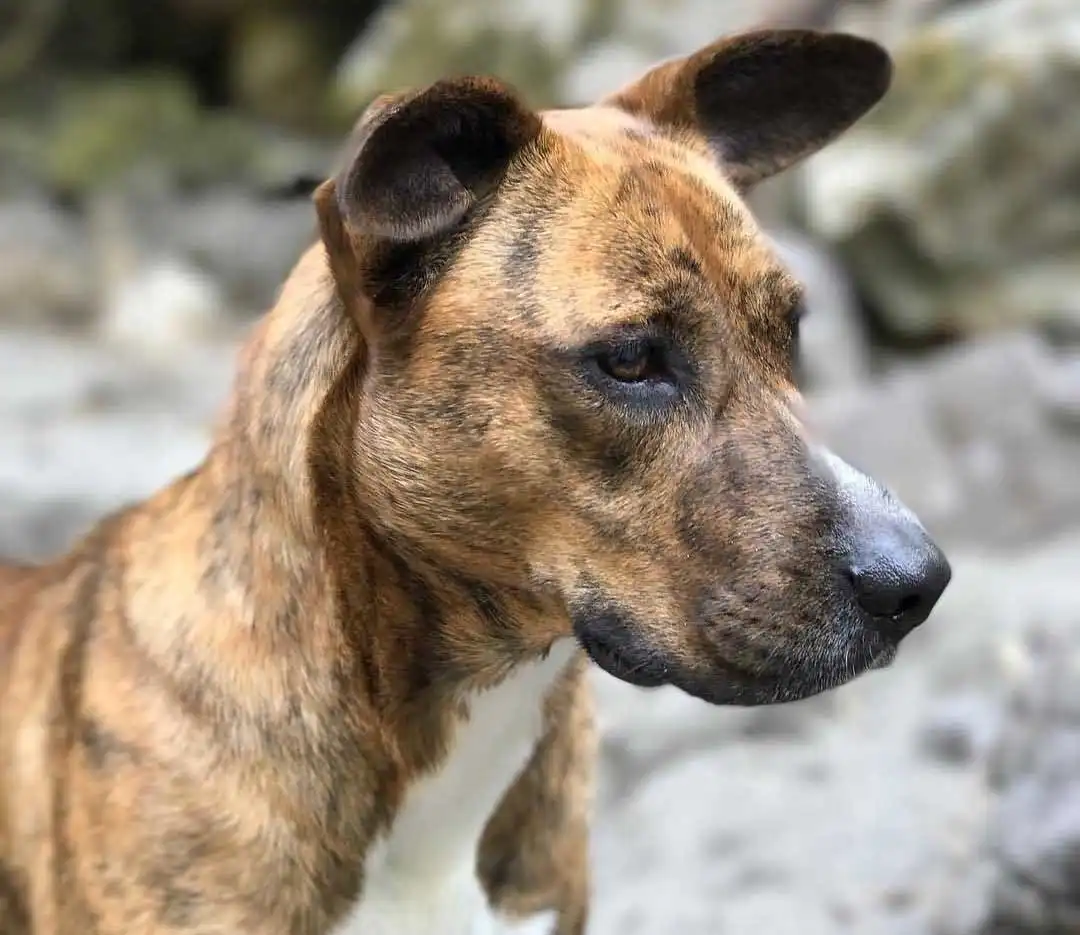
The Mountain Cur is a medium-sized dog breed celebrated for its intelligence and ease of training. This breed should never exhibit shyness or aggression; rather, it is enthusiastic about pleasing its family. Known for its unwavering loyalty, the Mountain Cur will go to great lengths to safeguard its loved ones, even if it means putting itself in danger. Originally developed for work, this breed flourishes when given tasks that allow it to expend its considerable energy; without such activities, it may engage in destructive behaviors, posing a challenge for its owner. Although the Mountain Cur typically interacts well with children and other dogs, it is advisable to supervise them around smaller pets to ensure their safety.
Breed Origin
Supporters of the Mountain Cur take great pride in calling it the ultimate All-American pioneer dog. This breed was essential for families on the frontier, serving both as a guardian and a hunting partner. As families began to settle in the Southern Mountains, the Mountain Cur became an indispensable ally, especially until the 1940s, when it was widely used to track and corner wild game, ensuring a reliable food source. Some researchers propose that the Mountain Cur emerged from a mix of terrier-type Curs brought by European settlers and local native Curs. These early Mountain Curs quickly adapted to the rigors of pioneer life, and even Native Americans kept this breed alongside their own version, the Indian Cur. The Ohio River Valley is thought to have housed the largest concentration of Curs. The breed gained significant attention with the release of the book “Old Yeller,” in which the author portrayed the main character as a typical Mountain Cur, skilled in hunting and fearless in the face of larger predators. Although the breed's name was not specifically mentioned, the description accurately captures its role among pioneers and its physical traits. Unfortunately, the lineage of the Mountain Cur remains poorly documented, as many pioneers did not prioritize keeping written records. In the 1950s, a passionate group of individuals united to preserve the Mountain Cur breed, which was experiencing a swift decline and was on the brink of extinction. This effort led to the formation of the Original Mountain Cur Breeders’ Association and the Kemmer Stock Breeders’ Association Registry, both aimed at ensuring the breed's survival. Recently, the Mountain Cur has begun to be categorized into distinct types, such as the Treeing Tennessee Brindle, the Stephens Stock, and the Mountain View Cur. Enthusiasts of these variations are actively pursuing recognition for each as a separate breed, complete with their own registration organizations. In 2017, the American Kennel Club (AKC) included the Mountain Cur in its Foundation Stock Service, marking a pivotal advancement in the breed's conservation.
Breed Appearance
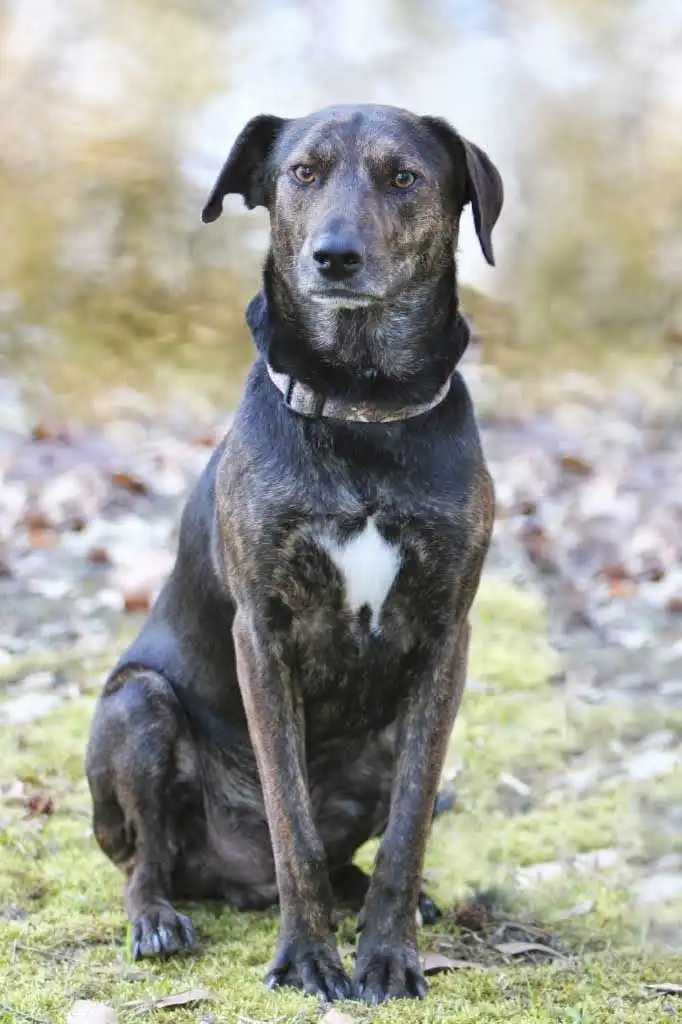
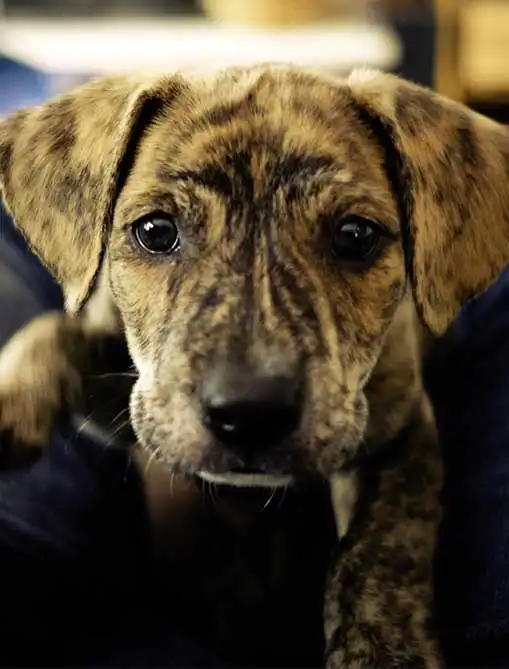
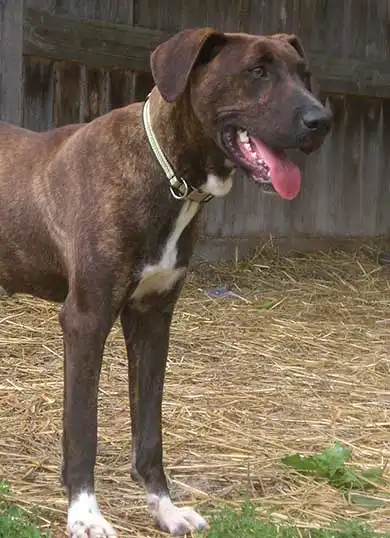
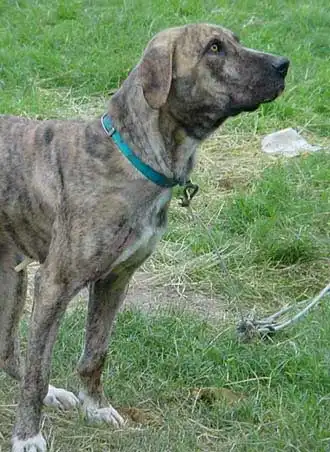
The Mountain Cur is a medium-sized breed recognized for its robust and rugged look. It boasts a thick, dense coat that is longer than that of a standard hound, yet still falls under the short coat category. This coat can be either smooth or rough, but it should always be straight and feature a soft undercoat. The breed comes in a variety of colors, such as yellow, black, brindle, and combinations of black and brindle, often accented with white markings on the chest or toes. About half of Mountain Curs are born with bobtails, while the other half have naturally long tails, which may occasionally be surgically docked. Some individuals may also have dewclaws on their hind feet, with some having two dewclaws per foot. Their feet are strong and well-muscled, resembling those of a cat. The ears are short and droop down, positioned no lower than the outer edge of the eyes. The eyes are prominent, usually dark, and express a lively demeanor. Despite their sturdy build, Mountain Curs are actually designed for speed.
Care Routine
Grooming the Mountain Cur is typically uncomplicated, aside from the seasonal shedding that happens once or twice annually. To manage any loose or dead hair, you can use a natural bristle brush, a soft slicker brush, or a hound mitt. Regular weekly brushing will help keep his coat and skin healthy and shiny. It's advisable to limit baths to just a few times a year, as excessive washing can cause dry skin or dandruff; when you do bathe him, opt for a gentle shampoo and rinse thoroughly with clean, warm water. This breed is not hypoallergenic and tends to drool less than other hound breeds, thanks to its tighter lips. Given the structure of his ears, it's essential to inspect and clean them weekly to prevent any unpleasant odors or infections. If he is active and navigating rough terrain, his toenails will naturally wear down, but it's still a good idea to check them every few weeks to ensure they are properly trimmed, including the dewclaws.
Behavior & Temperament
The Mountain Cur is an energetic and courageous breed, known for its strong commitment to hunting and protecting its family. While typically quiet during hunting activities, this breed may express itself vocally at home if left alone for long stretches. To keep boredom at bay and prevent any mischievous behavior, it’s important for the Mountain Cur to have a specific purpose or task to focus on. This breed is naturally independent and thrives under a confident leader; without proper guidance, it may try to take charge of the household. If not trained or socialized effectively, the Mountain Cur can become overly protective of its family. Early socialization is vital to ensure that the dog does not develop shyness or excessive aggression towards strangers. Furthermore, the Mountain Cur has a strong prey drive, which means it should be closely monitored around smaller pets, such as cats. Generally, this breed gets along well with children it grows up with, as long as it recognizes them as part of its family hierarchy.

Play & Exercise
Things to Know
Cups Per Day
2.0 Cups
Daily Activity
90 Minutes
Average Lifespan
15 Years
Origin
1800s
Type
Pure Breeds
Size
Medium
Origin Country
United States
Brush Frequency
Weekly
Coat Texture
Straight
Register
Your kids have been begging for a pet forever, and you've recently decided that it's time for your family to get a new addition -- a dog! While everyone is excited for the new arrival, you're wondering if you need to have a dog license. How much does it cost? Is it required? Where do you get one?
Member Clubs

PETINNATE
Scenthound

AKC
Foundation Stock Service

UKC
Scenthound
Height & Weight
Weight
49 lbs (22 kg)Male: 53 lbs (24 kg) , Female: 45 lbs (20 kg)
Height
20 inches (51 sm)Male: 21 inches (53 sm) , Female: 20 inches (51 sm)
6 Months
21 lbs ( m 21 lbs, f 21 lbs )
15 inches ( m 15 inches, f 15 inches )
12 Months
27 lbs ( m 27 lbs, f 27 lbs )
18 inches ( m 18 inches, f 18 inches )
18 Months
45 lbs ( m 45 lbs, f 45 lbs )
19 inches ( m 19 inches, f 19 inches )
Eye Colors
Brown

Nose Colors
Black
Coat Colors
Brindle
Black