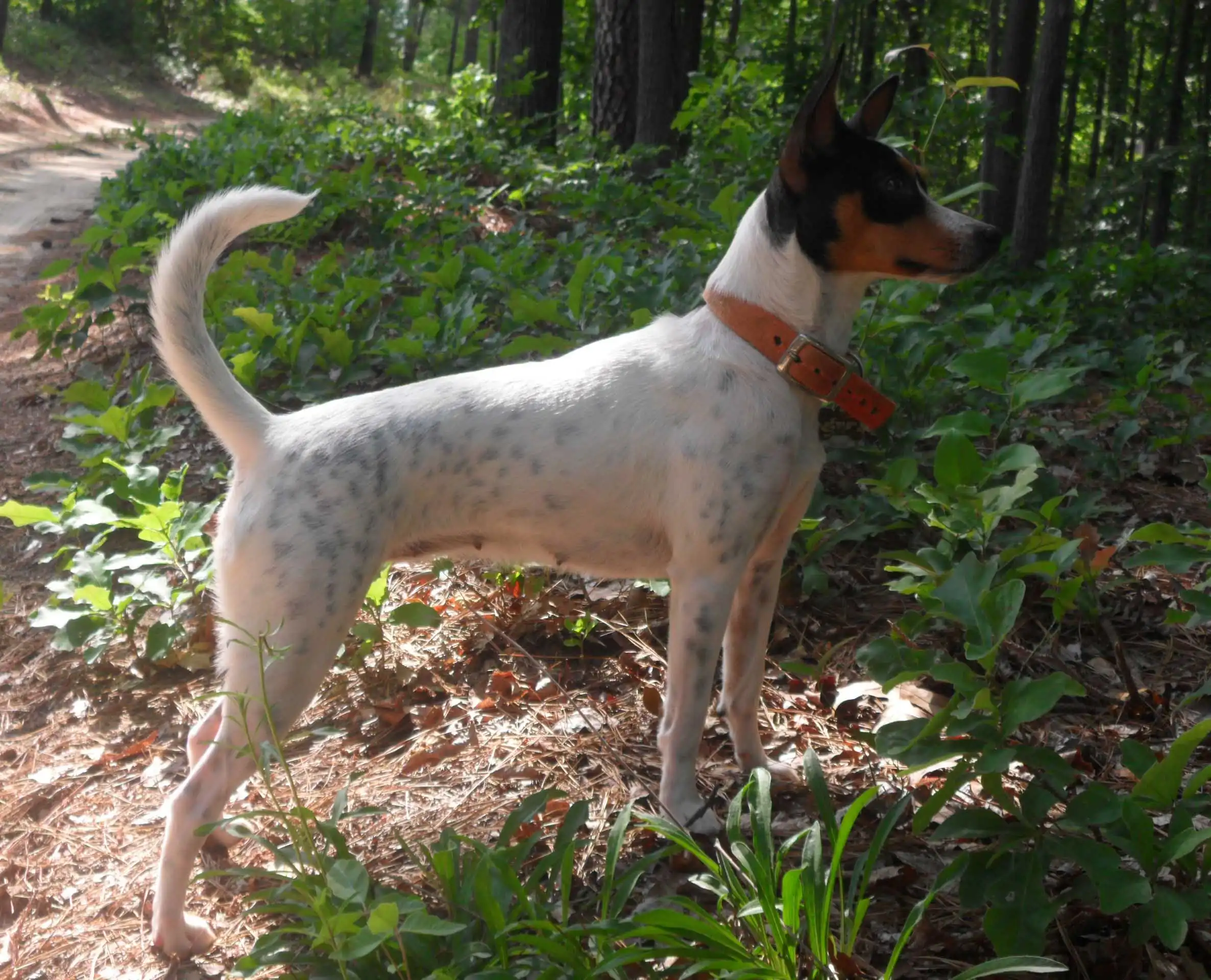
Mountain Feist
American Feist, Mountain Terrier
Often confused with the Treeing Feist, the Mountain Feist is officially recognized as a separate breed by the United Kennel Club, even though it shares many physical and behavioral characteristics with its relative. This breed boasts a rich heritage, with roots tracing back to various terriers and scent hounds that were developed in the American South. Early breeders sought to produce a low-maintenance dog that could effectively hunt, catch rats, and tree, thereby aiding farmers and ranchers in controlling vermin populations. Over time, while they have consistently performed these tasks, their energetic nature has also allowed them to become cherished companions. Their versatility and friendly temperament make them an appealing choice for a wide range of families. Despite their smaller size, Mountain Feists are known for their vibrant personalities and spirited nature, whether they are working dogs or family pets, making them a reliable and affectionate breed overall.
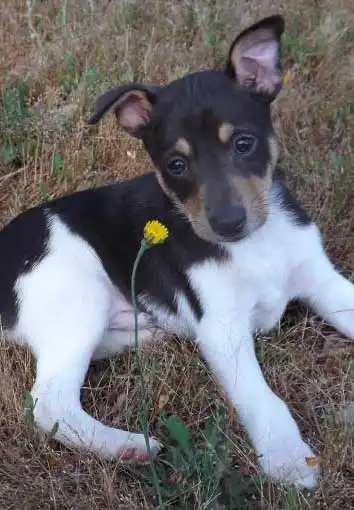
Breed Origin
Feist-type dogs have long been a notable part of the American South, yet their historical documentation is limited, largely due to the high levels of illiteracy that characterized the 17th, 18th, and 19th centuries. Prominent figures such as George Washington, Abraham Lincoln, and William Faulkner have mentioned these dogs, which were often referred to as "fice" or "fyce" in earlier times. Their accounts reveal enduring characteristics, indicating that these dogs were well-established even prior to the earliest written records, possibly tracing back to the 17th century. It is widely believed that, akin to ancient Curs, Feists were primarily developed as working dogs, aiding farmers and ranchers in controlling rodent populations and hunting small game like rabbits and squirrels, all while alleviating the demands on already busy fields. Although the details of their origins remain somewhat murky, it is thought that they emerged from a blend of European Terriers and both native and imported scent hounds, which explains their diverse colors, patterns, and unique ear shapes. The Treeing Feist gained recognition from the United Kennel Club in 1998, while the Mountain Feist was not acknowledged until 2015. Today, these dogs are not only celebrated for their exceptional ability to tree squirrels but have also become increasingly popular as companion animals, often being kept for companionship as much as for their working skills.
Breed Appearance
Mountain Feists are small to medium-sized dogs, typically standing between 12 and 18 inches tall at the shoulder and usually weighing no more than 30 pounds. Their build and sometimes similar coat colors can lead to confusion with Jack Russell Terriers and other comparable breeds. However, an experienced observer can easily distinguish them by several unique characteristics. Their heads are proportionate to their bodies, featuring a long and narrow shape. The skull is slightly longer than the muzzle, which is separated by a distinct stop, with both elements running parallel; the muzzle is adorned with a black or self-colored nose. Their eyes are round and can range in color from dark brown to amber, while their ears are either erect or tipped, differing from the Treeing Feist, which should not have buttoned ears. The necks are clean and muscular, seamlessly transitioning into well-defined, laid-back shoulders, complemented by a straight topline. The forelegs are strong and straight, leading to a surprisingly broad and deep chest for their size, tapering into a moderate belly tuck. The hind legs are parallel when viewed from behind and display good angulation from the side, with well-developed thigh muscles. Their tails may be docked or natural; if natural, they are relatively long and tapered, held either straight out or with a slight curve. The coat is short, smooth, and dense, available in a variety of colors and patterns.


Care Routine
Mountain Feists are an exceptionally low-maintenance breed, specifically bred to alleviate the workload of farmers and ranchers who have numerous responsibilities. Consequently, these dogs need very little grooming; a simple brushing with a firm bristle or slicker brush once or twice a week is sufficient to keep their coats clean and free of dirt and loose hair. They rarely need baths unless they get into something particularly messy or smelly, as they are quite skilled at grooming themselves. Regular nail trimming is essential, and brushing their teeth weekly is recommended to promote good oral health.
Behavior & Temperament
Mountain Feists are celebrated for their lively and spirited personalities, as well as their affectionate and playful nature. They form deep bonds with their families and are quick to seek attention, often sparking playtime at a moment's notice when the mood strikes. This breed is characterized by its intelligence and curiosity, which not only enhance their hunting and treeing abilities but can also present challenges during the early stages of training. Consequently, they benefit from a skilled trainer who can offer consistency, patience, and firmness to help them flourish. Traditionally, these dogs have been raised in family environments and often in groups, which fosters their generally friendly attitude towards children and other dogs. However, proper socialization is essential to ensure they behave well. Their lean, athletic build, coupled with a strong instinct to chase and high energy levels, requires regular exercise. Without adequate physical activity, they may become bored and frustrated, potentially leading to destructive behaviors. Thus, they thrive in active households that can provide ample opportunities for exercise. Overall, their adaptability, developed through years of varied use, enables them to integrate well into different home settings, as long as their exercise needs are adequately addressed.
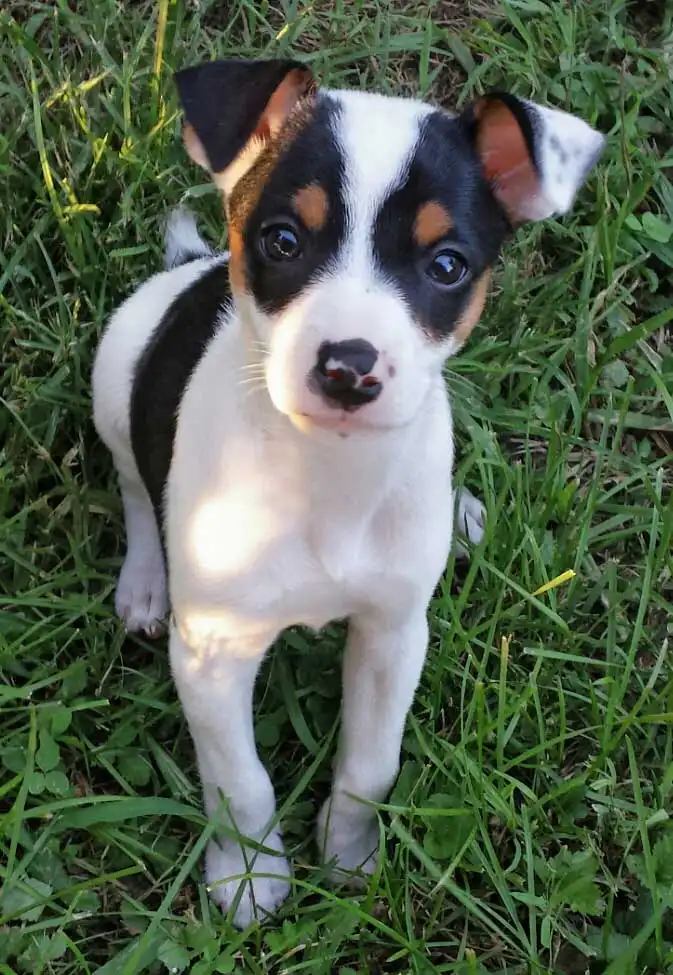
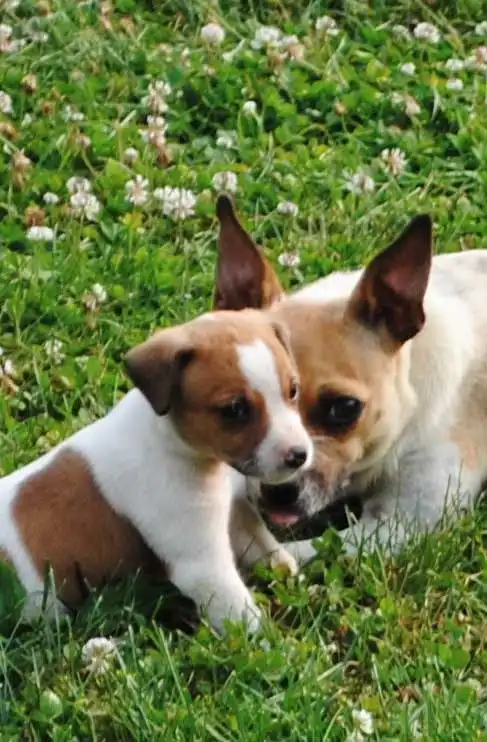
Play & Exercise
Mountain Feists are known for their medium to high energy levels, which means they require ample daily exercise to stay healthy and happy. Originally bred for treeing and hunting, these dogs have a strong instinct to chase. When they participate in hunting activities regularly, they tend to be calm and satisfied after a day outdoors. However, for those kept mainly as companions, they need about an hour of physical activity each day. While they can be trained to walk, run, or jog on a leash—and many enjoy these outings—they truly flourish in open areas where they can run freely. Given their keen sense of smell and instinct to pursue, it’s best to let them off-leash only in securely fenced spaces unless they are exceptionally well-trained. For owners who may struggle with mobility or keeping pace with their energy, playing fetch is a fantastic way to stimulate both their minds and bodies, helping to tire them out more effectively.
Things to Know
Cups Per Day
1.0 Cups
Daily Activity
60 Minutes
Average Lifespan
13 Years
Origin
17th Century
Type
Pure Breeds
Size
Small
Origin Country
United States
Brush Frequency
Weekly
Coat Texture
Straight
Register
Your kids have been begging for a pet forever, and you've recently decided that it's time for your family to get a new addition -- a dog! While everyone is excited for the new arrival, you're wondering if you need to have a dog license. How much does it cost? Is it required? Where do you get one?
Member Clubs

PETINNATE
Terrier

UKC
Terrier
Height & Weight
Weight
21 lbs (10 kg)Male: 21 lbs (10 kg) , Female: 21 lbs (10 kg)
Height
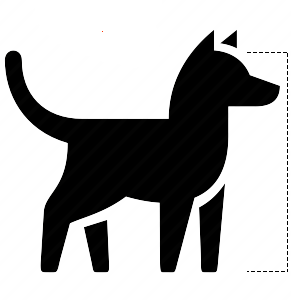
15 inches (38 sm)Male: 15 inches (38 sm) , Female: 15 inches (38 sm)
6 Months
16 lbs ( m 16 lbs, f 16 lbs )
12 inches ( m 12 inches, f 12 inches )
12 Months
19 lbs ( m 19 lbs, f 19 lbs )
16 inches ( m 16 inches, f 16 inches )
18 Months
21 lbs ( m 21 lbs, f 21 lbs )
15 inches ( m 15 inches, f 15 inches )
Eye Colors
Brown

Amber
Nose Colors
Black
Brown
Coat Colors
Brindle
Sable
Pied
White
Silver

Blue
Fawn
Isabella
Cream
Red
Brown
Gray
Black