Mudhol Hound
Caravan dog, Pashmi Hound, Karwani
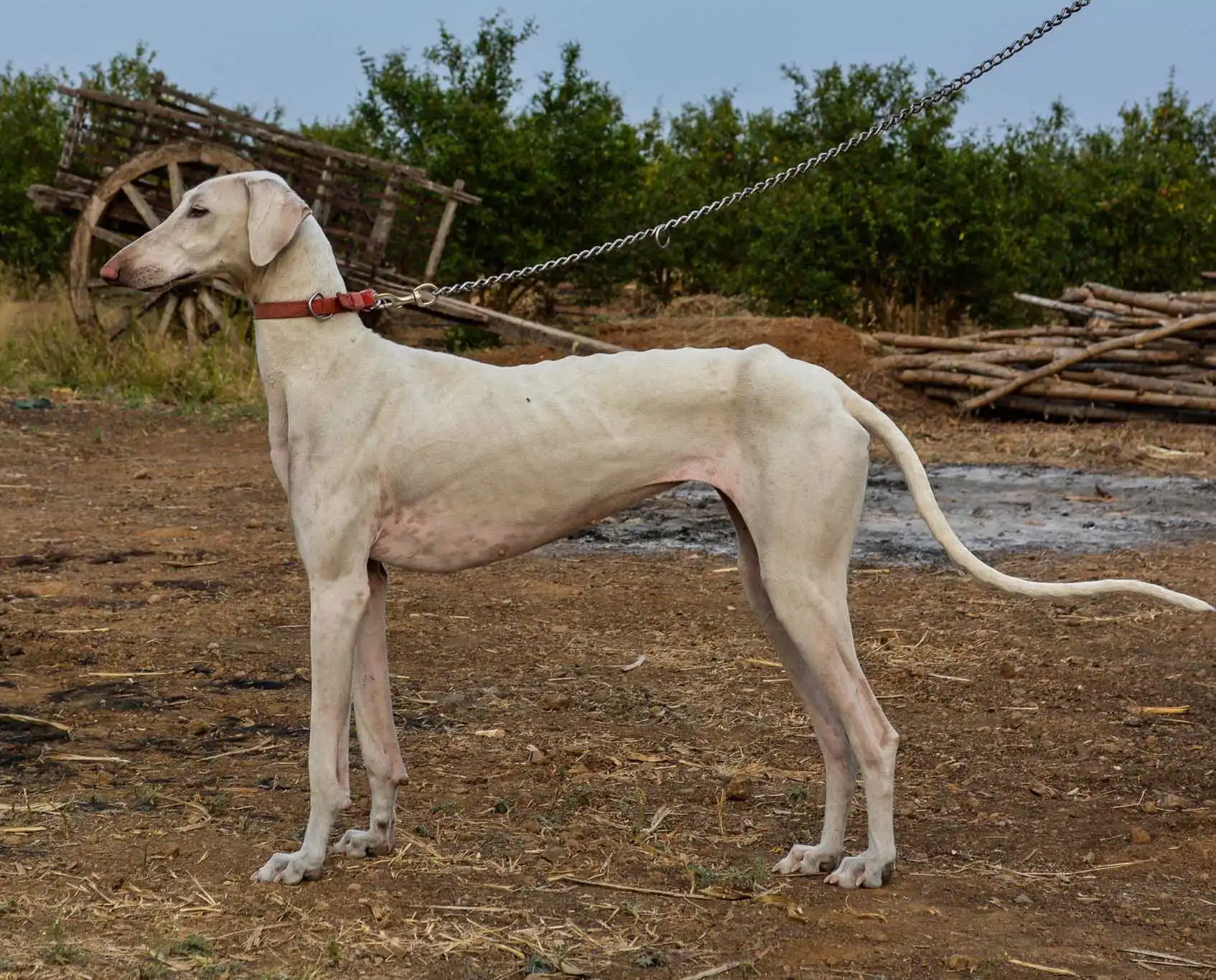
The Mudhol Hound, also known as the Caravan Hound or Karwani, is a medium to large breed of sighthound that has served as both a hunting and guard dog for local communities for many generations. It is thought that this breed was brought to India by travelers from Asia and Arabia, who journeyed in large caravans, which is how it earned its name. While it has yet to gain recognition from major kennel clubs, the Mudhol Hound is notable for being the first indigenous Indian breed to be enlisted in military roles. Typically, these dogs are sociable with other dogs and children, though they can be cautious around unfamiliar faces. Like many sighthounds, they have a strong instinct to chase prey, and without adequate socialization, they may pursue and potentially harm smaller animals.
Breed Origin
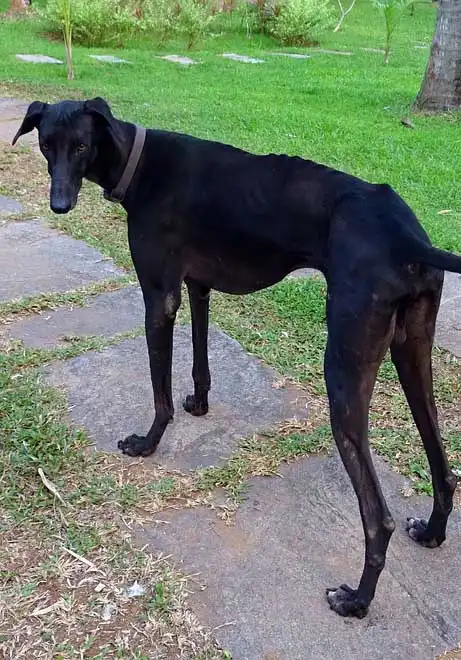
This breed is thought to have traveled alongside caravans of settlers from Asia and Arabia into India's Deccan Plateau. Their role in following these caravans led to their designation as the Caravan Dog, a name officially acknowledged by the Kennel Club of India. While the breed's complete history remains somewhat unclear, experts propose that it may be a direct descendant of the Saluki or Afghan Hound, likely interbred with local Indian dog breeds of that era. This breed has been highly regarded for its ability to withstand the extreme heat and rugged terrain of its homeland. In its place of origin, it functioned as both a guard dog and a hunting companion, skillfully capturing game for family meals, and was prevalent in both royal courts and among commoners. During the 1600s and 1700s, these dogs were celebrated as patriots for their contributions to India's fight for independence. More recently, they have gained recognition as the first indigenous breed to serve as official military dogs for the Indian Army, where they have been employed in bomb detection and various security and patrol roles. The Indian National Kennel Club officially recognizes this breed as the Mudhol Hound, rather than the Caravan Dog. As of 2015, Mudhol in Karnataka is the only place where these dogs are bred officially. Although they faced the risk of extinction in the early 21st century, committed breeders in the Mudhol region are actively working to preserve and rejuvenate the breed.
Breed Appearance
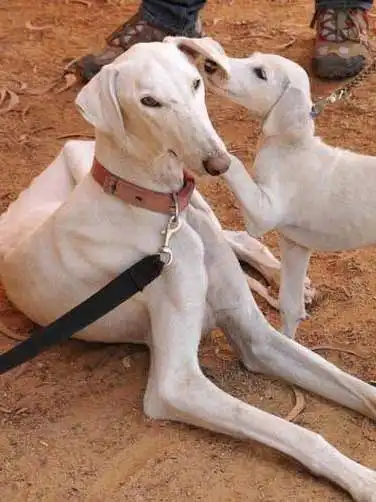
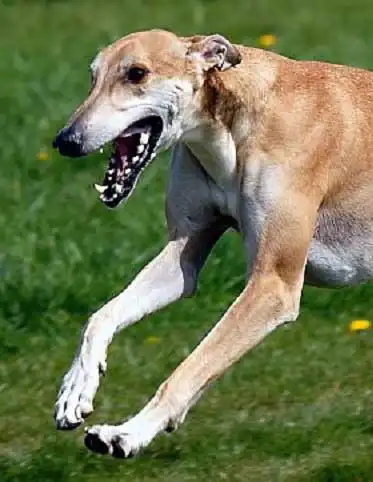
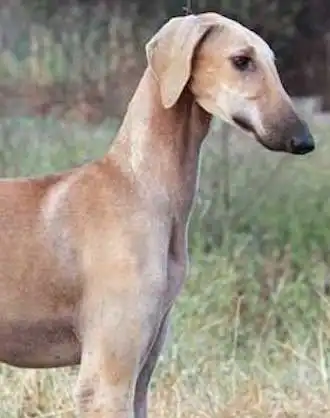
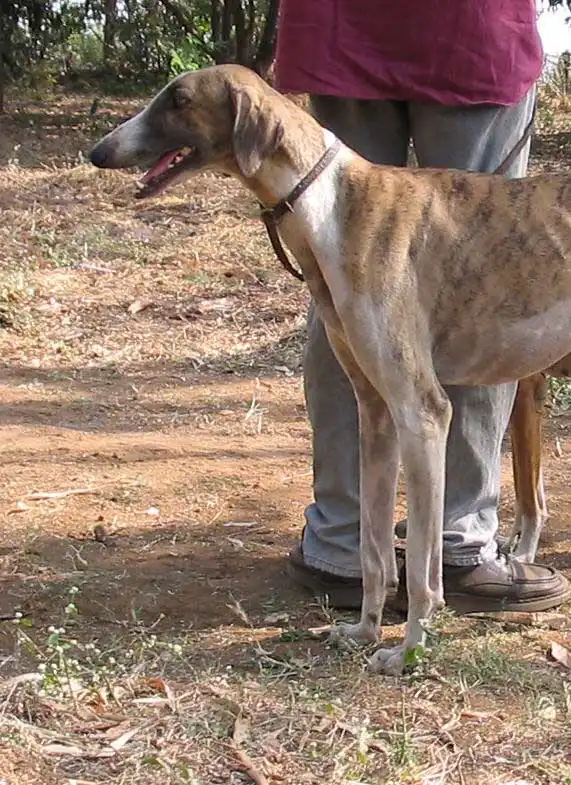
The Mudhol Hound, often referred to as the Caravan dog, is a lean and powerful breed distinguished by its long neck, elongated legs, and extended back. Typically, these dogs reach a height of around two feet at the shoulder and weigh between forty-five and ninety pounds as adults. Their heads are long and narrow, featuring a tapering muzzle. They have large, expressive oval eyes that come in various shades of brown and hazel. The ears are of medium length, shaped like a V, and hang down beside their heads instead of folding back like rose ears. Their tail, which resembles a whip, is set high on the hindquarters and has a natural curve at the tip. Mudhol Hounds can have either smooth or silky coats, with the silky variety often showcasing feathering on the ears, legs, and tails. While all color combinations are acceptable, shades that harmonize with the Indian landscape, such as fawn, fallow, red, and cream, are the most common.
Care Routine
This breed typically demands minimal grooming efforts. Baths should be given only when absolutely necessary to avoid stripping the coat of its vital oils, which help maintain its unique luster. They tend to shed significantly, so brushing them once or twice a week with a rubber curry comb or slicker brush is helpful for eliminating loose fur and ensuring a healthy, shiny coat. Furthermore, the Mudhol Hound's floppy ears are prone to infections, so it’s important to keep them clean and dry, while also checking them regularly for any signs of infection.
Behavior & Temperament
These dogs are known for their deep loyalty to their families, although they often appear reserved around strangers. When approached by unfamiliar individuals, they might respond defensively, and there’s a possibility of nipping. Despite this, their natural disposition is gentle, and they typically exhibit a good level of tolerance towards children. Nonetheless, it’s crucial to closely monitor any interactions between dogs and kids. As reliable watchdogs, they can effectively deter intruders and other threats. Their strong hunting instincts may create challenges in homes with multiple pets, particularly those with smaller animals, as they might find it hard to resist the temptation to chase or harm anything that moves. Training this breed can be somewhat challenging; harsh treatment can result in a nervous or aggressive attitude, especially if it occurs during their early development. On the other hand, when raised with kindness and patience, particularly in their formative years, they become much more trainable and evolve into joyful companions.
Play & Exercise
The Mudhol is a highly active breed that requires long daily walks and frequent chances to run freely several times a week. With more stamina than many other breeds of similar build, this dog necessitates a significant commitment to exercise. Given their strong instinct to chase, it’s essential to keep them leashed unless they are in a safe, enclosed area. Moreover, Mudhols excel in various activities, including lure coursing and agility training. While some sighthounds can adjust to smaller living spaces like apartments, the Mudhol Hound typically finds such environments too energetic and territorial for comfort.
Things to Know
Cups Per Day
2.5 Cups
Daily Activity
60 Minutes
Average Lifespan
12 Years
Origin
Ancient
Type
Pure Breeds
Size
Large
Origin Country
India
Brush Frequency
Weekly
Coat Texture
Straight
Register
Your kids have been begging for a pet forever, and you've recently decided that it's time for your family to get a new addition -- a dog! While everyone is excited for the new arrival, you're wondering if you need to have a dog license. How much does it cost? Is it required? Where do you get one?
Member Clubs

PETINNATE
Other
Height & Weight
Weight
67 lbs (30 kg)Male: 69 lbs (31 kg) , Female: 65 lbs (29 kg)
Height
26 inches (66 sm)Male: 27 inches (69 sm) , Female: 25 inches (64 sm)
6 Months
46 lbs ( m 46 lbs, f 46 lbs )
21 inches ( m 21 inches, f 21 inches )
12 Months
59 lbs ( m 59 lbs, f 59 lbs )
24 inches ( m 24 inches, f 24 inches )
18 Months
65 lbs ( m 65 lbs, f 65 lbs )
25 inches ( m 25 inches, f 25 inches )
Eye Colors
Hazel

Brown
Amber
Nose Colors
Black
Brown
Coat Colors
Sable
Cream
Red
Fawn
Gray
Black