Native American Shepherd
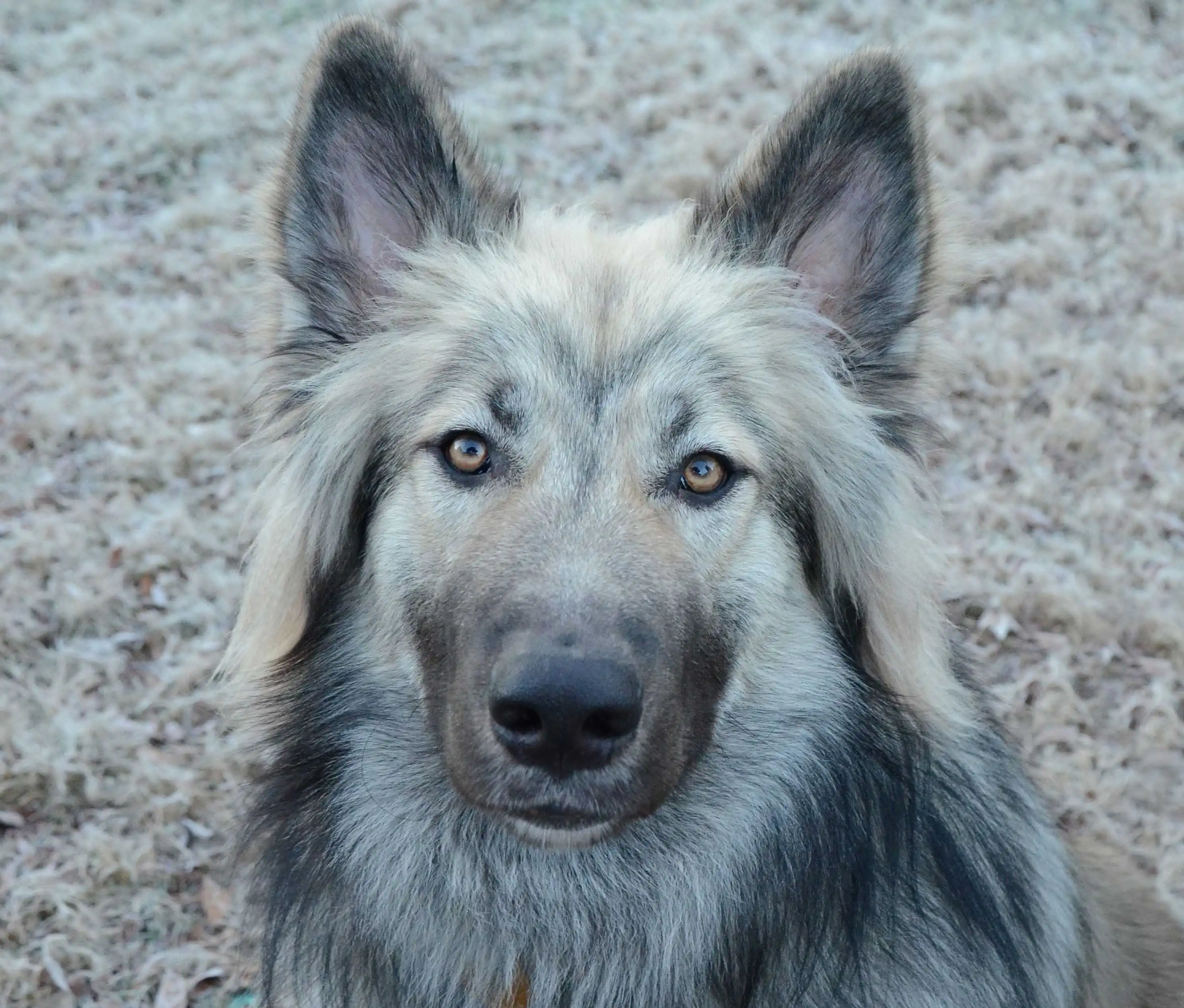
The Native American Shepherd is a hybrid breed resulting from the combination of the Native American Indian Dog and the Belgian Shepherd. This mix allows the dog to inherit traits from both parent breeds. The Native American Indian Dog usually weighs between 40 and 100 pounds and stands 18 to 32 inches tall, known for its loyalty and strong familial bonds. In contrast, the Belgian Shepherd typically weighs between 40 and 60 pounds and has a height range of 22 to 24 inches. This breed is often characterized by its gentle and friendly demeanor, making it an excellent companion for young children. Many owners of the Native American Shepherd commend their pets for their unwavering devotion and desire to remain close to their families.
Breed Origin
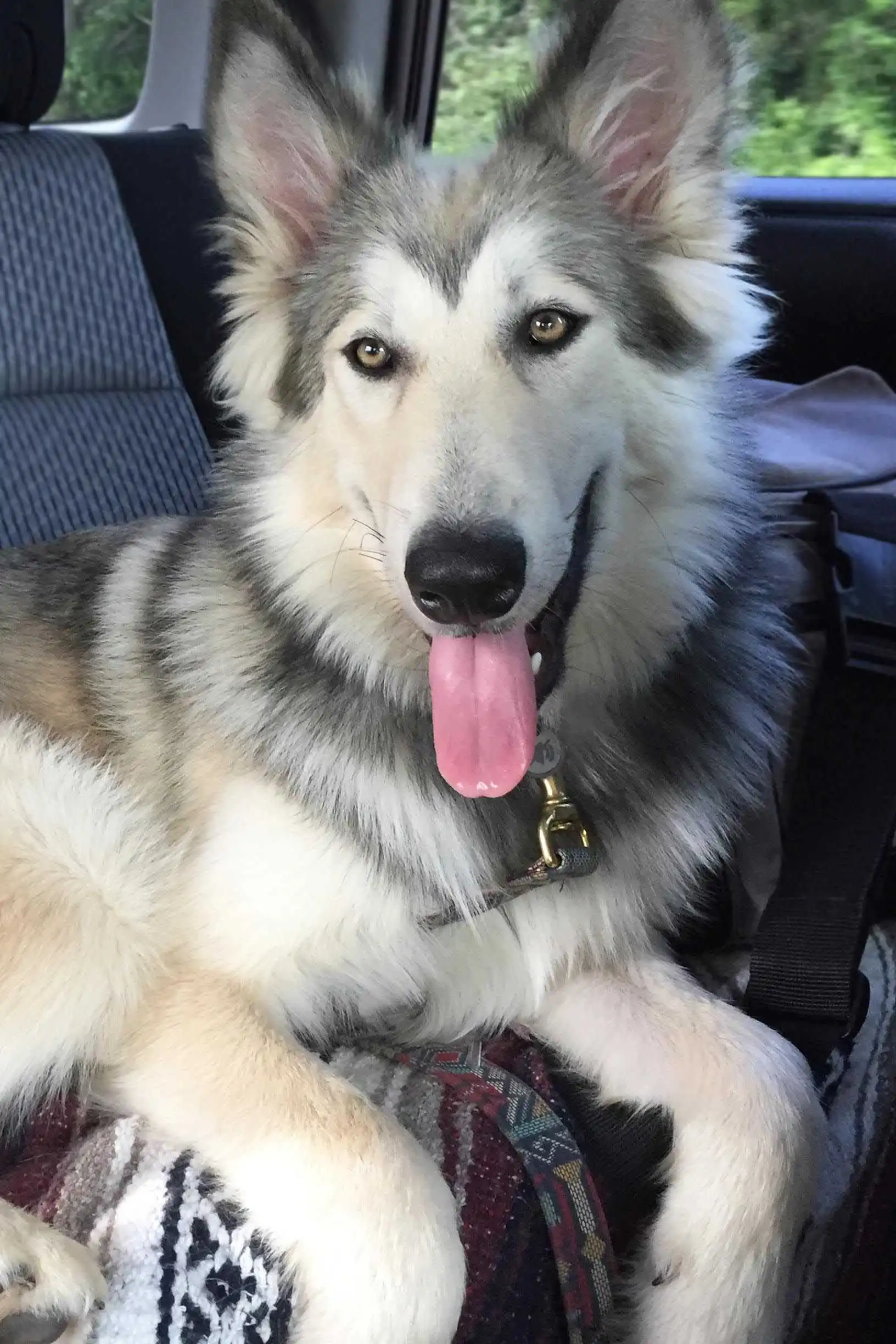
The Native American Shepherd is a relatively new hybrid breed, yet its parent breeds have rich and extensive histories. These dogs are among the last native breeds in North America, having served as loyal companions to the continent's earliest inhabitants for thousands of years. In those times, some dogs opted to remain near human settlements, while others preferred the freedom of living in packs away from camps. They played a vital role in supporting humans, particularly before the 16th century when horses were introduced by the Spaniards. These dogs helped protect communities, assisted in pulling carts, and carried heavy burdens. Over the years, domesticated dogs intermingled with European breeds that arrived in the United States. A small group of native dogs persisted in the Savannah River area of South Carolina, and this lineage is now recognized by the Native American Indian Dog Registry. Conversely, the Belgian Shepherd is thought to have originated from a blend of two breeds: the Picard d’Uccle, which is part of the Belgian Malinois family, and the Petit Basset Griffon Vendéen from the Hound group. In 1893, the breed was named after its original breeder, Nicholas Rose, and his estate, Chateau Groenendael, located just outside of Brussels. Due to the challenge of remembering the name Groenendael, the breed became more widely known as the Belgian Shepherd or Belgian Sheepdog. Initially, these dogs were utilized for herding sheep in the Belgian countryside, demonstrating their intelligence and athletic abilities.
Breed Appearance
Details about the appearance of the Native American Shepherd are somewhat scarce. However, by looking at its parent breeds, we can infer the traits that might be inherited by this hybrid. The Native American Indian Dog has a wolf-like appearance, characterized by a slender muzzle and a robust build. This breed showcases a variety of colors, ranging from silver to black, and can have either a solid coat or a tortoiseshell pattern. Its tail may be long or curled, often ending with a slight kink. In contrast, the Belgian Shepherd is a large breed recognized for its double coat, which features a rough outer layer and a soft undercoat that offers protection from harsh weather. Males typically sport a thick mane of fur around their necks, and their tails are both long and substantial. As a mix of these two breeds, the Native American Shepherd is expected to have a striking coat and captivating dark eyes that seem to follow your every move.

Care Routine
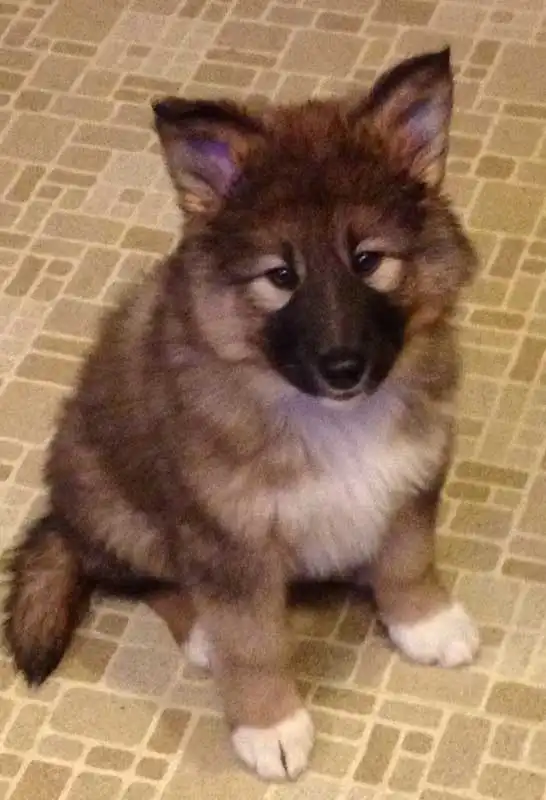
Details regarding the care of the Native American Shepherd are somewhat scarce; however, we can glean valuable information by looking at the breeds that form its ancestry. The Native American Indian Dog is characterized by a soft, fluffy coat that requires relatively low maintenance. Typically, weekly brushing is sufficient, but during periods of increased shedding, more frequent grooming will be necessary. Baths should be reserved for when the dog is especially dirty. On the other hand, the Belgian Shepherd requires more diligent grooming. Its long double coat can lead to considerable shedding if not brushed consistently. You can expect your Native American Shepherd to shed heavily several times a year, usually aligning with seasonal transitions. During these shedding episodes, giving your dog a warm bath can help loosen the hair follicles, making brushing easier and more effective. This routine not only supports healthy fur but also minimizes tangling and shedding. Furthermore, since the Belgian Shepherd is susceptible to tartar accumulation, it’s important to brush your Native American Shepherd's teeth several times a week to maintain good dental health over time.
Behavior & Temperament
While specific details about the temperament of the Native American Shepherd are scarce, we can draw valuable insights from its parent breeds. The Native American Indian Dog is celebrated for its intelligence, loyalty, and affection towards people. This breed is typically playful and eager to please, often displaying a reserved attitude around unfamiliar faces without showing aggression. Furthermore, the Native American Indian Dog generally gets along well with children and other pets. In contrast, the Belgian Shepherd is known for its friendly and gentle disposition, making it an excellent choice for families with young kids. Given its hound lineage, it's wise to introduce smaller animals to your home when your Belgian Shepherd is still a puppy. Overall, you can anticipate that your Native American Shepherd will be observant, sociable, energetic, and relatively easy to train, as it thrives on a sense of purpose.


Play & Exercise
The Native American Indian Dog requires a moderate amount of exercise, which should consist of several walks each day. A medium to large yard that is securely fenced will offer plenty of room for him to explore, run, and play, allowing him to burn off energy effectively. On the other hand, the Belgian Shepherd is characterized by a very high energy level and needs substantial physical activity; without sufficient exercise, he may develop problematic behaviors. Ideally, your Native American Shepherd should engage in at least an hour of both mental and physical stimulation daily—more is preferable. This can include activities like walking, running, playing with family, training for competitions, helping with tasks, and visiting dog parks.
Things to Know
Cups Per Day
3.0 Cups
Daily Activity
60 Minutes
Average Lifespan
13 Years
Origin
Unknown
Type
Crossbreeds
Size
Large
Origin Country
Unknown
Brush Frequency
Weekly
Coat Texture
Straight
Register
Your kids have been begging for a pet forever, and you've recently decided that it's time for your family to get a new addition -- a dog! While everyone is excited for the new arrival, you're wondering if you need to have a dog license. How much does it cost? Is it required? Where do you get one?
Member Clubs

PETINNATE
Other
Height & Weight
Weight
65 lbs (29 kg)Male: 65 lbs (29 kg) , Female: 65 lbs (29 kg)
Height
25 inches (64 sm)Male: 25 inches (64 sm) , Female: 25 inches (64 sm)
6 Months
32 lbs ( m 32 lbs, f 32 lbs )
12 inches ( m 12 inches, f 12 inches )
12 Months
60 lbs ( m 60 lbs, f 60 lbs )
23 inches ( m 23 inches, f 23 inches )
18 Months
65 lbs ( m 65 lbs, f 65 lbs )
25 inches ( m 25 inches, f 25 inches )
Eye Colors
Brown
Nose Colors
Black
Coat Colors
Brindle
Pied
Silver
Black
Gray
Brown
Cream