Native American Village Dog
German Indian Dog, Native American Shepherd
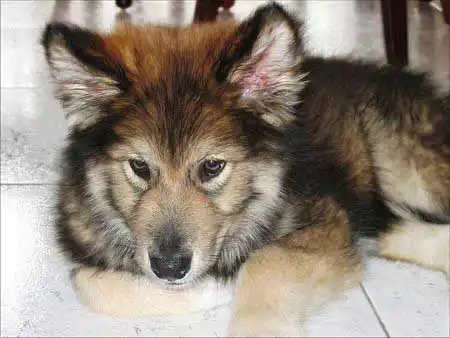
The Native American Village Dog is a hybrid breed resulting from the combination of the German Shepherd and the Native American Indian Dog. Once fully grown, these dogs can reach weights of up to 110 pounds and heights of around 30 inches. They are generally sociable with children and other pets, especially when given proper socialization and training. Renowned for their adaptability, these dogs perform exceptionally well in various activities, including hunting, sledding, and herding sheep. They also excel in agility training, enjoy playing fetch, and cherish time spent with their families. Their eagerness to learn and obedient disposition make them excellent companions, even for those new to dog ownership.
Breed Origin
The Native American Village Dog is relatively rare and, as a result, lacks a well-documented history. To gain insight into your dog's heritage, it's important to investigate the lineage of its parents. The German Shepherd, originating from Germany, was developed in 1899 primarily for herding sheep, but it also became well-known as a dependable guard dog. This breed's ancestry includes various local shepherd breeds and possibly a wolf-like dog. Captain Max von Stephanitz meticulously bred the German Shepherd with the goal of creating a dog adept at managing large flocks. Its reputation for loyalty and courage led to its adoption by the German military during World War I. Initially known as the German Sheepdog, the breed's name was officially changed by the American Kennel Club when it was registered in 1908. Today, it stands as the second most popular dog breed in the United States. The Native American Indian Dog is thought to have emerged in the 16th century, accompanying Native Americans throughout the continent. There is some discussion about whether the modern Native American Indian Dog is a direct descendant of the original breed and its possible links to wolves, Dingoes, and Carolina Dogs. Nevertheless, their history can be traced back to the 1500s, when these dogs traveled with various tribes, fulfilling roles in sled pulling, guarding, and even childcare. Although they have not been recognized by the American Kennel Club, they are registered with the National Kennel Club and the Native American Indian Dog Registry.
Breed Appearance
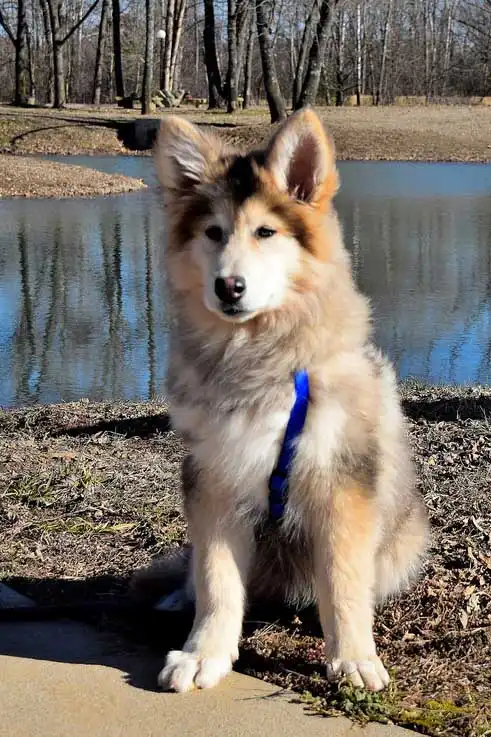
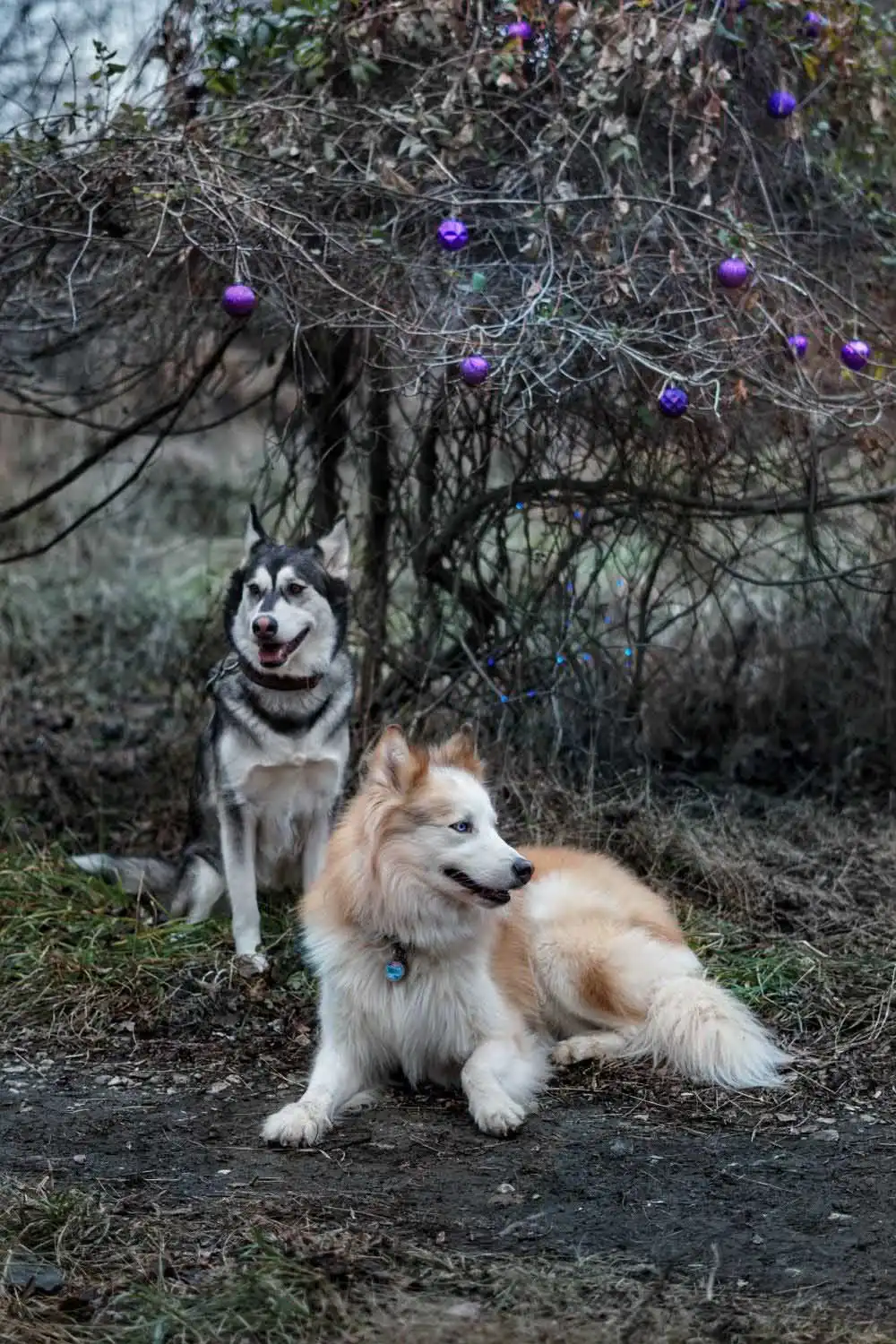
One of the most striking aspects of the Native American Village Dog is its eyes, which can display a range of colors, including amber, blue, and yellow. Some individuals may even exhibit heterochromia, featuring two differently colored eyes. Their slender snouts are paired with a black, leathery nose and pointed, erect ears that rise from their large, triangular heads. This breed is characterized by a sturdy build, long legs, and a fluffy, curved tail. Their coats come in various shades, such as black, black and tan, cream, gray, silver, white, and numerous combinations of these colors, often embellished with wolf-like patterns. The medium-length coat is straight, double-layered, and not only soft to the touch but also water-resistant.

Care Routine
The Native American Village Dog benefits from daily brushing, though brushing four to five times a week is also sufficient. For effective grooming, use a pin brush and a metal comb, focusing on areas that are more likely to mat, like under the legs and around the neck. These dogs typically keep themselves clean and do not have the usual dog smell, so baths should be reserved for when it’s truly needed. They are recognized for their low shedding, which makes them almost hypoallergenic. Furthermore, it’s essential to routinely clean your dog’s ears, trim her nails, and brush her teeth.
Behavior & Temperament
The Native American Village Dog is an exceptionally trainable breed that typically gets along well with humans, especially when socialized from a young age. They are wonderful companions, but they often have difficulty being alone and may suffer from anxiety or depression if left by themselves for long stretches. To alleviate this issue, having other pets around can be helpful, as it provides them with companionship and encourages physical activity, which in turn lessens their separation anxiety. Renowned for their intelligence, these dogs enjoy mastering new tricks and love being the center of attention.


Play & Exercise
Your Native American Village Dog requires at least one hour of exercise daily to stay healthy and happy. These dogs flourish in large, enclosed yards where they can run freely for extended periods. If you don’t have access to a fenced yard, think about visiting a nearby dog park or local park to ensure your dog receives adequate physical activity. A lack of sufficient vigorous exercise can result in negative behaviors, including chewing on furniture, excessive barking, and potential aggression. To keep your dog satisfied, try to take a couple of brisk walks in the morning and evening, and include interactive games like fetch to offer extra mental and physical stimulation between walks.
Things to Know
Cups Per Day
3.5 Cups
Daily Activity
60 Minutes
Average Lifespan
14 Years
Origin
2000s
Type
Crossbreeds
Size
Large
Origin Country
United States
Brush Frequency
Daily
Coat Texture
Straight
Register
Your kids have been begging for a pet forever, and you've recently decided that it's time for your family to get a new addition -- a dog! While everyone is excited for the new arrival, you're wondering if you need to have a dog license. How much does it cost? Is it required? Where do you get one?
Member Clubs
PETINNATE
Other
Height & Weight
Weight
90 lbs (41 kg)Male: 95 lbs (43 kg) , Female: 85 lbs (39 kg)
Height
28 inches (71 sm)Male: 29 inches (74 sm) , Female: 28 inches (71 sm)
6 Months
40 lbs ( m 40 lbs, f 40 lbs )
25 inches ( m 25 inches, f 25 inches )
12 Months
65 lbs ( m 65 lbs, f 65 lbs )
26 inches ( m 26 inches, f 26 inches )
18 Months
85 lbs ( m 85 lbs, f 85 lbs )
27 inches ( m 27 inches, f 27 inches )
Eye Colors
Blue
Hazel
Brown
Amber
Nose Colors
Black
Coat Colors
Black
Gray
Cream
Silver
White
Sable
Brindle