Nekita
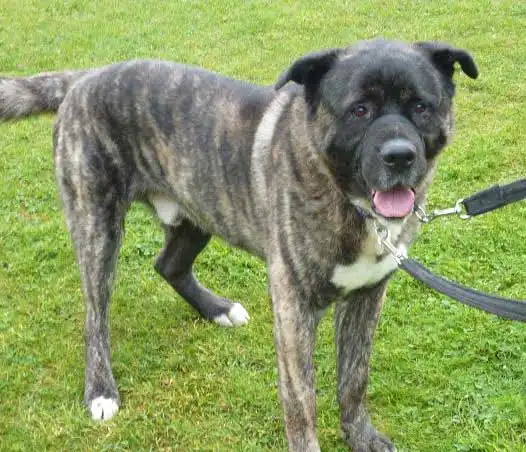
The Nekita hybrid is a crossbreed between the Akita Inu and the Neapolitan Mastiff. Given the substantial size of both parent breeds, a mature Nekita typically weighs around 160 pounds and stands between 25 to 29 inches tall. Their coat is short and thick, often showcasing a variety of colors, including brindle, sable, fawn, red, brown, black, white, silver, or pied. While they are loving and sociable with their families, they may be cautious around young children who are not yet school-aged. With appropriate training, they can learn to be gentle, but it is crucial to supervise their interactions. Additionally, the Nekita is known for its ability to get along with other pets and makes an excellent guard dog, owing to its impressive stature and steadfast loyalty.
Breed Origin
The Akita Inu is a Japanese breed with origins dating back to the 1600s, initially bred for hunting large game such as bears in the snowy mountains. This breed also has a history of involvement in dog fighting until such activities were banned. Originally called the Snow Country Dog, the Akita Inu descends from the Northern Spitz. In North America, it is classified as a single breed with two distinct varieties: the American and the Japanese. However, many other nations consider these to be separate breeds. The Akita Inu is deeply embedded in Japanese culture, largely due to the poignant tale of Hachiko, a dog celebrated for his extraordinary loyalty. Hachiko would wait at a train station every day for his owner, who sadly passed away while at work. For years, he returned to the station at the same hour, which ultimately led to the creation of a statue in his memory. The breed also gained recognition through Helen Keller, who was gifted an Akita by the Japanese government during her visit. The American Kennel Club officially recognized the Akita Inu in 1972, and it currently ranks as the 46th most popular dog breed in the United States. The Neapolitan Mastiff, hailing from Naples, Italy, is closely related to the British Mastiff and the Roman War Dog. Renowned for their formidable size and bravery, these dogs were primarily used as guard animals. Often dubbed the “big dog for little men,” the Neapolitan Mastiff is known for its protective instincts towards family members. Although their appearance may not align with conventional beauty standards, they are valued as loving family companions. This breed has been recognized by the American Kennel Club since 2004 and is currently ranked as the 99th most popular dog breed in the United States.
Breed Appearance
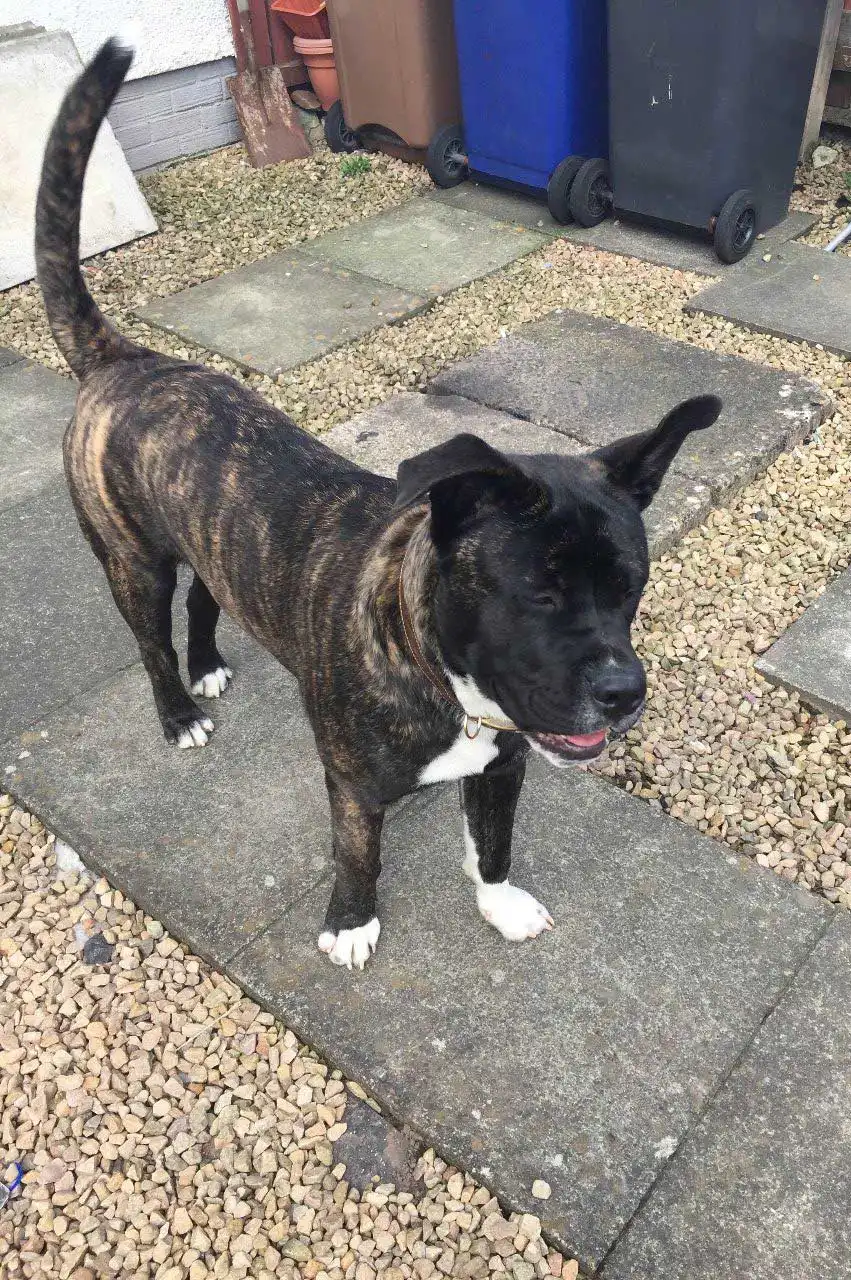
The Nekita is a striking breed, generally weighing more than 100 pounds and often reaching up to 150 pounds. They can stand as tall as 30 inches and have a strong, muscular physique. Their distinctive noses can be black or brown, but may also come in shades of blue or Isabella, depending on their coat. With almond-shaped eyes that are typically amber or brown, they project a watchful presence. If your Nekita bears a resemblance to the Neapolitan Mastiff, she may have notably loose and wrinkled skin, along with a prominent dewlap. Their coat is short and varies in density from medium to thick, commonly displaying colors such as brindle, sable, fawn, red, brown, black, white, silver, pied, or a combination of these shades.


Care Routine
Nekitas have short fur, which means they don’t need to be brushed often. However, to keep their skin healthy and reduce shedding, it’s recommended to brush your Nekita with a slicker or rubber curry brush two to three times a week. If a bath is necessary, use a mild dog shampoo, but it’s wise to consult your veterinarian first to see if a medicated shampoo is required, particularly if your dog has loose skin like a Neapolitan Mastiff. Keeping the skin folds clean and dry is crucial to avoid bacterial growth. Additionally, remember to trim your dog’s nails as needed and clean her ears every 7 to 10 days, while also checking for any signs of ear mites, redness, or irritation.
Behavior & Temperament
The Akita Inu has the potential to display aggressive tendencies, which underscores the importance of thorough training prior to their interactions with children and other pets. Renowned for their vigilance, loyalty, and protective instincts, these dogs make formidable guardians thanks to their impressive size. While they are typically receptive to training, they may require occasional reinforcement. Many owners choose to enroll their Akita in obedience classes to ensure that the dog is both safe around family members and responsive to commands. This breed is generally not recommended for novice dog owners who may not have experience with larger breeds. Although they can coexist peacefully with other animals, including cats, early socialization is vital for fostering a well-adjusted temperament.


Play & Exercise
The Nekita is an energetic breed that needs at least an hour of vigorous exercise daily to stay healthy. It's crucial to be aware that this breed is susceptible to gastric dilatation-volvulus (GDV), often referred to as bloat, so it's best to refrain from feeding them within an hour prior to any intense physical activity. Your Nekita thrives on running and playing fetch, making these activities vital to their daily schedule, in addition to several walks throughout the day. A lack of adequate exercise can lead to anxiety or boredom, potentially resulting in aggressive behavior in these dogs.
Things to Know
Cups Per Day
4.5 Cups
Daily Activity
60 Minutes
Average Lifespan
9 Years
Origin
2000s
Type
Crossbreeds
Size
Giant
Origin Country
United States
Brush Frequency
Weekly
Coat Texture
Straight
Register
Your kids have been begging for a pet forever, and you've recently decided that it's time for your family to get a new addition -- a dog! While everyone is excited for the new arrival, you're wondering if you need to have a dog license. How much does it cost? Is it required? Where do you get one?
Member Clubs

PETINNATE
Other
Height & Weight
Weight
125 lbs (57 kg)Male: 140 lbs (64 kg) , Female: 110 lbs (50 kg)
Height
28 inches (71 sm)Male: 29 inches (74 sm) , Female: 27 inches (69 sm)
6 Months
45 lbs ( m 45 lbs, f 45 lbs )
24 inches ( m 24 inches, f 24 inches )
12 Months
70 lbs ( m 70 lbs, f 70 lbs )
25 inches ( m 25 inches, f 25 inches )
18 Months
110 lbs ( m 110 lbs, f 110 lbs )
26 inches ( m 26 inches, f 26 inches )
Eye Colors
Brown

Amber
Nose Colors
Blue
Black
Brown
Isabella
Coat Colors
Black
Brown
Red
Cream
Fawn
Silver

White
Pied
Sable
Brindle