Norjack
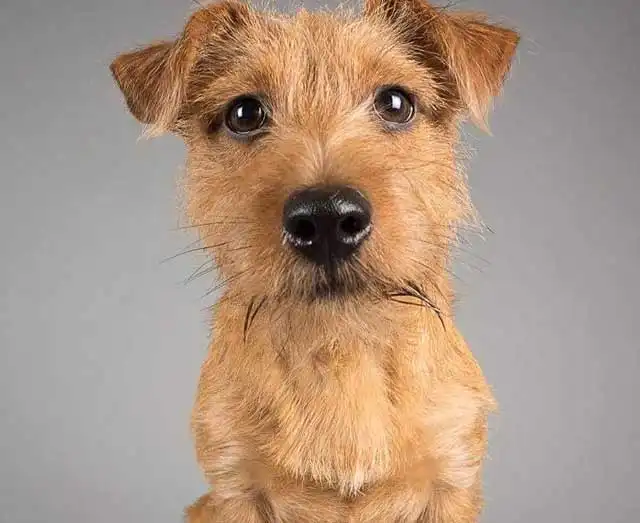
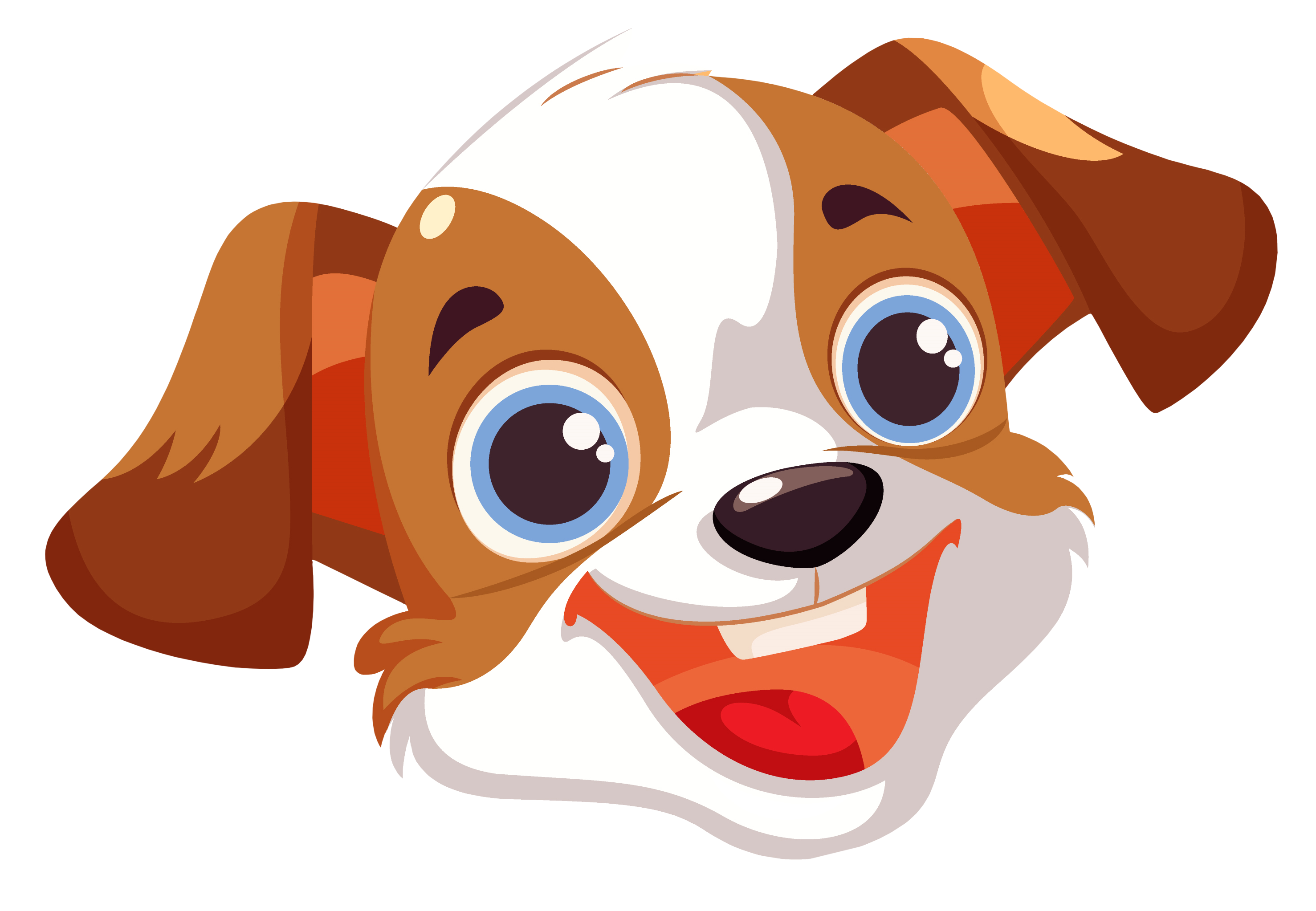
The Norjack is an uncommon designer dog, intentionally bred from two energetic terrier breeds: the Norfolk Terrier and the Parson Jack Russell Terrier. Both of these parent breeds are relatively recent, having been developed over the past two hundred years. The Parson Jack Russell was created in the 19th century to serve as a fox hunting companion, specifically trained to corner and hold a fox until hunters could arrive. On the other hand, the Norfolk Terrier was established in the 20th century, descending from a proficient rat catcher found in the urban areas surrounding Cambridge University. This hybrid breed is recognized for its intelligence, but it can also be quite demanding, requiring ample socialization, training, and attention to flourish.
Breed Origin
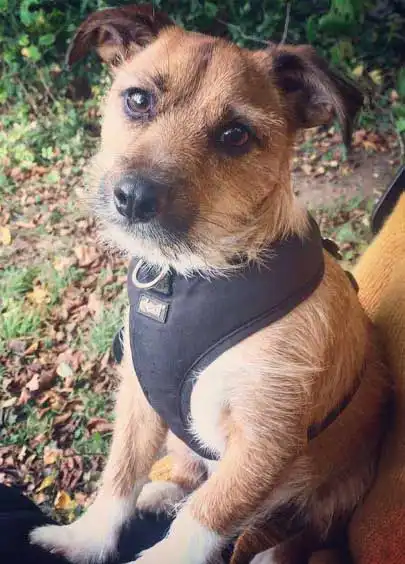
The Norjack is a hybrid dog, intentionally bred from two lively small terrier breeds: the Norfolk Terrier and the Parson Russell Terrier, often called the Parson Jack Russell Terrier or simply the Jack Russell. This breed is named after its creator, Parson John “Jack” Russell, a passionate fox hunter and foxhound breeder. His journey to develop this breed began in 1819 when he came across a small, mostly white female dog owned by a milkman. He bought her immediately, naming her “Trump,” and used her as the foundation for a breed that had long enough legs to keep up with foxes while remaining compact enough to pursue them underground if needed. This energetic dog was bred to chase foxes without harming them, leaving the actual hunting to the human. It’s important to note that while the American and UK Kennel Clubs officially recognize only the Parson Russell Terrier, there are also Jack Russell Terrier Clubs in both England and the United States. These clubs embrace a broader variety of Jack Russells, which may include genetic influences from breeds like Corgis or Dachshunds, leading to variations in leg length, body shape, temperament, and health. On the other hand, the Norfolk Terrier is a relatively recent breed, developed as a variant of the Norwich Terrier in the early 20th century. This breed traces its roots to a small ratting terrier that was exceptionally skilled at controlling the rat population on Trumpington Street near Cambridge University, earning the name Trumpington Terrier, alongside a smooth-haired white female known simply as “Ninety.” Until recently, the Norwich Terrier was recognized in both prick-eared and folded-ear types; however, the folded-ear variety was designated as the Norfolk Terrier and gained recognition as a separate breed by the English, Canadian, and American Kennel Clubs only in the latter half of the 20th century.
Breed Appearance
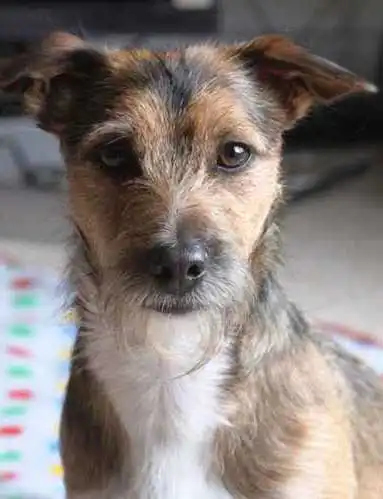
Much like various working terrier breeds, the Norjack dog is a sturdy yet compact animal, distinguished by its strong bone structure and powerful legs. Nevertheless, the two parent breeds showcase significant differences in both their build and appearance, resulting in a wide range of variations among individual Norjacks. Those that take after the Norfolk Terrier often have longer backs and straighter tails, while those with ancestry from the Parson Jack Russell generally feature longer legs and narrower chests. The head shape and facial characteristics can also differ greatly, as the Norjack may inherit traits from either of its parents. For example, the Norfolk Terrier contributes a broad, slightly rounded head with a short, wedge-like muzzle, whereas the Parson Jack Russell has a flatter skull that is wider at the back and narrows towards the front, showcasing a longer, more rectangular muzzle compared to that of the Norfolk. In terms of physical appearance, the Norjack consistently features dark eyes, which can be either oval or almond-shaped, along with small, V-shaped ears that fold forward, their rounded tips resting close to the cheekbones. The Norjack's double-layer coat, inherited from both parent breeds, typically includes a soft, dense undercoat paired with a protective outer layer of straight, wiry hair. This coat type is characteristic of both the Norfolk Terrier and the broken-coated variety of the Parson Russell Terrier. However, there are occasions when the Norjack may inherit a smooth, glossy coat from the smooth-coated Parson Russell Terrier.

Care Routine
These small dogs generally require bathing just two to three times a year, provided they are brushed regularly and thoroughly. Excessive bathing can strip their skin of essential natural oils, leading to dryness and brittleness in both their skin and coat. The Norjack, in particular, benefits from weekly brushing, which aids in distributing natural oils, removing dirt and debris, and controlling shedding. Furthermore, the wiry-coated variant of this breed may need hand stripping two to three times annually, along with occasional trimming with thinning shears and scissors to keep their appearance neat.
Behavior & Temperament
Terriers were bred to exemplify traits such as independence, determination, and a readiness for action, characteristics that are clearly present in the Norjack crossbreed. These dogs flourish in dynamic settings and can become quite demanding if they feel left out of activities. They are wonderful companions for older children, as their enthusiasm for play seems limitless. However, they may show possessive or jealous tendencies and could nip at infants and toddlers. With the Norfolk Terrier in their ancestry, this hybrid is generally less aggressive towards other animals, yet they still have a lively disposition and can assert dominance over other pets in the household. While they may be wary of strangers, early and positive socialization can help alleviate any anxiety they might have around new people. This crossbreed is particularly intelligent and can learn tricks quickly, but their natural independence and stubbornness can pose challenges for consistent training. Even with early socialization and training, their instinct to chase and potentially harm small animals—such as rodents or birds—remains strong. Therefore, it is essential to supervise them around smaller pets and ensure they are secured with a fence or leash when outdoors.


Play & Exercise
Although they are small in stature, this hybrid breed is brimming with energy and needs plenty of physical activity to stay healthy and happy. Norjacks with a stronger Norfolk Terrier influence might be content with just an hour of daily exercise, but most will benefit from an additional thirty minutes. These dogs are quite clever, so varying their exercise routine can boost both their mental and physical health. They often enjoy a range of activities, including agility training, earth dog trials, frisbee games, and even water sports. However, their high energy and tendency to be vocal may make them less suitable for apartment living. With regular training and extra daily exercise, they can, however, learn to adapt to such settings.
Things to Know
Cups Per Day
1.0 Cups
Daily Activity
90 Minutes
Average Lifespan
15 Years
Origin
Unknown
Type
Crossbreeds
Size
Small
Origin Country
Unknown
Brush Frequency
Weekly
Coat Texture
Wiry
Register
Your kids have been begging for a pet forever, and you've recently decided that it's time for your family to get a new addition -- a dog! While everyone is excited for the new arrival, you're wondering if you need to have a dog license. How much does it cost? Is it required? Where do you get one?
Member Clubs
PETINNATE
Other
Height & Weight
Weight
14 lbs (6 kg)Male: 14 lbs (6 kg) , Female: 14 lbs (6 kg)
Height
12 inches (30 sm)Male: 12 inches (30 sm) , Female: 12 inches (30 sm)
6 Months
10 lbs ( m 10 lbs, f 10 lbs )
10 inches ( m 10 inches, f 10 inches )
12 Months
13 lbs ( m 13 lbs, f 13 lbs )
11 inches ( m 11 inches, f 11 inches )
18 Months
13 lbs ( m 13 lbs, f 13 lbs )
11 inches ( m 11 inches, f 11 inches )
Eye Colors
Brown
Nose Colors
Black
Coat Colors
White
Brown
Sable
Red
Fawn