Old Anglican Bulldogge
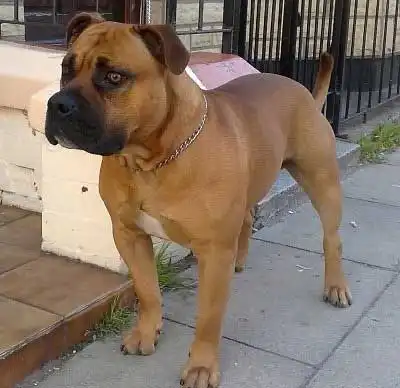
The Old Anglican Bulldogge is a mixed breed that emerges from the crossbreeding of the American Pit Bull Terrier and the Bulldog. Like the Pit Bull, this medium-sized dog boasts a strong, muscular build with broad shoulders. Its face, though not as flat as that of the Bulldog, has a square shape and features loose skin around the muzzle, which adds to its charming and playful personality—a characteristic trait of Bulldogs. Despite its impressive heritage and robust appearance, the Old Anglican Bulldogge is a gentle and affectionate companion that flourishes in social settings and generally gets along well with others when given the chance.
Breed Origin
The Old Anglican Bulldogge, a relatively new hybrid breed, invites us to delve into the histories of its parent breeds to grasp the reasons behind its development. Although the origins may appear unremarkable, they are essential for pinpointing the defining traits that this hybrid may exhibit. For instance, the American Pitbull Terrier often brings to mind negative connotations due to its association with dog fighting. Yet, the breed's narrative is not solely shaped by this stigma. Originally, Pitbulls were bred as farm dogs, responsible for hunting vermin, wild pigs, and even bears. Despite the risks associated with these tasks, they were known for their gentle demeanor towards people of all ages. These intelligent canines display exceptional loyalty, bravery, and determination, making them well-suited for various roles, from family protectors to military representatives, particularly during World War I. Regrettably, this loyalty was misused, leading to the breed's entanglement in dog fighting, which marred its reputation. Nevertheless, committed breeders have worked diligently to restore the Pitbull's image. While some organizations, such as the American Kennel Club, still do not recognize the breed, many people appreciate it for its true nature as a loving and devoted companion. The United Kennel Club officially acknowledged the American Pitbull Terrier as a distinct breed in 1898. The Bulldog boasts a history that stretches back at least 500 years and was initially a taller, more aggressive breed. Its main function was to grab a bull by the nose and hold it, a practice known as "bull baiting." This perilous sport thrived in a time lacking modern entertainment and served a practical purpose as well—Bulldogs were instrumental in managing bulls for castration or breeding, fulfilling an important role. Over the years, the Bulldog's physical appearance remained largely unchanged until dog fighting was outlawed in England, prompting a shift towards dog shows as a form of entertainment. As a result, Bulldogs were selectively bred to be shorter and sturdier, characterized by large heads and barrel-shaped bodies. This evolution went beyond mere physical attributes; breeders also sought to foster a gentler temperament. The breed's once aggressive and tough nature was transformed into one that emphasized kindness and courage, making Bulldogs wonderful companions. Eventually, Bulldogs made their way to the United States, where they were registered by the American Kennel Club in 1886. From that moment on, they became popular as show dogs, cherished companions, and mascots for various organizations, including the Marines and universities like Yale.
Breed Appearance
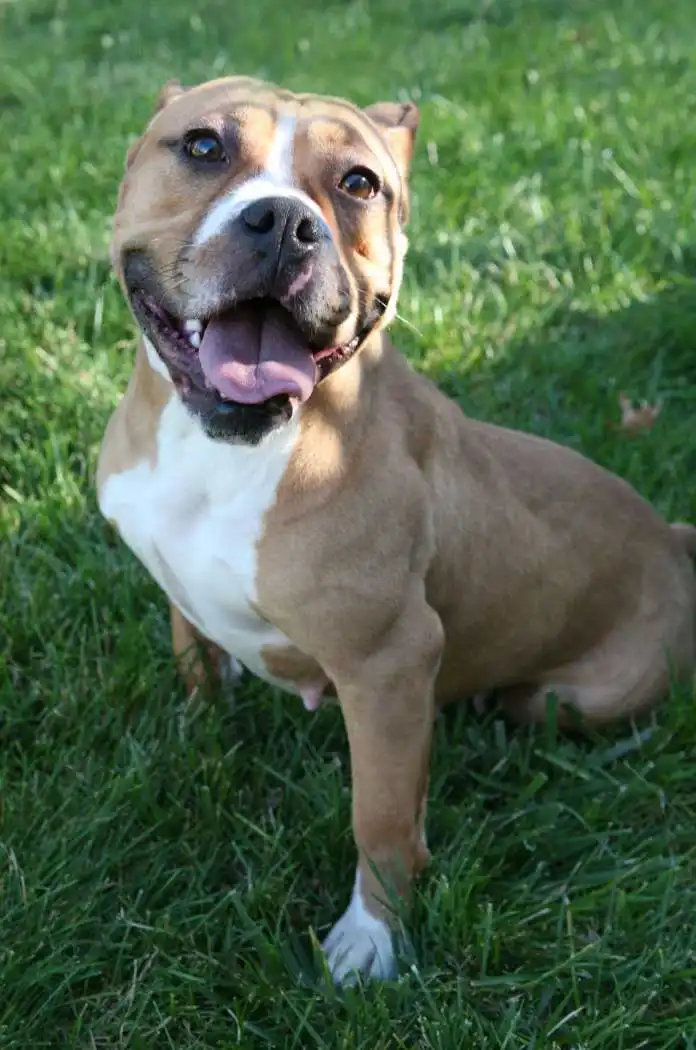
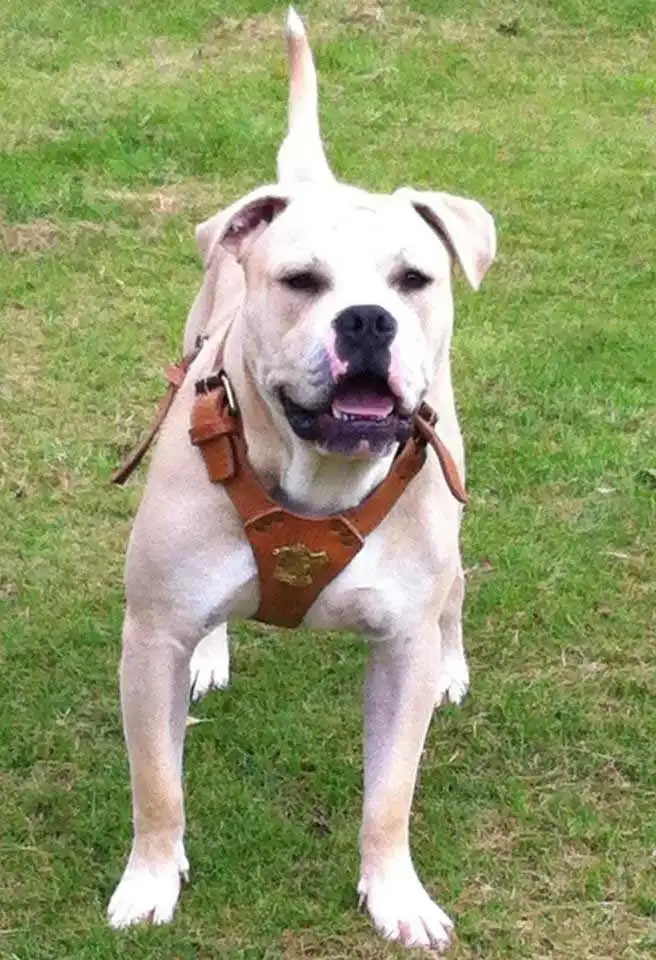
The Old Anglican Bulldogge is an impressive combination of the sturdy build of the Bulldog and the agility of the American Pitbull Terrier. This breed is distinguished by its long legs, full tail, and slightly flattened face, often resembling the Pitbull more than the Bulldog. While individual dogs may exhibit traits from either parent breed, they generally possess common characteristics such as folded ears and striking almond-shaped eyes in a captivating golden brown shade. The Old Anglican Bulldogge features a short coat that is smooth and soft, though it tends to shed quite a bit. Because of its short hair, this breed is not ideally suited for colder climates and prefers warmer environments for optimal comfort.

Care Routine
The grooming needs of the Old Anglican Bulldogge are relatively straightforward, primarily due to their short coat that demands minimal maintenance. A couple of sessions each week with a slicker brush should be enough to remove loose hair and any dirt that may settle on their fur. When it comes to bathing, this breed generally requires a deep clean every few months, with the option for occasional baths in between if they get especially dirty. Given their folded ears, it’s crucial to clean and dry them thoroughly after bathing or swimming to avoid moisture buildup in the ear canal, which can lead to infections. Additionally, remember to trim your dog’s nails every few weeks to keep their paws healthy and free from snags.
Behavior & Temperament
Contrary to common misconceptions surrounding Pitbulls and Bulldogs, the Old Anglican Bulldogge truly represents the finest traits of both breeds. While he may display a bit of playful exuberance and, without proper socialization, could act out around other dogs or people, this breed is primarily celebrated for its loyalty, affection, and playful demeanor, which facilitates training. The Old Anglican Bulldogge is especially good with children and other pets, making him an excellent choice for families. It’s important to emphasize that proper socialization and training are essential for shaping a dog’s behavior. By dedicating time to effective socialization during the early stages of the Old Anglican's life, potential issues with aggression can be significantly reduced. This breed is energetic but not overly so, and he typically barks only when it’s warranted.


Play & Exercise
Originally bred for hard work, Bulldogs and Pitbulls have seen a decline in their high energy and determination over the years. You might assume that a crossbreed of these dogs would be perpetually active and adventurous. However, you may be surprised to find that the Old Anglican Bulldogge, much like the Bulldog, tends to tire out more quickly and doesn't usually show a strong inclination for vigorous exercise. Despite this, the Old Anglican still needs regular physical activity to stay healthy and well-behaved. Activities such as a short jog, a long walk, training sessions, or a lively game of fetch in the yard are great ways to bond with your dog while helping him burn off energy. Additionally, investing time in training is essential, as it significantly contributes to both mental and physical stimulation. With a moderate energy level, this breed can adapt well to smaller living spaces, as long as he has daily opportunities to expend his energy.
Things to Know
Cups Per Day
3.0 Cups
Daily Activity
90 Minutes
Average Lifespan
10 Years
Origin
2000's
Type
Crossbreeds
Size
Medium
Origin Country
United States
Brush Frequency
Weekly
Coat Texture
Straight
Register
Your kids have been begging for a pet forever, and you've recently decided that it's time for your family to get a new addition -- a dog! While everyone is excited for the new arrival, you're wondering if you need to have a dog license. How much does it cost? Is it required? Where do you get one?
Member Clubs

PETINNATE
Other
Height & Weight
Weight
55 lbs (25 kg)Male: 60 lbs (27 kg) , Female: 50 lbs (23 kg)
Height
20 inches (51 sm)Male: 20 inches (51 sm) , Female: 20 inches (51 sm)
6 Months
35 lbs ( m 35 lbs, f 35 lbs )
13 inches ( m 13 inches, f 13 inches )
12 Months
45 lbs ( m 45 lbs, f 45 lbs )
16 inches ( m 16 inches, f 16 inches )
18 Months
55 lbs ( m 55 lbs, f 55 lbs )
20 inches ( m 20 inches, f 20 inches )
Eye Colors
Brown

Amber
Nose Colors
Black
Brown
Isabella
Coat Colors
Brindle
Pied
Fawn
White
Red
Black
Brown
Gray