Old Danish Pointing Dog
Gammel Dansk Honsehund, Old Danish Chicken Dog, Old Danish Bird Dog, Old Danish Pointing Dog, Altdanischer Huhnerhund, Ancien Chien d’Arret Danois, Bakhound
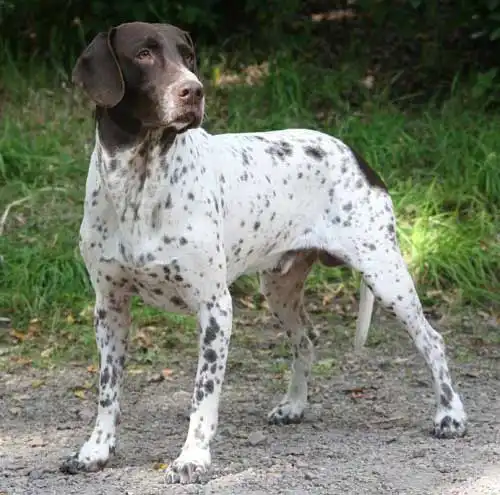
The Old Danish Pointer is a medium-sized dog recognized for its unique white coat featuring brown patches. Although this breed is quite popular in Denmark, it is relatively unknown in many other regions. Known for its gentle temperament, the Old Danish Pointer displays impressive resolve and bravery. When out hunting, it maintains close contact with its owner, moving purposefully as it seeks out game. At home, this breed is a loyal friend, often seen unwinding after enjoying lengthy walks or playful sessions in the garden.
Breed Origin
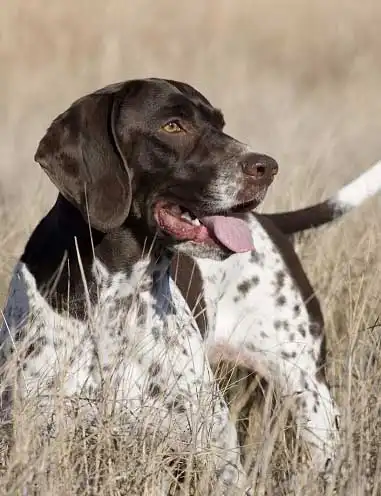
The exact beginnings of the Old Danish Pointer are somewhat ambiguous; however, it is widely accepted that Morten Bak began a crossbreeding initiative around 1710, combining gypsy dogs with local farm dogs. Bak lived in Glenstrup, Denmark, close to Randers and Hobro. Through careful breeding over eight generations, he created a new breed he called Bakhounds, which displayed a distinctive appearance marked by their white and brown piebald coats. Experts believe that the local farm dogs used in developing the Old Danish Pointer included Bloodhounds and Squire Scent Hounds, the latter being direct descendants of the St. Hubert Hounds. The gypsy dogs likely included Spanish Pointing Dogs and other scent hounds influenced by Spanish breeds. This breed was intended to serve as a versatile partner for bird hunting and gun sports. As the breed progressed, it underwent several name changes, such as the Old Danish Chicken Dog, Gammel Dansk Honeshund, Old Danish Bird Dog, Old Danish Pointing Dog, Altdanischer Huhnerhund, and Ancien Chien d’Arret Danois. The multitude of names created significant confusion regarding its official breed standard until all variations were unified under a single standard that encompassed them all. In the 19th century, the breed was officially recognized as the Old Danish Pointer. By the mid-20th century, the Old Danish Pointer was on the brink of extinction. However, due to the commitment of several dedicated breeders, the breed was saved and has since seen a revival in popularity throughout Denmark. The American Kennel Club recognized the Old Danish Pointer as part of the sporting group in 1884, and the United Kennel Club officially acknowledged the breed in 2006.
Breed Appearance
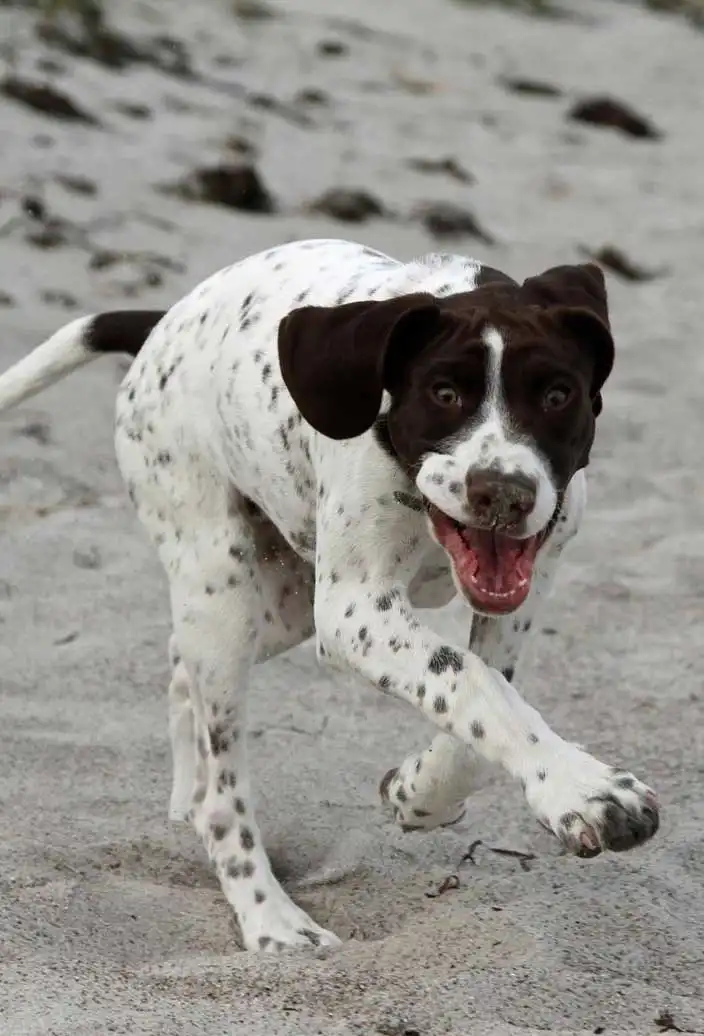
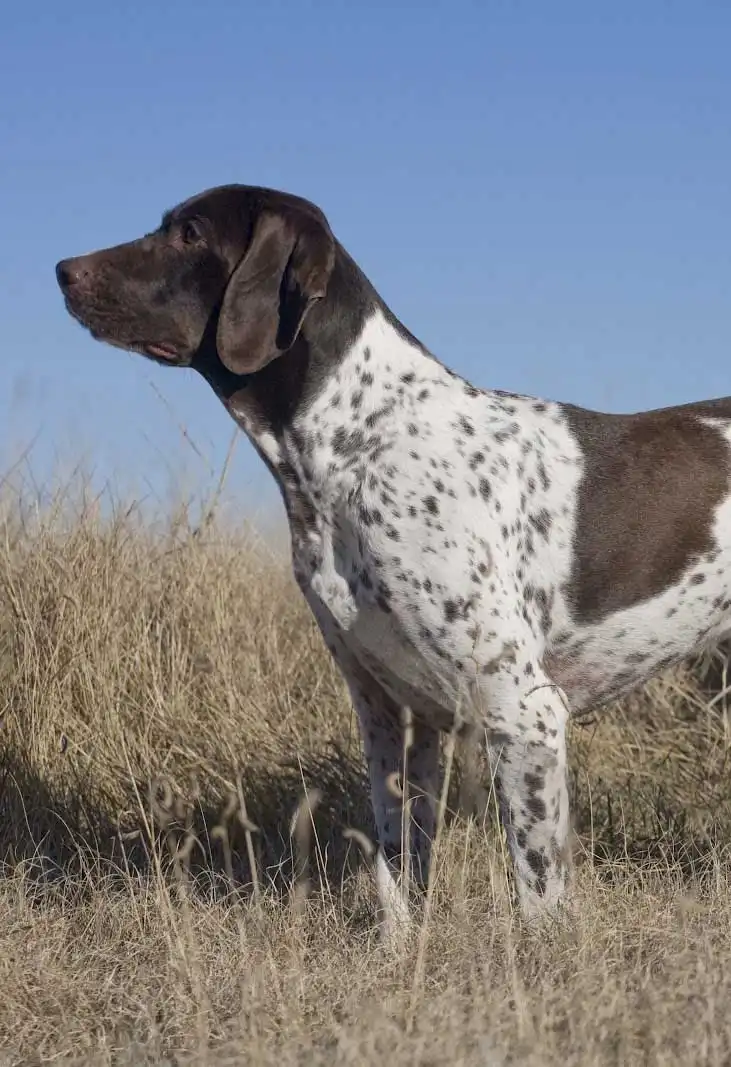
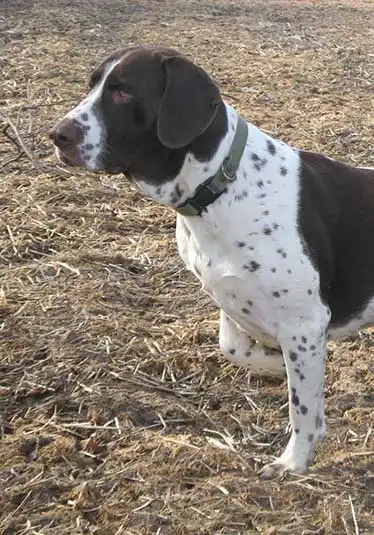
The male Old Danish Pointer stands out from the female due to its larger, more muscular physique, while the female is generally lighter, more reserved, and possesses a livelier spirit. This breed is characterized by a prominent, fleshy nose with wide, open nostrils, which are usually dark brown but can also appear in various shades of brown or liver. The ears are set low, of medium length, and feature broad, rounded tips that hang closely against the cheeks. The eyes are medium-sized, balanced—not too protruding or sunken—and should be dark brown, free from any lighter shades or visible haw. The coat of the Old Danish Pointer is short, dense, and coarse, covering the body without looking excessively long or fluffy. The skin is snug but not overly thin, with a slightly looser texture around the head and neck compared to the body and legs. The breed typically showcases a white base color adorned with brown markings.
Care Routine
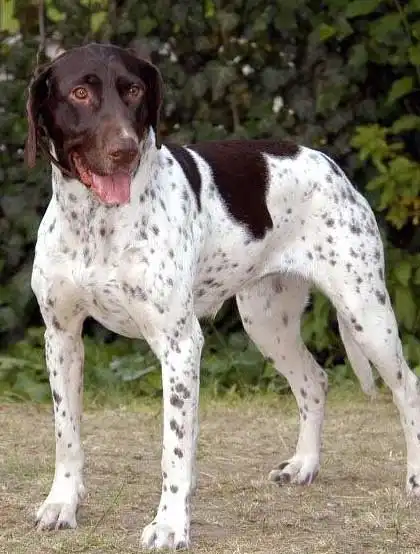
Caring for the Old Danish Pointer is relatively simple, requiring just about 30 minutes of grooming each week. Essential tools for this task include a slicker brush and a metal comb. Thanks to the coarse, weather-resistant nature of his coat, he only needs to be bathed a few times annually. When you do bathe him, it’s crucial to use a mild shampoo formulated for coarse coats, as unsuitable products can irritate his skin or damage his fur. While the Old Danish Pointer is not officially classified as a hypoallergenic breed, those with mild allergies can usually be around them without significant problems. Regular ear checks and cleaning are important, as is trimming his toenails as needed. Furthermore, it’s advisable to establish a dental care routine that incorporates professional cleanings to keep his teeth and gums healthy.
Behavior & Temperament
The Old Danish Pointer is a dependable hunting partner, known for his composed nature during hunts, along with impressive tenacity and courage. He approaches the pursuit of game with a patient attitude, taking his time in the field. At home, he exhibits a balanced energy level and needs regular exercise to remain happy. Activities like long walks or play sessions at the dog park are ideal for helping him expend energy. As a family dog, he thrives, creating strong connections with both kids and adults. However, he can be cautious around strangers, especially when they enter his space. If you have pet birds, it’s important to keep them apart and closely supervise your Old Danish Pointer, as he has a natural instinct to hunt birds. Additionally, other small pets should be watched carefully in his presence. To foster a well-adjusted personality, early socialization is vital during his training.
Play & Exercise
The Old Danish Pointer is a dog characterized by moderate energy levels, but he is not the best fit for apartment living or small homes with restricted outdoor areas. To ensure his happiness and well-being, he needs consistent exercise and mental stimulation; activities such as extended walks or trips to the dog park are ideal for meeting these requirements. This breed flourishes in settings where he can demonstrate his hunting abilities while also being a devoted family companion. If left alone without regular interaction, he may become anxious and exhibit undesirable behaviors. To keep him occupied in your absence, it’s essential to offer a range of stimulating and interactive toys.
Things to Know
Cups Per Day
2.3 Cups
Daily Activity
45 Minutes
Average Lifespan
13 Years
Origin
1710
Type
Pure Breeds
Size
Large
Origin Country
Denmark
Brush Frequency
Weekly
Coat Texture
Straight
Register
Your kids have been begging for a pet forever, and you've recently decided that it's time for your family to get a new addition -- a dog! While everyone is excited for the new arrival, you're wondering if you need to have a dog license. How much does it cost? Is it required? Where do you get one?
Member Clubs

PETINNATE
Gun Dog

UKC
Gun Dog
Height & Weight
Weight
67 lbs (30 kg)Male: 72 lbs (33 kg) , Female: 63 lbs (29 kg)
Height
22 inches (56 sm)Male: 23 inches (58 sm) , Female: 21 inches (53 sm)
6 Months
27 lbs ( m 27 lbs, f 27 lbs )
17 inches ( m 17 inches, f 17 inches )
12 Months
47 lbs ( m 47 lbs, f 47 lbs )
19 inches ( m 19 inches, f 19 inches )
18 Months
62 lbs ( m 62 lbs, f 62 lbs )
21 inches ( m 21 inches, f 21 inches )
Eye Colors
Brown

Nose Colors
Brown
Coat Colors
Brown
White
Pied