Olde Double Bully
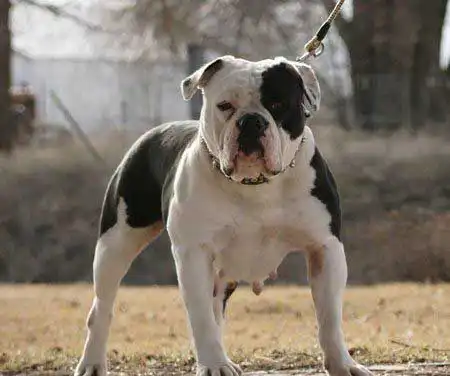
The Olde Double Bully is a delightful mix of the endearing Bulldog and the elegant Olde English Bulldog. Although Bulldogs may seem fierce and daunting at first glance, their true disposition is quite gentle; they are loving, affectionate, and friendly with their families. As puppies, they are lively and energetic, but they typically become more laid-back as they grow older. This breed is especially good with children, showcasing remarkable patience and tolerance. Once they reach maturity, Bulldogs often prefer to watch rather than engage in the fray. The Olde English Bulldog is known for its robust physique and strong bone structure, all while maintaining a degree of athleticism. These dogs are both sociable and alert, providing a protective presence for their loved ones. In summary, the temperament of the Olde Double Bully is stable, making it a wonderful guardian and a devoted companion.
Breed Origin
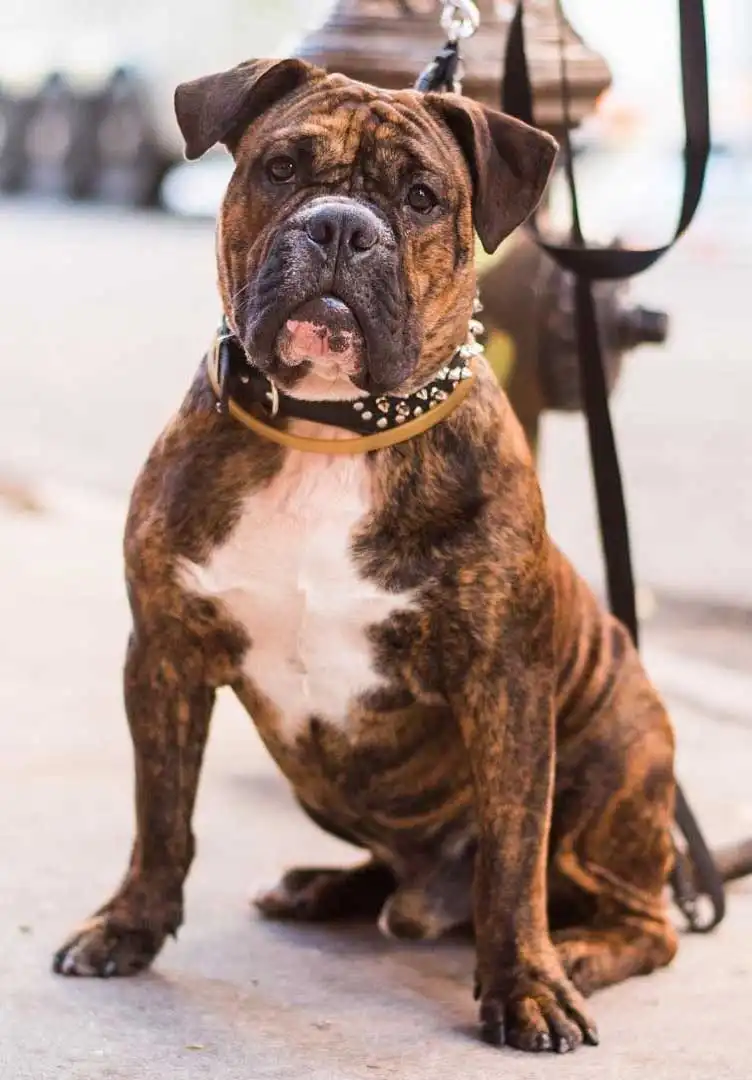
The Olde Double Bully is a relatively new hybrid breed, yet its ancestral lines have rich and extensive histories. The Bulldog's roots can be traced back to ancient Mastiffs, which journeyed from Asia to Europe alongside nomadic tribes. Through generations of selective breeding, the Mastiff evolved into the modern Bulldog. Initially, Bulldogs were utilized in the cruel sport of bull baiting, where they would crouch low and seize a bull by the nose. Their distinctive nose structure enabled them to breathe while holding onto the bull, which is how they earned the name "Bulldog." This brutal practice resulted in numerous injuries and fatalities among dogs until it was prohibited in England in 1835. At that point, Bulldogs had developed a reputation for aggression, leading breeders to prioritize the cultivation of a more gentle temperament. Consequently, today’s Bulldogs are celebrated for their affectionate and friendly demeanor. The Olde English Bulldogge's lineage dates back to England in the 1600s and 1700s, serving as the ancestors of several contemporary Bull breeds, including the English Bulldog and the American Bulldog. Similar to their relatives, Olde English Bulldogges were also bred for bull baiting until the sport was banned, which caused a drastic decrease in their numbers. In response to this decline, efforts were initiated to revive the breed, focusing on reducing aggression. The surviving dogs were interbred with Pugs, which played a role in shaping the modern English Bulldog. Today’s Olde English Bulldogge is a reconstructed version of the original breed from the 17th and 18th centuries, achieved through meticulous genetic crossbreeding. Modern Olde English Bulldogges inherit the genetic legacy of the English Bulldog, American Bulldog, American Pit Bull Terrier, and Mastiff.
Breed Appearance
Details about the appearance of the Olde Double Bully are somewhat scarce; however, we can glean information by looking at its parent breeds. The Bulldog is a medium-sized dog known for its sturdy and compact physique, characterized by short legs. It has a large head and body, with loose skin on the skull that creates unique facial folds and wrinkles. This breed features a wide, short muzzle and a broad nose with noticeable nostrils. Bulldogs also have large, square jaws and small ears that sit high on their heads. In contrast, the Olde English Bulldogge is strong and muscular, displaying a large head and broad muzzle, with ears that can either stand upright or droop. This breed has a thick, powerful neck and short, robust legs. As a result, the Olde Double Bully inherits these characteristics, leading to a well-proportioned and resilient dog with a short, smooth coat.

Care Routine
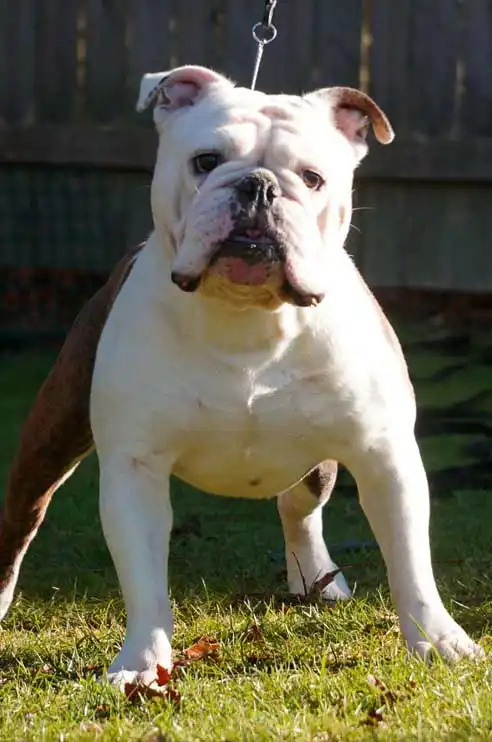
The Olde Double Bully is quite easy to care for. His short coat only needs to be brushed weekly with a firm bristle brush, while his face should be wiped clean daily with a damp cloth. It's important to focus on the skin folds, ensuring that any debris is cleared away and checking for any signs of irritation, sores, or parasites. After cleaning, be sure to dry the folds thoroughly. Like all dogs, he requires his teeth to be brushed several times a week to ensure good dental hygiene, and his nails should be trimmed as needed. Additionally, it's wise to regularly check his ears and clean out any dirt or wax using a cloth. Due to the Bulldog's sensitivity to heat, maintaining a cool environment at home is essential, particularly during warmer months.
Behavior & Temperament
While there is limited information available about the temperament of the Olde Double Bully, we can draw valuable insights from its parent breeds. Bulldogs are typically recognized for their laid-back nature, making them delightful companions. They can be trained, although their stubbornness may require some additional obedience training. Proper socialization is essential for Bulldogs to ensure they interact well with other dogs. Although they generally get along with children, they might not have the stamina to keep up with their energy levels. Bulldogs tend to prefer lounging with their families and are protective, often seeking affection from their owners. Conversely, the Olde English Bulldogge may give off a tough, battle-ready impression, but it is, in fact, a gentle and loving breed that strives to please its humans. This breed is quick to respond to commands and shows strong loyalty to its family. You can expect your Olde English Bulldog to be friendly towards everyone, including strangers, but they will appropriately respond if they perceive a real threat.


Play & Exercise
Details about the activity needs of the Olde Double Bully are somewhat scarce. However, looking into the activity levels of its parent breeds can shed light on what this hybrid requires. The Bulldog is generally quite sedentary, both inside and outside, with a low to moderate energy level. It’s crucial to take your Bulldog for daily walks to help control its weight, as this breed is susceptible to obesity. Due to its distinctive facial structure, the Bulldog has difficulty in extreme temperatures; even 85 degrees Fahrenheit can be too hot for it to endure for extended periods. Furthermore, its large head complicates swimming, so it’s best to keep it away from pools. On the other hand, the Olde English Bulldogge is more robust, exhibiting greater strength and stamina. This breed is more active than the Bulldog, enjoying long walks and outdoor playtime. The Olde Double Bully thrives on companionship and will happily follow you around, letting you know when it’s time to take a break.
Things to Know
Cups Per Day
2.0 Cups
Daily Activity
30 Minutes
Average Lifespan
11 Years
Origin
Unknown
Type
Crossbreeds
Size
Large
Origin Country
Unknown
Brush Frequency
Weekly
Coat Texture
Straight
Register
Your kids have been begging for a pet forever, and you've recently decided that it's time for your family to get a new addition -- a dog! While everyone is excited for the new arrival, you're wondering if you need to have a dog license. How much does it cost? Is it required? Where do you get one?
Member Clubs

PETINNATE
Other
Height & Weight
Weight
77 lbs (35 kg)Male: 79 lbs (36 kg) , Female: 75 lbs (34 kg)
Height
18 inches (46 sm)Male: 18 inches (46 sm) , Female: 17 inches (43 sm)
6 Months
37 lbs ( m 37 lbs, f 37 lbs )
8 inches ( m 8 inches, f 8 inches )
12 Months
70 lbs ( m 70 lbs, f 70 lbs )
15 inches ( m 15 inches, f 15 inches )
18 Months
70 lbs ( m 70 lbs, f 70 lbs )
17 inches ( m 17 inches, f 17 inches )
Eye Colors
Brown

Nose Colors
Black
Coat Colors
Pied
White
Fawn
Brindle
Red
Black