Papi-poo
Papi Doodle, Papidoodle,
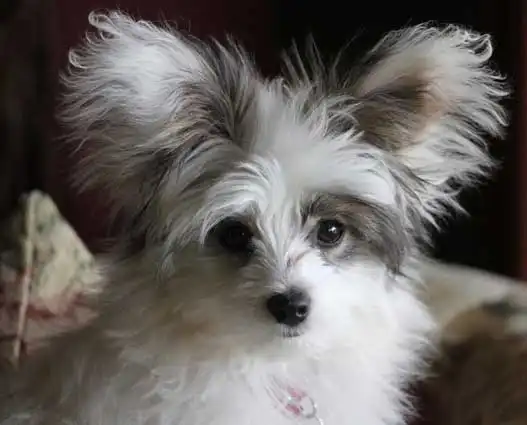
This delightful little dog wins over the hearts of everyone she meets. The Papi-poo, small, fluffy, and undeniably cute, resembles a charming, animated stuffed animal. Ideal for families, seniors, or individuals, these dogs provide the steadfast love and loyalty of a true friend. Despite their small stature, they possess vibrant personalities; they are gentle, intelligent, energetic, and occasionally a bit mischievous, but their captivating expressions often help them escape any mischief. This breed, a wonderful blend of Papillon and Poodle, is full of energy, eager to learn, and relatively easy to care for, although their beautiful fluffy coat requires regular grooming. They love to explore their environment and will joyfully follow you around the house. Whether in an apartment or a home with a yard, they adapt seamlessly to any living situation. With their bright, sparkling eyes and soft, medium-length fur, they are simply irresistible—and they know it!
Breed Origin
The Papi-poo is a hybrid designer dog that emerges from the crossbreeding of a Papillon and a Poodle. To grasp the characteristics that define this breed, it’s essential to explore its parent breeds. The Papillon is a historic breed with roots dating back to the 1500s, where it was a favorite among noblewomen throughout Europe. These dogs were treasured companions and occasionally served as watchdogs, enjoying the luxury and attention they received. The breed's name, which translates to "butterfly" in French, was adopted in the 17th century when their ears shifted from floppy to erect, resembling butterfly wings. This transformation was accompanied by a change in coat color, evolving from solid shades to a mix of white with patches. Over time, the Papillon has remained a cherished small dog, although some can be quite energetic and form strong bonds with their owners. The Poodle, another ancient breed, has its origins in Germany, where it was originally bred as a working dog for retrieving waterfowl. Its unique coat offered protection in wet environments. The French embraced the Poodle in the 15th century, refining it into the three varieties we know today: the Standard Poodle, adept at retrieving waterfowl; the Miniature Poodle, which aids in truffle hunting; and the Toy Poodle, a beloved companion. Circus performers soon recognized the breed's exceptional intelligence, training them for entertainment purposes, and popularizing the Poodle's elaborate grooming styles, which were further enhanced by the French. The breed gained official recognition in America in 1886. While some may view Poodles as distant and reserved, they are, in reality, affectionate, playful, and devoted members of their families.
Breed Appearance
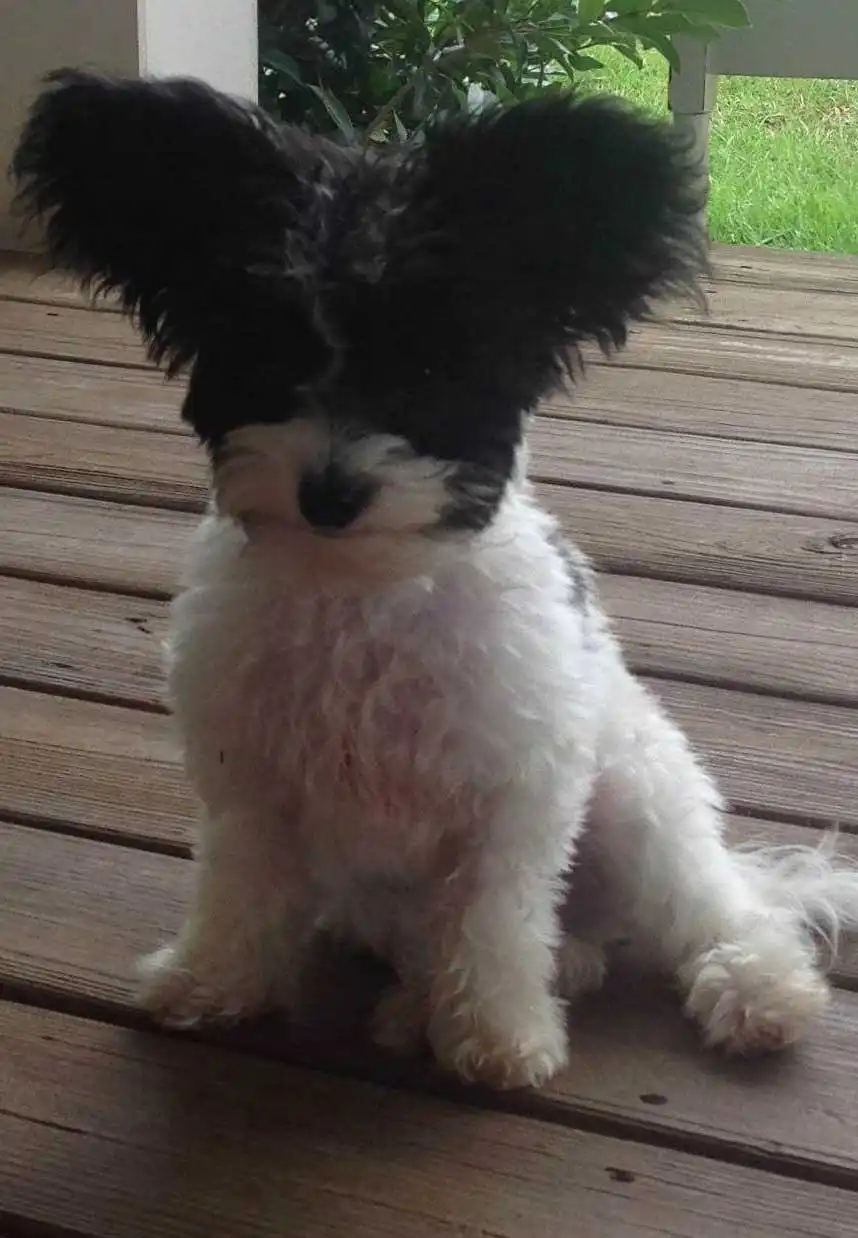
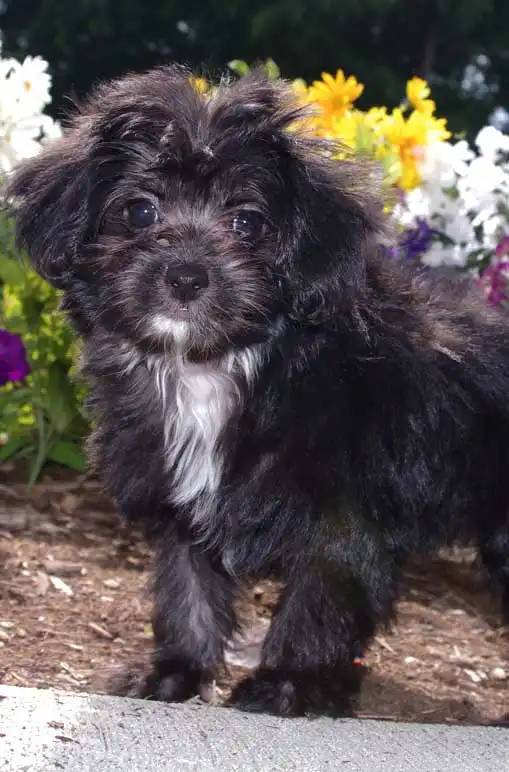
The Papi-poo features a well-proportioned build, marked by its short yet robust legs. Its head is typically rounded, with ears that are either long and floppy or upright, giving it an alert expression. While puppies may vary in looks even within the same litter, this small breed often resembles a delightful plush toy brought to life. With soft feathering around their medium-length snout and bushy eyebrows, they exude a captivating charm. Their soft, wavy coat, bright expressive eyes, and small, deep black nose further enhance their attractiveness. Available in a variety of colors, often showcasing a blend of shades, the Papi-poo is characterized by its petite paws, abundant fur, and a spirited, lively personality.

Care Routine
While the Papi-poo is not typically associated with excessive shedding, it is important to brush their coat regularly—preferably on most days—to maintain its appearance and prevent tangles. Additionally, arranging a grooming appointment every few months, especially in the summer, is vital for a proper trim. Frequent baths are not required; instead, bathe them only when necessary, using a mild dog shampoo to maintain their skin's natural oils. Dental hygiene is also a crucial part of their care; aim to brush their teeth at least twice a week to support their oral health. Starting this routine while they are still puppies can make it easier, turning it into an enjoyable game to help them adjust. Finally, routinely checking their ears and eyes, along with giving their nails a gentle trim, will keep your Papi-poo looking sharp and well-groomed.
Behavior & Temperament
The Papi-poo is an affectionate, lively, and spirited breed that thrives on companionship. They are sensitive to vocal tones and may suffer from separation anxiety if left alone for long stretches. When meeting new people, they can be a bit wary at first, often alerting you to unfamiliar faces with loud barking. This clever little dog is eager to please, which makes them open to training, especially when it is conducted with a gentle yet assertive approach, complemented by ample praise and rewards. As a family pet, Papi-poos have a special fondness for children. However, it’s crucial to keep in mind that as puppies, they are quite small and can be easily harmed by overly boisterous kids. Teaching children that the dog is not a toy and encouraging gentle interactions is vital. The time spent on this training will result in a well-adjusted and confident dog that will shower the family with affection and loyalty. Moreover, Papi-poos generally get along well with other pets and dogs, seeing themselves as integral family members. They have a strong desire to be included in all family activities and outings. This breed requires considerable interaction; therefore, if your job involves long hours away from home, a Papi-poo may not be the best choice for you. They prefer to stay close to their owners, whether curled up in your lap or joining you on walks. Their adaptability makes them suitable for both apartment living and homes with yards, making them wonderful companions.


Play & Exercise
The Papi-poo is an energetic little companion, full of life and enthusiasm. She often channels her energy by trailing you around the house or playing with the children. Although she is small, she thrives on daily walks, which not only allow her to explore but also provide valuable socialization with other dogs and people, enhancing her overall well-being. A leisurely stroll through the neighborhood or some playful time at the dog park is always a treat for her. Despite her size, she eagerly keeps up with larger dogs. Papi-poos are quick learners who respond well to positive reinforcement during training, as they have a strong desire to make their owners happy. They love to engage in games, enjoy splashing in water, and have a talent for being the center of attention. After a day filled with fun and activity, they will contentedly snuggle up on your lap, happily exhausted.
Things to Know
Cups Per Day
1.0 Cups
Daily Activity
60 Minutes
Average Lifespan
12 Years
Origin
1990s
Type
Crossbreeds
Size
Small
Origin Country
United States
Brush Frequency
Daily
Coat Texture
Wavy
Register
Your kids have been begging for a pet forever, and you've recently decided that it's time for your family to get a new addition -- a dog! While everyone is excited for the new arrival, you're wondering if you need to have a dog license. How much does it cost? Is it required? Where do you get one?
Member Clubs

PETINNATE
Other
Height & Weight
Weight
10 lbs (5 kg)Male: 11 lbs (5 kg) , Female: 10 lbs (5 kg)
Height
11 inches (28 sm)Male: 11 inches (28 sm) , Female: 11 inches (28 sm)
6 Months
3 lbs ( m 3 lbs, f 3 lbs )
4 inches ( m 4 inches, f 4 inches )
12 Months
10 lbs ( m 10 lbs, f 10 lbs )
10 inches ( m 10 inches, f 10 inches )
18 Months
10 lbs ( m 10 lbs, f 10 lbs )
10 inches ( m 10 inches, f 10 inches )
Eye Colors
Brown

Amber
Nose Colors
Black
Coat Colors
White
Cream
Gray
Red
Sable
Black

White