Papichon
Papillon Frise
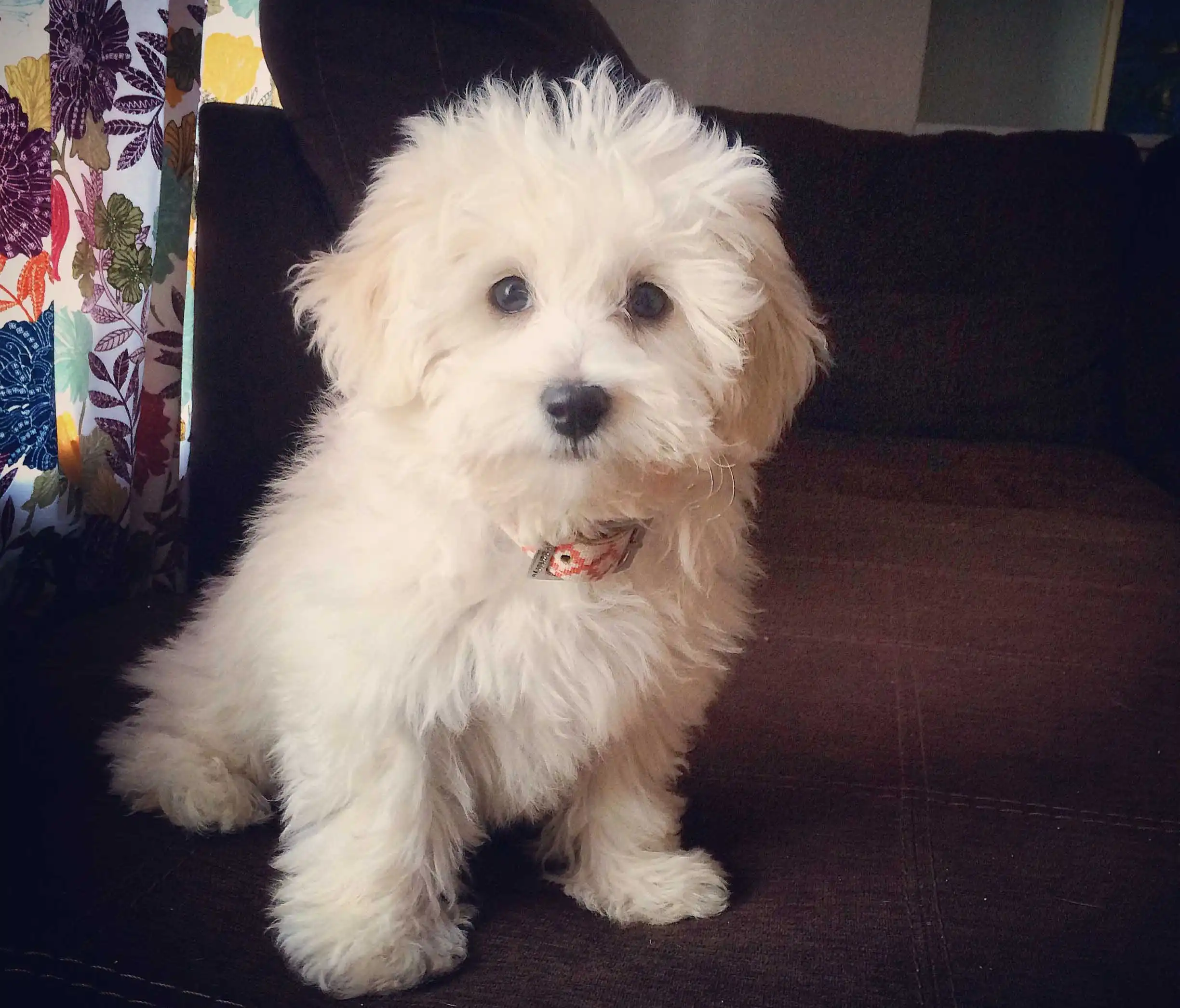
The Papichon, a distinctive hybrid breed, is certainly worth the effort to find. These loving dogs are fantastic companions for families, as they thrive on human interaction. They are quick learners, eager to please their owners by mastering tricks and demonstrating agility. However, it’s essential to recognize that Papichons are inherently social; they desire companionship and enjoy being part of your everyday activities. Leaving one alone at home can lead to unexpected surprises, as their imaginative "home decorating" skills may not match your preferences. When unsupervised, they can become bored and seek out their own entertainment. Despite their small size, their personalities are often vibrant and engaging. Papichons love to be helpful and want to join in on all family outings and adventures. They adapt well to both apartment living and homes with yards, making them versatile pets. Their adorable appearance, fluffy coats, and charming personalities more than make up for their tendency to be a bit clingy.
Breed Origin
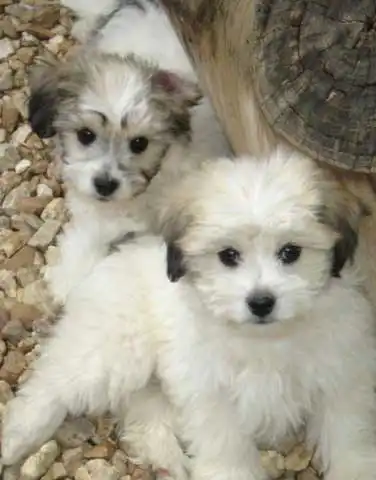
The Papichon is a relatively uncommon breed, which means there is not much information regarding its origins. However, by exploring the histories of its parent breeds—the Bichon Frise and the Papillon—we can uncover some valuable insights. The Bichon Frise can be traced back to the 14th century in the Mediterranean. French sailors brought these dogs from Tenerife in the Canary Islands. Renowned for their curly fur, these small dogs were adventurous companions, traveling with traders along Phoenician trade routes and sailing with Spanish mariners. Eventually, this delightful breed made its way to Europe, where it became a cherished companion among the nobility. They were frequently seen in royal courts and valued as loyal friends. Interest in the Bichon Frise remained strong until the late 1800s, when it fell out of favor and was regarded as a 'common' dog. After World War I, French breeders worked diligently to revive the breed, leading to its introduction in the United States in 1956. The American Kennel Club officially recognized the Bichon Frise as a distinct breed in 1975, and it continues to be celebrated for its gentle nature. In contrast, the Papillon boasts a rich history illustrated in artwork from the 16th century. These dogs were often depicted alongside their adoring owners and became the preferred spaniels of European court ladies. Initially known for their floppy ears, the breed underwent a transformation in the 17th century at the court of Louis XIV, where a small spaniel with upright ears was developed and named Papillon, which means "butterfly" in French, due to the shape of its ears. The primary change in the breed has been its coloration; while originally solid, modern Papillons typically have a white base with colored patches. Although the exact date of their arrival in America is unclear, the Papillon currently ranks 35th among the 155 breeds recognized by the American Kennel Club. This beloved and charming breed continues to win the hearts of devoted owners, with a legend suggesting that once you gaze into their captivating eyes, you will be forever enchanted.
Breed Appearance
This delightful little dog has an irresistibly charming appearance, featuring a soft, plush coat with elegant feathering on its legs and tail. Speaking of the tail, it is often held aloft, curling gracefully over its back, with long, flowing hairs that spread out like a flag, heralding the Papichon's presence. Despite its small stature, the dog is well-proportioned, typically longer than it is tall. Its slender legs and tiny paws might give an impression of delicacy, but this breed is surprisingly energetic, with a personality that feels much larger than its physical size. The face is both delicate and charming, marked by a finely tapered muzzle. The head has a gentle roundness, with ears that are set wide apart. These ears can either droop like those of a Bichon or stand upright with feathery edges, reflecting its Papillon heritage. The soft, luxurious coat lends it a 'plush toy' appearance, further enhancing its charm. Its bright black eyes seem to track your every move, paired with a shiny black nose, making this small dog a lively and delightful companion.

Care Routine
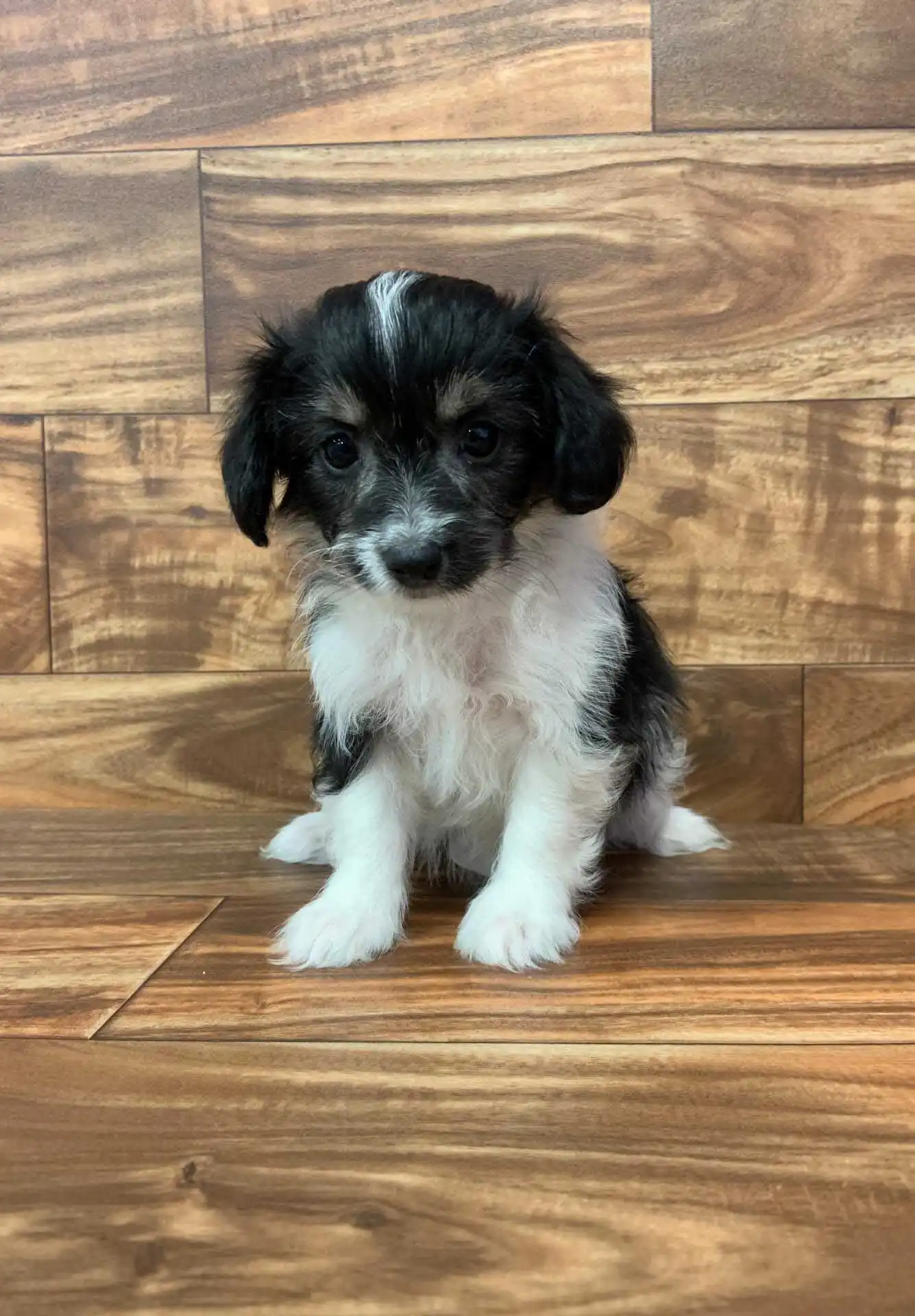
Puppies in a litter can show a variety of characteristics, but generally, the Papichon features a soft, medium-length coat that may have a slight curl, similar to that of the Bichon. To keep this coat looking its best and to avoid tangles, it should be brushed at least twice a week. If your Papichon inherits the Bichon’s coat, professional grooming every two to three months will be necessary to maintain its neat appearance. Bathing should be reserved for when it’s truly needed, using a mild dog shampoo to prevent allergies and to protect the skin's natural oils. During brushing sessions, it’s crucial to inspect for any sores or cuts that may need attention, as these small dogs can easily get into tricky situations. Additionally, brushing their teeth twice a week will promote good dental hygiene, and nails should be kept trimmed to a manageable length. Finally, remember to gently clean around the ears and eyes, as these areas are particularly delicate and require regular care to ensure overall health.
Behavior & Temperament
The Papichon is a small dog full of character and a sunny personality. This breed thrives on companionship and shouldn't be left alone for long stretches, as they develop deep connections with their owners and family. They are best suited for homes where someone is always around to shower them with love, and they relish joining you on outings. Once they feel at ease with new people, they greet them with great enthusiasm. Their charming appearance, delightful nature, bright eyes, and broad smiles make them utterly captivating to everyone they encounter. As puppies, they are tiny and fragile, so it's crucial to handle them with care to avoid injuries. Teaching children to be gentle with these little dogs is essential. While they grow stronger over time, they require extra attention during their early development. Papichons thrive on mental challenges and are eager to learn new tricks, participate in agility training, and quickly grasp obedience commands. However, they can be sensitive, and harsh discipline may cause them to withdraw. Encouragement through kind words, affection, and praise will inspire this little bundle of joy to follow your guidance. Although they can adapt well to apartment living, Papichons tend to be vocal and assertive. Early training is key to managing this behavior effectively. As exceptional companion dogs, it's vital to establish yourself as a confident leader to earn their respect and prevent any unwanted habits from forming.


Play & Exercise
The Papichon is a spirited little dog, brimming with curiosity and a keen interest in exploring its environment. This breed thrives on interaction with family members and is known for its tendency to investigate whatever is happening nearby. Regular walks are an excellent opportunity for them to socialize with other dogs and people, which is especially important to help mitigate any shyness that may arise if they aren’t adequately socialized during their formative years. They are enthusiastic about walking, running, and playing, and they flourish when faced with challenges such as searching for treats, fetching balls, or learning new tricks. To satisfy their inquisitive nature, the Papichon requires plenty of mental stimulation. These small dogs can adapt well to apartment living, as long as they get sufficient outdoor exercise. If you have a yard, they will take it upon themselves to ensure it is secure. Moreover, this energetic little companion loves to cuddle, cherishing your attention and forming a strong, loyal bond with you.
Things to Know
Cups Per Day
1.0 Cups
Daily Activity
60 Minutes
Average Lifespan
12 Years
Origin
Unknown
Type
Crossbreeds
Size
Small
Origin Country
United States
Brush Frequency
Weekly
Coat Texture
Wavy
Register
Your kids have been begging for a pet forever, and you've recently decided that it's time for your family to get a new addition -- a dog! While everyone is excited for the new arrival, you're wondering if you need to have a dog license. How much does it cost? Is it required? Where do you get one?
Member Clubs

PETINNATE
Other
Height & Weight
Weight
13 lbs (6 kg)Male: 13 lbs (6 kg) , Female: 12 lbs (5 kg)
Height
11 inches (28 sm)Male: 12 inches (30 sm) , Female: 11 inches (28 sm)
6 Months
2 lbs ( m 2 lbs, f 2 lbs )
3 inches ( m 3 inches, f 3 inches )
12 Months
8 lbs ( m 8 lbs, f 8 lbs )
7 inches ( m 7 inches, f 7 inches )
18 Months
12 lbs ( m 12 lbs, f 12 lbs )
11 inches ( m 11 inches, f 11 inches )
Eye Colors
Brown
Amber
Nose Colors
Black
Coat Colors
White
Brown
Sable
Red
Black