Papshund
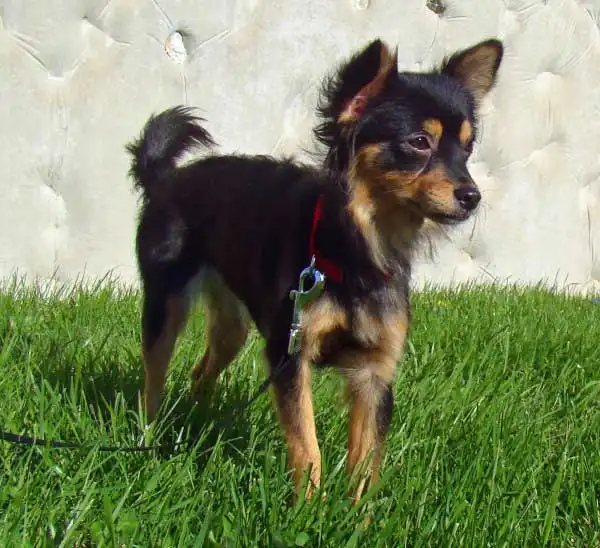
The Papshund is an enchanting hybrid that merges the purebred Papillon with the Dachshund. These adorable, toy-sized dogs often inherit the Papillon's signature butterfly ears along with the Dachshund's elongated body. While this mix is not very common, it is acknowledged by five different breed organizations. Papshunds are excellent companions and make perfect lapdogs, yet they also have a lively disposition that necessitates regular exercise. They adapt well to both city and country living; however, they should not be left outdoors unsupervised and are not suited for cold climates. Furthermore, the Papshund is a sensitive breed that flourishes with attention and gentle care from its owners.
Breed Origin
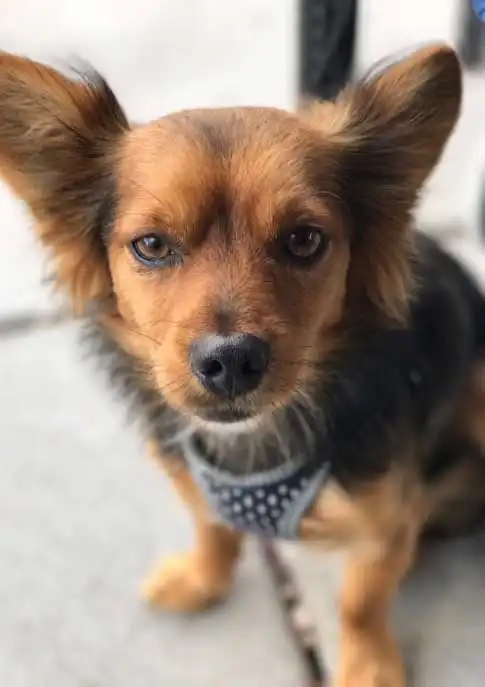
The Papshund is a designer hybrid dog with an unclear history. This breed results from crossing the well-loved Papillon and the Dachshund, yet the details surrounding its intentional breeding are not well established. While the traits and health characteristics of hybrids can differ, potential owners can glean information about the Papshund's likely attributes by exploring the backgrounds of its parent breeds. The Papillon has been a beloved companion dog since the 16th century, with origins in Spain from Toy Spaniel lines before making its way to France, often transported by mules. This small breed, easily recognized by its unique butterfly-shaped ears, captured the attention of French nobility, leading to its name "Papillon," which means butterfly in French. In France, a variation with drooping ears emerged, known as the Phalene, which translates to moth, highlighting the resemblance of its ears to the wings of a resting moth. Today, the Phalene is a rare variant that can sometimes appear in the same litter as Papillons. The breed made its debut in the United States in the 20th century, receiving official recognition from the American Kennel Club in 1915. Conversely, the Dachshund has its roots in Germany, dating back to the 15th century. Its name means "badger dog" in German, reflecting its original purpose as a low-to-the-ground hunter of various game, including hares, deer, and wild boar. Over time, Dachshunds have varied in size and weight, now categorized into Miniature and Standard types. Although recognized as both an above-ground and below-ground hunter, the Dachshund is primarily bred for companionship today. Nonetheless, many of its spirited traits persist, making squeaky toys a temporary source of amusement. The American Kennel Club officially recognized the Dachshund in 1885.
Breed Appearance
The Papshund is a small hybrid breed that beautifully blends traits from its two parent breeds. It has a petite head featuring a long, slender muzzle, a small black nose, and round, dark eyes. Its ears are particularly large, resembling the signature butterfly shape of the Papillon. The Papshund possesses a deep chest and a body that is generally longer than it is tall, reflecting its Dachshund lineage, although it is usually less robust than that breed. Its legs are short but strong, often covered in longer fur. The tail is elegantly feathered and arches over the back, similar to the tail of the Papillon. In essence, this hybrid merges the Papillon's coat and ears with the Dachshund's elongated body, while typically being less stocky than its Dachshund counterpart.

Care Routine
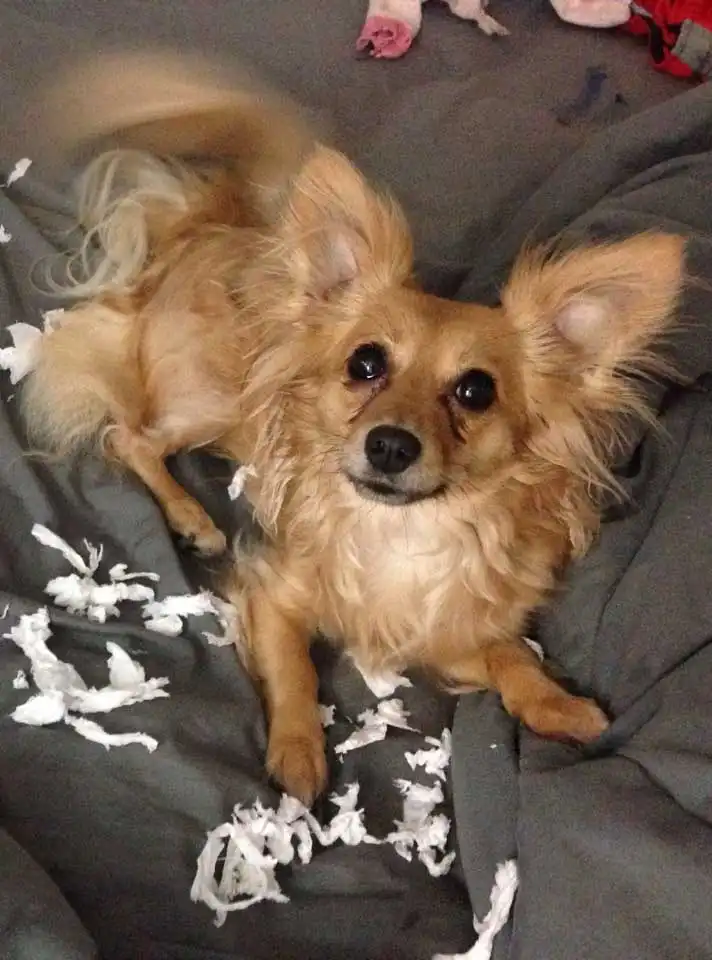
The Papshund is not considered a hypoallergenic breed, yet it does experience moderate shedding. Its long, soft coat requires weekly brushing to maintain its health. Regular inspections of the ears are crucial to clear away dirt and debris, utilizing a veterinarian-recommended solution or pet wipes to avert ear infections and unpleasant smells. Thankfully, the Papshund is odor-free and can be easily cared for with regular grooming. This hybrid does not require frequent baths; instead, using a spray bottle, washcloth, or pet wipes can efficiently remove excess dirt and debris during brushing.
Behavior & Temperament
The Papshund is an energetic breed that adapts well to both city and country living. Renowned for their loving disposition, they form strong attachments to their families and require ample attention and gentle engagement. This breed is also quite accepting of newcomers, which makes them good watchdogs. To help a Papshund grow into a well-rounded and healthy companion, it’s crucial to expose them to a variety of people, settings, and other animals. While they typically get along with fellow dogs, the Dachshund heritage may bring a heightened prey drive, which could result in increased aggression and lower tolerance levels. Furthermore, the Dachshund's natural inclination to roam can create training difficulties; however, the Papillon's desire to please and strong family bond can alleviate some of these challenges during the training process.


Play & Exercise
The Papshund is a spirited breed, characterized by its compact size and low stature, making it an energetic companion that enjoys running both inside and outside. This hybrid breed flourishes in smaller spaces, whether it be a cozy yard or an indoor environment that allows for free movement. However, because of its elongated physique, jumping can become hazardous, especially as the dog ages; therefore, it's advisable to avoid high jumps and discourage it from balancing on its hind legs. Although the Papshund may find cold weather challenging, it adjusts quite well to apartment living.
Things to Know
Cups Per Day
1.0 Cups
Daily Activity
30 Minutes
Average Lifespan
14 Years
Origin
Unknown
Type
Crossbreeds
Size
Small
Origin Country
United States
Brush Frequency
Weekly
Coat Texture
Straight
Register
Your kids have been begging for a pet forever, and you've recently decided that it's time for your family to get a new addition -- a dog! While everyone is excited for the new arrival, you're wondering if you need to have a dog license. How much does it cost? Is it required? Where do you get one?
Member Clubs
PETINNATE
Other
Height & Weight
Weight
14 lbs (6 kg)Male: 14 lbs (6 kg) , Female: 14 lbs (6 kg)
Height
10 inches (25 sm)Male: 10 inches (25 sm) , Female: 10 inches (25 sm)
6 Months
13 lbs ( m 13 lbs, f 13 lbs )
9 inches ( m 9 inches, f 9 inches )
12 Months
14 lbs ( m 14 lbs, f 14 lbs )
10 inches ( m 10 inches, f 10 inches )
18 Months
14 lbs ( m 14 lbs, f 14 lbs )
10 inches ( m 10 inches, f 10 inches )
Eye Colors
Brown
Nose Colors
Black
Coat Colors
White
Cream
Red
Brown
Black