Parson Russell Terrier
Parson Terrier, Parson "Jack" Russell Terrier
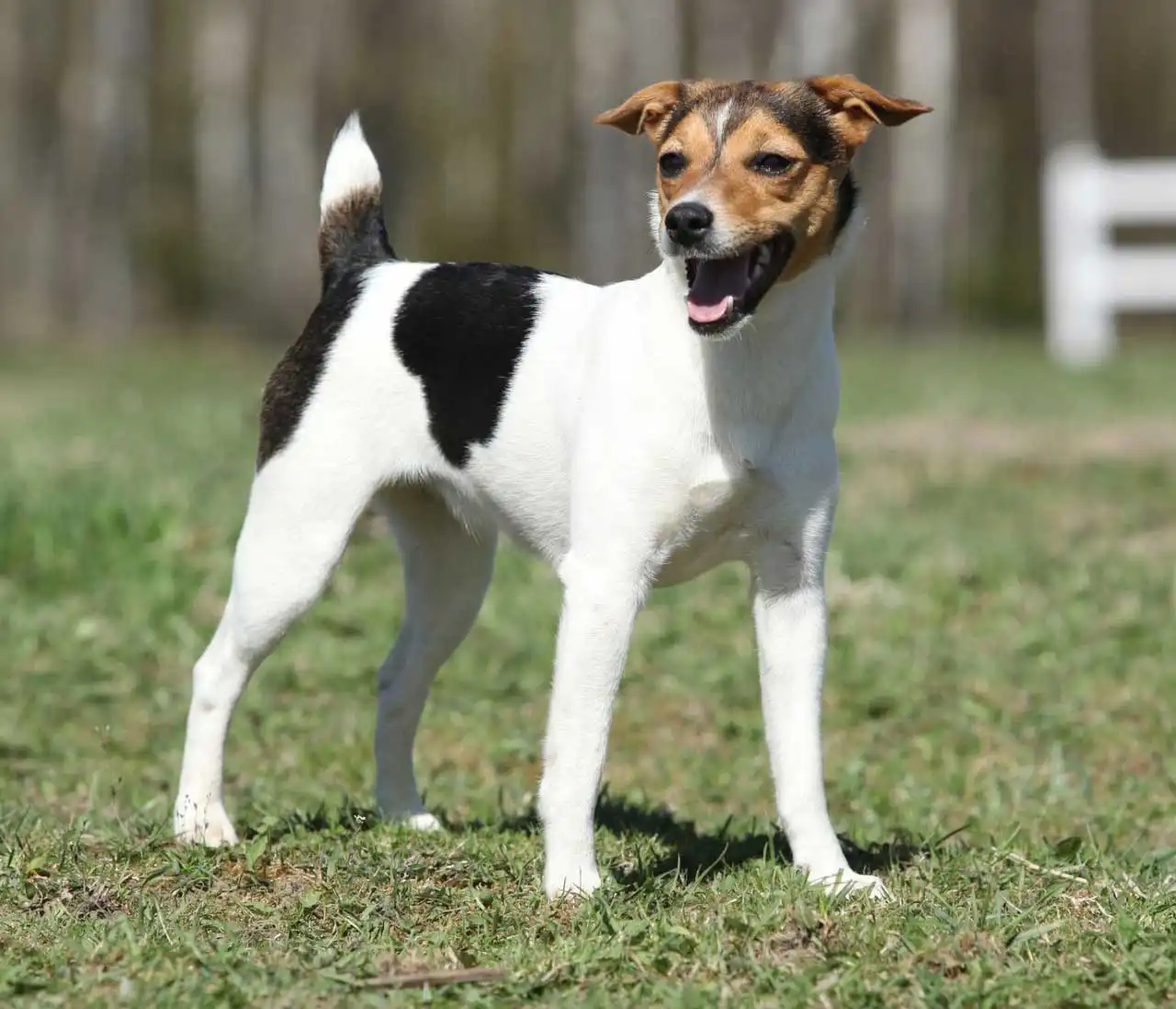
The Parson Russell Terrier is a sturdy and compact breed celebrated for its lively character and keen hunting instincts. In comparison to their closest relative, the Jack Russell Terrier, Parson Russells tend to be taller and have a slightly higher energy level, requiring a daily investment of at least one to one and a half hours of vigorous exercise. Although these dogs can be quite independent and occasionally stubborn, they respond well to training when positive reinforcement methods are employed. Given their energetic nature and propensity to be vocal, they typically do not thrive in apartment settings unless they are given several additional hours of physical activity each day.
Breed Origin
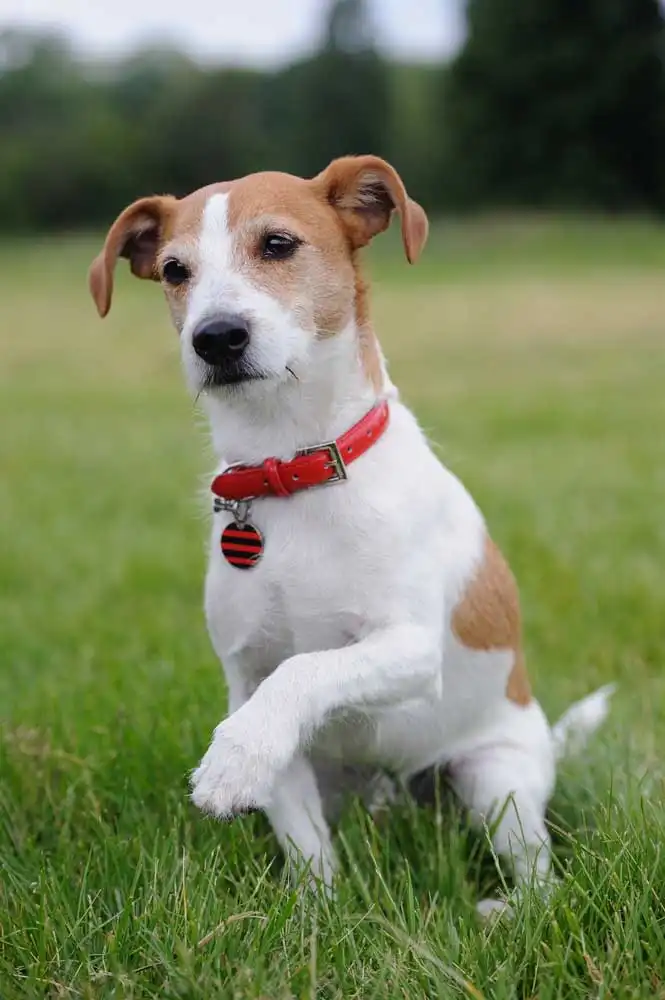
In 1819, John Russell, a man with a passion for dogs, obtained a delightful female Terrier from a milkman and named her Trump. This dog was mostly white, featuring darker patches on her head and rear. Although she resembled the Wire-haired Fox Terrier of her time, she was distinguished by her shorter legs and broader head. John, affectionately known as Jack, was so enamored with Trump that after returning home from his studies at Oxford, where he was preparing for a career as a reverend, he envisioned creating a new breed of fox hunting dogs. His goal was to develop a breed that could keep up with hounds, possess a more spirited temperament, and still be compact enough to flush out foxes from their dens. Thus, the Jack Russell Terrier was born. After the death of Reverend John “Jack” Russell, breeders began to shift their focus, resulting in the development of two distinct varieties: one that prioritized specific physical traits and another that emphasized temperament and working capabilities. The group that focused on physical attributes created the Parson “Jack” Russell Terrier, which was later shortened to Parson Russell or Parson Terrier. As a result, the Parson Russell Terrier is characterized by a square build and longer legs compared to the Jack Russell Terrier. It’s crucial to differentiate between these two breeds and the Russell Terrier, a third variation with even shorter legs that was primarily developed in Australia. While both the Parson Russell Terrier and the Russell Terrier are recognized by the American Kennel Club, the Jack Russell Terrier, the most prominent of the three, is not. The Jack Russell Terrier Club of America has opted to preserve the breed's working dog status, opting against its recognition by the American Kennel Club.
Breed Appearance
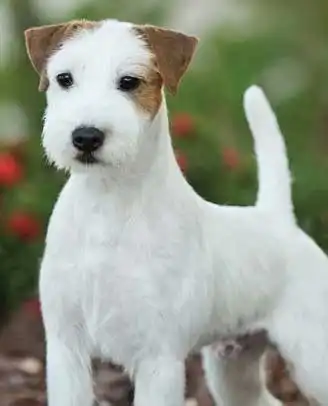
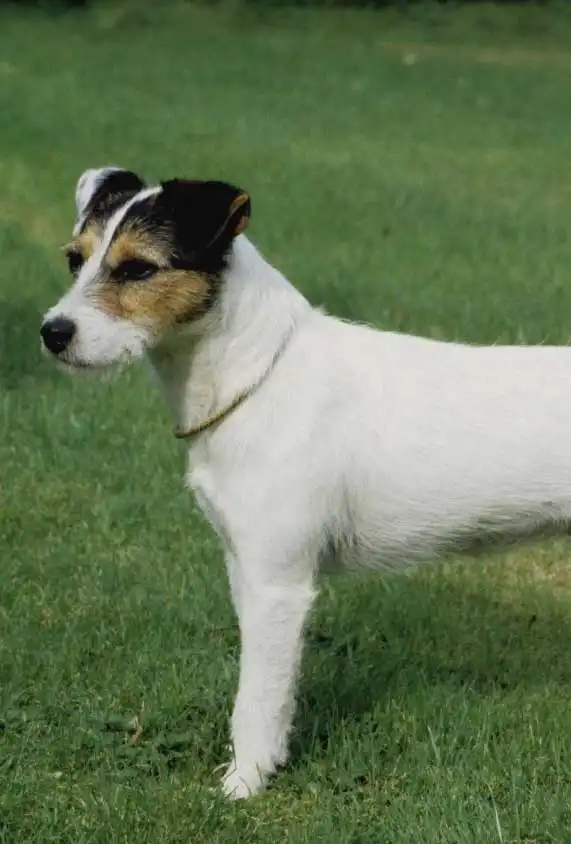
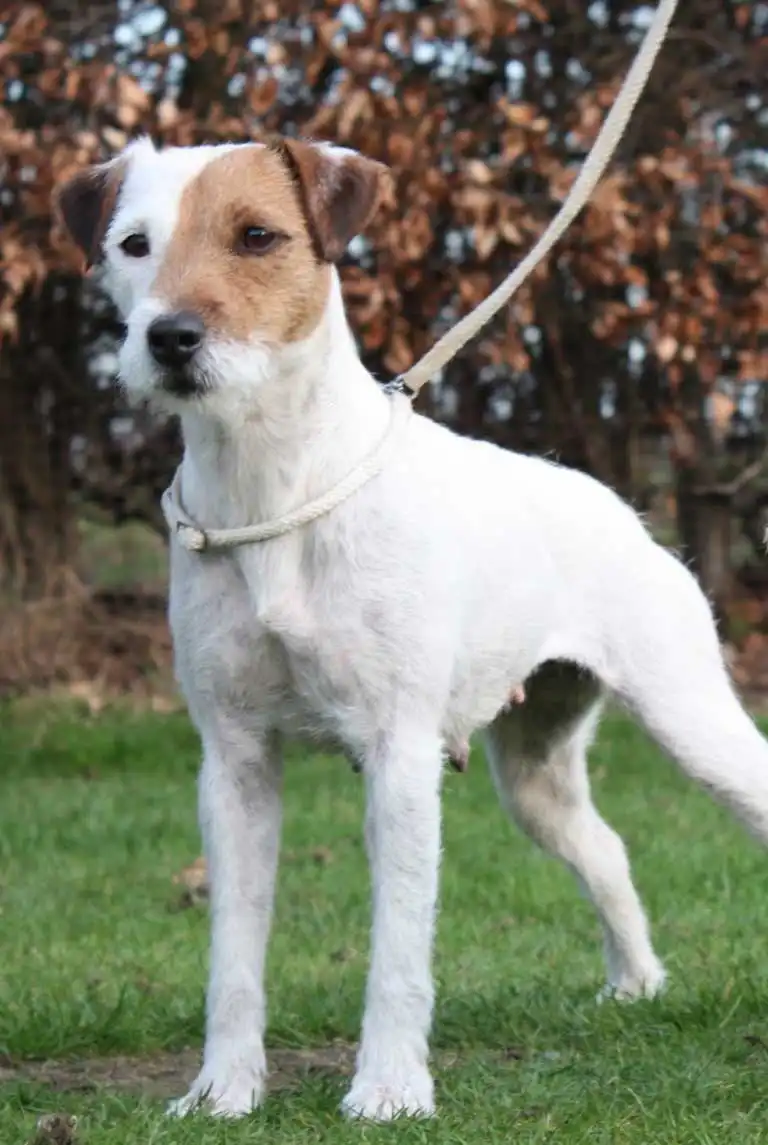
The Parson Russell Terrier is a compact breed, standing between twelve and fifteen inches tall at the shoulder, which sets it apart from the longer-bodied Jack Russell and Russell Terriers. Its back is proportionately shorter compared to its legs, yet it retains a remarkable flexibility similar to that of its counterparts. This breed is known for its long, sturdy tail, which may have a slight curl at the tip, although it is often docked to about two-thirds of its original length. The Parson Russell Terrier has a strong, well-proportioned head featuring a flat skull and a muzzle that is slightly shorter than the skull itself. Its dark, almond-shaped eyes are typically bordered by dark rims, although pink rims are also acceptable. The small, V-shaped ears fold forward and hang down, often resting close to the eye's corner. Both the smooth and broken-coated varieties display similar color patterns, with a white base accented by black, tan, or tricolor markings.
Care Routine
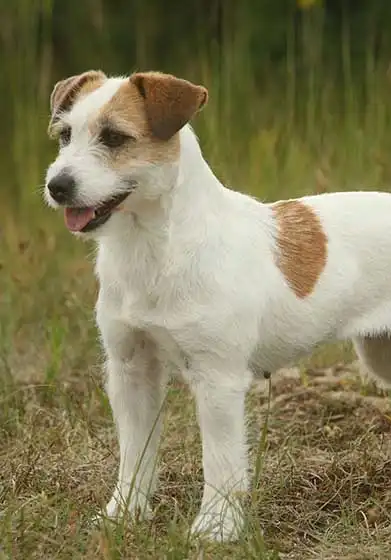
Caring for a Parson Russell Terrier's grooming needs is relatively simple. These dogs usually require only a handful of baths each year due to their low odor and dirt-resistant coats. To keep their fur in good condition, regular brushing a few times a week is essential for removing dust and loose hair, applicable to both smooth and broken coat varieties. For those with a broken coat, hand-stripping or using a specialized stripping comb two to three times a year is crucial to preserve the coat's desired texture. Additionally, trimming their nails on a monthly basis is important to avoid any breaks or tears. Maintaining their dental hygiene is also vital, so it’s advisable to brush their teeth several times a week.
Behavior & Temperament
Parson Russell Terriers are not only exceptionally smart but also full of energy, displaying a natural instinct to pursue prey. It’s crucial to supervise any interactions between these dogs and young children; however, they can be quite gentle with infants, toddlers, and other pets, particularly if they receive proper socialization during their early puppy days. On the flip side, dogs that haven’t been socialized or are easily startled may nip at younger kids or unintentionally knock them over in their enthusiasm, though they are generally non-aggressive unless they have been subjected to negative experiences. To curb this breed's inherent urge to chase small furry or feathered companions, thorough socialization is essential. For some dogs, this instinct can be overwhelming. When outdoors, Parson Terriers should always be watched, even in a fenced yard, as they can quickly dig beneath fences in pursuit of what they consider prey. These dogs are usually very trainable, especially when positive reinforcement methods are used and the training remains stimulating. In contrast, employing harsh training techniques or overly simplistic routines without enough variety can result in mischievous, stubborn, or even destructive behaviors.
Play & Exercise
While this breed may not be particularly large, they possess a high energy level and require a significant amount of daily exercise, typically between one to one and a half hours. To effectively manage the Parson Russell Terrier's abundant energy, it is essential to engage both their mind and body. When outside of a secure area, keeping this dog on a leash is crucial due to their strong prey drive, which can make them challenging to control. In addition to regular walks, jogs, and countless games of fetch, this breed often excels in activities like earth dog trials, tracking, agility sports, and competitive obedience training. For those residing in apartments, this breed might not be the ideal choice unless they can enjoy several hours of outdoor activity each day.
Things to Know
Cups Per Day
1.0 Cups
Daily Activity
75 Minutes
Average Lifespan
13 Years
Origin
1900s
Type
Pure Breeds
Size
Small
Origin Country
England
Brush Frequency
Weekly
Coat Texture
Wiry
Register
Your kids have been begging for a pet forever, and you've recently decided that it's time for your family to get a new addition -- a dog! While everyone is excited for the new arrival, you're wondering if you need to have a dog license. How much does it cost? Is it required? Where do you get one?
Member Clubs

PETINNATE
Terrier

AKC
Terrier Group

UKC
Terrier
Height & Weight
Weight
15 lbs (7 kg)Male: 15 lbs (7 kg) , Female: 15 lbs (7 kg)
Height
14 inches (36 sm)Male: 14 inches (36 sm) , Female: 14 inches (36 sm)
6 Months
11 lbs ( m 11 lbs, f 11 lbs )
12 inches ( m 12 inches, f 12 inches )
12 Months
15 lbs ( m 15 lbs, f 15 lbs )
13 inches ( m 13 inches, f 13 inches )
18 Months
15 lbs ( m 15 lbs, f 15 lbs )
13 inches ( m 13 inches, f 13 inches )
Eye Colors
Brown

Nose Colors
Black
Coat Colors
Pied

White