Pembroke Cocker Corgi
Cocker Corgi
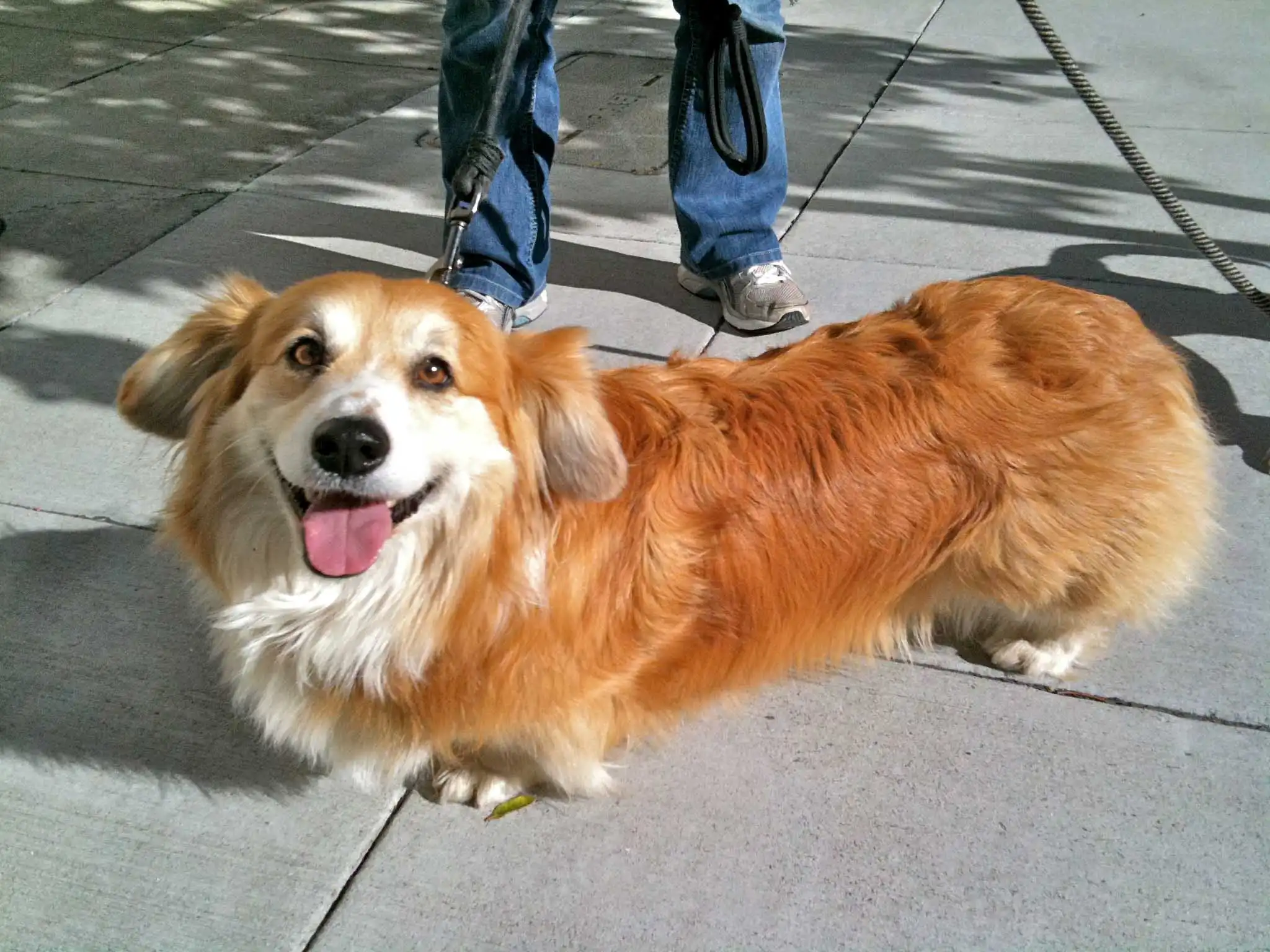
The Pembroke Cocker Corgi is a small hybrid breed created by crossing the American Cocker Spaniel with the Pembroke Welsh Corgi. These dogs typically weigh up to 30 pounds and stand between 12 and 14 inches tall. They are known for their friendly and affectionate nature, often getting along well with other pets. However, it's crucial to supervise them around young children, as little ones may not always know how to interact safely with a small dog. Renowned for their intelligence, Pembroke Cocker Corgis can learn commands quickly, but they may also show a stubborn streak, so be ready to dedicate time to their training. It’s advisable to use positive reinforcement methods, as harsh discipline can provoke aggressive tendencies.
Breed Origin
The American Cocker Spaniel has its origins in the English Cocker Spaniel, which was intentionally bred with other breeds to produce a smaller variant. As the smallest member of the sporting dog category, this breed has become extremely popular in the United States. The name "Cocker" comes from their proficiency in flushing and retrieving a game bird called the woodcock. This breed was developed in the U.S. during the 1800s specifically for hunting and retrieving these birds. Historical records indicate that the original Spaniels arrived in America on the Mayflower in 1620, where they were classified into different breeds based on their size and hunting skills, whether on land or in water. As people began to appreciate their gentle and loving temperament, they evolved into favored companion animals. The American Kennel Club officially recognized the breed in 1878, placing it as the 29th most popular dog in the nation. Conversely, the Pembroke Welsh Corgi was bred in Wales in the 1100s primarily for herding cattle. Its ancestry includes various breeds such as the Spitz, Norwegian Elkhound, Chow Chow, Samoyed, Pomeranian, Schipperke, and Keeshond. The term "Corgi," meaning "dwarf dog," aptly describes their compact size. Originally, these dogs were used to herd sheep and cattle by nipping at their legs, but they have since become beloved companions and effective guard dogs. Their popularity soared when King George presented one to his daughters, and Queen Elizabeth also became a fan, owning several herself. The American Kennel Club recognized the Pembroke Welsh Corgi in 1934, and it now ranks as the 18th most popular dog breed in the United States.
Breed Appearance
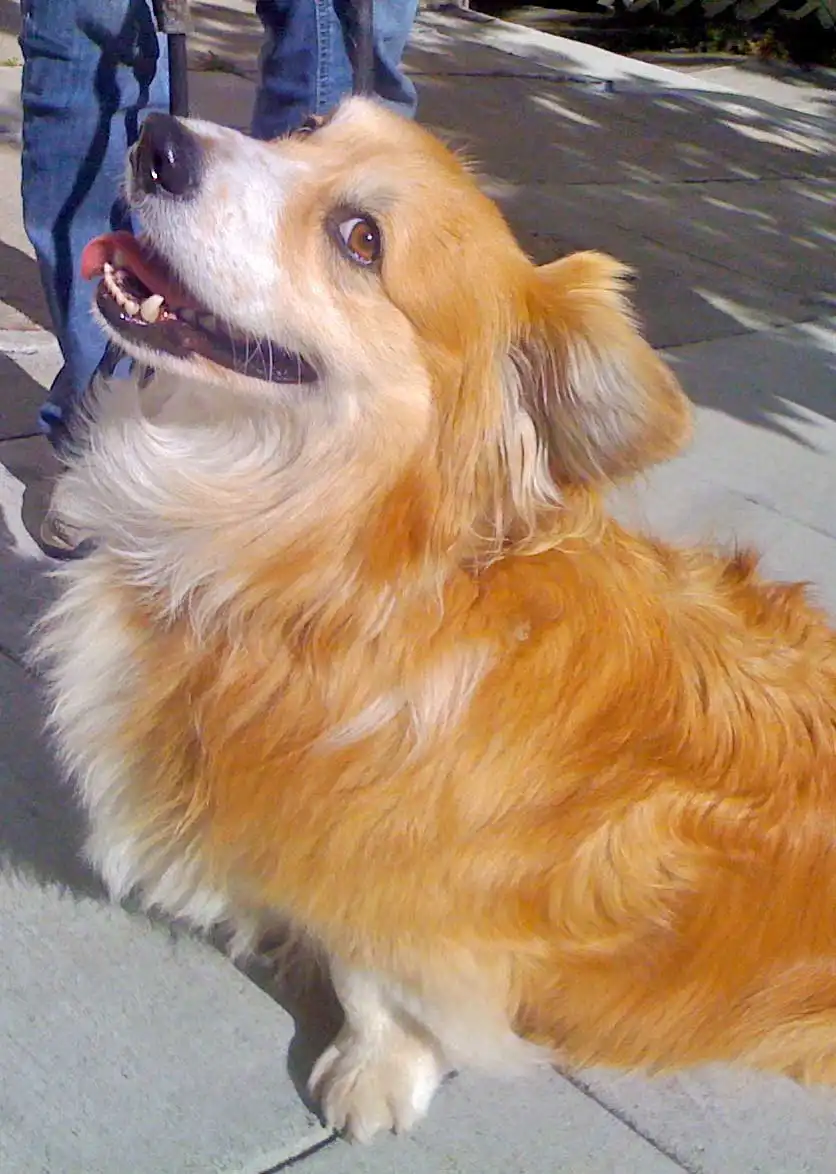
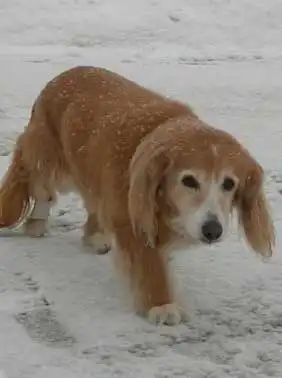
The Pembroke Cocker Corgi is distinguished by her large, oval brown eyes and a black nose, which together create a friendly and inviting expression that often appears to be smiling. Her ears are prominently large and triangular, usually standing erect, though some individuals may have longer, droopy ears. This breed features a long, fluffy tail and a body shape akin to that of the Pembroke Welsh Corgi, marked by short legs and an elongated torso; however, variations in leg and torso length can arise depending on her ancestry. The coat is of medium thickness, with textures that range from straight to slightly wavy, soft, and of moderate length. Common color patterns include black, brown, and white, as well as combinations of black and brown, solid shades of black or brown, white, blue, fawn, cream, sable, brindle, or any mix of these colors.

Care Routine
To avoid matting and tangling, it's essential to brush your Pembroke Cocker Corgi every other day. Depending on the density and length of their coat, you should ideally brush them five to six times a week with a pin brush and comb. If your dog sheds frequently, using a deshedding tool can effectively minimize loose fur by removing dead hair. Furthermore, their ears should be cleaned every 7 to 10 days, and this is also a good time to check for any wax buildup or signs of ear mites.
Behavior & Temperament
The Pembroke Cocker Corgi is a loving and friendly addition to any family. However, it's crucial to monitor their interactions with young children, as their small size can make them susceptible to unintentional injuries. Typically, they are good with other pets, but like the Cocker Spaniel, they might have a pronounced prey drive, so it's wise to be cautious around smaller animals. Training these dogs can be somewhat challenging, but employing a consistent method along with positive reinforcement can lead to quick progress. For those with busy lifestyles who find it difficult to invest time in training, enrolling the dog in an obedience class may prove advantageous.


Play & Exercise
This breed doesn't need an excessive amount of exercise, but it's crucial to ensure they get at least 45 minutes to an hour of physical activity each day. Regular exercise is vital for their health, helps stave off boredom, and prevents them from gaining weight. They love to cuddle with their owners just as much as they enjoy playing outside. You may need to motivate them to be active, so incorporating their favorite activities—like brisk walks, hiking, trips to the dog park, or games of fetch, flyball, or frisbee—can be beneficial. Moreover, this breed is particularly skilled in agility training and is recognized for its remarkable speed.
Things to Know
Cups Per Day
2.5 Cups
Daily Activity
60 Minutes
Average Lifespan
13 Years
Origin
2000s
Type
Crossbreeds
Size
Medium
Origin Country
United States
Brush Frequency
Daily
Coat Texture
Straight
Register
Your kids have been begging for a pet forever, and you've recently decided that it's time for your family to get a new addition -- a dog! While everyone is excited for the new arrival, you're wondering if you need to have a dog license. How much does it cost? Is it required? Where do you get one?
Member Clubs

PETINNATE
Other
Height & Weight
Weight
25 lbs (11 kg)Male: 28 lbs (13 kg) , Female: 23 lbs (10 kg)
Height
13 inches (33 sm)Male: 14 inches (36 sm) , Female: 13 inches (33 sm)
6 Months
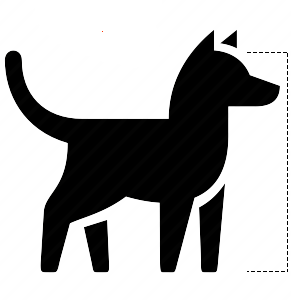
7 lbs ( m 7 lbs, f 7 lbs )
10 inches ( m 10 inches, f 10 inches )
12 Months
12 lbs ( m 12 lbs, f 12 lbs )
11 inches ( m 11 inches, f 11 inches )
18 Months
22 lbs ( m 22 lbs, f 22 lbs )
12 inches ( m 12 inches, f 12 inches )
Eye Colors
Brown

Nose Colors
Black
Coat Colors
Black
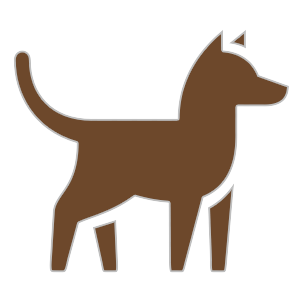
Brown
Cream
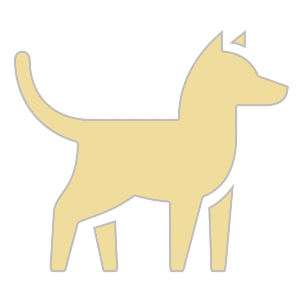
Fawn
Blue
White
Pied
Sable
Brindle