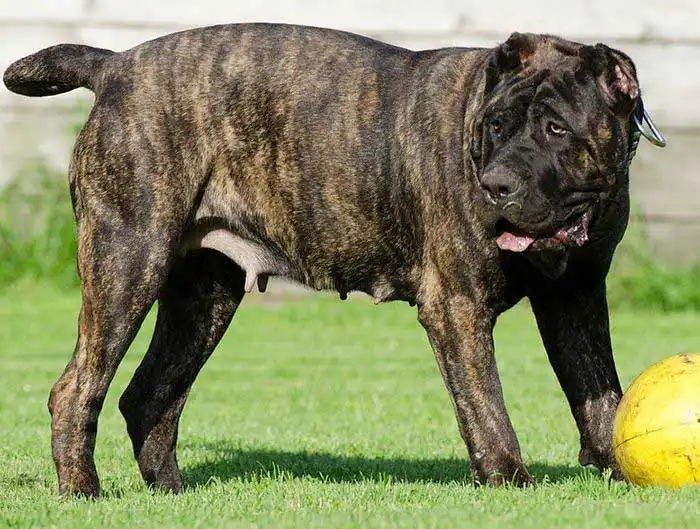
Perro De Presa Canario
Canary Mastiff, Dogo Canario, Presa Canario, Canary Dog, Presa
The Perro De Presa Canario is an impressive breed that often suffers from unfavorable stereotypes. Traditionally, this dog has been employed for hunting large game and, regrettably, has been associated with dog fighting in various areas. Consequently, it may not be the best fit for inexperienced dog owners or families with young kids. Without proper training, the Perro De Presa Canario can display aggressive tendencies. There have been cases where this breed has caused serious injuries or fatalities among both adults and children, underscoring the considerable responsibility that comes with owning one. Nevertheless, with appropriate socialization, training, and management, this breed can evolve into a loyal and loving companion. It is essential to prevent it from taking on a dominant role within the household.
Breed Origin
The origins of the Perro De Presa Canario can be traced back to the 15th or 16th century, with evidence suggesting that it developed from mastiff-type dogs brought to the Canary Islands by Spanish conquistadors. Initially, this breed was utilized as a protector of livestock and a safeguard against predators threatening farms. Its genetic lineage includes the rare Iberian Presa, a mastiff-like dog, and the now-extinct Alanos, a bulldog variant. Furthermore, the Bardino Majorero, a sheepdog, is thought to have played a role in shaping the breed's genetic makeup. As the Perro De Presa Canario gained popularity, it was exported to various nations, where it regrettably became linked to dog fighting. Despite the prohibition of dog fighting in the 1940s, the practice continues illegally, and the breed remains vulnerable to exploitation in these cruel activities. In 1982, a breed club was founded in the Canary Islands with the mission of promoting and preserving the Perro De Presa Canario. In the 1970s, American breeders began to develop this breed further, focusing on producing dogs that were robust, brave, confident, and territorial. These breeding efforts established the foundation for the majority of Perro De Presa Canarios present in the United States today. The American Kennel Club recognized the breed as part of its Foundation Stock Service in 1996, and the United Kennel Club officially acknowledged it in 2003. However, due to the limited number of registered Perro De Presa Canarios in the U.S., they can currently only be registered with the AKC through the Foundation Stock Service.
Breed Appearance
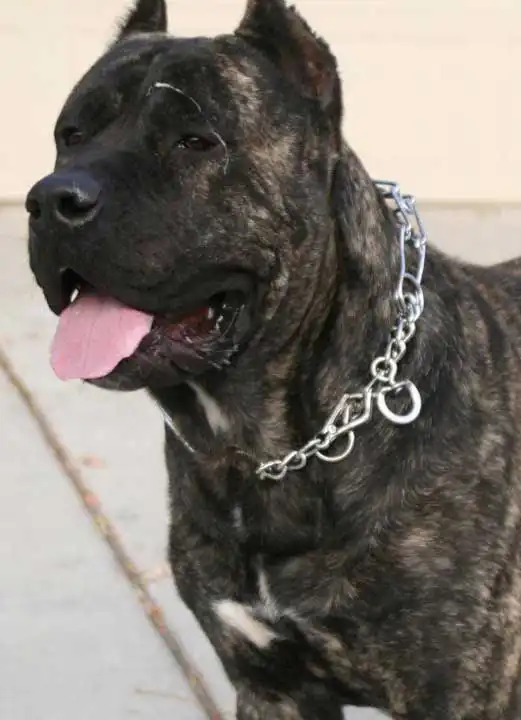
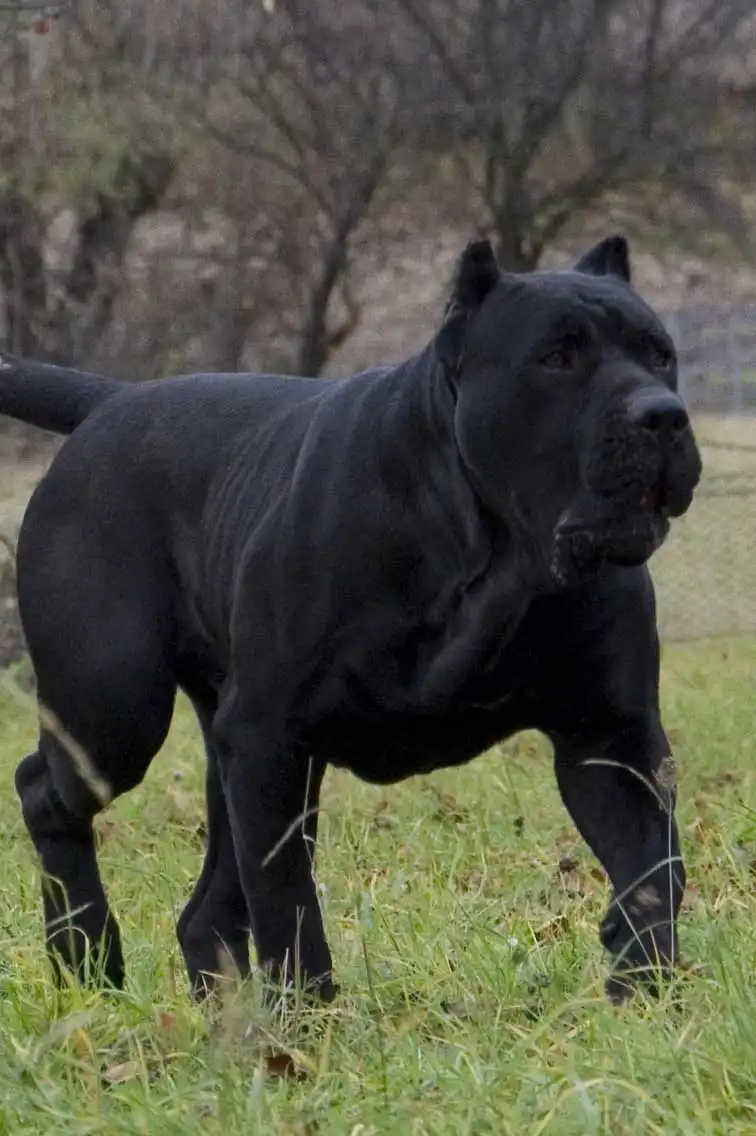
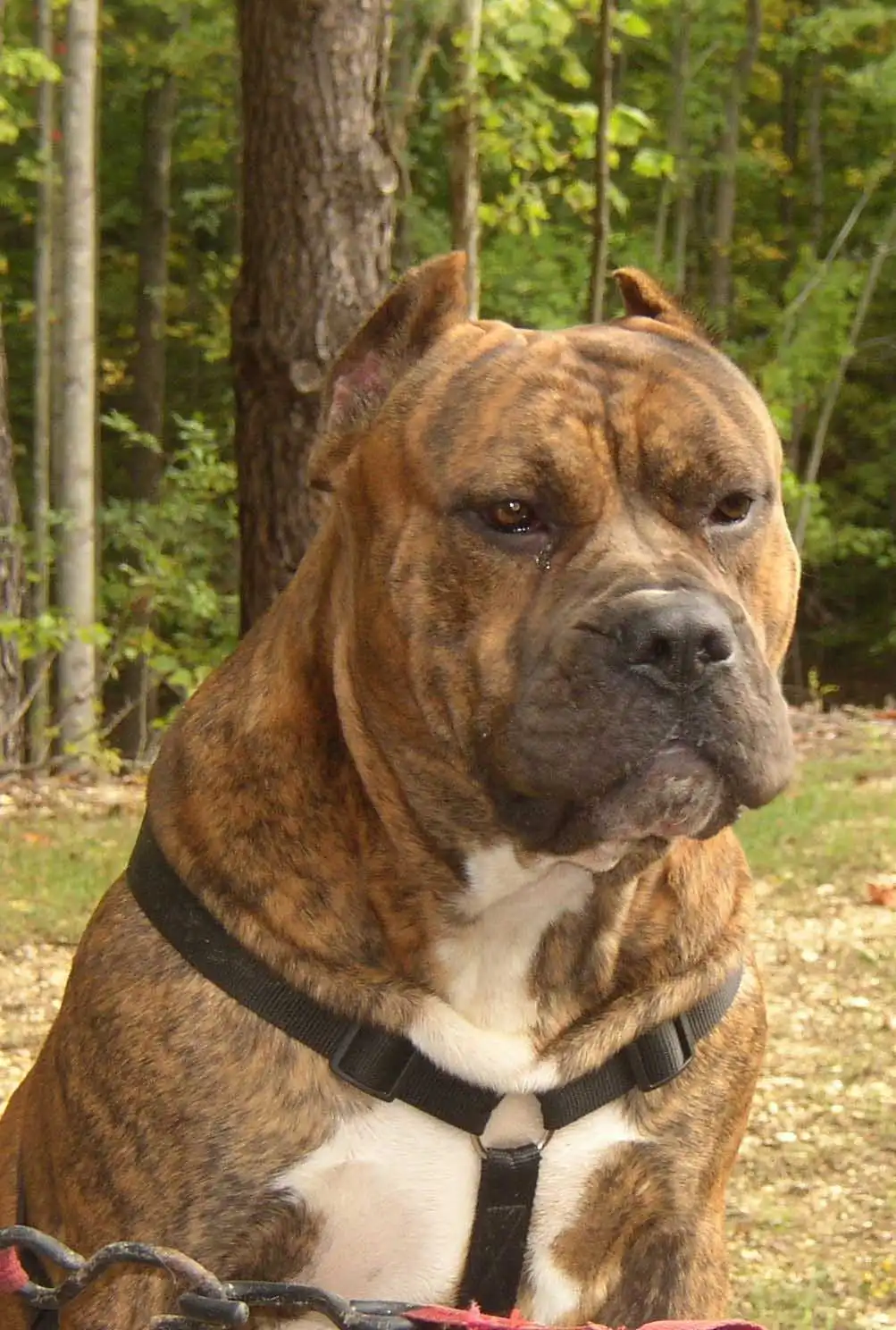
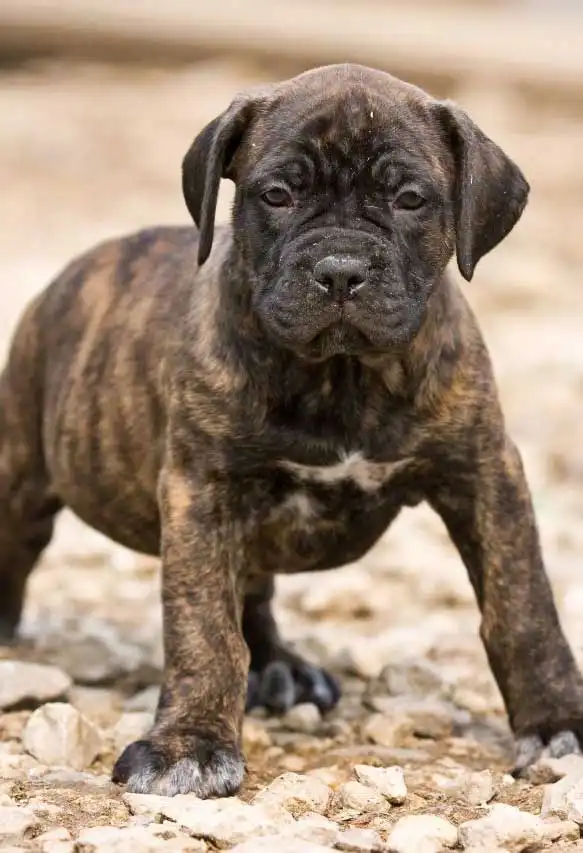
The Perro De Presa Canario is a formidable and muscular large breed dog that commands attention with its imposing stature. Its nose, along with the edges of its eyes and lips, is distinctly black. This breed possesses medium to large oval eyes that are neither deeply set nor protruding, typically showcasing hues ranging from dark to medium brown; lighter eye colors are not permissible. The skin around its neck is thick and loose, and when the dog is alert, it develops symmetrical wrinkles on its head, which accentuate its serious expression. The coat is short and coarse, lying flat against the body without an undercoat, although it may be denser around the neck and thighs. The Perro De Presa Canario is available in a variety of colors, such as black, brindle, fawn, red brindle, red fawn, and silver fawn, and is notably marked by a unique black mask that does not rise above its eyes.
Care Routine
The Perro De Presa Canario, despite not having an undercoat, is not classified as hypoallergenic. This breed experiences year-round shedding, but its coat care is relatively simple with weekly grooming sessions. To promote skin health and eliminate dead hair, a slicker brush or a natural bristle brush is recommended. During peak shedding seasons, daily brushing becomes essential to minimize hair buildup in the home. Generally, baths are unnecessary unless the dog gets particularly dirty; when bathing is required, it’s best to use a gentle shampoo, as harsher products can cause dry skin and irritation. While this breed doesn’t usually drool excessively, it may drool after eating or drinking, so keeping a drool cloth handy is a good idea. Furthermore, without a consistent dental care routine, the Perro De Presa Canario may face dental and gum problems. Starting a grooming routine early will help the dog get used to being handled, including nail trimming and teeth brushing.
Behavior & Temperament
The Perro De Presa Canario is a breed that requires a confident and assertive owner to develop into a well-adjusted pet. Early socialization is essential, and it's advisable to steer clear of games that challenge your authority, such as tug-of-war. This breed is not ideal for novice dog owners, as it can be quite demanding for those lacking experience. Families with young children or small pets may also find this dog difficult to handle. Given its strong-willed nature, training will need to be a continuous effort throughout the dog's life. It's crucial to prevent the dog from taking on a leadership role, as this can result in aggressive and unruly behavior. Make sure to keep him securely contained within a sturdy fence and avoid leaving him alone for long periods. Nevertheless, with the right owner, the Perro De Presa Canario can be a wonderful companion, relishing quality moments with you, whether it's relaxing while watching TV or playing together. Daily exercise is essential for his health, so be prepared to commit at least an hour each day to activities like walks or games.

Play & Exercise
Things to Know
Cups Per Day
3.0 Cups
Daily Activity
60 Minutes
Average Lifespan
10 Years
Origin
15th Century
Type
Pure Breeds
Size
Giant
Origin Country
Canary Islands
Brush Frequency
Weekly
Coat Texture
Straight
Register
Your kids have been begging for a pet forever, and you've recently decided that it's time for your family to get a new addition -- a dog! While everyone is excited for the new arrival, you're wondering if you need to have a dog license. How much does it cost? Is it required? Where do you get one?
Member Clubs

PETINNATE
Guardian Dog

AKC
Foundation Stock Service

UKC
Guardian Dog
Height & Weight
Weight
108 lbs (49 kg)Male: 120 lbs (54 kg) , Female: 97 lbs (44 kg)
Height
24 inches (61 sm)Male: 25 inches (64 sm) , Female: 23 inches (58 sm)
6 Months
50 lbs ( m 50 lbs, f 50 lbs )
17 inches ( m 17 inches, f 17 inches )
12 Months
81 lbs ( m 81 lbs, f 81 lbs )
21 inches ( m 21 inches, f 21 inches )
18 Months
96 lbs ( m 96 lbs, f 96 lbs )
23 inches ( m 23 inches, f 23 inches )
Eye Colors
Brown

Nose Colors
Black
Coat Colors
Brindle
Black

Fawn
Red
Silver